

Most travel trailer furnace problems come from power, propane, or blocked vents.
I’ve worked on dozens of rigs and repaired many furnaces. This guide on Travel Trailer Furnace Troubleshooting brings clear steps, safety checks, and real-world tips. You will learn how these furnaces work, common fault signs, step-by-step fixes you can try, when to stop and call a pro, and simple maintenance to prevent repeat problems. Read on to get confident diagnosing and fixing your travel trailer furnace safely and quickly.

36% off Today’s Exclusive Deals
Limited-time Exclusive Deals. Check current discount on Amazon.
Check Price on Amazon As an Amazon Associate I earn from qualifying purchases.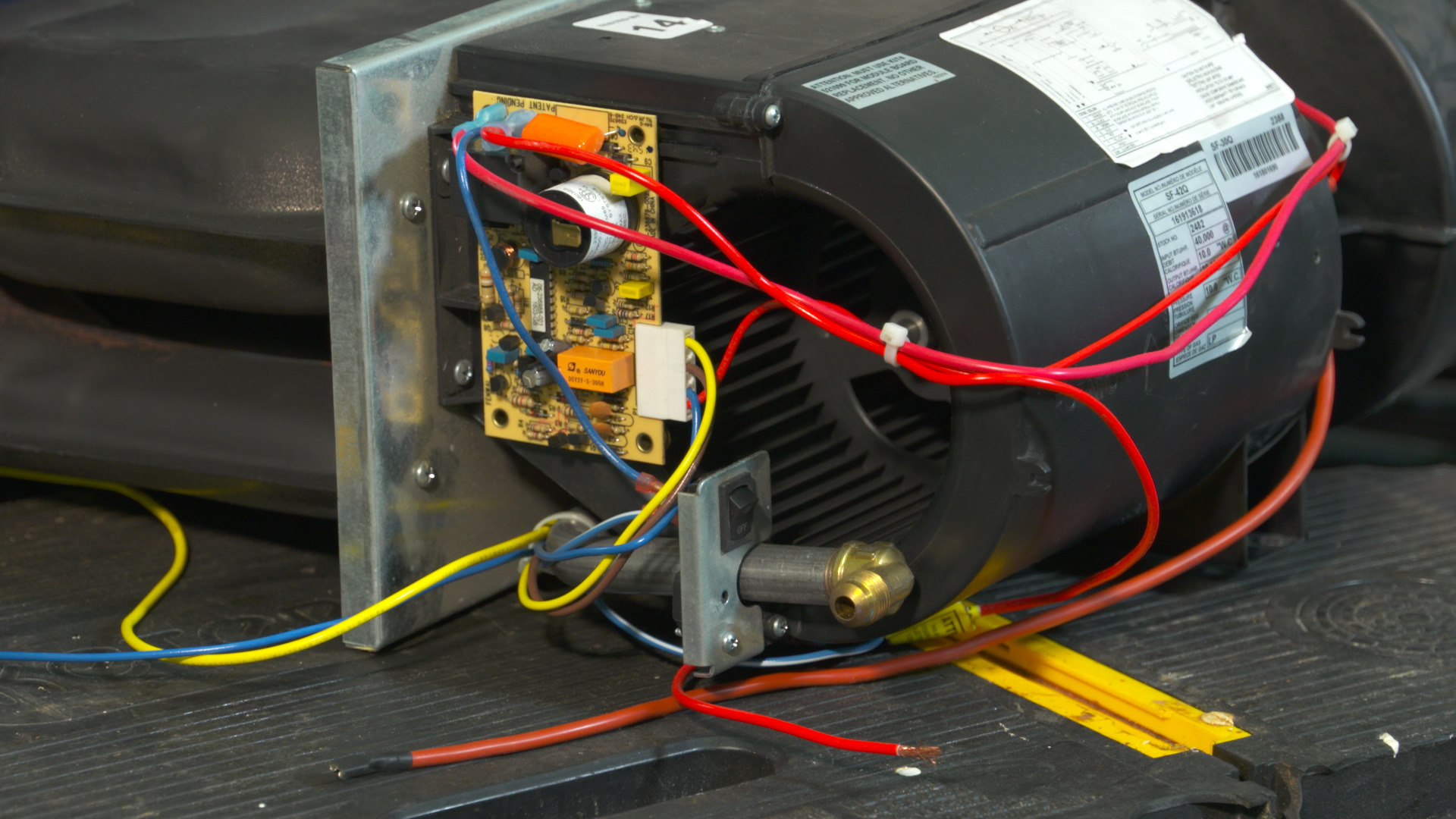
How Travel Trailer Furnaces Work
Travel Trailer Furnace Troubleshooting starts with knowing basics. Most travel trailer furnaces run on propane and use 12V power for controls and the blower. A thermostat tells the control board to spark the igniter or open the gas valve. The burner lights and heat is blown into the interior through vents.
Understanding this simple flow helps you isolate faults quickly. When a furnace won’t run, check fuel, power, ignition, and airflow in that order. My years fixing RV systems taught me that most failures are easy parts or simple switches.

Common Symptoms and What They Mean
Recognizing symptoms speeds up Travel Trailer Furnace Troubleshooting. Here are common signs and likely causes.
- Furnace won't start
- Could be no propane, dead battery, blown fuse, or thermostat issue.
- Furnace starts then shuts off quickly
- Often a faulty flame sensor, dirty burner, or blocked vent causing overheating.
- Weak or no heat from vents
- Possible clogged air filter, weak blower motor, or partial burner flame.
- Clicking or sparking sound but no flame
- Igniter or gas valve problem is likely.
- Furnace runs but smells of propane
- This is a serious leak. Turn off propane, ventilate, and address immediately.
These simple symptom-to-cause mappings make Travel Trailer Furnace Troubleshooting practical for owners. When I first started troubleshooting, I learned to always smell and listen before probing wires. That habit saved me and my rig more than once.
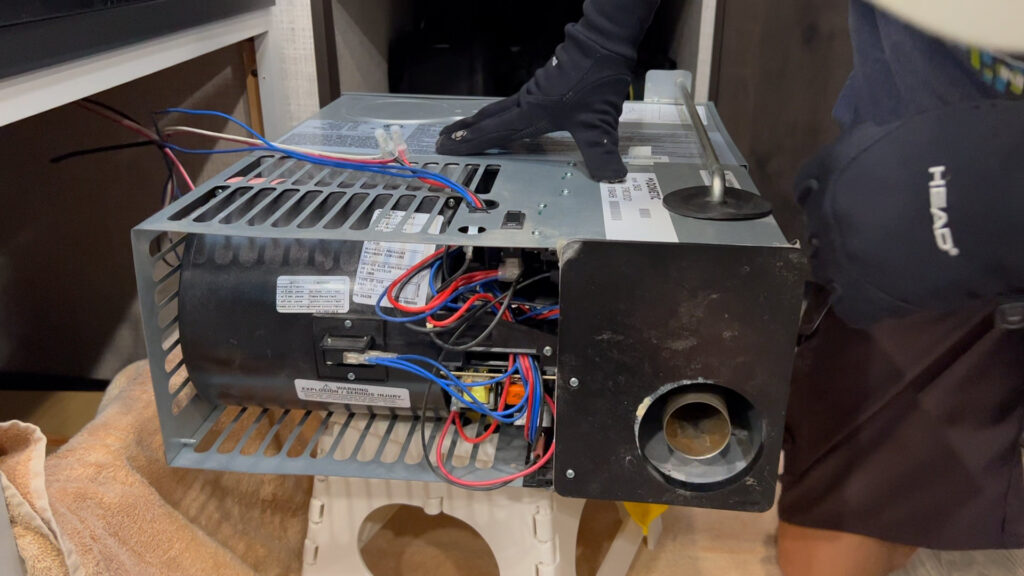
Safety First for Travel Trailer Furnace Troubleshooting
Safety is the top priority when doing Travel Trailer Furnace Troubleshooting. Propane and enclosed spaces are high risk.
- Always install and test a carbon monoxide detector before running the furnace.
- Turn off propane at the tank before working on gas lines.
- Disconnect 12V power or remove fuses before electrical repairs.
- Ventilate the trailer when you smell propane or fuel.
- Use a soap-and-water test for leaks; never use an open flame.
I once ignored a faint propane smell and paid for it with a delayed repair that could have been dangerous. Stop and check safety before troubleshooting.

Step-by-Step Travel Trailer Furnace Troubleshooting Guide
Follow these steps in order to diagnose most problems safely and efficiently.
- Check basic power and controls
- Verify battery charge and house battery connections.
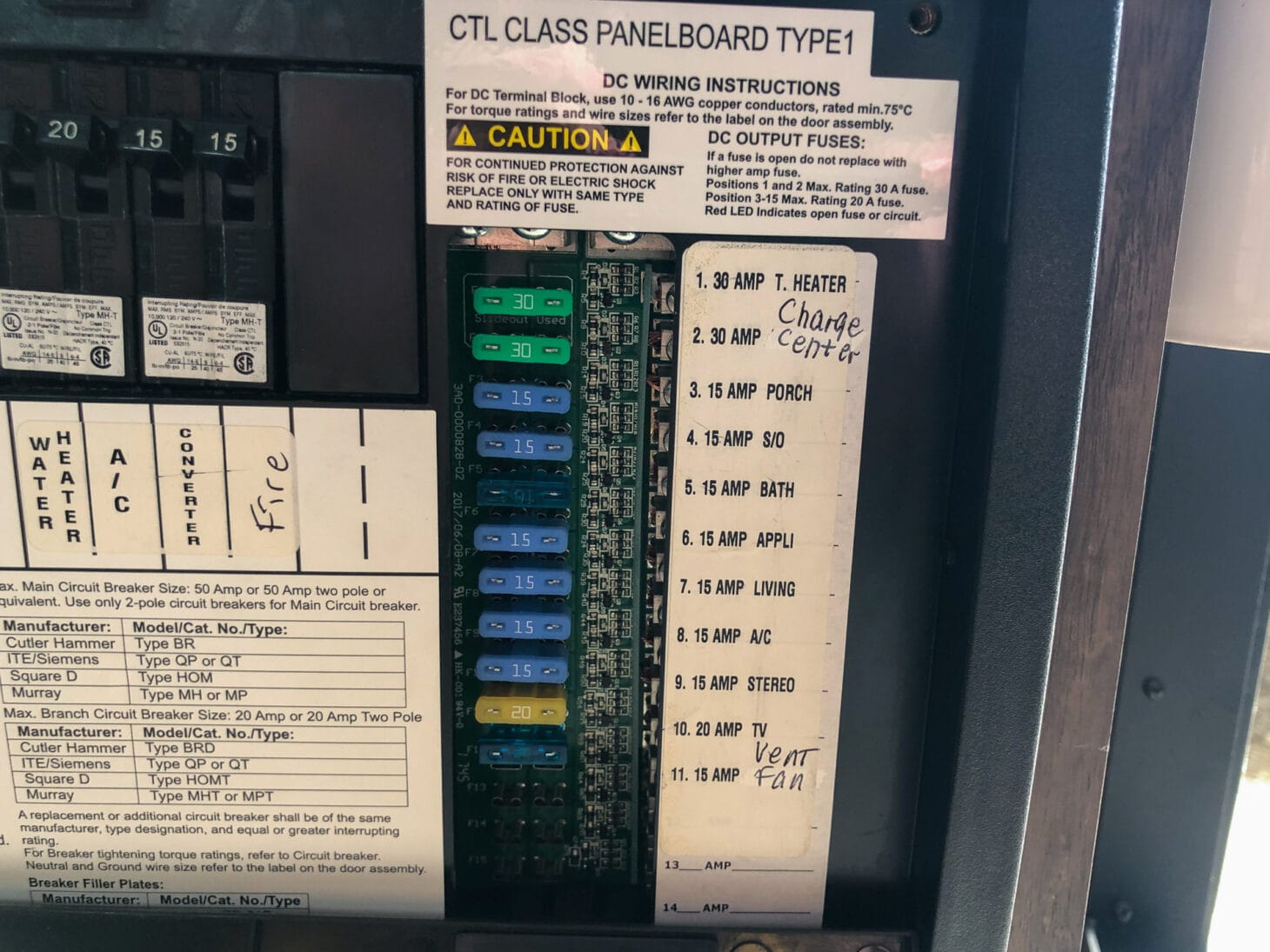
- Check 12V fuse or circuit breaker for the furnace.
- Ensure thermostat batteries (if used) are fresh.
- Confirm propane supply
- Make sure the tank valve is open.
- Check the propane regulator and tank gauge.
- Try another propane appliance to confirm supply.
- Inspect vents and flues
- Clear vent caps of debris, snow, or nests.
- Make sure flue path is not blocked.
- Observe ignition sequence
- Set thermostat to call for heat and watch.
- Listen for the blower, clicking igniter, and burner light.
- Note any error codes on LED displays.
- Test ignition and gas flow
- If igniter clicks but no flame, the gas valve or regulator may be faulty.
- If there’s a flame that goes out, clean or replace the flame sensor.
- Check blower and airflow
- Turn on fan mode to test blower independently.
- Inspect blower wheel for dirt or debris.
- Check control board and safety switches
- Look for burnt traces on the board or loose connectors.
- Test limit switches and roll-out switches for continuity.
If a step is outside your comfort zone, pause and call an RV technician. My advice: document what you test. Take photos of wire connections and label parts to make reassembly easy.
Component Troubleshooting: What to Inspect
Knowing parts helps with precise Travel Trailer Furnace Troubleshooting. Here are components to check and what to expect.
- Thermostat
- Verify temperature setting and mode. Replace if erratic.
- Battery and 12V supply
- Furnaces need stable 12V for control and blower. Low voltage causes odd behavior.
- Fuses and breakers
- Replace blown fuses with the correct rating. Reset breakers if tripped.
- Igniter or pilot assembly
- Check for cracks or heavy corrosion. Replace if sparking but no flame.
- Gas valve and regulator
- Test for correct gas flow. Regulators can freeze or fail under cold conditions.
- Flame sensor
- Clean gently; replace if dirty cleaning doesn’t help.
- Blower motor and wheel
- Clean, lubricate if serviceable, and test the motor winding for continuity.
- Limit and safety switches
- These protect against overheating. Replace a tripped or failed switch.
When replacing parts, use OEM replacements if possible. I once used a cheap aftermarket sensor that failed in two winters. Stick to quality parts to reduce repeat Travel Trailer Furnace Troubleshooting.

Preventive Maintenance to Avoid Future Issues
Good maintenance reduces Travel Trailer Furnace Troubleshooting needs. A little care goes a long way.
- Annual inspection
- Have stove and furnace inspected before cold seasons.
- Clean vents and flue
- Remove nests and debris at least once a year.
- Replace filters
- Clean or replace cabin air filters each season.
- Check electrical connections
- Tighten battery cables and check grounding.
- Test safety detectors
- Replace smoke and CO detector batteries yearly.
- Run the furnace briefly in the off season
- This keeps parts moving and reveals issues before travel season.
I schedule maintenance before long trips. That simple habit has prevented breakdowns and saved money. Treat prevention like insurance.

When to Call a Professional
Know your limits in Travel Trailer Furnace Troubleshooting. Call a pro when issues are complex or dangerous.
- You smell propane strongly or detect a leak.
- You find burned wiring or a melted connector.
- The control board shows unexplained error codes after simple fixes.
- You lack tools to test gas pressure or electrical continuity.
- Multiple systems fail at once (furnace plus hot water, for example).
Professionals have gas leak tools and training. For safety and warranty reasons, certain repairs should be left to certified RV technicians or licensed gas contractors.

Frequently Asked Questions of Travel Trailer Furnace Troubleshooting
How do I reset my travel trailer furnace?
Turn off the thermostat, switch off the furnace power at the fuse or breaker, wait 30 seconds, then restore power and set the thermostat. This simple reset clears minor electronic glitches.
Why does my furnace click but not light?
Clicking without a flame often means the igniter is sparking but the gas valve or regulator isn’t opening or propane supply is insufficient. Check propane tanks, regulator, and wiring to the gas valve.
How can I test the blower motor?
Set the furnace to fan-only mode or directly apply 12V to the motor terminals after disconnecting power and checking wiring. If the motor doesn’t run or makes grinding sounds, the motor or bearings need service.
Can I use my furnace while driving?
Most manufacturers advise against running the furnace while driving due to safety risks and venting issues. Check your owner's manual and use caution if the manual permits it briefly.
What should I do if I smell propane coming from the furnace?
Turn off all propane appliances and the tank valve immediately, ventilate the trailer, do not use electrical switches, and call a technician. A strong propane smell indicates a significant leak and requires professional attention.
How often should I clean the furnace flue and vents?
Inspect vents at least once a year and clean as needed. More frequent checks are wise if you camp in dusty or bird-prone areas. Regular cleaning prevents blockages and safety shutdowns.
Conclusion
Travel Trailer Furnace Troubleshooting is about safety, methodical checks, and good maintenance. Start with power and propane, move through vents and ignition, and test components in order. Use the step-by-step guide here, practice safe habits, and schedule preventive care to avoid most problems. If you ever detect strong propane odors, burned wiring, or repeated failures, call a trained RV technician.
Take action today: test your CO detector, inspect vents, and run a quick furnace check before your next trip. Share your experience or questions in the comments, and subscribe for more practical RV tips.

