

Weather King furnace troubleshooting fixes common faults with simple checks and clear steps.
I have worked on heating systems for years and I know Weather King furnace troubleshooting inside out. This guide gives clear steps, common causes, and easy fixes you can try. Read on to learn how to diagnose faults, read error codes, and keep your Weather King furnace running safely and efficiently.

36% off Today’s Exclusive Deals
Limited-time Exclusive Deals. Check current discount on Amazon.
Check Price on Amazon As an Amazon Associate I earn from qualifying purchases.
Common Symptoms and What They Mean
Weather King furnace troubleshooting starts with spotting symptoms early. Noise, no heat, short cycling, and strange smells are common signs. Each sign points to a few likely causes and helps you narrow the problem fast.
- No heat. Could be a thermostat, pilot/ignition issue, or gas supply problem.
- Blower runs but no heat. This often means a failed ignition or burned heat exchanger.
- Furnace cycles on and off quickly. Dirty filter, blocked vents, or bad limit switch are common.
- Strange smells. Burning dust is normal on first heat; rotten egg smell needs immediate gas shutoff.
- Loud banging or rattling. Loose panels, delayed ignition, or motor issues may be to blame.
People Also Ask
- Why won’t my Weather King furnace start? Often a tripped safety switch, dead thermostat battery, or ignition failure.
- What does short cycling indicate? Usually poor airflow or a safety limit switch issue during Weather King furnace troubleshooting.

Source: reddit.com
Step-by-Step Weather King Furnace Troubleshooting Guide
Follow these steps in order. Each step is safe for most homeowners. Turn power off if you open panels or touch wiring.
-
Check the thermostat
- Confirm it is set to heat and the temperature is above room temp.
- Replace batteries and clean contacts if needed.
-
Inspect power and switches
- Make sure the furnace switch and circuit breaker are on.
- Look for a blown fuse or tripped breaker.
-
Replace the air filter
- A clogged filter restricts airflow and can cause many faults.
- Use the filter size the furnace requires and note the change date.
-
Check the pilot or ignition system
- For older units, confirm the pilot is lit.
- For electronic ignition, listen for the ignition sequence and watch for error codes.
-
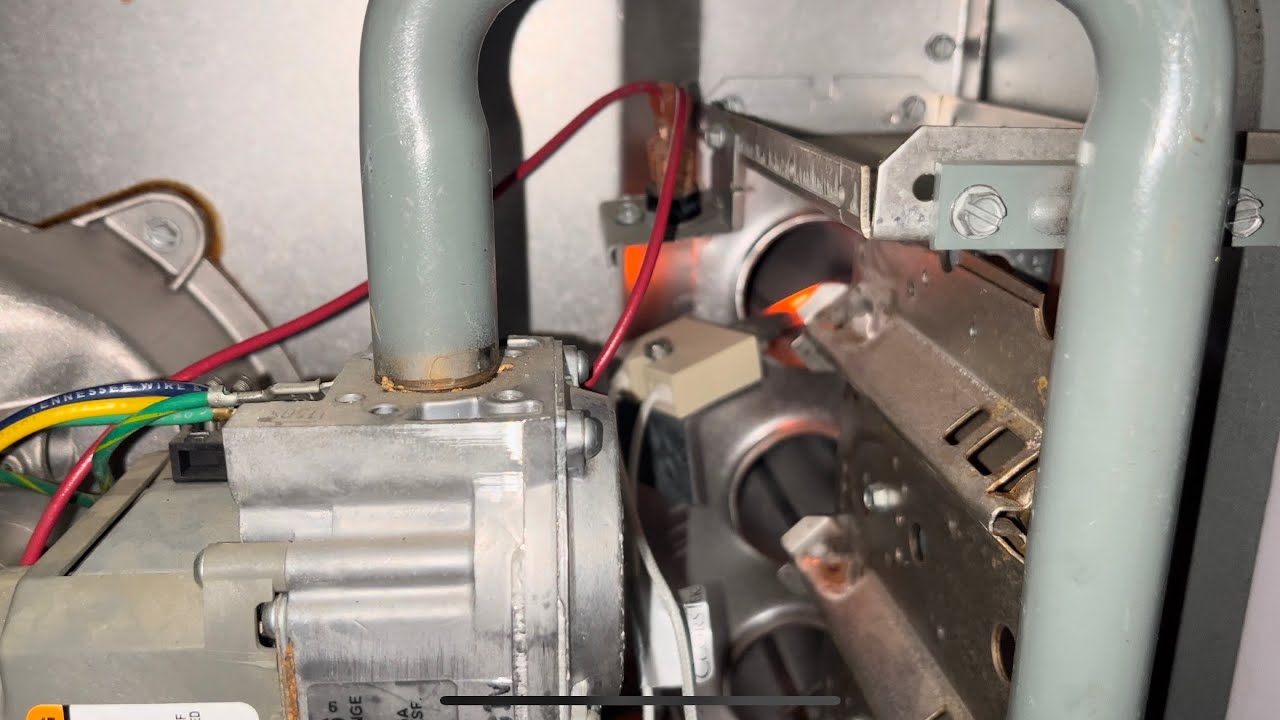
Look at the flame and burners
- A steady blue flame is correct. Yellow or floating flame can mean combustion problems.
- Soot or dirt on burners reduces efficiency and may need cleaning.
-
Inspect exhaust and intake vents
- Blocked vents cause pressure faults and shutdowns.
- Clear snow, nests, or debris from outdoor terminations.
-
Read error codes
- Many Weather King furnaces flash LED codes. Count flashes and check your manual.
- Note the pattern then reset power and observe again.
-
Check the blower and motor
- Listen for unusual sounds and check for seized bearings.
- Clean the blower wheel and inspect belts where applicable.
-
Test safety switches and limit controls
- These shut the furnace down when temps or pressures exceed safe limits.
- A faulty limit switch often causes short cycling.
-
Verify gas supply
- If you smell gas, leave the area and call your gas company.
- No gas at the meter or a closed valve will prevent ignition.
These steps form the core of Weather King furnace troubleshooting at home. If a step reveals a serious fault, stop and call a pro.

Understanding Error Codes and Parts
Weather King furnace troubleshooting often requires reading LED error codes. Codes save time. They point to sensors, valves, or control board faults.
- Common codes
- One flash often means normal operation or a minor warning.
- Multiple flashes identify specific parts like pressure switch, ignitor, or flame sensor.
- Key parts to know
- Ignitor or pilot: starts combustion.
- Flame sensor: confirms flame presence.
- Pressure switch: checks venting and inducer pressure.
- Limit switch: prevents overheating.
- Control board: the brain that logs errors.
How to read codes
- Turn off power, count the flashes after restart, then compare to your manual.
- If the code points to a replaceable sensor, a cleaning can sometimes fix it before replacement.
Limitations
- Error codes vary by model year. Always match the code to your model.
- Replacing parts without accurate diagnosis can be costly.

Source: reddit.com
Preventive Maintenance and Seasonal Checks
Regular care reduces breakdowns and improves life span. Weather King furnace troubleshooting becomes easier with good maintenance.
- Monthly
- Check and replace filters.
- Ensure vents and return grilles are clear.
- Annually
- Schedule a professional tune-up before cold season.
- Have heat exchanger and combustion checked for cracks or leaks.
- Simple homeowner tasks
- Vacuum dust from around the furnace.
- Lubricate motors if the model supports it.
- Keep a maintenance log with dates and parts changed.
Benefits of regular upkeep
- Lower utility bills.
- Fewer emergency repairs.
- Safer operation.
Source: youtube.com
When to Call a Professional
Some issues need trained technicians. Call help if you see these signs.
- Gas smell or CO alarm activation. Evacuate and call emergency services.
- Cracked heat exchanger or visible flames where they should not be.
- Repeated error codes after resets.
- Complex control board or sealed system work.
- You lack tools or confidence to work on gas appliances.
Cost vs risk
- Small repairs are affordable. Big mistakes on gas systems can be dangerous.
- A pro can test combustion efficiency and ensure safe venting.

Source: reddit.com
Troubleshooting Examples and Real-Life Cases
I once worked on a Weather King furnace that short cycled every 10 minutes. The owner had a dirty filter and a warped return grille. After replacing the filter and straightening the grille, cycling stopped. A simple fix.
Another case involved an LED code for a flame sensor. Cleaning the sensor with emery cloth fixed it. Replacing parts too early costs money.
Lessons learned
- Start with cheap, safe fixes first.
- Keep records of past repairs to spot patterns.
- Trust your nose and alarms; they can prevent harm.

Source: amazon.com
Frequently Asked Questions of Weather King Furnace Troubleshooting
What is the first step in Weather King furnace troubleshooting?
Check the thermostat settings and replace its batteries. Then verify power at the furnace switch and circuit breaker.
Why does my Weather King furnace short cycle?
Short cycling often comes from restricted airflow, a dirty filter, or a faulty limit switch. Fix airflow issues first, then test limits.
How do I read Weather King furnace error codes?
Restart the furnace, count LED flashes, and match the pattern to the manual for your model. Note the exact sequence for accurate diagnosis.
Can I clean a flame sensor myself?
Yes, you can clean the flame sensor with a light abrasive like emery cloth and re-install it. Turn power off before you touch any parts.
When should I replace the heat exchanger?
Replace it if you find cracks or corrosion, or if a pro reports leakage after a combustion test. A cracked exchanger is a safety risk and needs prompt action.
Is it safe to run a Weather King furnace with a strange odor?
Burning dust on first use can be normal, but rotten egg or chemical smells require immediate action and professional checks. Do not run the furnace if you suspect gas leaks.
Conclusion
Weather King furnace troubleshooting is a mix of small checks and smart calls. Start with filters, power, and thermostat, then read codes and inspect vents. Do simple fixes yourself and call a pro for gas, combustion, or control board issues.
Take action today: check your filter, note any error codes, and schedule a seasonal tune-up. Share your experience below or subscribe for more step-by-step HVAC guides.

