

Most oil boiler furnace issues are fixable with basic checks: power, fuel, filters, and thermostat.
I have worked on residential and small commercial heating systems for over a decade. This article shares clear, practical Oil Boiler Furnace Troubleshooting steps, proven checks, and real-world tips to find and fix common faults fast. Read on to learn how to diagnose problems safely, try simple repairs, and know when to call a pro.

36% off Today’s Exclusive Deals
Limited-time Exclusive Deals. Check current discount on Amazon.
Check Price on Amazon As an Amazon Associate I earn from qualifying purchases.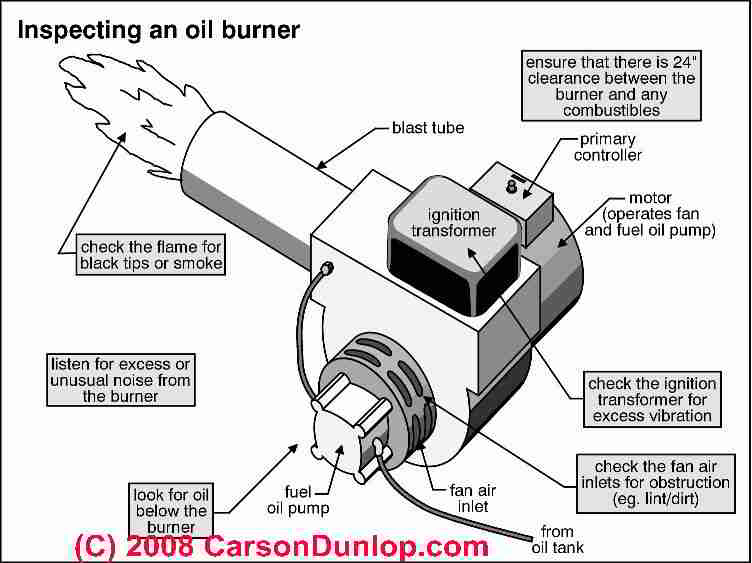
Common Symptoms and What They Mean
When your system acts up, symptoms tell the story. Learn the common signs and likely causes for effective Oil Boiler Furnace Troubleshooting.
-
No heat at all
Likely causes: no fuel, power loss, tripped switch, failed pump, or blocked filter. Start with the simplest checks first. -
Pilot light or ignition failure
Likely causes: dirty nozzle, bad ignitor, air in the fuel line, or oil pressure issues. -
Strange noises—clanking, banging, or gurgling
Likely causes: kettling from scale, trapped air, or failing circulator pump. -
Smell of oil or soot buildup
Likely causes: incomplete combustion, cracked flue, or an oil leak that needs urgent attention. -
Short cycles or uneven heating
Likely causes: thermostat issues, oversized burner, or blocked flue causing safety lockouts.
I’ll show you how to check each of these without guesswork. Good troubleshooting uses method and safety. Oil Boiler Furnace Troubleshooting becomes easier with a clear plan and steady steps.

Step-by-Step Oil Boiler Furnace Troubleshooting Guide
Use this logical order for diagnosis. Follow steps in sequence to avoid wasted time.
- Safety checks and prep
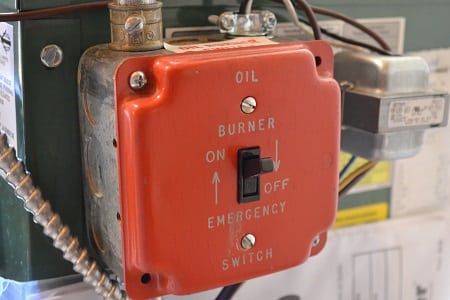
- Turn off power and set thermostat low before working.
- Ventilate if you smell oil. Open windows briefly.
- Use gloves and safety glasses when inspecting parts.
- Confirm power and controls
- Check the circuit breaker and any fused switches near the boiler.
- Ensure the thermostat has fresh batteries and responds when changed.
- Reset the burner lockout by following the unit’s manual.
- Verify fuel supply and lines
- Confirm there is oil in the tank. Low fuel is the top simple cause.
- Check the oil line for kinks or frost (sign of air).
- If fuel runs out, bleed the line to remove air.
- Inspect filters, nozzle, and pump
- Replace a clogged filter; it chokes the burner.
- A worn nozzle sprays poorly; replace per service interval.
- Check oil pump pressure; improper pressure causes poor combustion.
- Test ignition and flame quality
- Observe the flame through the sight glass. A steady blue flame is ideal.
- Yellow, sooty, or lifting flames signal poor combustion or air issues.
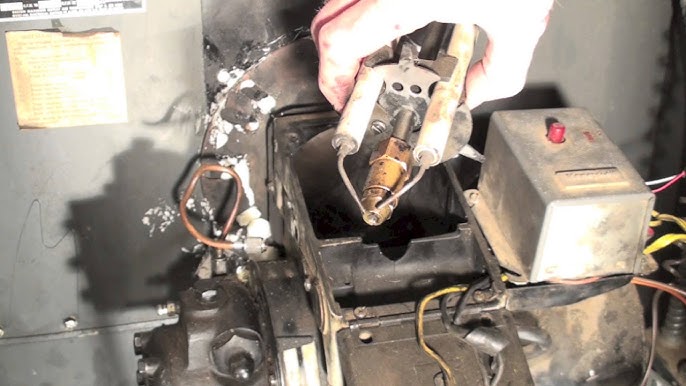
- Clean electrodes and adjust electrodes gap if recommended by the manual.
- Check the flue and venting
- Blocked flues reduce draft and cause soot or shutdowns.
- Inspect for visible soot, corrosion, or animal nests.
- Flue problems often require a technician for safe fix.
- Circulator, valves, and heat distribution
- Bleed radiators or piping for trapped air.
- Listen for pump noise or feel temperature differences at valves.
- Replace failing circulator pumps to restore flow.
- Final run test
- After fixes, run the boiler and watch for stable operation.
- Check for leaks, steady flame, and normal cycling.
- Note any error codes on the control panel for follow-up.
PAA-style question: What if the burner won’t start after bleeding the line?
- Short answer: Check safety switches, fuel solenoid, and pump prime. If the pump runs but no oil reaches the nozzle, re-bleed and inspect for air leaks.
PAA-style question: How often should I change the oil filter and nozzle?
- Short answer: Change the filter yearly and the nozzle every 1–2 years, or per the manufacturer’s schedule for reliable performance.
Tools and Safety Checklist for Oil Boiler Furnace Troubleshooting
Bring the right tools and follow safety rules. That prevents damage and keeps you safe.
-
Basic tools
- Screwdrivers, adjustable wrench, socket set, and small pliers.
- Flashlight and mirror for hard-to-see areas.
- Multimeter to check power and continuity.
-
Fuel and combustion tools
- Manometer or pressure gauge for oil pump testing.
- Combustion analyzer for checking CO, O2, and efficiency (for pros).
- Bleeder key for fuel line bleeding.
-
Safety gear and protocol
- Eye protection, gloves, and a dust mask when cleaning soot.
- Carbon monoxide detector near the boiler area.
- Never bypass safety switches or operate with a cracked flue.
From my experience, a small basic kit and a simple checklist save time. If you do a repair, document what you did and mark the date. That helps with later service and warranty issues.
When to Call a Pro for Oil Boiler Furnace Troubleshooting
Some problems need trained hands. Call a licensed technician if you see these signs.
- You detect a strong oil smell or visible leak. This is a fire and health risk.
- The flue or vent is damaged, blocked, or shows soot inside. That risks carbon monoxide.
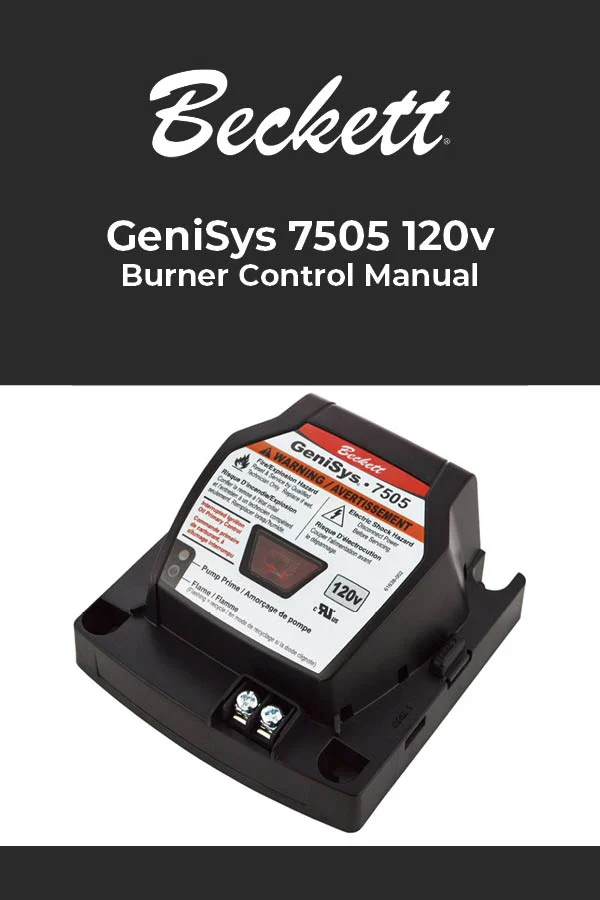
- Electrical components fail repeatedly or the control board shows persistent error codes.
- You lack the tools or clearance to test the oil pump, pressure, or combustion properly.
A certified tech has the instruments and permits for safe combustion tuning, pressure tests, and flue repairs. In my work, timely calls avoided costly damage when homeowners delayed on apparent minor issues.
Preventive Maintenance: Reduce Future Troubleshooting
Regular care cuts failures and saves money. Here are practical steps you can do and schedule with pros.
-
Annual service by a qualified technician
- Clean combustion chamber, replace nozzle, test pump pressure, and tune burner.
- Inspect and clean the flue and chimney for draft and safety.
-
Owner maintenance every season
- Check oil level and top up before heavy use.
- Replace or clean sight glass, and change the fuel filter annually.
- Test thermostat, and clean nearby dust or obstructions.
-
Long-term tips
- Keep a service log with dates and parts changed.
- Consider switching to higher-grade oil if soot or nozzle wear is frequent.
- Install basic sensors: CO detector, oil tank level alarm, and high-temp cutout.
My best advice: treat maintenance as an investment. A simple yearly tune-up prevents most calls and extends equipment life.

Frequently Asked Questions of Oil Boiler Furnace Troubleshooting
What should I check first when my oil boiler furnace stops working?
Start with power, thermostat settings, and fuel level. If those are fine, check the oil filter and reset the burner lockout.
Why is my burner making loud noises?
Loud sounds often mean trapped air, scale buildup, or a failing circulator pump. Bleed the system and inspect the pump and heat exchanger.
How can I tell if the flame is burning correctly?
A healthy flame is steady and mostly blue. Yellow or sooty flames mean poor combustion or a clogged nozzle.
Can I bleed the fuel line myself after running out of oil?
Yes, you can if you follow the manual and safety steps. If air keeps entering or you’re unsure, call a technician.
How often should I schedule professional maintenance?
Have a professional service your oil boiler furnace at least once a year, ideally before the heating season begins.
Conclusion
Oil Boiler Furnace Troubleshooting is manageable with clear checks, safe tools, and a step-by-step plan. Start with power, fuel, and filters, then move to pump, ignition, and venting. Regular maintenance and timely pro help prevent most failures. Try the checklist, keep notes, and act early to avoid larger repairs. If this guide helped, subscribe for more practical tips or leave a comment about your experience.

