

A faulty gas valve often causes no heat, intermittent heating, or a constant pilot light.
I have worked many years with residential HVAC systems and written technical guides for homeowners and technicians. This article on Furnace Gas Valve Troubleshooting breaks down what a gas valve does, how to spot problems, safe step-by-step diagnostics, common fixes, and prevention tips. Read on for clear checks, real-life tips from the field, and practical next steps you can trust.

36% off Today’s Exclusive Deals
Limited-time Exclusive Deals. Check current discount on Amazon.
Check Price on Amazon As an Amazon Associate I earn from qualifying purchases.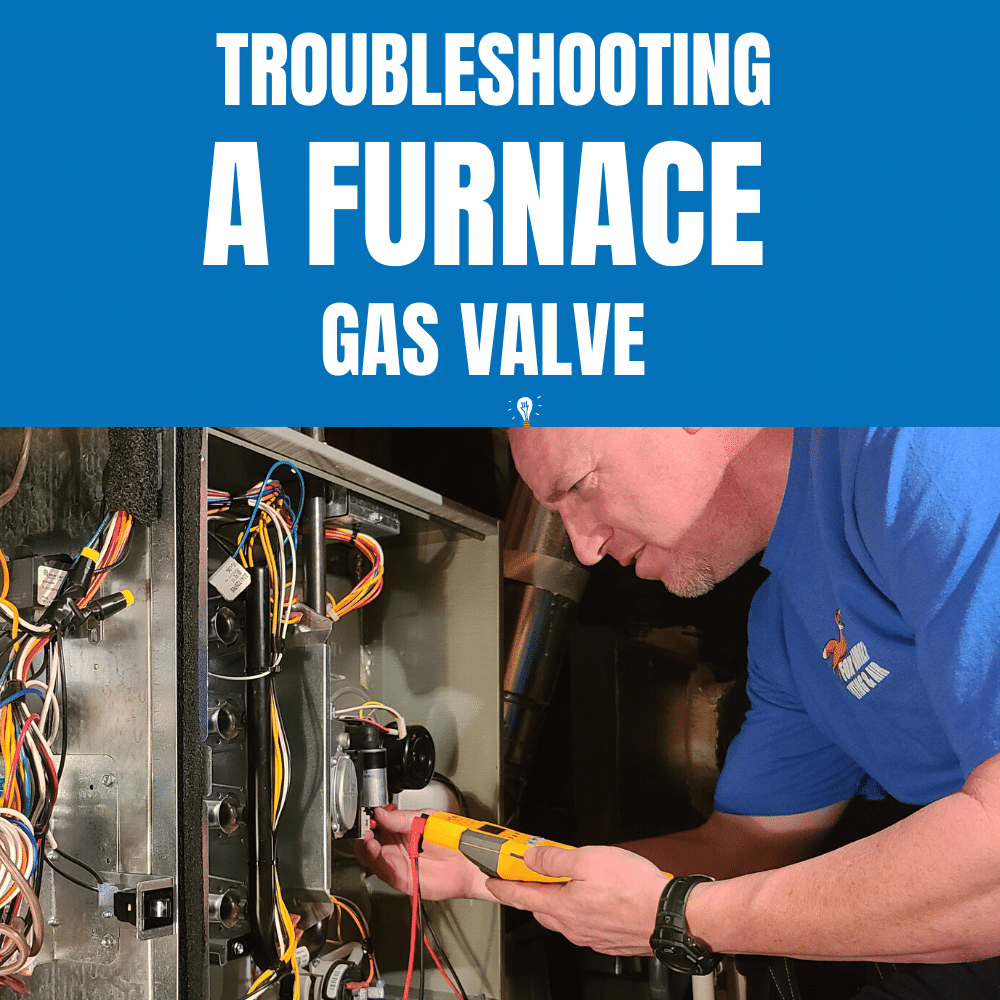
How a furnace gas valve works
A gas valve controls fuel flow into the burner. It opens when the thermostat calls for heat and closes when the cycle ends. The valve can be a simple manual shutoff, a two-stage solenoid valve, or an integrated control on modern furnaces. Knowing how the valve functions helps with Furnace Gas Valve Troubleshooting.
From experience, I tell new technicians to visualize the valve as a faucet for gas. If the faucet leaks or sticks, the burner will not behave correctly.

Common symptoms of a failing gas valve
Recognizing signs early saves time and money. Watch for these common symptoms when doing Furnace Gas Valve Troubleshooting.
- No heat even when the blower runs.
- Intermittent heating or short cycling.
- Constant pilot light or flame that will not go out.
- Humming or buzzing noise near the valve.
- Gas smell near the furnace cabinet.
- Furnace runs but produces weak flame or yellow flame.
Each symptom points to different causes. The gas valve is a frequent culprit. Always pair symptom checks with safe tests.

Safety first: prepare before you start
Safety is the top priority in any Furnace Gas Valve Troubleshooting. Take these steps first.
- Shut off power to the furnace at the breaker box.
- Turn off the gas supply at the shutoff valve.
- Ventilate the area if you smell gas and leave immediately.
- Use a gas detector or soapy water to check leaks.
- Wear safety glasses and gloves when working near gas and burners.
If you find a strong gas smell, evacuate and call the gas utility or a licensed technician. Never ignore leak signs.

Step-by-step Furnace Gas Valve Troubleshooting
Follow a clear order. Check simple items first. This saves time and narrows down the issue.
- Confirm thermostat operation. Set to heat and raise set point by a few degrees.
- Check power and fuses. Ensure the furnace has 120V or required voltage.
- Inspect the pilot or ignition system. A faulty ignitor can mimic valve problems.
- Listen at the valve. A click followed by a hum usually indicates a commanded open.
- Test for voltage at the valve terminals with a multimeter. Typical control voltage is 24 VAC.
- Verify continuity of the valve coil if allowed by the manufacturer.
- Check for clogged burners or blocked gas lines if flame is weak.
- If the valve does not open with proper control voltage, consider valve replacement.
I once followed these steps on a winter night. A multimeter check showed no 24 VAC at the valve. The thermostat wiring had failed. It saved replacing a good valve.
PAA-style question 1: Why won't my furnace ignite even though the thermostat calls for heat?
Short answer: Check power, thermostat output, and 24 VAC at the gas valve. A failed ignitor or no control voltage often blocks ignition.
PAA-style question 2: What does a humming gas valve mean?
Short answer: A hum can mean the valve is energized but not fully opening. It may indicate internal wear or an electrical issue.
Tools and tests for diagnosing gas valve problems
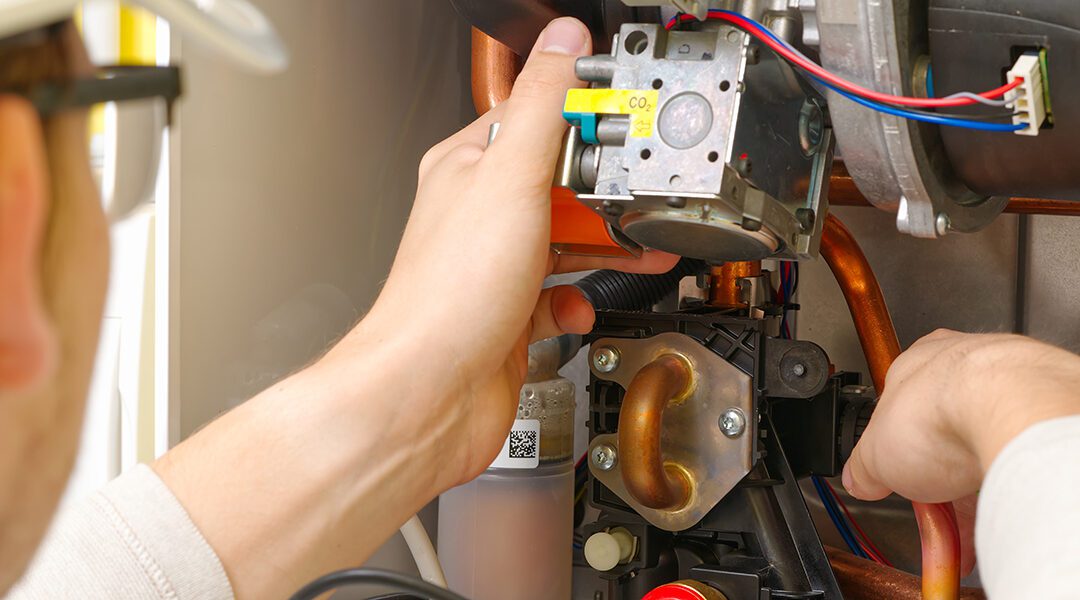
Use simple, reliable tools for Furnace Gas Valve Troubleshooting. Here are the essentials.
- Multimeter to check voltage and continuity.
- Manometer for gas pressure checks if trained to use it.
- Non-contact voltage tester for safety checks.
- Gas leak detector or soapy water solution.
- Flashlight and mirror for visual checks.
Testing tips: Always confirm control voltage at the valve when the thermostat is calling for heat. If voltage is correct and the valve stays closed, the valve is likely faulty. If no voltage is present, trace back to the thermostat, control board, or safety switches.

Common repairs and replacement advice
Deciding between repair and replace depends on age and symptoms. Use these guidelines when making choices.
- Replace valves older than 10–15 years if malfunctioning.
- Replace immediately if the valve leaks gas.
- Repair wiring, limit switches, or ignition assemblies before replacing the valve.
- Use manufacturer-approved replacement parts and follow torque specs.
- Always pressure-test the system after any valve replacement.
From my experience, replacing a valve without checking the control circuit first is a common mistake. You may replace the valve and still have no heat if the control board is the real problem.
Preventive maintenance and best practices
Regular care reduces the chance of gas valve failure. Include these items in a maintenance checklist.
- Clean burners and combustion areas annually.
- Inspect wiring and connectors for corrosion or looseness.
- Test safety switches and limit controls on each visit.
- Keep the furnace area clear and dry.
- Schedule a professional tune-up before cold seasons.
A simple yearly check often finds small wiring issues. Fixing them early avoids emergency repairs.

Frequently Asked Questions of Furnace Gas Valve Troubleshooting
What is the most common cause of gas valve failure?
Most failures come from electrical issues, like no control voltage or bad wiring, and normal wear over time. Dirt and corrosion also speed up failure.
Can I clean a gas valve to fix it?
Cleaning the valve body or surrounding components can help, but internal valve repairs are not recommended for DIY work. Replace the valve if internal parts are damaged.
How do I know if the gas valve is getting 24 VAC?
Use a multimeter set to AC volts. Place leads on the valve control terminals while the thermostat calls for heat. About 24 VAC should appear.
Is it safe to test a gas valve myself?
Basic non-intrusive tests are safe if power and gas are turned off where required. Avoid internal disassembly and high-pressure gas tests unless you are trained.
How much does a gas valve replacement usually cost?
Costs vary by model and labor. Expect a range depending on valve type and local labor rates. Get a written estimate from a licensed HVAC technician.
Should the flame be blue or yellow when the valve works?
A healthy flame is mostly blue with a small steady tip of yellow. A large yellow flame signals poor combustion and ventilation issues.
When should I call a professional for Furnace Gas Valve Troubleshooting?
Call a pro if you smell gas, find persistent leaks, detect internal valve problems, or if tests need advanced equipment. Safety and code compliance matter.
Conclusion
Good Furnace Gas Valve Troubleshooting starts with safety, clear checks, and correct tools. Spot symptoms, verify control voltage, and test components in order. If you smell gas or find a leak, stop and call a pro. Take action now: schedule a maintenance check, document symptoms, and use the troubleshooting steps above to guide your next move. If you found this helpful, leave a comment, subscribe for more guides, or share your own troubleshooting story.

