

Heil furnace troubleshooting: Check power, thermostat, filter, ignition, and error codes for quick fixes.
I have spent years servicing residential furnaces and teaching homeowners how to diagnose common faults. This Heil Furnace Troubleshooting guide breaks down how Heil systems work, the most common faults, step-by-step checks, safety tips, and when to call a professional. Read on to gain clear, usable steps that reduce repair costs and keep your home warm.

36% off Today’s Exclusive Deals
Limited-time Exclusive Deals. Check current discount on Amazon.
Check Price on Amazon As an Amazon Associate I earn from qualifying purchases.
How Heil Furnaces Work — A Simple Primer
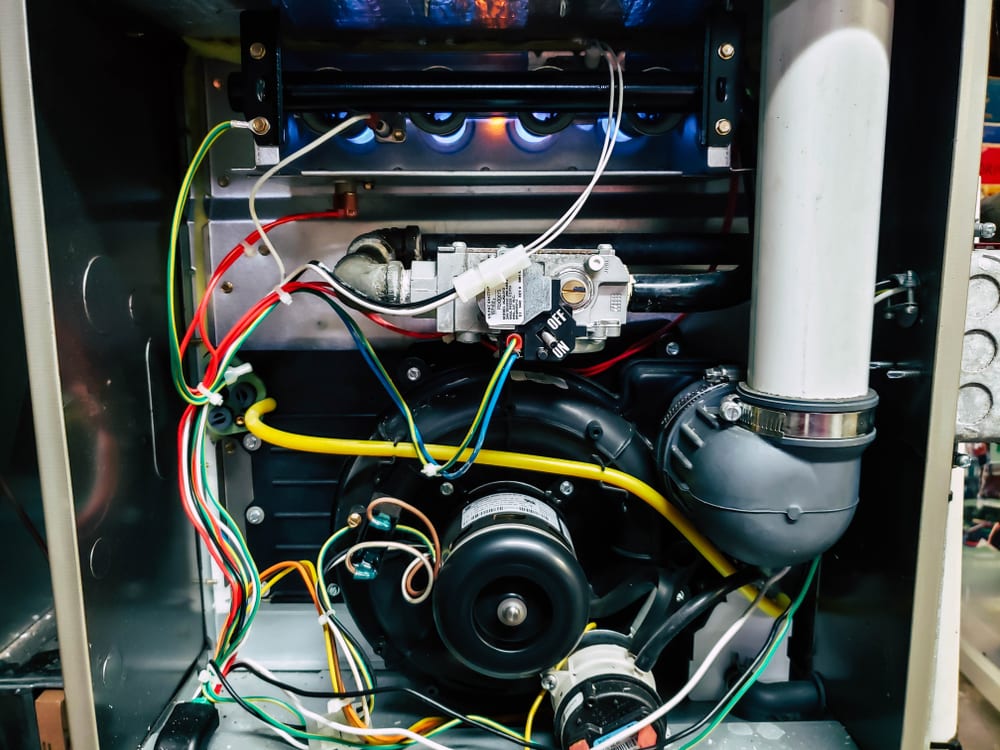
A Heil furnace uses a thermostat, blower, heat exchanger, gas valve or burner, and ignition system to heat your home. The thermostat signals the furnace to start, the ignition lights the burner, and the heat exchanger warms air that the blower pushes through ducts. Modern Heil models include safety switches and control boards that show status via LED codes.
Knowing basic operation helps with Heil Furnace Troubleshooting. If you can confirm power, thermostat signal, and a clean filter, you will solve many issues without tools. This overview sets the stage for targeted checks and safe repairs.
Common Heil Furnace Problems and What They Mean
Familiar problems show up often in Heil Furnace Troubleshooting. Below are common faults, likely causes, and simple fixes you can try.
- Furnace won't turn on: Check power switch near the unit and the circuit breaker. Verify the thermostat has batteries and is set to heat.
- Furnace runs but no heat: Dirty air filter or blocked vents can starve the furnace of airflow. Replace the filter and clear vents.
- Short cycling (on/off quickly): This can be caused by an oversized unit, clogged filter, or blocked flue. Try a new filter and inspect vents.
- Ignition or pilot failure: Faulty igniter, gas valve, or sensor can prevent ignition. Check error codes on the control board and then inspect the igniter visually.
- Blower runs but no burner: Could be a failed gas valve or control board issue. Confirm gas supply and error codes before power-cycling.
- Strange noises: Squeals often mean bearings or belts; knocking can mean a delayed ignition or air pressure problem. Listen for pattern and timing.
- Frequent flame rollout or limit trips: These are safety lockouts from restricted airflow or heat exchanger problems. Shut down and service immediately if suspected.
Each of these problems fits squarely under Heil Furnace Troubleshooting. Simple checks will resolve many issues, while others need a trained technician.

Step-by-Step Heil Furnace Troubleshooting Checklist
Follow this ordered checklist to diagnose most Heil furnace issues. Work calmly and stop if you see gas smells or unsafe conditions.
- Safety first
- Turn off power at the furnace switch and breaker before opening panels.
- If you smell gas, leave and call the gas company or emergency services.
- Confirm basic power and controls
- Check the circuit breaker and the furnace switch.
- Verify thermostat settings are correct and replace batteries if needed.
- Inspect the air filter and vents
- Remove and inspect the filter; replace if dirty.
- Make sure supply and return vents are open and unblocked.
- Observe the ignition sequence
- Turn heat on and watch: fan, inducer motor, ignition, flame.
- Note any delays or error LED flashes on the control board.
- Read and record error codes
- Count LED flashes or check the status sticker for code meanings.
- Use codes to narrow down the failed component.
- Check common components
- Inspect the igniter for cracks or wear.
- Ensure the gas valve is supplying gas (professionals should test pressure).
- Test the blower motor and capacitors for proper operation.
- Try simple resets
- Turn power off for 60 seconds, then back on to reset controls.
- Avoid repeated resets; record behavior for technicians if it fails again.
Following this checklist will streamline Heil Furnace Troubleshooting. It keeps checks logical and safe, and often saves a service call if the fix is simple.

Diagnostics: Reading Heil Furnace Error Codes and Lights
Heil furnaces use LED flash patterns to report faults. Knowing how to read these codes is key to focused Heil Furnace Troubleshooting.
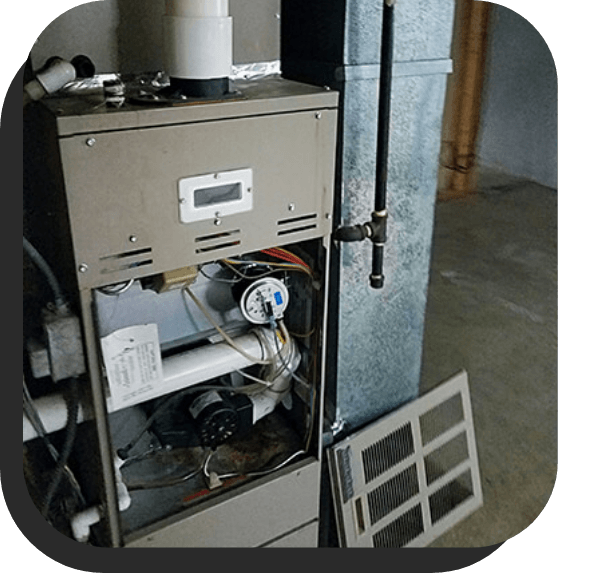
- Locate the status LED on the control board and count flashes. A pattern of short and long flashes maps to specific faults. Record the pattern and compare with the furnace label.
- Common codes point to limit switch trips, pressure switch failures, igniter diagnostics, and flame detection issues. Use the code to decide your next step, such as checking airflow or testing the igniter.
- If the furnace has a digital display or smart thermostat integration, review error messages there too. Some models log recent faults, which helps with recurring failures.
If codes point to safety devices or gas controls, consider calling a certified tech. Diagnostics narrow the problem but some repairs require licensed work.
Tools, Safety, and When to Call a Pro
For safe Heil Furnace Troubleshooting, use simple tools and follow strict safety guidelines.
- Essential homeowner tools
- Screwdriver set for access panels.
- Multimeter for basic voltage and continuity checks.
- Flashlight and replacement air filters.
- Safety practices
- Shut off power before touching electrical parts.
- Do not attempt gas valve or heat exchanger repairs without certification.
- Ventilate if you suspect a gas leak and leave immediately.
- When to call a professional
- Smell of gas or visible flame rollout.
- Repeated limit trips or suspected cracked heat exchanger.
- Complex control board or gas pressure issues.
From experience, many homeowners can handle filters, thermostats, and simple resets. But work involving gas lines, heat exchangers, or wiring should be left to licensed HVAC technicians for safety and code compliance.

Preventive Maintenance to Reduce Troubleshooting
Regular maintenance avoids most Heil Furnace Troubleshooting scenarios and extends equipment life. Make a plan and follow it each year.
- Monthly and seasonal tasks
- Replace or clean filters every 1 to 3 months.
- Keep the area around the furnace clear of clutter.
- Check thermostat batteries seasonally.
- Annual tasks (prefer a professional tune-up)
- Inspect burners, heat exchanger, and combustion components.
- Clean the blower assembly and test safety switches.
- Check flue and venting for blockages and proper draft.
- Practical tips
- Keep filters on hand to avoid delay in replacement.
- Note unusual sounds or smells and act quickly.
- Log service visits and error codes for future reference.
Maintenance reduces emergency calls and improves efficiency. It also helps you learn patterns that make Heil Furnace Troubleshooting faster when issues appear.
Personal Notes and Common Mistakes I’ve Seen
As a technician, I have seen the same simple mistakes cause repeat service calls. Sharing these can save you time and money.
- I once replaced a control board because the owner ignored a dirty filter for months. Clean filters often prevent expensive board failures.
- Homeowners sometimes treat error codes by power-cycling repeatedly. This hides the true issue and can lead to more damage.
- Not turning off power before inspection is a common safety lapse. I’ve fixed electrical shorts that were caused by accidental contact.
These experiences shaped my approach to Heil Furnace Troubleshooting: diagnose with patience, document behaviors, and avoid quick fixes that mask problems.
Common Replacement Parts and Rough Cost Estimates
Knowing typical replacement parts helps when budgeting for repairs during Heil Furnace Troubleshooting.
- Air filter: Low cost, DIY replacement.
- Igniter: Mid-range cost; replace if cracked or not glowing.
- Pressure switch or control board: Higher cost and labor; usually professional replacement.
- Blower motor or capacitor: Mid to high cost depending on model and labor.
Exact costs vary by region and model. Always get a written estimate and ask if parts are genuine Heil components to ensure compatibility and warranty.
Troubleshooting Checklist Summary (Quick Reference)
Use this short checklist when you need fast guidance during Heil Furnace Troubleshooting.
- Check power and thermostat settings.
- Replace the air filter and open vents.
- Observe ignition sequence and note error codes.
- Try a single power reset after basic checks.
- Call a licensed technician for gas, heat exchanger, or board faults.
Keep this list near your furnace for quick access. It will save time and reduce stress when the heat is needed most.
Frequently Asked Questions of Heil Furnace Troubleshooting
How do I read my Heil furnace error codes?
Count the LED flashes on the control board and compare the pattern to the code chart on the furnace label. The pattern indicates the subsystem failing, such as pressure switch or igniter.
Why does my Heil furnace keep short cycling?
Short cycling often comes from restricted airflow, dirty filters, or an oversized furnace. Replace the filter, ensure vents are open, and if it persists, contact a technician to check the system sizing and controls.
Can I replace a Heil furnace igniter myself?
Simple igniter swaps are possible if you are comfortable with basic tools and safety. If the task involves gas or wiring beyond plug-and-play, hire a licensed HVAC pro for safety and warranty compliance.
What should I do if I smell gas near my Heil furnace?
Leave the home immediately and call the gas company or emergency services from a safe location. Do not switch on lights, appliances, or attempt repairs.
How often should I schedule maintenance for my Heil furnace?
Have a professional service your furnace annually, ideally in the fall. Monthly filter checks and seasonal thermostat checks help prevent most issues between visits.
Why won't my Heil furnace blower run even though the heat works?
If the blower fails, check the fan setting on the thermostat and the blower motor fuse or capacitor. If those are fine, the blower motor or control board may need inspection by a technician.
Conclusion
Heil Furnace Troubleshooting becomes manageable when you follow a clear process: confirm power and thermostat, check airflow and filters, read error codes, and make safe, sensible repairs or calls. Regular maintenance cuts most problems and keeps your system efficient. Start with the step-by-step checklist, log any codes or behaviors, and contact a licensed technician for gas or complex electrical work. If this guide helped, subscribe for more HVAC tips, leave a comment about your Heil troubleshooting experience, or share a question below.

