

Most gas furnace issues are simple fixes: check power, thermostat, filters, and vents first.
I have worked on furnaces for over a decade. I write this guide to make gas furnace troubleshooting clear, safe, and useful. You will get step-by-step checks, safety tips, and real-life tricks I learned on service calls. Read on to learn how to diagnose problems, fix small issues, and know when to call a pro.

36% off Today’s Exclusive Deals
Limited-time Exclusive Deals. Check current discount on Amazon.
Check Price on Amazon As an Amazon Associate I earn from qualifying purchases.
How a gas furnace works
A basic gas furnace burns natural gas or propane to make heat. A burner lights and heats a heat exchanger. A blower moves warm air into your ducts. The thermostat tells the furnace when to start and stop.
Knowing how it works helps with gas furnace troubleshooting. If a part stops working, the chain breaks. Start with the simplest link in the chain. This approach saves time and money.
Common problems and causes
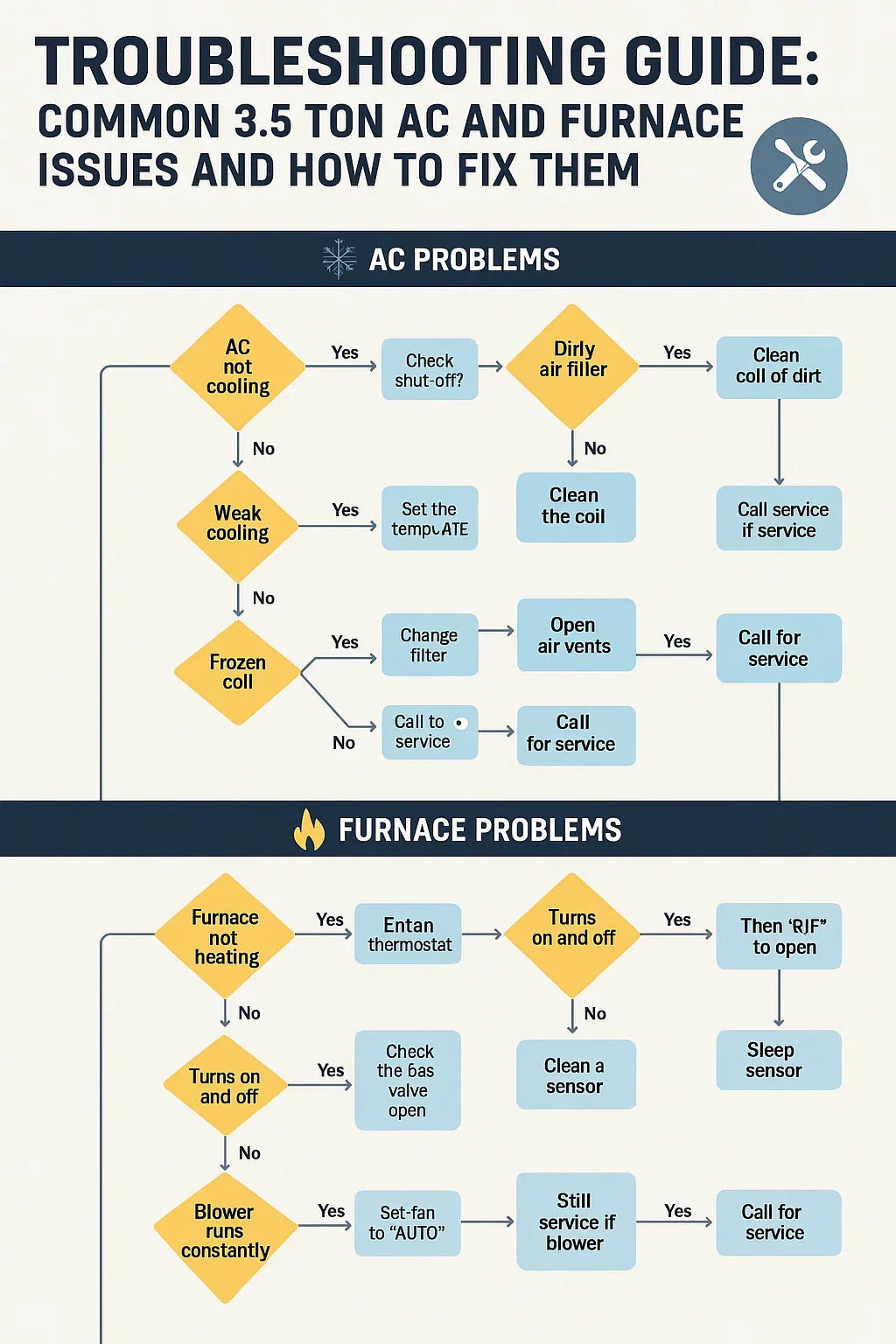
Here are the most common failures I see with gas furnace troubleshooting.
- Furnace won’t turn on
- Tripped breaker, switch off, or dead thermostat battery.
- Furnace runs but no heat
- Gas supply off, pilot or ignitor failure.
- Short cycling (turns on and off quickly)
- Dirty filter, clogged vent, or oversized furnace.
- Weak airflow
- Blocked registers, dirty blower, or duct leaks.
- Strange noises
- Loose parts, motor bearings, or delayed ignition.
- Gas smell
- Possible leak; evacuate and call gas company immediately.
These causes are the usual suspects in gas furnace troubleshooting. Start simple and rule out power and filters first.

People also ask
Q: Why won’t my furnace turn on?
A: Check circuit breaker, furnace switch, and thermostat settings. Replace thermostat batteries if needed.
Q: Why does my furnace short cycle?
A: Often due to dirty filters, overheating, or airflow restrictions. Clean or replace filters and check vents.
Q: What to do if I smell gas?
A: Leave the home and call the gas utility or emergency services. Do not use electronics or switches.
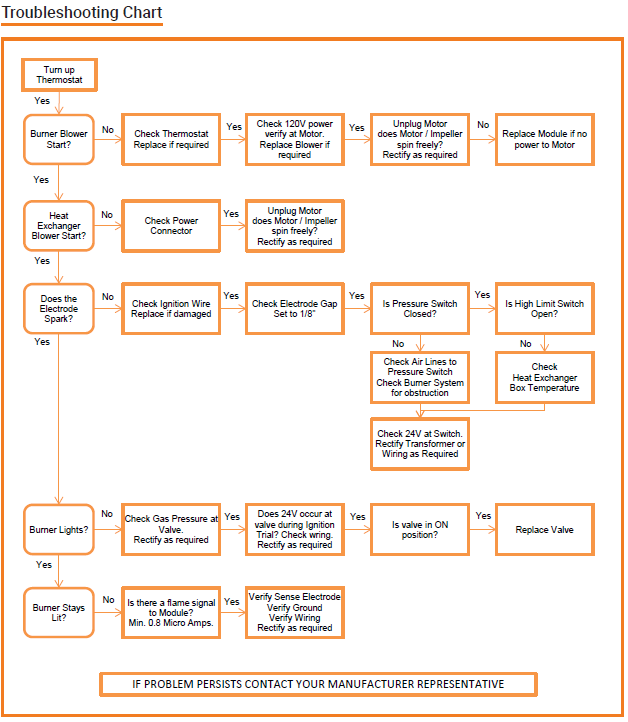
Step-by-step troubleshooting checklist
Follow these ordered checks for gas furnace troubleshooting. Do one thing at a time. Test after each step.
- Power and thermostat
- Confirm the thermostat is set to heat. Replace batteries.
- Check the furnace switch and circuit breaker.
- Filters and airflow
- Inspect the filter. Replace if dirty.
- Ensure vents and returns are open.
- Pilot light or electronic ignition
- For older units, confirm pilot is lit. For modern units, listen for ignition attempts.
- If no ignition, the ignitor or gas valve may be faulty.
- Blower and fan
- Turn the fan to "on" to test blower. Listen for unusual sounds.
- Check belt and motor condition if applicable.
- Vents and flue
- Make sure outdoor vent is clear of debris and snow.
- Blocked exhaust causes shutdowns and carbon monoxide risk.
- Error codes and LED indicators
- Look at furnace LEDs or control board codes.
- Refer to the manual for code meanings.
- Safety switches and limits
- High-limit switches trip on overheating. Let the unit cool and inspect for airflow problems.
Use this checklist for consistent gas furnace troubleshooting. If a step looks risky, stop and call a pro.

Safety precautions and essential tools
Safety is critical in gas furnace troubleshooting. Follow these safety rules.
- Always cut power before opening panels.
- Turn off the breaker and furnace switch.
- If you smell gas, leave immediately.
- Do not use phones or light switches. Call the gas company outdoors.
- Use the right tools
- Multimeter for electrical checks
- Screwdrivers, nut drivers, and flashlight
- Replacement filters and gloves
- Avoid DIY gas line work
- Never attempt to repair the gas valve or gas piping yourself.
I’ve seen small mistakes cause big problems. Respect safety and backup with proper tools.
Maintenance tips to avoid future issues
Regular care reduces the need for reactive gas furnace troubleshooting. These steps keep the unit reliable.
- Change filters every 1 to 3 months
- Filters cut dust and protect the heat exchanger.
- Annual professional tune-up
- A tech inspects burners, heat exchanger, and safety controls.
- Keep vents and returns clear
- Do not block with furniture or curtains.
- Seal duct leaks and insulate ducts
- Better airflow reduces cycling and wear.
- Test carbon monoxide detectors monthly
- Replace batteries yearly and units every 5–7 years.
Small habits prevent most breakdowns. I recommend a filter log and a yearly service plan.
Parts, repairs, and when to call a pro
Some fixes are simple. Others need a licensed technician. Use this guide to decide.
- Easy DIY fixes
- Changing filters, resetting breakers, replacing thermostat batteries.
- Intermediate checks
- Inspecting vents, reading error codes, clearing drain lines.
- Call a professional when:
- You smell gas.
- The burner or heat exchanger shows cracks.
- The ignitor or gas valve needs replacing.
- Electrical components or PCB look damaged.
- Replacement parts and cost hints
- Filters are low cost. Ignitors and thermostats vary by model.
- Heat exchanger replacement is costly and often leads to unit replacement.
I have replaced many parts in the field. If the repair touches the gas valve or heat exchanger, hire a licensed pro.
Personal experience and lessons learned
I started as an apprentice and later ran service calls for ten years. My biggest lessons from gas furnace troubleshooting:
- Start simple
- Most calls fix with a filter change or breaker reset.
- Document steps
- Write what you test. It saves time on repeat visits.
- Safety first, speed second
- Never rush a gas-related fix.
- Communicate with customers
- Explain why a repair is needed and show the old part when possible.
One winter I traced a short cycle to a mouse nest in the return. The fix was cheap and fast. Those moments remind me to check the basics first.
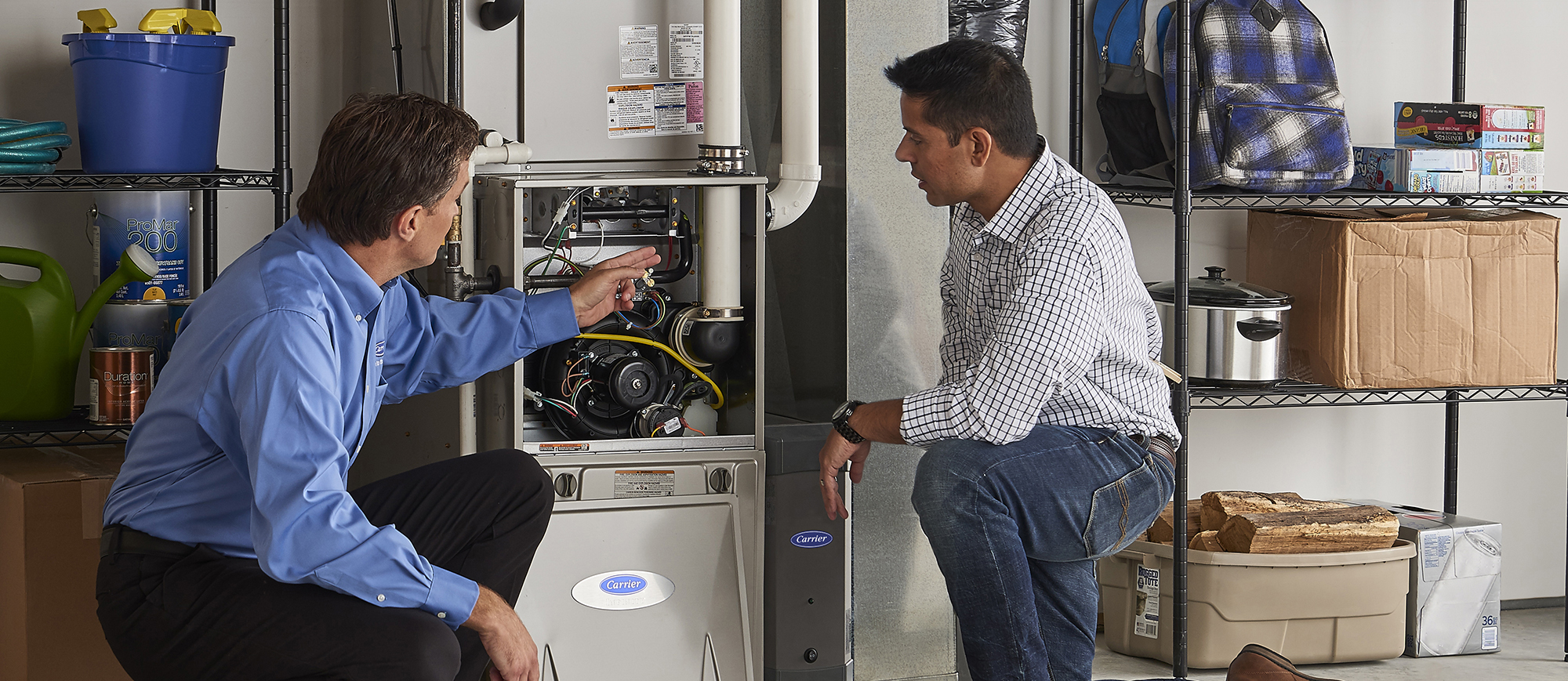
Frequently Asked Questions of Gas Furnace Troubleshooting
Why does my furnace run but not heat the house?
A common cause is a clogged filter or closed vents. Also check thermostat settings and pilot or ignitor operation.
What does short cycling mean and why is it happening?
Short cycling is frequent on/off cycling. It often comes from airflow issues, overheating, or a faulty thermostat.
How often should I change the furnace filter?
Change basic filters every 1 to 3 months. Higher-efficiency filters may last longer but check monthly.
Is it safe to relight a pilot light myself?
If you know the manual steps and see no gas smell, relighting is okay on older units. If unsure or if you smell gas, leave and call the gas company.
Can I run my furnace with a cracked heat exchanger?
No. A cracked heat exchanger can leak carbon monoxide. Turn it off and call a licensed technician immediately.
Conclusion
Gas furnace troubleshooting is mostly methodical checks. Start with power, thermostat, and filters. Use the checklist and safety rules here to fix simple issues or decide when to call a pro. Take action now: change your filter, test your thermostat, and schedule annual service. If you found this guide useful, leave a comment, subscribe for updates, or share your own troubleshooting story.

