

Quick fix: Check propane, battery, and thermostat first for most RV furnace problems.
I’ve spent years fixing RV heaters and guiding owners through RV furnace troubleshooting. This guide walks you through how RV furnaces work, common faults, clear step-by-step troubleshooting, safety checks, maintenance tips, and when to call a pro. Read on for simple tests, real-world tips, and practical fixes you can try today to keep your RV furnace running safe and warm.

36% off Today’s Exclusive Deals
Limited-time Exclusive Deals. Check current discount on Amazon.
Check Price on Amazon As an Amazon Associate I earn from qualifying purchases.
How RV furnaces work and why troubleshooting matters
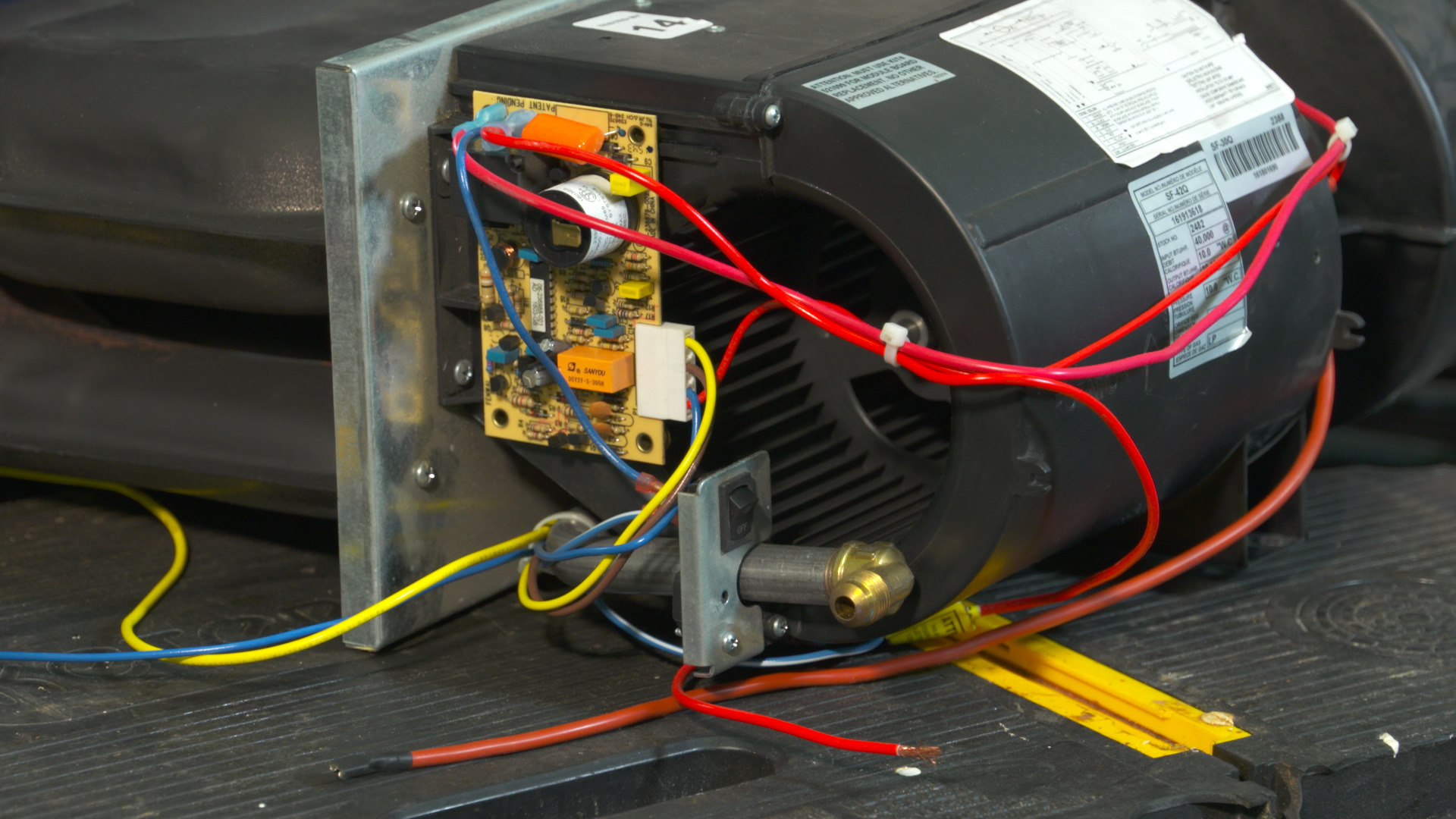
RV furnaces warm your coach by burning propane or running on electric heat. Most RV furnaces use a thermostat, gas valve, burner, heat exchanger, blower fan, and safety switches. A problem in any of these parts can stop heat or cause unsafe conditions.
Knowing RV furnace troubleshooting helps you find quick fixes. It also lowers repair bills and reduces time spent in the cold. I’ve found that routine checks catch most issues before they get serious.
Common problems and likely causes
Most calls I get are for the same set of issues. Below are typical symptoms and likely causes you can check quickly.
- Furnace won’t turn on
Most common causes include dead batteries, empty propane tank, or tripped safety switch. - Furnace starts but shuts off quickly
Often a bad flame sensor, clogged burner, or poor ventilation. - Weak airflow or no heat
Usually a failing blower, blocked vents, or a clogged cabin air filter. - Unusual smells or soot
Could be incomplete combustion, dirty burner, or blocked flue. - Thermostat won’t control temperature
Bad wiring, dead thermostat battery, or thermostat failure.
I once fixed a furnace that shut off after two minutes. The cause was a loose ground wire. Simple checks save time.
Step-by-step RV furnace troubleshooting checklist
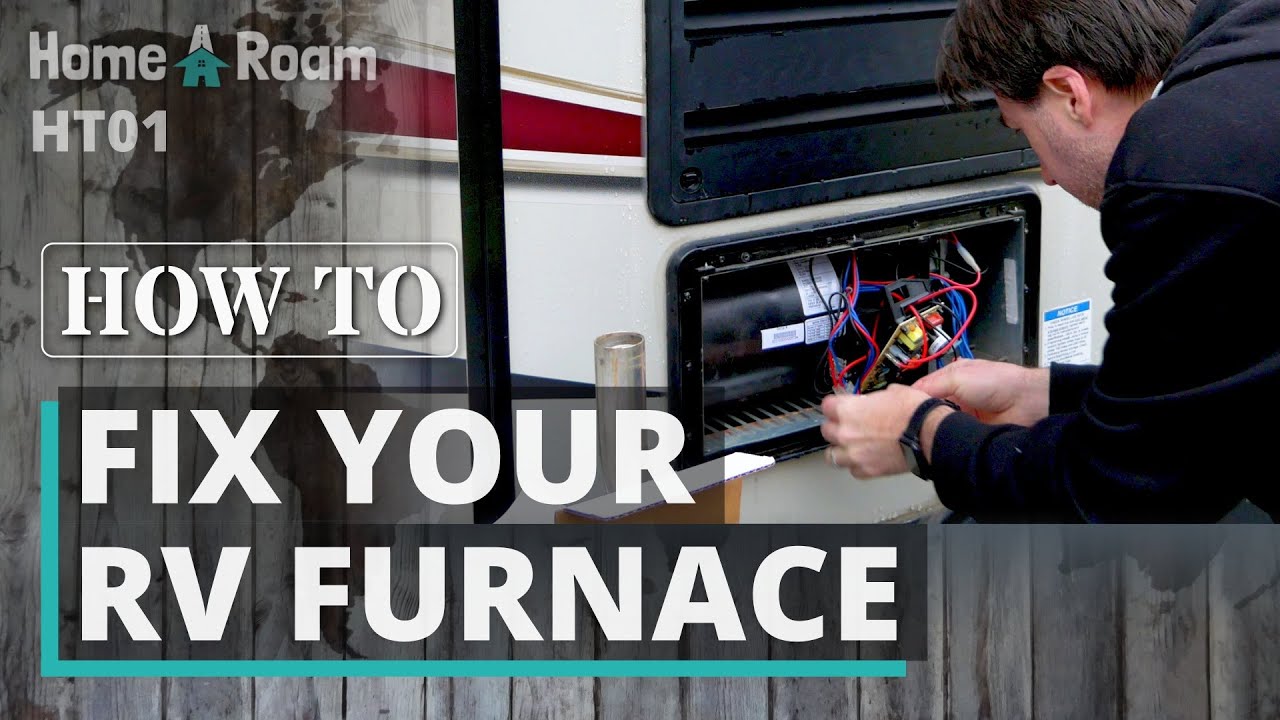
Follow these steps in order. They are safe and effective for most RV furnace troubleshooting. Turn off power and propane when doing hands-on checks unless the step requires powering the furnace.
- Visual and safety checks
- Check propane gauge and tanks. Ensure valves are open.
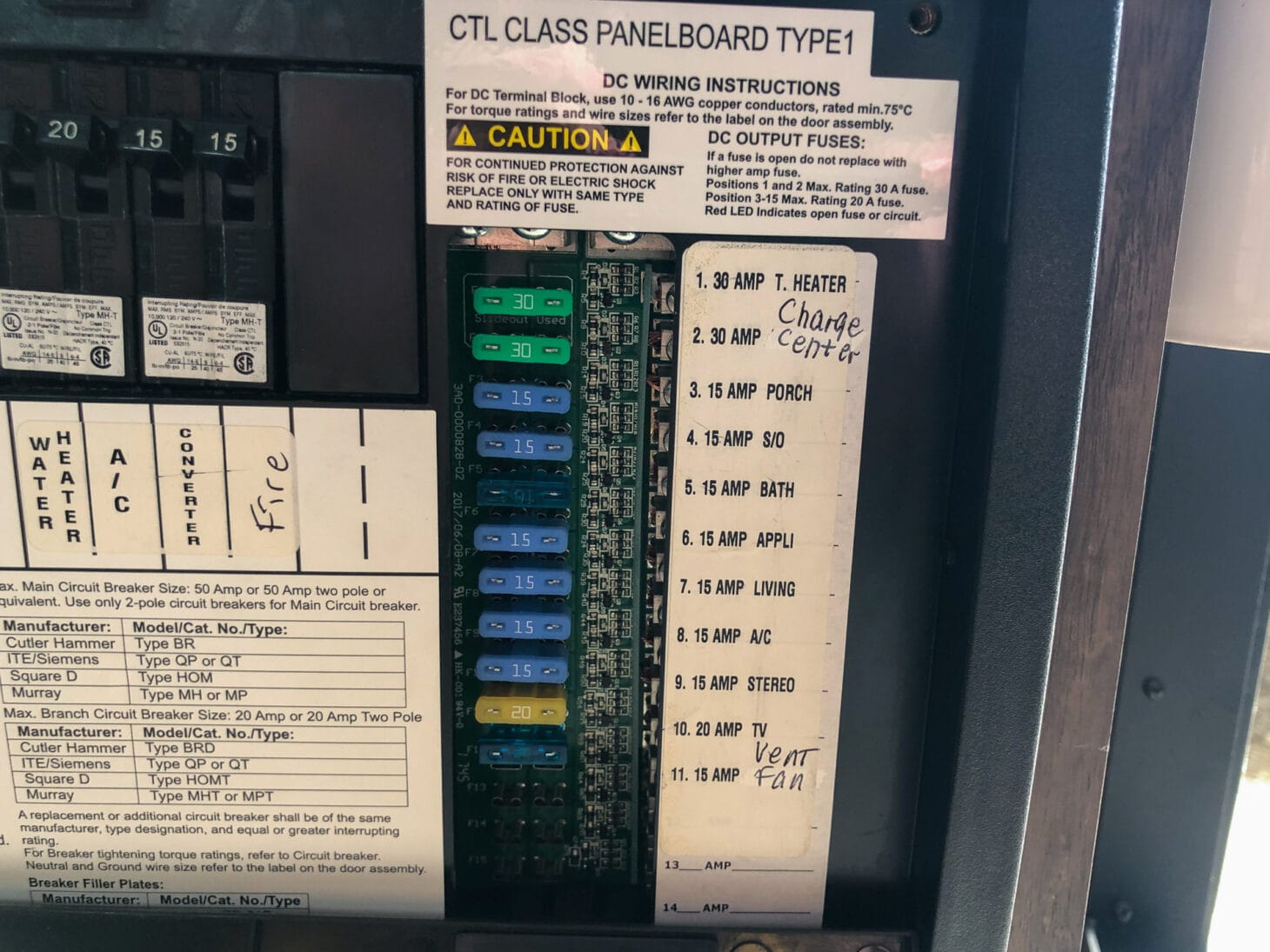
- Inspect battery voltage. A weak battery often prevents ignition.
- Look for tripped carbon monoxide and propane detectors.
- Thermostat and power test
- Set thermostat higher than room temp and listen for a click.
- Confirm DC and AC power to the furnace control board.
- Replace thermostat batteries if present.
- Ignition and flame checks
- Watch the ignition cycle. Do you see a spark or glow? If not, check the igniter or pilot.
- If flame appears but dies, clean the flame sensor and burner ports.
- Airflow and blower testing
- Turn on the blower manually if possible. Listen for unusual noise.
- Clean or replace air filters and clear vent screens.
- Safety switch and vent checks
- Inspect the exhaust vent for blockages from debris or nests.
- Check limit switches and door switches that can cut power.
- Fuel system and valves
- Inspect gas line fittings for leaks and tight connections.
- Test the furnace gas valve with a multimeter for proper voltage during ignition.
- Error codes and control board diagnostics
- Many modern RV furnaces flash error codes via LEDs. Note the pattern and consult the manual.
- Reset the control board by cycling battery power if safe to do so.
These steps solved about 80% of issues I’ve handled in the field.
Safety tips during RV furnace troubleshooting
Safety matters more than speed. Follow these tips to avoid injury or damage.
- Always turn off propane and power before hands-on work.
- Ventilate the area if you smell gas and avoid flames or sparks.
- Use a propane leak detector or soapy water to test fittings for leaks.
- Never run a furnace with a blocked flue or damaged heat exchanger.
- Replace parts with OEM or compatible components rated for your unit.
If you detect carbon monoxide, leave the RV immediately and get fresh air. Safety first when doing RV furnace troubleshooting.

Maintenance and preventive care to avoid future issues
Regular maintenance reduces future troubleshooting and extends furnace life.
- Schedule annual professional inspection of burners and heat exchanger.
- Clean vent openings, burner ports, and the combustion chamber each season.
- Replace cabin air filters once or twice a year depending on use.
- Check and tighten electrical connections annually.
- Keep batteries charged and propane tanks topped before long trips.
I recommend a quick furnace check every spring and fall. Small steps prevent big problems.

When to call a professional
Call a certified RV technician if any of these apply:
- You smell gas or suspect a leak.
- The heat exchanger is cracked or damaged.
- The furnace emits soot, heavy smoke, or persistent odor.
- You cannot resolve error codes or electrical faults.
- You’re uncomfortable working with gas or control boards.
Professionals can run pressure tests, inspect heat exchangers with cameras, and ensure safe repairs. For safety and warranty reasons, some repairs should only be done by licensed technicians.

Tools, parts, and diagnostic items to keep on hand
Having basic tools and spare parts speeds RV furnace troubleshooting and repairs.
- Multimeter for voltage and continuity checks.
- Propane leak detector or soapy water spray bottle.
- Replacement thermostat batteries and small screwdriver set.
- Spare fuses, igniter, and flame sensor for common furnace models.
- Shop vacuum and soft brush for cleaning vents and burners.
I once fixed a cold night by swapping a spare igniter I carried. Small spares are lifesavers.

Real-life tips and mistakes to avoid
Here are lessons from my experience to help you troubleshoot better.
- Don’t ignore safety sensors. They often prevent dangerous failures.
- Avoid running the furnace on low propane. Lean fuel causes poor combustion.
- Don’t force electrical connectors. Broken tabs make future fixes harder.
- Label wires before disconnecting to avoid miswiring on reassembly.
- Test after each fix to isolate the exact cause instead of changing multiple parts at once.
Keeping a log of symptoms and fixes helps spot recurring issues and saves time.

Frequently Asked Questions of Rv Furnace Troubleshooting
What should I check first when my RV furnace won't turn on?
Check propane tank level, main propane valve, battery voltage, and fuse. Then test the thermostat and listen for control clicks.
Why does my RV furnace start but shut off after a minute?
A common cause is a dirty flame sensor, blocked vent, or poor combustion. Clean the burner and sensor, then retest.
Can low battery voltage prevent my RV furnace from working?
Yes. Low DC voltage can stop the control board from igniting the furnace or running the blower. Check battery charge before other steps.
How often should I maintain my RV furnace?
Do basic cleaning before each season and a full professional service annually. Regular checks prevent 80% of issues.
Is a cracked heat exchanger dangerous?
Yes. A cracked heat exchanger can leak carbon monoxide. Stop using the furnace and have it inspected by a pro immediately.
How do I read error codes on my RV furnace?
Count the LED blinks or check the control board pattern found in your manual. Record the sequence for accurate diagnosis.
Conclusion
RV furnace troubleshooting is manageable with the right steps and safety habits. Start with simple checks like propane, battery, and thermostat, then progress to ignition, airflow, and control diagnostics. Keep basic tools and spare parts, perform seasonal maintenance, and call a pro for gas leaks or heat exchanger issues. Try the steps here on your next problem and share what worked — subscribe or comment with your furnace model and symptoms for tailored help.

