

Kitchen Aid Refrigerator Troubleshooting often starts with simple checks like power, temperature, and airflow.
I’ve spent years helping homeowners and testing appliances, so I know what usually goes wrong with a Kitchen Aid refrigerator and how to fix it fast. This guide walks through common symptoms, step-by-step Kitchen Aid refrigerator troubleshooting, diagnostic codes, maintenance tips, DIY fixes, and when to call a pro. Read on for clear, practical advice you can use today.

36% off Today’s Exclusive Deals
Limited-time Exclusive Deals. Check current discount on Amazon.
Check Price on Amazon As an Amazon Associate I earn from qualifying purchases.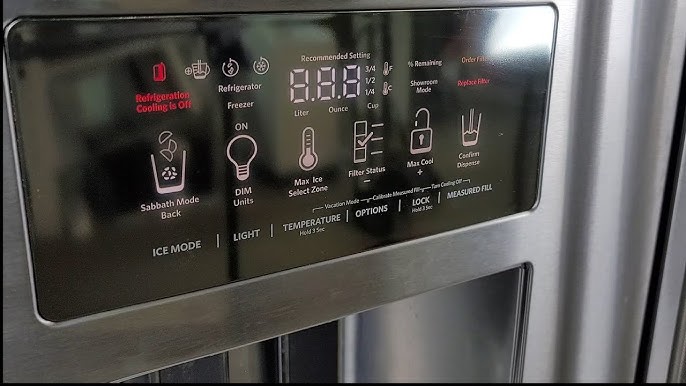
Common problems and what they mean
Most Kitchen Aid refrigerator troubleshooting begins with a few repeating issues. These include a warm fridge, excess frost, noisy operation, water leaks, and ice maker faults. Each symptom points to a small set of likely causes you can check quickly.
Common causes to consider
- Power or control settings that are wrong
- Dirty condenser coils reducing cooling
- Faulty door gaskets letting cold air escape
- Defrost system failures causing frost build-up
- Blocked vents or poor internal airflow
Personal note: I once diagnosed a warm Kitchen Aid refrigerator that only needed the condenser cleaned and the vents cleared. It saved the owner a service call and a replacement part.

Step-by-step Kitchen Aid refrigerator troubleshooting checklist
Follow this checklist from easiest to more advanced. Work from outside checks to internal parts.
Basic checks first
- Verify power and controls
- Ensure the unit is plugged in and the outlet works.
- Confirm temperature settings are correct for fridge and freezer.
- Inspect doors and seals
- Close a dollar bill in the door; if it slides out easily, the gasket may need replacement.
- Check airflow
- Remove items blocking vents in both compartments.
- Clean condenser coils
- Unplug the fridge and vacuum or brush the coils every 6–12 months.
Intermediate steps
- Empty and defrost if frost is heavy
- A manual defrost can fix many performance problems.
- Test the evaporator fan
- Listen for the fan when the compressor runs; no sound could mean a failed fan.
- Test the condenser fan and compressor
- Fans should run when compressor is on. If not, test for power at the fan.
When to call a pro
- Strange electrical smells, frequent cycling, or compressor issues.
- If multimeter tests reveal no power where there should be voltage.
I prefer to follow this exact order when doing Kitchen Aid refrigerator troubleshooting. It saves time and avoids unnecessary part swaps.
Diagnostic codes, lights, and what they tell you
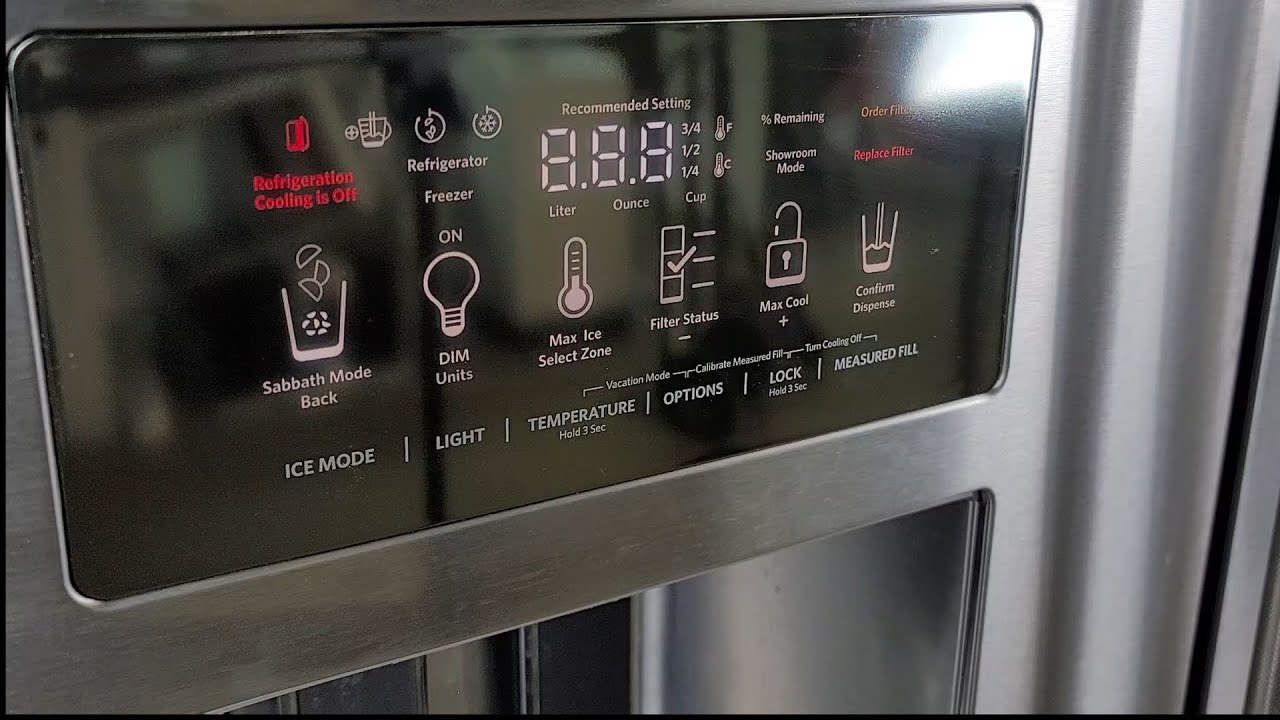
Many Kitchen Aid refrigerators display error codes or LED patterns. These codes make Kitchen Aid refrigerator troubleshooting faster.
Common indicators
- OE or E1-E5 style codes often point to water line or valve issues.
- F1, F2 codes usually show sensor or electronic control problems.
- Blinking lights may indicate a defrost or fan fault.
How to interpret and respond
- Note the exact code and look up the meaning in your user manual or service sheet.
- Reset the refrigerator by unplugging for 5 minutes, then observe if the code returns.
- Replace only the identified faulty module or sensor after testing.
Practical tip: I always take a photo of the error code and the control panel before trying resets. That helps if the problem reappears and you need parts.
Maintenance tips to prevent future problems
Good maintenance reduces the need for intensive Kitchen Aid refrigerator troubleshooting. These tasks are simple but effective.
Routine maintenance tasks
- Clean condenser coils every 6 months.
- Replace water filters per manufacturer guidelines, usually every 6 months.
- Check and clean door gaskets monthly with mild soap and water.
- Keep the fridge level so doors and dispensers seal properly.
- Vacuum the kick plate area to prevent dust buildup.
Seasonal care
- In humid months, check door seals more often.
- When you travel or store food, set controls to recommended levels to avoid freezer burn or spoilage.
From experience, a clean condenser coil alone improves cooling and can cut energy use. Small steps add up.
When to call a professional technician
Some problems need a trained technician. Knowing when to call saves time and prevents damage.
Call a pro for these issues
- Compressor failure or suspected sealed system leaks.
- Refrigerant repairs or any work requiring a refrigerant handling license.
- Complex electronic control board failures.
- Persistent electrical faults or burning smells.
What to expect from a service visit
- Proper diagnosis with tools like multimeters and pressure gauges.
- Clear estimate for parts and labor.
- Warranty-safe repairs when using authorized service.
I recommend getting a service estimate before approving work. It helps avoid surprises and ensures cost-effective repairs.
Parts and DIY repairs you can try safely
Many Kitchen Aid refrigerator troubleshooting tasks are safe for a homeowner. Use caution and unplug the appliance first.
DIY tasks you can try
- Replace door gaskets following the user guide.
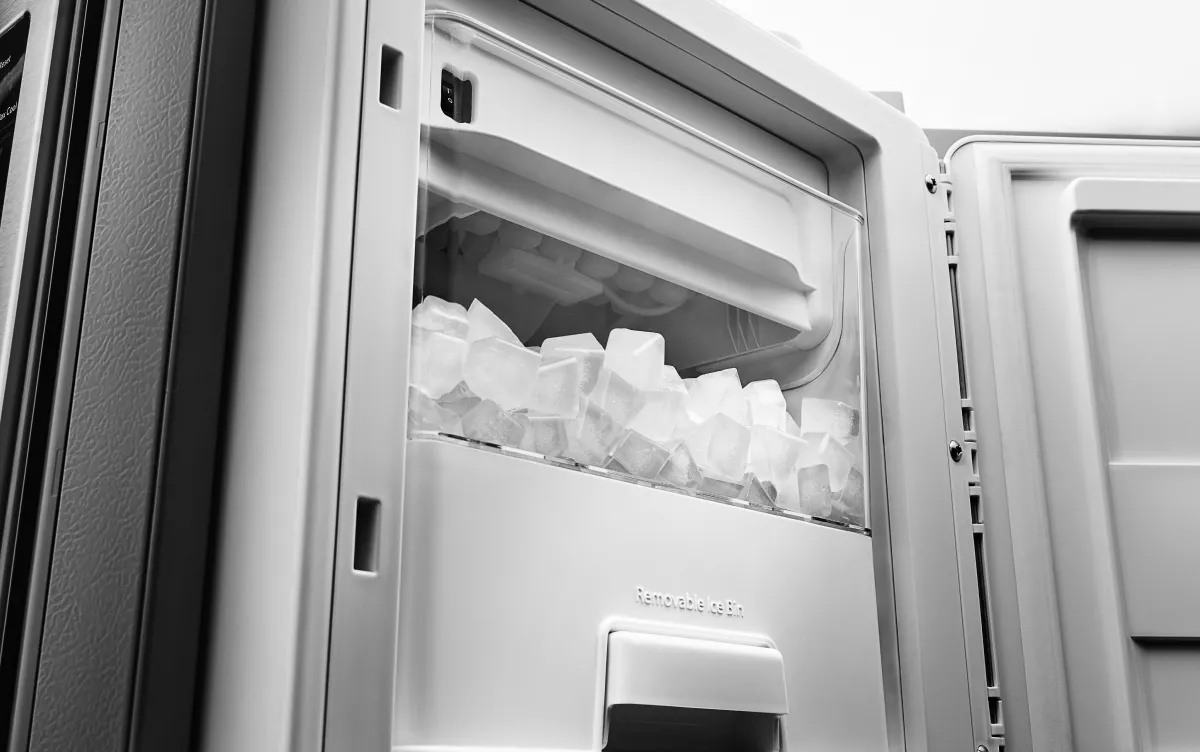
- Swap a water filter or clogged ice maker fill tube.
- Clean and inspect evaporator and condenser fans.
- Replace a defective thermostat or temperature sensor if you can test and match parts.
Parts to leave to pros
- Compressor and sealed system components
- Refrigerant handling and brazing
- Complex control board replacements without diagnostics
A quick success story: I replaced a noisy evaporator fan motor at home. It took under an hour and fixed the noise and cooling issue. Always follow safety advice and verify part compatibility.
Energy use and performance optimization
Optimizing performance reduces energy costs and keeps your fridge healthy. Good Kitchen Aid refrigerator troubleshooting includes prevention and efficiency.
Energy and performance tips
- Set the fridge at 37–40°F and the freezer at 0°F for best balance.
- Keep the fridge 70% full for stable temperatures, but avoid blocking vents.
- Ensure good ventilation around the appliance by leaving adequate clearance.
- Replace old gaskets and seals to prevent air leaks and wasted energy.
Long-term savings tip: Upgrading to energy-efficient models is worth considering if repair costs are high. Compare estimated energy savings before deciding.
People also ask — quick Kitchen Aid refrigerator troubleshooting Q&A
Q: Why is my Kitchen Aid refrigerator warm but the freezer is cold?
A: This often means the evaporator fan or airflow between compartments is blocked. Check vents, defrost frost buildup, and test the evaporator fan.
Q: How do I reset my Kitchen Aid refrigerator?
A: Unplug the fridge for 5 minutes or flip the circuit breaker. Some models have a control panel reset sequence in the manual.
Q: Why is my ice maker not making ice after a filter change?
A: The water valve may need time to refill the line, or the filter may not be seated correctly. Check the water line and ensure the filter is installed properly.
Q: What causes frost to form in the fresh-food compartment?
A: A failing door gasket, frequent door openings, or a defrost system fault can cause frost. Inspect seals and run a manual defrost to test.
Q: Can I clean condenser coils myself?
A: Yes. Unplug the unit and use a vacuum and brush to clean coils every 6–12 months. This improves cooling and energy use.
Frequently Asked Questions of Kitchen Aid Refrigerator Troubleshooting
How do I tell if the compressor is working?
If the compressor hums and you feel slight vibration at the back, it’s running. If it’s silent and the fridge is warm, you likely have a compressor or start device issue.
Why does the refrigerator run constantly?
A clogged condenser, a bad door seal, or frequent door openings can force continuous running. Check coils, gaskets, and internal airflow before calling for service.
What should I do for a leaking fridge?
First, check the drain pan and defrost drain for blockages. Inspect water lines and the water inlet valve for cracks or loose fittings.
How long should a Kitchen Aid refrigerator last?
With good care, many models last 10–15 years. Regular maintenance and prompt troubleshooting extend service life.
Is it OK to unplug the fridge to reset it?
Yes, unplugging for 5 minutes is a safe reset method. Make sure perishable food is handled carefully during any extended power-off.
Conclusion
Kitchen Aid refrigerator troubleshooting is usually straightforward if you follow a clear process: check power, inspect seals and airflow, clean coils, and use diagnostics before replacing parts. Small maintenance steps prevent most problems and save money. Start with the easy checks in this guide, and call a qualified technician for sealed system or electrical issues. Try these tips today, and leave a comment with your model and symptom if you’d like personalized help.

