

Most KitchenAid refrigerator issues are fixable with simple checks and basic maintenance.
I have spent years repairing and advising on appliances, and I know how small fixes stop big headaches. This guide on Kitchenaid Refrigerator Troubleshooting walks you through common faults, practical tests, and real fixes. You will get clear steps, safety tips, tool lists, and honest signals for when to call a pro. Read on to save time, avoid food loss, and keep your fridge running well.

36% off Today’s Exclusive Deals
Limited-time Exclusive Deals. Check current discount on Amazon.
Check Price on Amazon As an Amazon Associate I earn from qualifying purchases.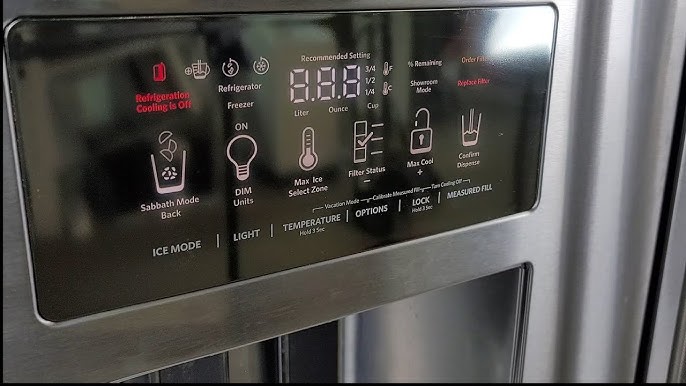
Common problems and quick checks
KitchenAid refrigerators can show many symptoms. Each symptom has fast checks you can do at home. Start here to narrow down the cause.
- Not cooling: Check temperature settings and door seals. Make sure vents are clear.
- Freezing items in fridge: Test the thermostat and damper control.
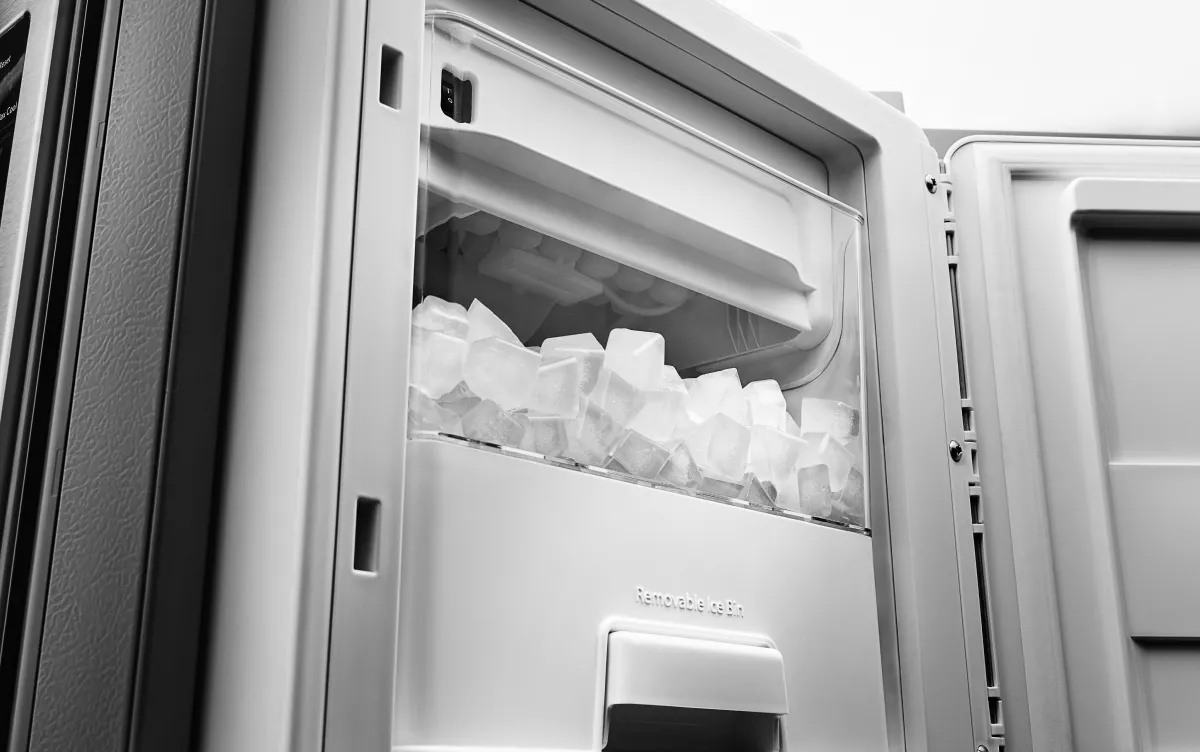
- Excess ice or no ice: Inspect the ice maker and water line.
- Water leaks: Look at the drain pan, water inlet, and door gaskets.
- Loud noises: Note where the sound comes from. Condenser fan, evaporator fan, or compressor may be to blame.
Why these checks help. Simple issues like a dirty condenser coil or blocked vent cause many problems. You will often fix a fault in minutes. This is the first step in any Kitchenaid Refrigerator Troubleshooting process.
Step-by-step troubleshooting guide
Follow step-by-step tests tailored to specific symptoms. Work safely. Unplug before touching electrical parts.
- Not cooling at all
- Check power. Ensure the unit is plugged in and the breaker is on.
- Confirm temperature settings. Fridge should be 37°F to 40°F. Freezer should be 0°F to 5°F.
- Inspect condenser coils. Clean if dusty. Dirty coils reduce cooling.
- Test condenser fan. Spin it by hand with power off. Replace if seized.
- Fridge runs but is too warm
- Check airflow. Move food away from vents.
- Check door seals. Close a dollar bill in the door; it should hold with light resistance.
- Inspect evaporator fan. Listen with door open; fan should run when compressor runs.
- Test start relay. A failing relay can let the compressor run poorly.
- Freezer or fridge too cold
- Check thermostat setting. Turn up slightly and wait 24 hours.
- Inspect damper control. If stuck open, cold air floods fridge.
- Replace temperature sensor if faulty.
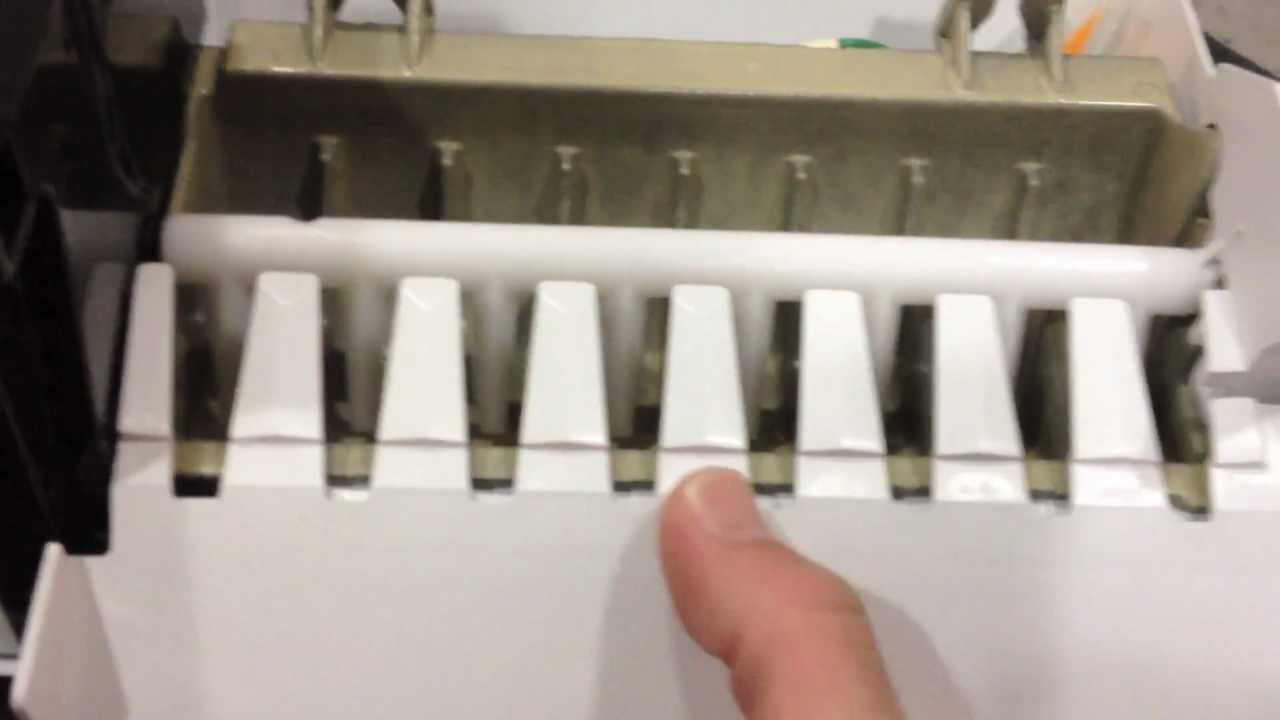
- Ice maker not making ice
- Verify water supply. Ensure valve is on.
- Inspect fill tube. Clear ice blockages with warm water.
- Test water inlet valve. Check for continuity with a multimeter.
- Reset ice maker using the switch or control panel.
- Water dispenser problems
- Run water through dispenser. Listen for valve click.
- Check filter. Replace clogged filter per schedule.
- Inspect dispenser actuator and switch.
- Strange noises
- Rattling: Tighten loose items and check drip pan.
- Buzzing: Likely compressor or inverter board — note frequency and duration.
- Clicking: Could be start relay or compressor overload.
- Squealing: Check fan motor bearings.
- Leaks and puddles
- Check door gaskets for cracks or deformation.
- Unclog defrost drain. Use warm water and a turkey baster to flush the drain line.
- Inspect drain pan position and condition.
- Lights and control errors
- Reset control panel by unplugging for 5 minutes.
- Replace LED module if lights are out but fridge runs.
- For error codes, record the code and model. Use the manual or service guide during diagnosis.
Throughout these steps, document what you test and the result. This helps if you need technician support. These methods are core to Kitchenaid Refrigerator Troubleshooting and will solve many common faults.

Tools and parts you'll likely need
A few affordable tools cover most fixes. Keep safety gear on hand.
- Multimeter: For voltage and continuity checks.
- Nut driver and screwdriver set: For panels and fasteners.
- Coil brush and vacuum: To clean condenser coils.
- Hair dryer or heat gun: For defrosting small ice blockages.
- Replacement parts: Door gaskets, water filter, start relay, evaporator fan motor, defrost thermostat.
- Safety gear: Gloves and safety glasses.
Parts selection tips. Match the model number on the fridge to any replacement part. Using the wrong part wastes time and can cause more damage. Keep receipts and part numbers for warranty claims.
When to call a professional
Some issues are safe to fix at home. Others need a trained technician.
- Call a pro if the compressor fails or if refrigerant needs recharging. Handling refrigerant requires certification.
- Call if you see electrical burning smells or smoke.
- Call if diagnostic tests show no power to compressor despite proper voltage.
- Call if you are uncomfortable with any internal electrical work.
Be ready for the service call. Note model number, full symptom list, and what you already tried. This helps the technician arrive prepared and lowers repair time.
Preventive maintenance and care
Prevention keeps problems away. Simple routines extend life and efficiency.
- Clean coils twice a year. Dust reduces airflow and raises energy use.
- Replace water filter every 6 months. Old filters clog and affect ice quality.
- Check door seals monthly. Soft cloth and mild soap keep seals flexible.
- Keep fridge 1–2 inches from wall for airflow. Blocked airflow causes heat buildup.
- Rotate and organize food. Avoid blocking vents to maintain even cooling.
Small habits prevent big issues. I once fixed weekly cooling dips by moving a tall casserole away from a vent. Problem solved in seconds.
Troubleshooting examples and real-life fixes
Real cases make troubleshooting clear. Here are two short stories from my repair experience.
- Case 1: No cooling after power outage. Symptom was compressor clicking. I replaced a failed start relay. Fridge cooled within an hour. Lesson: relays fail after rough starts.
- Case 2: Ice maker overflowed. Symptom was puddles under the freezer. The fill tube had a partial ice plug. I warmed the tube and reset the ice maker. No costly parts needed. Lesson: simple blockages cause odd leaks.
Practical tips from the field. Always check simple fixes first. A small part swap often beats a long repair.
Frequently Asked Questions of Kitchenaid Refrigerator Troubleshooting
Why is my KitchenAid refrigerator not cooling but the light is on?
Check the condenser coils and airflow first. If coils are dirty or vents blocked, cooling drops even if lights work.
How often should I replace the water filter in a KitchenAid refrigerator?
Replace the filter every six months for best water and ice quality. Replace sooner if water flow slows or taste changes.
My fridge is noisy after moving. What should I do?
Level the fridge on a flat floor and check that the condenser fan and drip pan are secure. Loose parts often cause new noises.
Can I fix a leaking refrigerator myself?
Sometimes. Unclogging the defrost drain or replacing a door gasket are doable. Call a pro for refrigerant or major electrical issues.
What does it mean if the compressor runs continuously?
Continuous run can mean poor heat rejection from dirty coils, a failing thermostat, or a low refrigerant charge. Start with coil cleaning and temperature checks.
Conclusion
Kitchenaid Refrigerator Troubleshooting is a mix of quick checks, small repairs, and good habits. Tackle simple tests first. Clean coils, check seals, and confirm settings. Keep a small tool kit and the model number handy. When problems need specialist care, call a certified technician. Start with the steps here and you will save time and reduce food loss. Try one fix today, track the result, and leave a comment about your outcome or question.

