

Most GE Profile refrigerator problems can be diagnosed with simple checks and basic tools.
I have worked on dozens of refrigerators and studied manufacturer guides closely. This article explains Ge Profile Refrigerator Troubleshooting in clear steps. You will learn how to spot common symptoms, run safe tests, and decide when to repair or replace parts. I share hands-on tips from real repairs and clear explanations so you can fix issues or speak knowledgeably with a technician.

36% off Today’s Exclusive Deals
Limited-time Exclusive Deals. Check current discount on Amazon.
Check Price on Amazon As an Amazon Associate I earn from qualifying purchases.
Common symptoms and quick checks for Ge Profile Refrigerator Troubleshooting
Start with simple checks. A lot of problems have easy fixes. Use these quick checks first.
- Fridge not cooling
- Check thermometer in fridge and freezer. Confirm both temps are off.
- Loud or unusual noises
- Listen near the back for fan or compressor noise.
- Water leaks or puddles
- Inspect door gaskets and drain pan. Look for ice or blocked drain.
- Ice maker or dispenser not working
- Check water supply and filter. Make sure ice maker is turned on.
- Excess frost or freezing food
- Inspect door seals and defrost cycle function.
These quick checks cover the most common reasons people search for Ge Profile Refrigerator Troubleshooting. Often you can rule out simple causes in minutes.

Step-by-step diagnostic guide for Ge Profile Refrigerator Troubleshooting
Follow a clear order to save time and money. Work from easy to harder checks.
- Power and settings
- Confirm the unit has power. Check control panel settings and temp set points.
- Visual inspection
- Look for frost, leaks, or loose panels. Smell for burning or coolant odor.
- Airflow check
- Ensure vents are not blocked by food. Leave 1–2 inches of clearance in drawers.
- Fan operation
- Open the fridge and freezer. Listen for evaporator and condenser fans. Fans should run when compressor runs.
- Condenser coil check
- Unplug the unit. Clean dusty coils with a soft brush or vacuum.
- Temperature sensor test
- Use a multimeter to test thermistor resistance. Compare to service values in the manual.
- Compressor and relay test
- Check if compressor runs and if start relay clicks. A hot or silent compressor may indicate a bad relay or compressor failure.
- Defrost system check
- If frost builds on the evaporator, test defrost heater and timer or control board.
Work methodically and log what you find. This makes Ge Profile Refrigerator Troubleshooting easier for you or a tech.
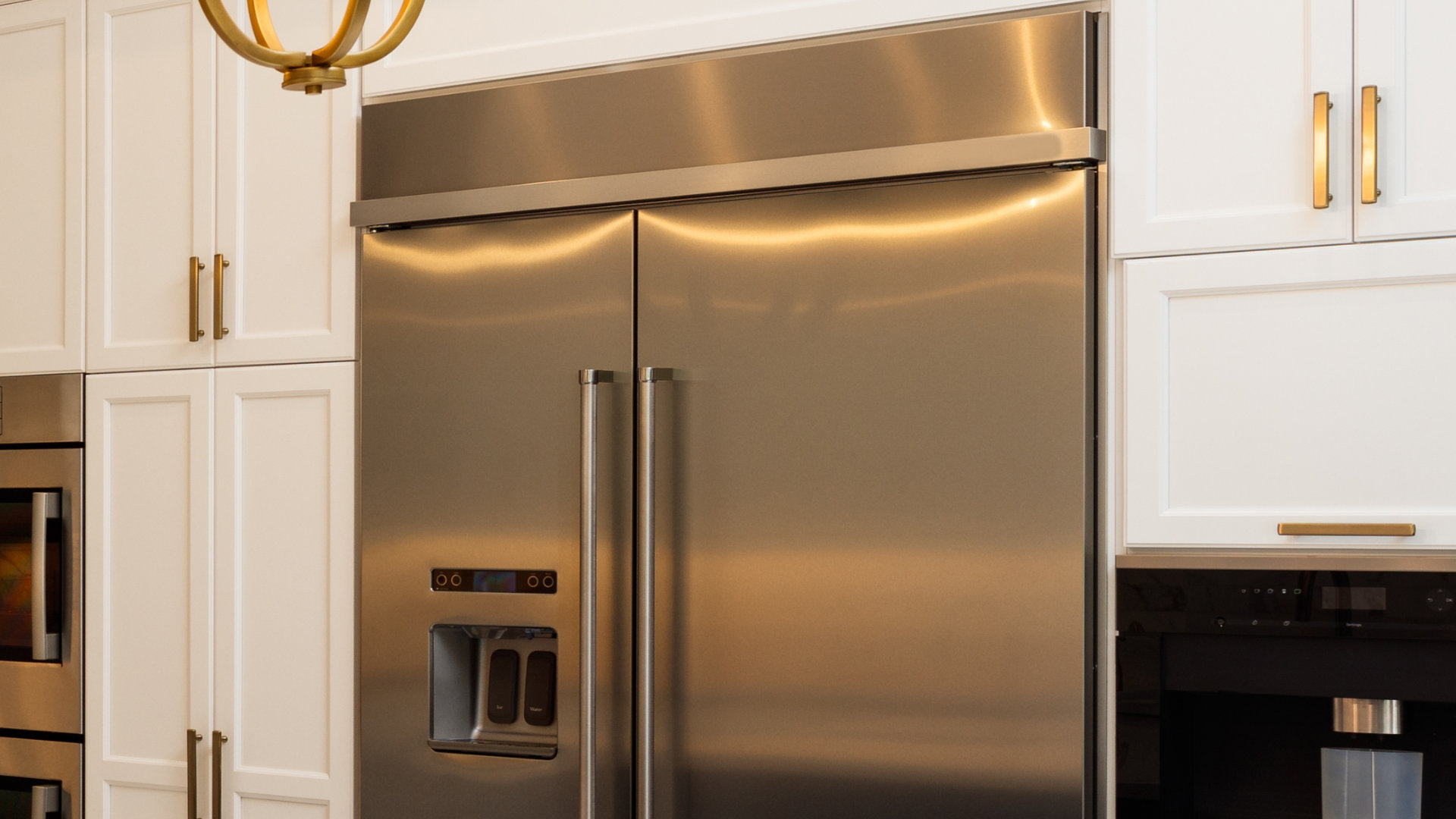
Common parts that fail and how to test them in Ge Profile Refrigerator Troubleshooting
Knowing the parts helps. Here are the parts that fail most often.
- Evaporator fan motor
- Symptom: no cold air circulation in the freezer. Test by listening and gently spinning the fan. Replace if noisy or not running.
- Condenser fan motor
- Symptom: unit runs hot or cycles often. Test by checking if fan spins freely and runs with compressor.
- Start relay and overload
- Symptom: compressor won't start or hums loudly. Swap relay with a known good part or test with a multimeter.
- Thermistor / temperature sensor
- Symptom: incorrect temps or short cycles. Test resistance at different temps and compare to specs.
- Defrost heater and thermostat
- Symptom: frost buildup. Test continuity on the heater and defrost thermostat.
- Door gaskets
- Symptom: warm edges or frost at seal. Inspect for gaps and clean or replace if worn.
- Water inlet valve
- Symptom: no water to dispenser or ice maker. Test for voltage and leaks when dispensing.
- Ice maker assembly
- Symptom: no ice or continuous cycling. Test power to the motor and fill chamber.
I once replaced a thermistor that caused a GE Profile to run hot. The diagnosis took 20 minutes. I saved the owner the cost of a compressor replacement by running simple tests first.

Error codes, control board issues, and resets for Ge Profile Refrigerator Troubleshooting
Some GE Profile models show error codes. These codes can point to sensors or boards.
- How to read codes
- Check the display and count flashes or letters. Refer to the model’s service chart.
- Common codes
- Sensor faults, defrost errors, and communication faults show up most often.
- Soft reset steps
- Unplug the refrigerator for 60 seconds. Plug it back and observe if codes clear.
- Control board failures
- Symptoms include erratic behavior or repeated codes after reset. Inspect for burnt components or loose connectors.
- When to replace controls
- Replace boards only after testing sensors and relays. Boards can be expensive.
A methodical reset and code read often solves mystery issues. If codes persist, document them before calling a technician.

Repair vs replace: making smart choices in Ge Profile Refrigerator Troubleshooting
Decide with facts. Age, cost, and part availability guide you.
- Age rule of thumb
- If the unit is under 8 years, repairs are often worth it. Over 12 years, replacement may be wiser.
- Cost comparison
- Compare part and labor estimates to the unit’s value. Compressor and sealed system repairs are usually the most costly.
- Warranty and service plans
- Check if parts are under warranty or if you have a service plan.
- Safety and refrigerant laws
- Sealed system work requires certified techs because of refrigerant handling rules.
I advised a client to replace a 15-year-old GE Profile after a compressor failure. The repair would have been costly and less energy efficient than a new unit.

Maintenance tips to prevent issues in Ge Profile Refrigerator Troubleshooting
Good care prevents many calls. Use simple habits to avoid failures.
- Clean coils twice a year
- Dust slows heat transfer and forces the compressor to work harder.
- Check door seals monthly
- Clean and test gaskets to keep seals tight.
- Keep vents clear
- Don’t block airflow inside the fridge or freezer.
- Replace water filter on schedule
- A clogged filter reduces flow and strains the inlet valve.
- Defrost as needed
- Manual-defrost models need regular thawing to avoid ice build-up.
- Level the unit
- A level fridge ensures proper door closing and water drainage.
A small routine can double a refrigerator’s life and reduce emergency repairs.
When to call a technician and safety tips for Ge Profile Refrigerator Troubleshooting
Know your limits. Some tasks need a pro.
- Call a technician if:
- You smell refrigerant or burning. This needs immediate expert help.
- The compressor is hot and silent. Compressor or sealed system work is complex.
- You need sealed system repairs. Only certified techs can handle refrigerant.
- Safety tips for DIY
- Unplug the appliance before tests. Use insulated tools and follow the manual.
- Avoid trimming wires or replacing sealed parts without training.
- What to tell the tech
- Share your diagnostic steps, error codes, and observations. This saves time and cost.
I recommend documenting tests and photos before the service call. Techs value the details and often diagnose faster.

Frequently Asked Questions of Ge Profile Refrigerator Troubleshooting
Why is my GE Profile refrigerator not cooling?
Check power, temperature settings, and airflow first. If fans run but temps stay high, test the compressor, relay, and condenser coils.
How do I reset my GE Profile refrigerator?
Unplug the unit for 60 seconds or use the control pad reset sequence in the user manual. If problems persist, check error codes and sensors.
What causes frost build-up in GE Profile freezers?
Frost often results from failed defrost heater, defrost thermostat, or a faulty door gasket. Inspect the evaporator for ice and test defrost components.
How long should a GE Profile refrigerator last?
Most last 10 to 15 years with good care. Proper maintenance can extend life and avoid premature failures.
Can I replace the water inlet valve myself?
Yes, if you are comfortable with basic tools and shut off the water first. Test for voltage and leaks; otherwise call a technician.
What does a loud humming noise mean?
A humming sound often comes from the compressor or start relay. If the sound is new or the unit cycles frequently, test the relay and fan motors.
Conclusion
Ge Profile Refrigerator Troubleshooting is doable with the right steps. Start with simple checks, then move to tests for fans, sensors, and relays. Keep maintenance routines and document problems before you call a pro. Use the advice here to save time and money, and to speak confidently with a technician. Try these steps, subscribe for more appliance guides, or leave a comment with your model and symptom for tailored help.

