

Electrolux Refrigerator Troubleshooting: start with power, temperature, door seal, coils, and defrost checks.
I have spent years diagnosing and fixing kitchen appliances, and Electrolux Refrigerator Troubleshooting is a topic I know well. This guide walks you through clear causes, safe checks, and practical fixes for common Electrolux fridge issues. Read on to learn step-by-step troubleshooting, real-world tips from hands-on experience, and when to call a pro to save time and money.

36% off Today’s Exclusive Deals
Limited-time Exclusive Deals. Check current discount on Amazon.
Check Price on Amazon As an Amazon Associate I earn from qualifying purchases.
Common Electrolux Refrigerator Problems and Causes
Electrolux Refrigerator Troubleshooting begins with knowing the usual problems. Knowing causes lets you fix issues fast. Below are common faults and why they happen.
- Not cooling or warm fridge
- Faulty thermostat, blocked vents, dirty coils, or compressor issues can cause this.
- Freezer frost or ice buildup
- Failed defrost timer, defrost heater, or blocked drain often leads to frost.
- Water leaks or puddles
- Clogged drain tube, damaged water inlet, or loose connections cause leaks.
- Loud or unusual noises
- Fan motor, compressor, or a loose panel often makes noise.
- Ice maker not making ice
- Water supply, fill valve, or ice maker module can be the culprit.
- Door seal or gasket problems
- Worn or dirty gaskets let cold air escape and force the fridge to work harder.
- Temperature fluctuations
- Bad sensors, unstable power, or blocked airflow can cause swings.
I once fixed an Electrolux fridge that seemed dead. It was simply a tripped GFCI outlet. Small checks often avoid big repairs.
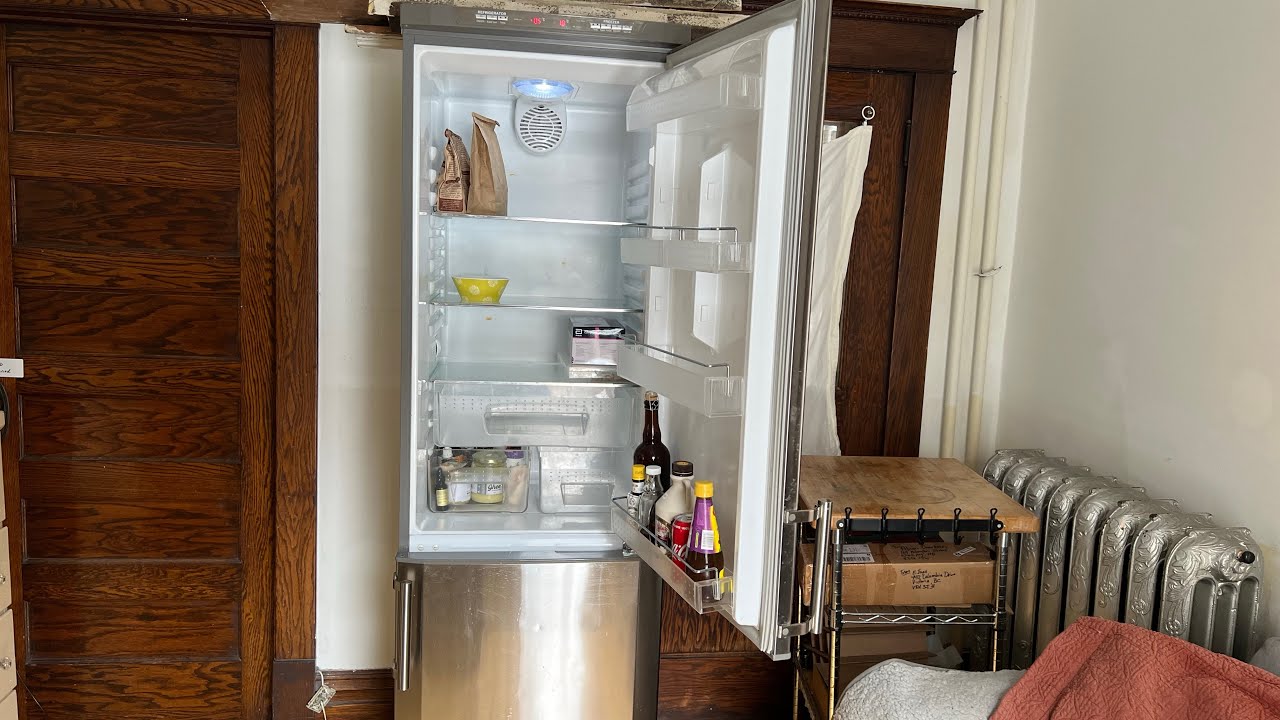
Step-by-Step Troubleshooting Guide
Follow a simple, safe order to find the problem. This helps avoid wasted time and parts.
- Safety first
- Unplug the fridge before working on electrical parts.
- Wear gloves for sharp edges and safety glasses for debris.
- Check power and controls
- Confirm the fridge is plugged in and the outlet works.
- Verify the temperature setting is correct for fridge and freezer.
- Inspect the door and gasket
- Look for gaps, dirt, or wear on the door seal. Clean or replace if needed.
- Check airflow and vents
- Ensure no food or containers block vents inside the fridge and freezer.
- Clean condenser coils
- Dusty coils reduce cooling. Clean coils every 6–12 months.
- Listen for fan and compressor
- Evaporator fan should run when compressor is on. If not, test and replace if needed.
- Test defrost system
- Check for frost on evaporator. If heavy frost exists, troubleshoot defrost timer, heater, and thermostat.
- Inspect water system
- For leaks or no ice, check the inlet valve, water line, and filter.
- Use diagnostic codes
- Modern Electrolux models show error codes. Check your manual for meanings.
- Document findings
- Note sounds, smells, and visible damage. This helps if you call service.
Short checks can save you a service visit. I use a checklist when I troubleshoot to avoid missing small but important details.
How to Fix Specific Issues
Here are practical fixes for common Electrolux Refrigerator Troubleshooting scenarios. Use the right tools and follow safety advice.
Not cooling but compressor running
- Check condenser coils and clean them.
- Verify evaporator fan runs; replace motor if faulty.
- Test the start relay and overload protector; replace if they fail.
Freezer frost or ice buildup
- Defrost fridge manually by unplugging and removing food.
- Inspect and replace the defrost heater or thermostat if frost returns quickly.
- Clear the drain tube and valley to ensure melt water flows out.
Water leaks from fridge or under drawer
- Clean or unclog the drain tube and pan.
- Tighten or replace water inlet connections.
- Check the water filter housing and replace the filter if cracked.
Ice maker not producing ice
- Confirm water supply and valve operation.
- Reset or replace the ice maker module.
- Replace the water inlet valve if it does not open.
Loud humming or clicking noises
- Tighten loose panels or loose parts.
- Replace a failing evaporator fan or condenser fan.
- If compressor noise is unusual, call a certified technician.
Door not sealing well
- Clean the gasket with warm soapy water.
- Use a dollar bill to test the seal; replace the gasket if it slips out easily.
- Adjust door hinges if the door is misaligned.
For each repair, use basic tools: multimeter, screwdrivers, nut drivers, pliers, coil brush, and a wet/dry vacuum for drain cleaning. If you are unsure, stop and call a technician.

When to Call a Professional and Warranty Tips
Some Electrolux Refrigerator Troubleshooting tasks are best left to a pro. Know when to stop and call for help.
- Call a technician if the compressor is not running and you have checked power and relays.
- Call for refrigerant issues, sealed system leaks, or strange compressor noises.
- Contact Electrolux service if your fridge is under warranty before self-repair.
- Keep receipts and model/serial numbers handy for warranty claims and service calls.
- Get multiple quotes for out-of-warranty repairs and compare parts cost to replacement.
I once tried to repair a sealed system leak myself and had to call a pro. It cost more and took longer than calling service first. Save time by calling sooner for complex faults.

Maintenance Tips to Prevent Problems
Good maintenance reduces the need for Electrolux Refrigerator Troubleshooting. Do these easy tasks regularly.
- Clean condenser coils every 6 months.
- Replace water filter as recommended, usually every 6 months.
- Check door seals monthly and clean with warm water.
- Keep vents and air passages clear inside the fridge.
- Level the fridge so doors close properly.
- Empty drip pan and clean the drain hole when you see water.
- Avoid overloading shelves to ensure good airflow.
A small weekly habit keeps your fridge healthy and prevents most common failures.

Troubleshooting Checklist and Quick Reference
Use this short checklist when you face a problem. It is a fast way to find the likely cause.
- Power: Is the fridge plugged in and outlet live?
- Settings: Are the thermostat controls correct?
- Airflow: Are vents and ducts clear?
- Coils: Are the condenser coils clean?
- Fans: Do evaporator and condenser fans run?
- Defrost: Is there ice on the evaporator?
- Water: Is the water supply connected and valve open?
- Seals: Do doors close tightly?
- Codes: Are there diagnostic error codes on the display?
Keep this list posted near your fridge. It helps you act fast and avoid unnecessary repairs.

Frequently Asked Questions of Electrolux Refrigerator Troubleshooting
How do I reset my Electrolux refrigerator?
To reset most Electrolux models, unplug the unit for 5 minutes or use the control panel reset option if available. This clears minor electronic glitches and can reset error codes.
Why is my Electrolux freezer frosting up quickly?
Rapid frost build-up usually means a defrost system failure or a door seal issue that lets warm, moist air in. Check the gasket and test defrost components.
How often should I clean the condenser coils?
Clean condenser coils every 6 to 12 months to keep cooling efficient and prevent overheating. More frequent cleaning is needed in dusty or pet-friendly homes.
What causes my Electrolux ice maker to stop making ice?
Common causes include a blocked water line, a faulty inlet valve, or issues with the ice maker module. Check water flow and electrical connections first.
Is a noisy Electrolux refrigerator dangerous?
Noisy sounds are not usually dangerous, but they can signal failing fans, loose parts, or compressor issues. If noise is loud or changes suddenly, inspect or call a technician.
Can I replace the gasket myself?
Yes, you can replace a gasket yourself if you follow the model guide and align the new seal correctly. For warped doors or complex fit issues, a pro can ensure a proper seal.
Conclusion
Electrolux Refrigerator Troubleshooting is simple when you follow a clear process: check power, airflow, coils, seals, and diagnostic codes in that order. Regular maintenance prevents most problems and keeps your fridge running well. Start with the easy checks I outlined and call a professional for sealed-system or electrical faults. Try the checklist, schedule routine care, and share your results or questions below — I’d love to help you troubleshoot further.

