

Most Kenmore 350 issues are fixable by cleaning salt, checking settings, and testing resin.
I’ve worked on water softeners for years, including many Kenmore models, and this guide delivers practical Kenmore 350 Water Softener Troubleshooting you can use today. I’ll explain how the unit works, the most common faults, step-by-step fixes, parts to check, and when to call a pro. Read on to get clear, friendly, and expert help for Kenmore 350 Water Softener Troubleshooting so you can restore soft water fast.
How the Kenmore 350 Water Softener Works
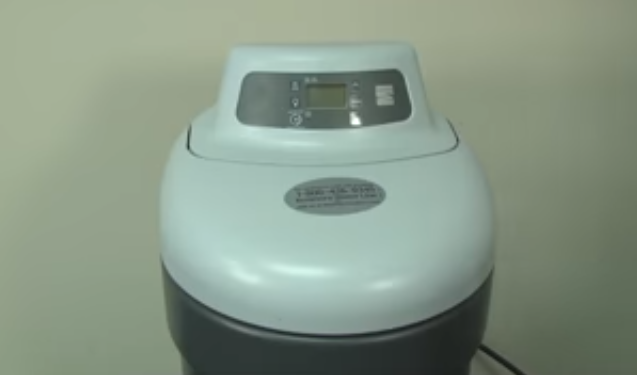
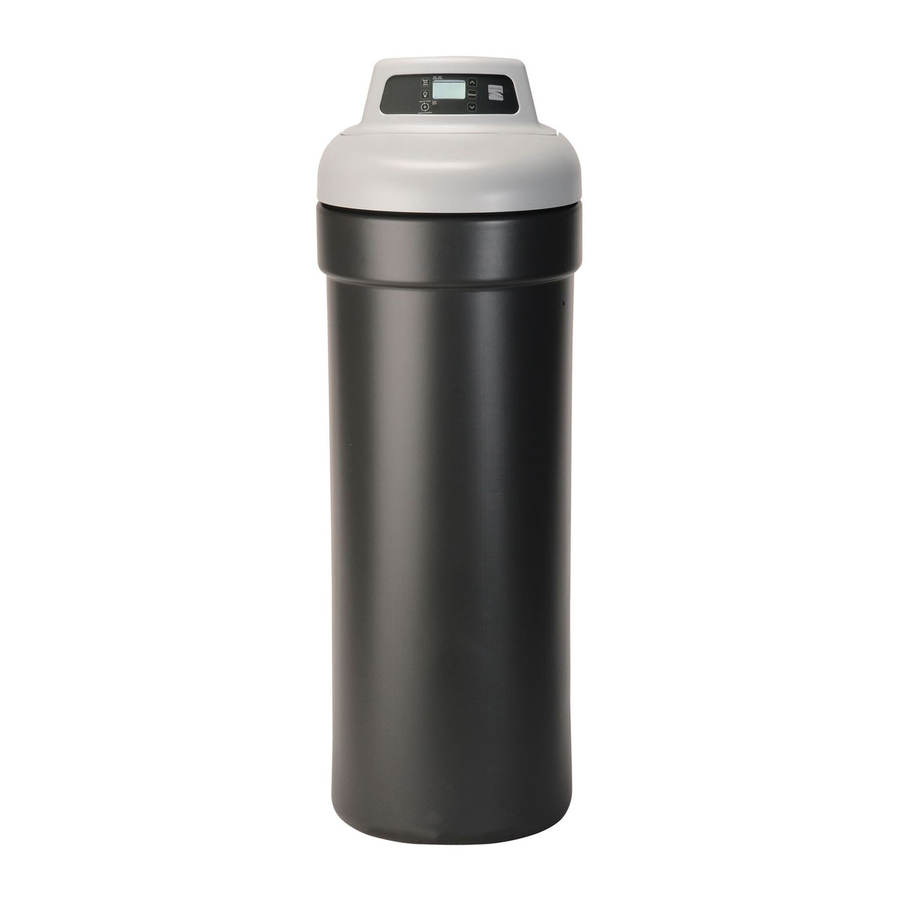
The Kenmore 350 uses ion-exchange resin to replace calcium and magnesium with sodium. It cycles through service and regeneration automatically on a timed or demand schedule. Key parts are the brine tank, resin tank, control valve, and timer. Knowing how each part works helps you diagnose issues quickly.
Common Problems and Step-by-Step Kenmore 350 Water Softener Troubleshooting
Here are the most common issues and clear steps to diagnose and fix them.
1. No soft water or reduced softening
Causes to check:
- Salt level too low in the brine tank.
- Salt bridge or hard crust blocking salt access.
- Exhausted or fouled resin bed.
- Incorrect cycle settings or a stuck control valve.
Troubleshooting steps:
- Inspect salt level and add high-purity softener salt if low.
- Probe the salt with a broom handle to feel for a bridge. Break any bridge carefully.
- Manually initiate a regeneration cycle and watch for proper fill and draw from the brine tank.
- Test water hardness before and after regeneration to confirm effect.
If hardness does not drop after a full regen, consider resin cleaning or replacement.
This approach to Kenmore 350 Water Softener Troubleshooting often resolves 80% of softening problems.
2. Salt bridging and mushing
What to do:
- Remove salt and clean the tank if a bridge forms.
- Check salt type: solar salt and pellet salt reduce bridging risk.
- Every 6–12 months, inspect tank for mushy sediment and vacuum or scoop it out.
Step-by-step:
- Empty the brine tank if bridging is severe.
- Break the crust and remove poor-quality salt.
- Refill with fresh salt and run a manual regen.
3. Unit not regenerating or stuck in regen
Common causes:
- Timer or control head failure.
- Power interruption or incorrect time setting.
- Clogged injector or brine line.
Fixes:
- Confirm the unit has power and clock settings match installation instructions.
- Clean injector and nozzle following the manual.
- If the control head is faulty, inspect error codes or replace the head.
4. Leaks and water around the unit
Possible sources:
- Loose fittings, cracked tanks, or failed seals.
- Overflow from brine tank due to float assembly failure.
Quick fixes:
- Tighten fittings and replace worn O-rings.
- Inspect the float and brine line for kinks or blockages.
- If the tank is cracked, plan for replacement; seals often fail over time.
5. Resin bed problems and fouling
Signs:
- Softening stops after a period of use.
- Resin feels slimy or discolored.
Actions:
- Use a resin cleaner safe for cation exchange resin.
- In severe cases, plan resin replacement. Resin typically lasts 10–15 years but depends on water quality.
Kenmore 350 Water Softener Troubleshooting like this will get you past most resin and regeneration issues.

Diagnostics and Tools Needed for Kenmore 350 Water Softener Troubleshooting
Having the right tools speeds diagnosis and prevents mistakes.
Essential tools:
- Water hardness test strips or a digital tester.
- Screwdrivers and adjustable wrench.
- Long rod or broom handle for checking salt bridges.
- Flashlight and bucket for tank work.
- Softener cleaner and protective gloves.
Diagnostic steps:
- Test incoming water hardness to set expectations.
- Inspect salt level and condition.
- Run a manual regeneration and listen for normal valve action.
- Check for error codes on the control head and note any unusual noises.
Practical tip from experience: keep a log of hardness readings and regen dates. It reveals trends and helps with future Kenmore 350 Water Softener Troubleshooting.
Repair, Replacement Parts, and When to Call a Pro
Parts to know:
- Control valve and timer: controls all cycles.
- Injector/nozzle assembly: can clog with sediment.
- Brine tank float and safety valve: prevents overflow.
- Resin media: the heart of softening.
- Seals, O-rings, and fittings: common wear items.
When to DIY:
- Salt bridging removal.
- Injector cleaning.
- Simple seal and O-ring replacement.
- Running manual regeneration and resetting settings.
When to call a pro:
- Control head or electronics failure.
- Resin replacement or tank swap.
- Complex leaks or plumbing modifications.
Cost expectations (rough estimates):
- Resin replacement: moderate to high cost depending on tank size.
- Control valve replacement: moderate.
- O-rings, injector kits, and floats: low cost.
Transparent pricing helps you decide when professional help makes sense for Kenmore 350 Water Softener Troubleshooting.

Maintenance Tips to Prevent Kenmore 350 Water Softener Troubleshooting
Routine care prevents most issues. Keep maintenance simple and regular.
Monthly checks:
- Check salt level and condition.
- Look for standing water or leaks.
Quarterly tasks:
- Inspect brine tank for sediment and clean if needed.
- Run a manual regen and confirm normal operation.
Annual tasks:
- Test water hardness and compare to previous results.
- Consider a resin cleaner if iron or organics are present.
- Replace worn seals and lubricate O-rings.
Salt choice and placement:
- Use high-purity pellet or solar salt for fewer clogs.
- Store salt in a dry place to avoid clumping.
From my experience, a quick monthly glance prevents half the service calls. Simple habits are the best Kenmore 350 Water Softener Troubleshooting strategy.

Quick PAA-Style Questions (People Also Ask)
Q: How often should a Kenmore 350 regenerate?
A: Typical settings are every 3–7 days depending on water use and hardness. Many homes run a timed regen weekly or a demand regen based on usage.
Q: Can I use any salt in a Kenmore 350?
A: Use softener-grade salt such as pellets or solar salt for best results. Avoid rock salt that contains more insoluble impurities.
Q: How long does resin last in a Kenmore 350?
A: Resin often lasts 10–15 years, but iron, chlorine, and organics shorten its life. Regular testing helps time resin replacement.
Frequently Asked Questions of Kenmore 350 Water Softener Troubleshooting
What should I check first when the Kenmore 350 stops softening?
First check the salt level and look for a salt bridge. Next, run a manual regeneration and test water hardness before and after.
Why is my brine tank overflowing?
Overflow often means a stuck or misadjusted float, a kinked brine line, or a clogged drain. Inspect the float assembly and clear any blockages quickly.
How do I know if the resin needs to be replaced?
If multiple regenerations do not reduce hardness, or the resin is fouled or discolored, plan for replacement. A professional test can confirm resin health.
Can I reset the control head myself?
Yes, you can reset basic settings and clock functions following the manual. For electronic failures or persistent errors, consult a technician.
How often should I clean the injector and nozzle?
Clean the injector and nozzle at least once a year or sooner if you see erratic regeneration. Iron in water increases the cleaning frequency.
Conclusion
Kenmore 350 Water Softener Troubleshooting is mainly about routine checks, simple repairs, and knowing when to call a pro. Start with salt level, check for bridging, run a manual regen, and test hardness to narrow the issue. Small habits—monthly checks and yearly cleaning—save time and money. Try the steps here, keep notes, and if a repair feels beyond your comfort zone, get a certified technician to help. If this guide helped, subscribe for more troubleshooting tips or leave a comment with your Kenmore 350 story.
