

Most Pentair pump issues are simple fixes: check power, seals, and debris first.
I have spent years servicing and troubleshooting Pentair pool pumps. This guide on Pentair Pool Pump Troubleshooting will walk you through causes, step-by-step fixes, safety checks, parts, and smart maintenance. Read on to learn clear, practical steps you can use today to diagnose and resolve common Pentair pump problems with confidence.

36% off Today’s Exclusive Deals
Limited-time Exclusive Deals. Check current discount on Amazon.
Check Price on Amazon As an Amazon Associate I earn from qualifying purchases.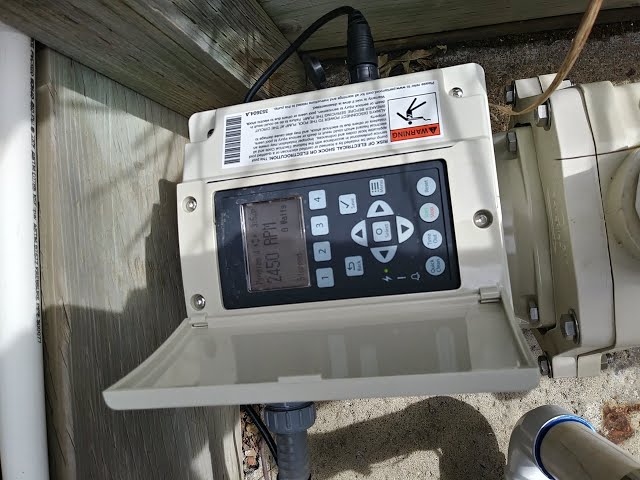
Common Pentair Pool Pump Problems and Causes
Pentair Pool Pump Troubleshooting starts with knowing common signs. Typical issues include no power, low flow, strange noises, leaks, and overheating. Each sign points to a small set of likely causes.
Common causes to consider
- Motor or electrical faults causing no start
- Clogged basket, impeller, or plumbing causing low flow
- Worn mechanical seals or O-rings causing leaks
- Cavitation or air leaks causing whining or rattling
- Overheating from blocked vents or a failing capacitor
Why these issues happen
- Age and wear slowly wear seals and bearings.
- Debris and leaves block flow and stress the motor.
- Poor install or loose unions allow air in the system.
- Power spikes or bad wiring damage capacitors and motors.
From my experience, most Pentair pump problems are caught by a quick visual check and a simple cleaning. Pentair Pool Pump Troubleshooting becomes faster the more you inspect regularly.
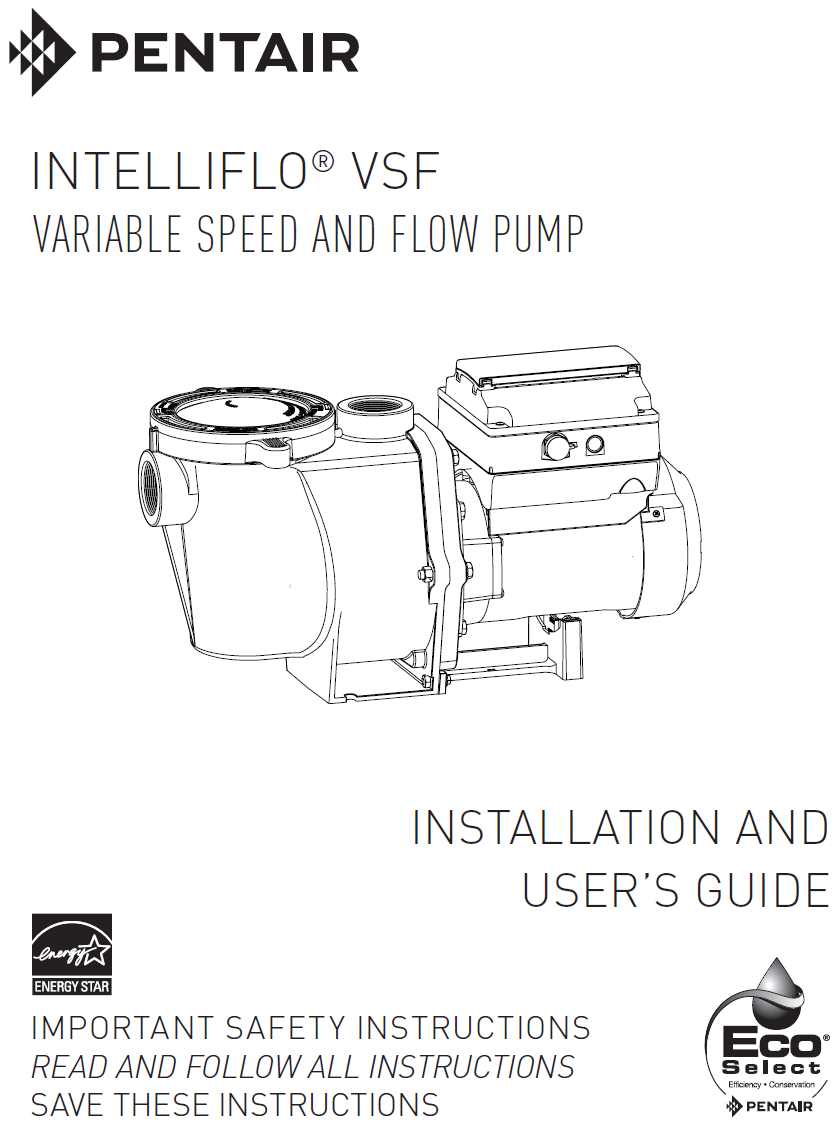
Step-by-step Pentair Pool Pump Troubleshooting Guide
Follow these steps to diagnose most issues. Work slowly and keep safety first. Turn off power at the breaker before touching electrical parts.
- Visual and sound check
- Look for leaks, water on the floor, or rust.
- Listen for humming, grinding, or rattling.
- Smell for burnt or plastic odors.
- Check power and timer
- Confirm breaker and GFCI are on.
- Test outlet or line voltage with a multimeter.
- Bypass timers to rule out automation faults.
- Inspect the pump basket and skimmer
- Turn off power and open the pump lid.
- Remove debris from the strainer basket.
- Check the pump lid o-ring for cracks or grime.
- Test prime and suction
- Make sure the pool water level is above the skimmer.
- Look for air bubbles at the pump inlet while running.
- Tighten unions and replace damaged o-rings.
- Clean the impeller
- If flow is weak after cleaning the basket, the impeller may be clogged.
- Remove the pump housing per manual and clear debris.
- Reassemble carefully, ensuring seals seat correctly.
- Check capacitor and start device
- Humming with no spin often means a bad start capacitor.
- A multimeter with capacitance check will confirm.
- Replace only with the correct rated part.
- Inspect motor bearings and shaft
- Grinding or screeching usually means bad bearings.
- Bearings can sometimes be replaced, but often motor swap is more cost-effective.
- Test for leaks around seals
- Look where the motor meets the wet end for signs of oil or water.
- Mechanical seal leaks usually mean disassembly and seal replacement.
- Check for overheating
- Feel vents with power off: they should be free of heavy debris.
- Overheating can result from blocked vents or a stuck rotor.
- Confirm pump curve and system balance
- If pump runs but pool circulation is poor, check filter pressure and valves.
- A closed valve, dirty filter, or too-narrow plumbing can reduce flow.
I recommend keeping a simple toolkit: multimeter, screwdrivers, channel-lock pliers, replacement o-rings, a new lid o-ring, and a spare start capacitor. Those tools solve many Pentair Pool Pump Troubleshooting tasks in one visit.

Maintenance Tips to Prevent Future Issues
Routine care cuts down on surprises. A little maintenance goes a long way in Pentair Pool Pump Troubleshooting.
Weekly checks
- Clear baskets and skimmer nets.
- Confirm normal filter pressure and flow.
- Look for leaks or wet spots.
Monthly tasks
- Inspect and lightly lubricate the lid o-ring.
- Clean debris from motor vents.
- Check unions and clamps for tight fit.
Annual service
- Replace the pump lid o-ring and any worn seals.
- Test the capacitor and wiring for wear.
- Service or swap motor bearings if noisy.
Best habits I learned on the job
- Keep spare o-rings and a replacement capacitor on hand.
- Write a short log for pump hours and any repairs.
- Match replacement parts by model number for best fit.
These routines reduce the time you spend on Pentair Pool Pump Troubleshooting later. Regular care also extends pump life and saves money.

When to Repair vs Replace a Pentair Pump
Deciding to repair or replace depends on age, cost, and efficiency. Use this quick guide to decide.
When to repair
- Minor leaks from seals or o-rings.
- Clogged impeller or dirty baskets.
- Bad capacitor or simple electrical fixes.
When to replace
- Motor bearings have failed and repair cost is high.
- Repeated failures after multiple repairs.
- Older models that use more power than new units.
Energy savings and rebates
- New high-efficiency Pentair pumps can cut electricity use.
- Check local rebates for variable-speed pump upgrades.
- Long term, a new efficient pump can pay back repair costs.
I once rebuilt an older Pentair pump twice in one season. After switching to a new efficient model, energy bills dropped and time spent on Pentair Pool Pump Troubleshooting fell to almost zero.
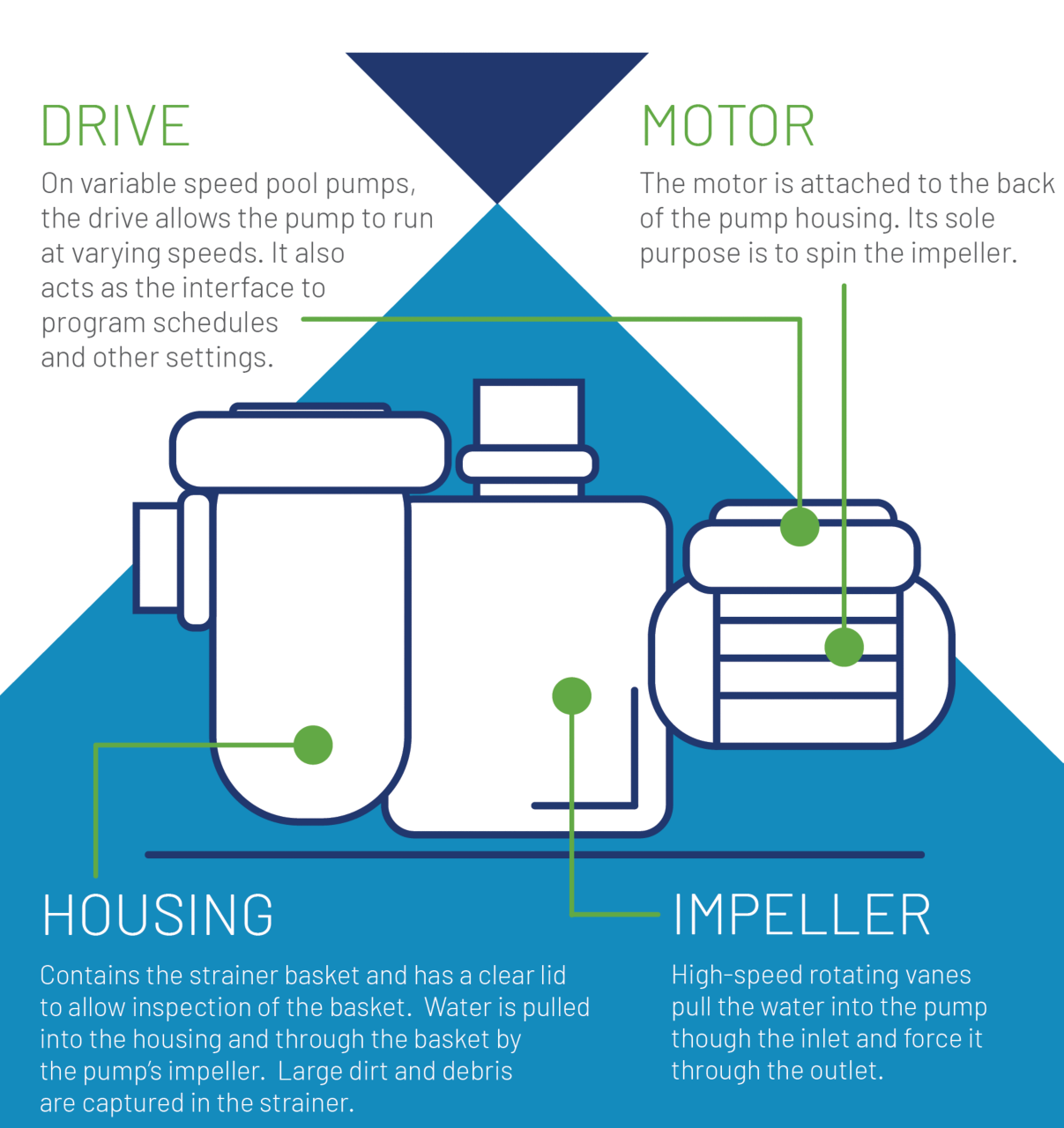
Parts, Tools, and Safety for Pentair Pool Pump Troubleshooting
Safety first. Always shut off power at the breaker and lock out service panels when working on the pump. Use insulated tools near live wiring only when absolutely necessary and trained.
Essential tools
- Multimeter with voltage and capacitance settings
- Screwdrivers and socket set
- Channel-lock pliers and hose clamp pliers
- O-ring picks and replacement o-rings
- Pump lid wrench and silicone grease
Common parts to keep
- Lid o-ring
- Mechanical seal kit
- Start and run capacitors
- Replacement impeller or basket
- Motor mounting hardware
Safety tips
- Never run the pump dry. It damages seals.
- Avoid water contact with electrical components.
- If unsure, call a licensed electrician for wiring checks.
Working safely makes Pentair Pool Pump Troubleshooting predictable and low risk. I always recommend personal protective equipment and following the pump manual.

Troubleshooting Scenarios and Real Solutions
Here are quick fixes for real situations I encounter often. Each scenario uses clear steps to solve the problem.
Scenario 1: Pump hums but won't start
- Cause: Bad start capacitor or stuck rotor.
- Fix: Test capacitor, replace if out of spec. Tap the rotor gently after power off to free a stuck shaft.
Scenario 2: Low flow despite pump running
- Cause: Clogged impeller, closed valve, or dirty filter.
- Fix: Clean baskets, backwash or clean filter, check valve positions, and inspect the impeller.
Scenario 3: Air in the pump basket
- Cause: Loose lid o-ring or suction-side leak.
- Fix: Replace lid o-ring, tighten fittings, and inspect suction lines for cracks.
Scenario 4: Leaking at motor shaft
- Cause: Failed mechanical seal.
- Fix: Disassemble wet end, replace mechanical seal, and reassemble with care.
Scenario 5: Pump keeps tripping GFCI or breaker
- Cause: Shorted motor winding or moisture in wiring.
- Fix: Dry and inspect wiring, test motor insulation, and replace motor if winding failure is confirmed.
These scenarios reflect hands-on work and clear outcomes. Pentair Pool Pump Troubleshooting is often a matter of systematic checks and good replacement parts.
Frequently Asked Questions of Pentair Pool Pump Troubleshooting
How do I know if my Pentair pump capacitor is bad?
A bad capacitor often causes a humming sound and no start. Use a multimeter with capacitance mode to test; if the value is far from spec, replace it.
Why is my Pentair pump losing prime?
Loss of prime is usually due to air entering the suction line or a low pool water level. Check lid o-rings, unions, and skimmer lines for leaks.
Can I run a Pentair pump without a basket?
You should not run the pump without a basket. The basket protects the impeller from debris and prevents damage.
How often should I replace the mechanical seal?
Mechanical seals wear over time and typically last several years. Replace them when you see leaks at the motor shaft or after a rebuild.
Is it worth upgrading to a variable-speed Pentair pump?
Yes. Variable-speed pumps save energy and cut operating costs, which often offsets the purchase over a few years.
What should I check first when my pump makes loud noise?
First check for debris in the basket and impeller, then inspect motor bearings and loose mounts. Address small fixes before assuming major repairs.
Conclusion
Pentair Pool Pump Troubleshooting is a skill you can learn. Start with safety, check power, clean baskets, and inspect seals. Use a multimeter for electrical checks and keep common parts on hand. Small, regular maintenance cuts emergency repairs and saves money.
Take one action today: inspect your pump lid o-ring and clean the basket. If you found this guide helpful, consider subscribing for more tips, or leave a comment with your pump model and problem for tailored advice.

