

A sump pump failure is usually caused by power loss, stuck float, or a clogged discharge line.
I have worked on basement systems for years and have fixed dozens of pumps. This guide on sump pump troubleshooting is written from hands-on experience and clear technical reasoning. Read on to learn how to diagnose problems, run safe tests, and decide when to repair or replace your pump.

36% off Today’s Exclusive Deals
Limited-time Exclusive Deals. Check current discount on Amazon.
Check Price on Amazon As an Amazon Associate I earn from qualifying purchases.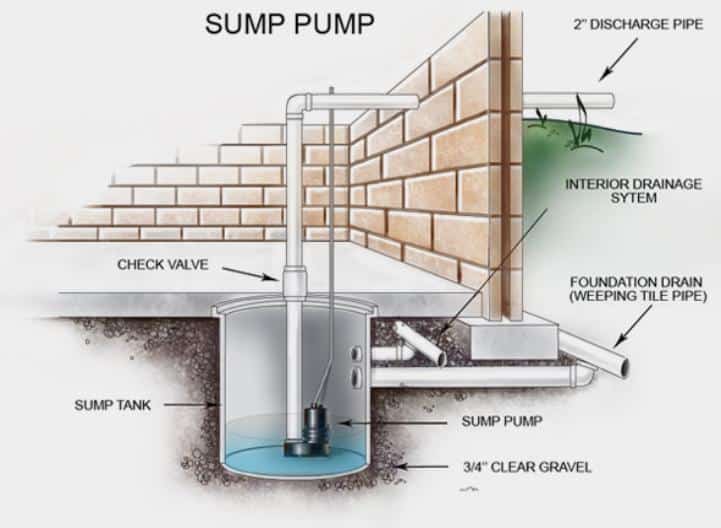
How a sump pump works
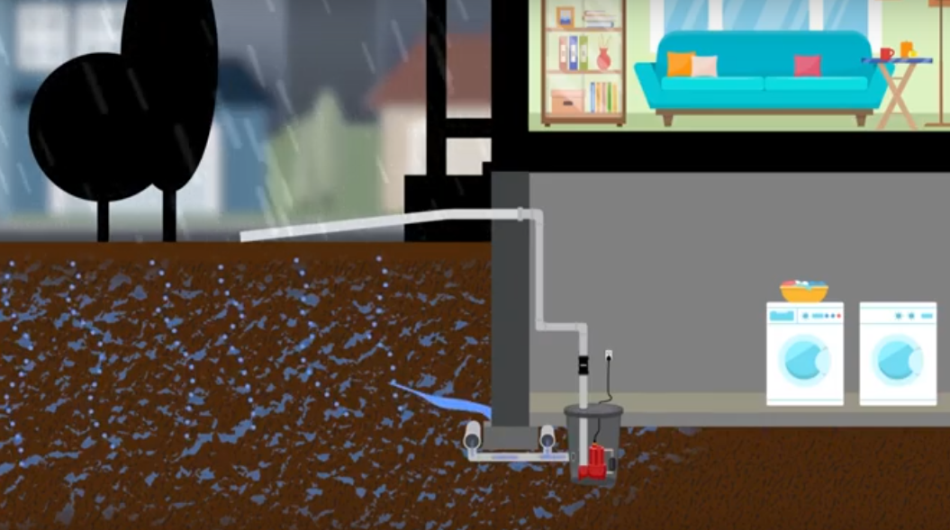
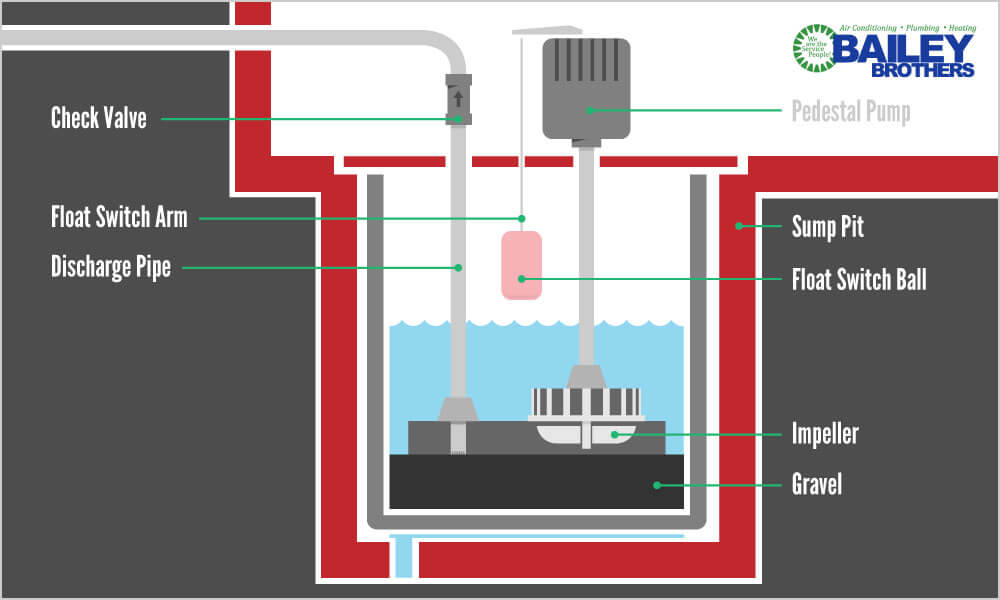
A sump pump sits in a pit and removes water that collects in a basement or crawl space. It runs when water lifts a float or when a pressure switch senses liquid. The pump pushes water out through a discharge pipe away from the foundation.
There are two common types of sump pumps:
- Submersible pump: Installed inside the pit. Quieter and better for large volumes.
- Pedestal pump: Motor sits above the pit. Easier to service and good for small pits.
Knowing how your unit works makes sump pump troubleshooting faster and safer. When you understand the parts, you can isolate problems quickly.
Common sump pump problems and causes
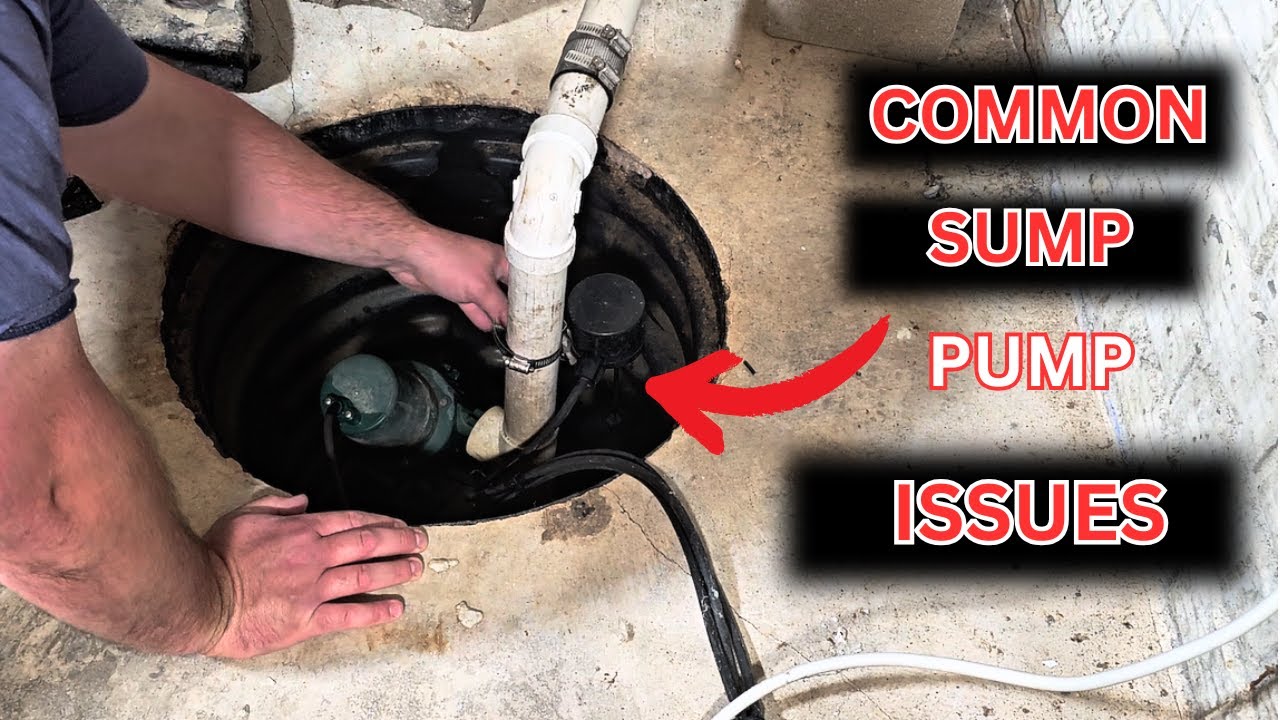
Understanding common failure modes helps you act fast. Below are the typical issues I see during sump pump troubleshooting.
- No power to pump: Tripped breaker, unplugged cord, or GFCI outlet.
- Stuck or misaligned float: Float tangles, sticks to pit wall, or fails.
- Clogged intake or impeller: Debris, gravel, or sediment blocks flow.
- Frozen or clogged discharge line: Cold weather or ice blocks the pipe.
- Worn impeller or motor failure: Age, sanding, or heavy use causes wear.
- Failed check valve: Backflow makes the pump run constantly.
- Wrong pump size: Undersized pump can’t keep up with inflow.
- Alarm or sensor failure: Battery or sensor problems give false readings.
Each cause calls for different steps in sump pump troubleshooting. Start simple, then move to mechanical checks.
Step-by-step sump pump troubleshooting guide
Follow these steps in order. They are safe and practical for most homeowners.
-
Safety first
- Turn off power before touching the pump.
- Wear gloves and eye protection.
- If unsure about wiring, stop and call an electrician.
-
Check power
- Verify the pump is plugged in.
- Reset GFCI outlets and check the breaker box.
- Use a multimeter if you can safely access the outlet.
-
Inspect the float
- Remove the sump cover and look at the float.
- Ensure it moves freely and is not tangled with cords or debris.
- Manually lift the float to see if the pump starts.
-
Test the pump manually
- Pour water into the pit to raise the float.
- Observe whether the pump activates and pumps water out.
- Note any unusual noises, slow pumping, or failure to start.
-
Check for clogs and debris
- Look inside the pit for leaves, gravel, or sediment.
- Clear the intake screen and impeller area if accessible.
- Use a wet-dry vacuum to remove solids if needed.
-
Inspect discharge line and check valve
- Walk the discharge path and look for clogs or freezing.
- Ensure the check valve is installed correctly and not leaking.
- Replace a faulty check valve to stop short cycling.
-
Evaluate motor and impeller
- Loud humming without pumping often means a jammed impeller or failed motor.
- Try to free debris carefully; if the motor is burned, replacement is necessary.
-
Test backup systems
- If you have a battery backup, test its battery and connections.
- Ensure alarms are functioning and set to alert early.
-
When to stop and call a pro
- If wiring looks unsafe or the motor is burned.
- If the pit is heavily corroded or the discharge requires major repairs.
Following this order makes sump pump troubleshooting efficient and safer. From my experience, many homeowners fix their pump after a simple float or power check.

When to repair vs replace
Deciding to repair or replace is key. Use these guidelines from real jobs I’ve completed.
Repair the pump when:
- The issue is simple, such as a stuck float, clogged screen, or bad check valve.
- The pump is less than five years old and parts are available.
- The motor shows no signs of internal damage.
Replace the pump when:
- The pump is older than seven to ten years.
- The motor repeatedly fails or repair costs approach replacement cost.
- The pump is undersized for the job or was poorly installed.
- You want a modern model with a battery backup and alarm.
Replacing older pumps is often more cost-effective over time. Pumps fail during storms, so consider redundancy.

Preventive maintenance for reliable operation
Simple maintenance prevents most emergency repairs. I follow a routine that saved me trouble during heavy rains.
- Inspect monthly during wet seasons
- Check float movement, wiring, and discharge line.
- Clean the pit every 6–12 months
- Remove sludge, debris, and gravel that can clog the impeller.
- Test by pouring water quarterly
- Confirm the pump starts and pumps quickly.
- Maintain battery backup annually
- Replace batteries every 3–5 years or per manufacturer instructions.
- Winterize discharge lines
- Insulate exposed piping and slope lines to avoid freeze.
- Replace check valve when leaking
- A failing check valve causes short cycling and early pump wear.
These steps reduce emergency calls and extend the life of the system.

Tools and parts to keep on hand
Having basic tools speeds up sump pump troubleshooting and repairs.
- Flashlight and gloves
- Multimeter for voltage checks
- Wet-dry vacuum for pit cleaning
- Pliers and wrench set for fittings
- Replacement check valve and hose clamps
- Bucket and small pump for emergency water removal
- Spare float switch and impeller kit when available
I keep a small kit in my basement. It has saved time and prevented water damage after storms.
Cost estimates and when to call a professional
Simple repairs can be cheap. Complex jobs need a pro.
- DIY fixes typically cost $10 to $150 for parts.
- New mid-range sump pump units cost $150 to $400.
- Professional installation often runs $300 to $800, depending on labor and piping.
- Battery backup systems add $150 to $500 plus batteries.
Call a professional when:
- Electrical wiring is involved or outlets show odd readings.
- The pump motor is burnt or makes loud grinding noises.
- The discharge requires cutting concrete or major plumbing work.
A licensed plumber or electrician ensures safe, code-compliant repairs and reduces risk of recurring failures.

Frequently Asked Questions of Sump Pump Troubleshooting
What should I check first when my sump pump stops working?
Begin with power: verify the plug, reset GFCI outlets, and check the breaker. Then inspect the float for proper movement and check for debris in the pit.
How often should I test my sump pump?
Test the pump by pouring water into the pit every three months and check it monthly during wet seasons. Regular testing prevents surprises during storms.
Can I run my sump pump without a check valve?
You can, but you should not. Without a check valve the pump may short cycle and water can flow back into the pit, causing extra wear and possible flooding.
How long do sump pumps typically last?
Most sump pumps last about seven to ten years with proper maintenance. Heavy usage or poor installation can shorten that life.
Is it safe to troubleshoot electrical parts myself?
Only if you are comfortable and follow safety steps: turn off power, use a multimeter, and avoid contact with standing water. For complex electrical issues, hire a licensed electrician.
Why does my sump pump run constantly?
Constant running is often caused by a stuck float, a failed check valve, or a pump that is too small for the inflow. Inspect the float and check valve first.
Conclusion
Sump pump troubleshooting is straightforward when you follow a clear, safe process. Start with power and the float, then move to debris, the impeller, and the discharge system. Schedule simple maintenance and test backups to avoid emergency failures. If wiring or the motor is damaged, call a pro.
Take action now: check your pump today, test the float, and mark maintenance dates. Share your experiences or questions below, or subscribe for more home system guides.

