

Quick fix steps for Watchdog sump pump troubleshooting to restore reliable basement protection.
I have spent years diagnosing and repairing basement pumps, and I will walk you through Watchdog Sump Pump Troubleshooting with clear steps, smart checks, and real-world tips. This guide shows what to look for, how to test parts safely, and when to call a pro so you can stop leaks and protect your home.

36% off Today’s Exclusive Deals
Limited-time Exclusive Deals. Check current discount on Amazon.
Check Price on Amazon As an Amazon Associate I earn from qualifying purchases.
How a Watchdog sump pump works and why troubleshooting matters
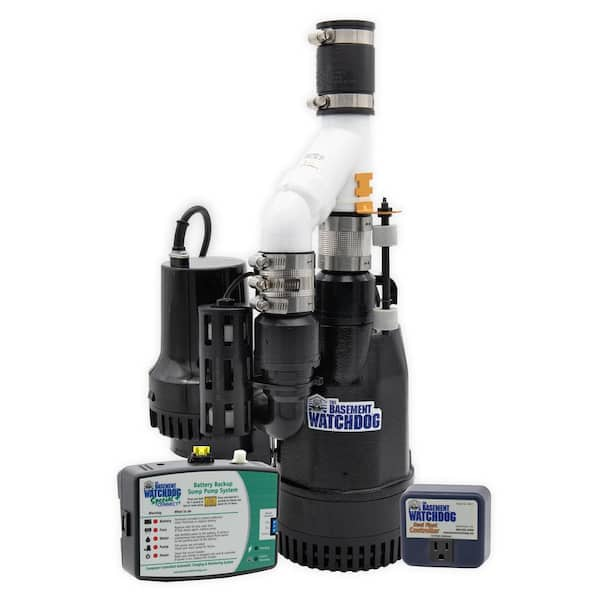
A Watchdog sump pump moves water out of a sump pit to keep basements dry. It uses a float or sensor to turn on and off. Some models include alarms, battery backup, and a check valve. Knowing how yours works makes Watchdog Sump Pump Troubleshooting faster and safer. I like to open the manual first, then inspect the unit. That method cuts guesswork and uncovers small problems before they flood.
Common signs your Watchdog sump pump needs troubleshooting
Watchdog Sump Pump Troubleshooting usually starts when you notice one of these signs:
- Pump runs but no water discharges.
- Pump cycles on and off too frequently.
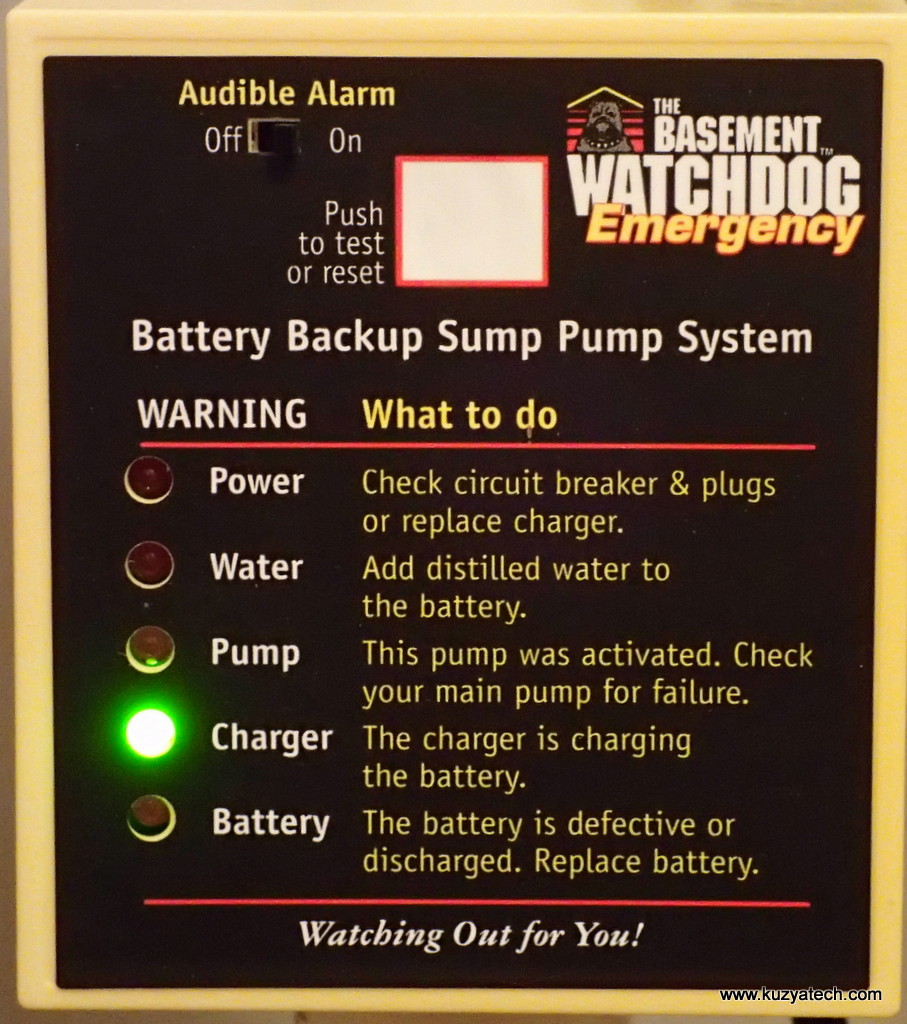
- Alarm sounds or LED shows fault.
- Motor hums but does not pump.
- Basement smells damp or you see puddles.
If you spot any of these, act fast. Small issues often become big repairs if ignored. From my experience, frequent cycling often means a stuck float or a clogged discharge line.

Step-by-step Watchdog Sump Pump Troubleshooting guide
Follow these steps in order. They are safe and practical for most homeowners.
- Safety first
- Turn off power at the breaker before touching wiring.
- Wear gloves and eye protection.
- If the pit is flooded above the pump head, call a pro.
- Check power and connections
- Ensure the pump is plugged in and the outlet works.
- Test the circuit with a lamp or a multimeter.
- Inspect the power cord for cuts or water damage.
Watchdog Sump Pump Troubleshooting often ends at this step. I once found a mouse-chewed cord causing intermittent failures.
- Inspect the float and sensor
- Lift the float by hand to see if the pump starts.
- Look for debris that traps the float.
- For sensor models, wipe the sensor clean and test trigger points.
A sticky float is the most common cause of false cycling.
- Clear clogs and check the discharge line
- Run water into the pit and watch discharge flow.
- Disconnect and inspect the discharge pipe for ice, tree roots, or mineral buildup.
- Confirm the check valve opens freely.
A blocked discharge kills pump performance fast.
- Test the impeller and motor
- Listen for grinding or whining sounds.
- If the motor hums but won’t start, the capacitor or motor may be bad.
- Remove debris from the impeller housing if accessible.
If you are not comfortable here, call a licensed technician.
- Verify backup and alarm systems
- Test the battery backup by unplugging the pump from AC (if your system supports this safe test).
- Replace batteries every 3–5 years as routine.
- Confirm the alarm triggers at the correct water level.
During Watchdog Sump Pump Troubleshooting, keep notes. Track what you tested and what changed. This record helps pros diagnose persistent faults faster.
Quick PAA-style questions
How do I reset my Watchdog sump pump?
Reset by turning off power, waiting 30 seconds, and restoring power. If a reset button exists, press it per the manual.
What if my Watchdog pump runs constantly?
Constant running often means a stuck float, a leak into the pit, or improper float height. Check the float and inspect for inflow to the pit.
Can I test the battery backup at home?
Yes, you can simulate a power loss to confirm battery operation, but do this briefly and follow safety instructions to avoid pit flooding.
Electrical, float switch, and alarm issues explained
Electrical faults are common in Watchdog Sump Pump Troubleshooting. Here’s what to check:
- Breaker trips or blown fuses can indicate a short. Reset only after checking wiring.
- A buzzing or humming motor usually means a jam or failing start capacitor.
- Float switches can wear out. Replace a float switch that sticks or fails intermittent tests.
- Alarm malfunctions may be due to low battery, wiring issues, or sensor failure.
From my field work, corrosion at the plug or loose wiring caused many false alarms. Clean contacts and tighten terminals when safe to do so.
Pit, discharge, and backup system problems
Pit and plumbing problems often mimic pump failure. Troubleshoot these areas:
- Sump pit sizing and debris
- Remove gravel and rags from the pit.
- Ensure the pit is deep enough for the pump to sit correctly.
- Discharge line issues
- Look for kinks, frozen sections, or collapsed pipe.
- Confirm discharge outlet is clear and slopes away from the house.
- Check valve function
- A bad check valve lets water flow back and causes rapid cycling.
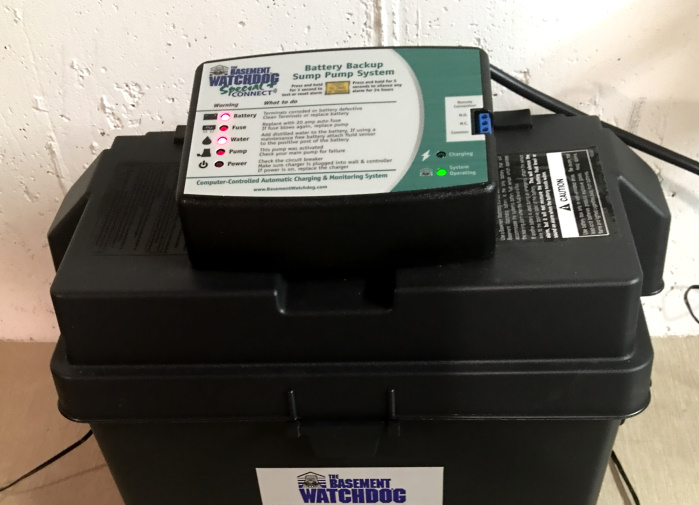
- Battery backup systems
- Test the battery under load.
- Replace if the battery cannot hold a charge or is older than five years.
I once found a half-buried discharge line clogged with leaves after a storm. Clearing it stopped the pump from overworking instantly.

Maintenance and prevention tips for long life
Routine care reduces the need for Watchdog Sump Pump Troubleshooting. Do these tasks seasonally:
- Clean the pit and check for debris.
- Test pump operation by pouring water into the pit.
- Inspect and replace worn hoses and clamps.
- Check the check valve and tighten fittings.
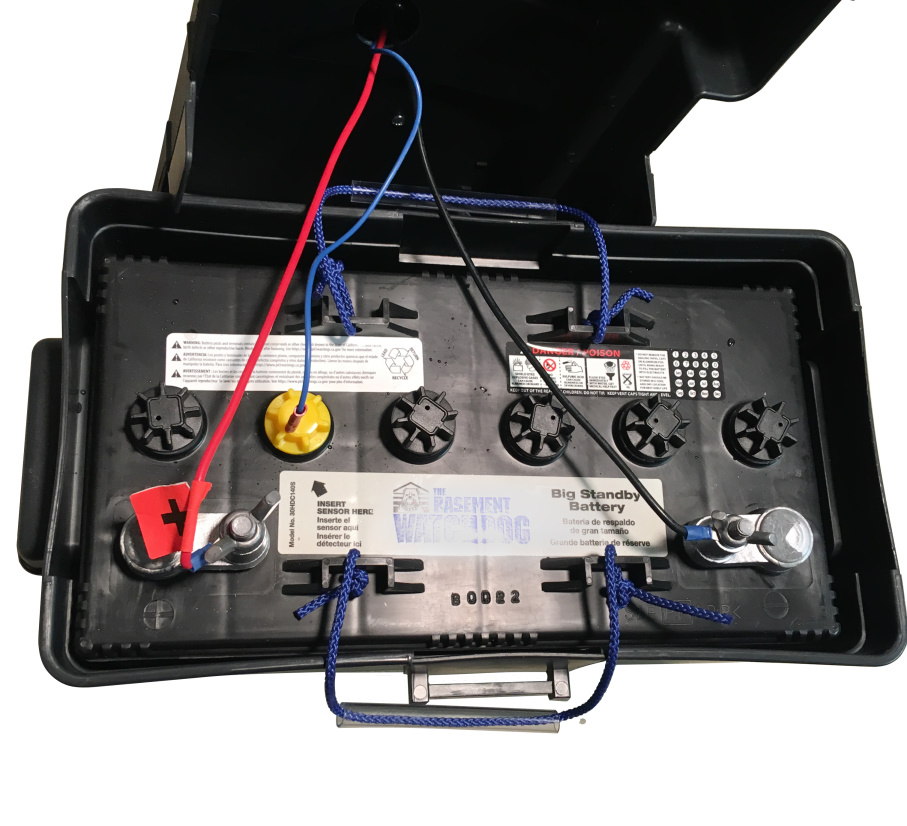
- Maintain battery backup and swap batteries every 3–5 years.
- Label the pump circuit in your breaker box for quick power shutoff.
A small maintenance habit saved me a costly replacement. I add a checklist to my phone and follow it twice a year.
When to call a professional
Call a licensed plumber or pump technician if:
- The motor overheats or emits burning smells.
- You see smoke or sparking from the unit.
- The pump hums but will not start after basic checks.
- You are unsure about electrical tests or capacitors.
Professionals have tools and training for motors, wiring, and sealed units. If your Watchdog Sump Pump Troubleshooting steps do not restore normal function, get expert help to avoid damage.

Frequently Asked Questions of Watchdog Sump Pump Troubleshooting
How often should I test my Watchdog sump pump?
Test your pump every 3 months by pouring water into the pit until it cycles. Frequent tests catch issues before heavy rains.
Why does my Watchdog pump run but not pump water?
This often means a blocked discharge, broken impeller, or failed check valve. Inspect pipes and the pump housing for debris.
How long should a Watchdog pump motor last?
With regular maintenance, many pumps last 5–10 years, though heavy use may shorten life. Replace if you see frequent failures or a noisy motor.
Can I replace the float switch myself?
Yes, if you have basic tools and the model supports user-replaceable parts. Turn off power and follow the manual or call a technician if unsure.
Does the Watchdog battery backup need professional service?
You can test and replace the battery yourself, but have a pro service the charger or sealed battery systems when problems persist. Regular battery checks keep backups reliable.
What causes rapid on/off cycling in my Watchdog pump?
Rapid cycling often comes from a stuck float, improper float height, or a small inflow rate filling the pit slowly. Adjust the float and clear debris to reduce cycling.
Conclusion
Watchdog Sump Pump Troubleshooting is manageable with a calm, methodical approach. Start with safety, check power and float, clear the discharge, and test backup systems. Keep simple maintenance habits and notes from your checks. If a problem looks electrical or beyond your comfort, call a licensed pro.
Take action today: run a quick test of your pump, clean the pit, and save this guide for the next inspection. Share your experience or questions below and subscribe for more practical home protection tips.

