

Most Briggs Stratton fuel pump issues come from clogged fuel, old lines, or a failed pump diaphragm.
I have spent years working on small engines and diagnosing Briggs Stratton fuel systems. This guide on Briggs Stratton Fuel Pump Troubleshooting explains causes, signs, tests, fixes, and prevention in clear steps. I will show how to find the problem fast, what to test, and when to replace parts. Expect plain language, practical tips, and real-world notes from my experience so you can get your mower or generator running again.

36% off Today’s Exclusive Deals
Limited-time Exclusive Deals. Check current discount on Amazon.
Check Price on Amazon As an Amazon Associate I earn from qualifying purchases.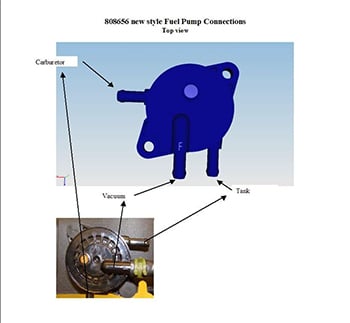
Why Briggs Stratton Fuel Pump Troubles Fail
Briggs Stratton fuel pump troubleshooting starts with knowing why pumps fail. Most failures come from old gas, varnish, or debris in the tank. Ethanol in fuel attracts water and speeds up corrosion. Small engines sit unused for months, and the pump diaphragm sticks or tears. Mechanical damage from hitting debris or rough handling can also break pump parts.
Understanding these causes helps you decide whether to clean, repair, or replace. My shop saw many pumps restored by cleaning and new lines. Other times a new pump is faster and cheaper than long repairs. Briggs Stratton Fuel Pump Troubleshooting focuses on quick diagnosis and sensible fixes.
Symptoms of a Bad Fuel Pump
Knowing the symptoms helps you narrow down the problem quickly. Look for these signs in Briggs Stratton Fuel Pump Troubleshooting:
- Hard starting or no start while engine cranks but won’t run.
- Engine runs briefly then stalls, especially when hot.
- Weak power or surging under load.
- Fuel leaks near the carburetor or pump.
- Visible cracks, fuel smells, or swollen rubber lines.
If you see one or more symptoms, move to testing. Symptoms alone don’t prove the pump is bad. They show where to inspect next.
Tools and Safety Precautions
Good troubleshooting needs simple tools and safe habits. For Briggs Stratton Fuel Pump Troubleshooting gather:
- Basic wrench set and screwdrivers.
- Fuel pressure gauge or hand primer bulb.
- Multimeter for checking continuity (for electric or magneto-related tests).
- Small pick, carb cleaner, and clean rags.
- Replacement gaskets, clamps, and a new pump if needed.
Safety first. Work outside or in a ventilated area. Drain fuel into an approved container. Disconnect the spark plug wire to prevent accidental starts. Wear gloves and eye protection. These steps keep you safe and your work neat.

Step-by-Step Briggs Stratton Fuel Pump Troubleshooting
Follow a clear sequence to save time and avoid parts swapping. This step-by-step Briggs Stratton Fuel Pump Troubleshooting method works for most small engines.
-
Inspect visually
- Check fuel lines for cracks, kinks, or blockages.
- Look for fuel leaks at the pump or carburetor mounting.
- Replace brittle or collapsed lines.
-
Smell and check fuel
- Old gas smells sour or varnished.
- Drain and replace fuel if it’s over 30 days old or contains debris.
-
Check fuel flow
- Disconnect fuel line at the carburetor and crank the engine. Fuel should flow freely in a steady stream.
- If flow is weak, check the inline filter and tank vent.
-
Test pump operation
* Tap the pump gently while cranking; a change may show a weak diaphragm.- Use a primer bulb or pressure gauge to verify suction and delivery.
-
Inspect pump diaphragm and gaskets
- Remove the pump cover and look for tears, hardening, or debris under the diaphragm.
- Replace diaphragms and gaskets when worn.
-
Final check
- Reassemble with new clamps and gaskets.
- Test run and watch for steady idle and strong throttle response.
This clean order avoids guessing and ensures Briggs Stratton Fuel Pump Troubleshooting is efficient.

How to Test the Fuel Pump
Testing confirms whether the pump or another part is the culprit. Use these clear tests during Briggs Stratton Fuel Pump Troubleshooting.
-
Visual bench test
- Remove pump and inspect diaphragm. Replace if brittle or torn.
- Apply light suction at the inlet. The diaphragm should move freely.
-
Flow test on machine
- Disconnect line to carb and crank engine for a few seconds. Check for steady fuel flow.
- If no flow, clean filter and retest.
-
Pressure and vacuum test
- Use a hand pump and gauge at the carb inlet. Note vacuum and pressure values per Briggs specs.
- Low vacuum or pressure suggests a weak pump or blocked lines.
-
Electrical checks (if applicable)
- Some models use fuel solenoids or electric valves. Check coil resistance and wiring.
- Replace faulty solenoids and clean connections.
I once diagnosed a no-start that turned out to be a pinched fuel line under the handle. Testing flow quickly saved a pump replacement. Tests will reveal many simple fixes.
Common Repairs and Replacement Guide
When Briggs Stratton Fuel Pump Troubleshooting shows a failed pump, choose repair or replace based on cost and time.
-
Repair steps
- Replace diaphragm, gaskets, and any worn valve parts.
- Clean or replace the inline filter.
- Replace brittle fuel lines and clamps.
-
Replace steps
- Buy the correct pump for your engine code. Match part numbers.
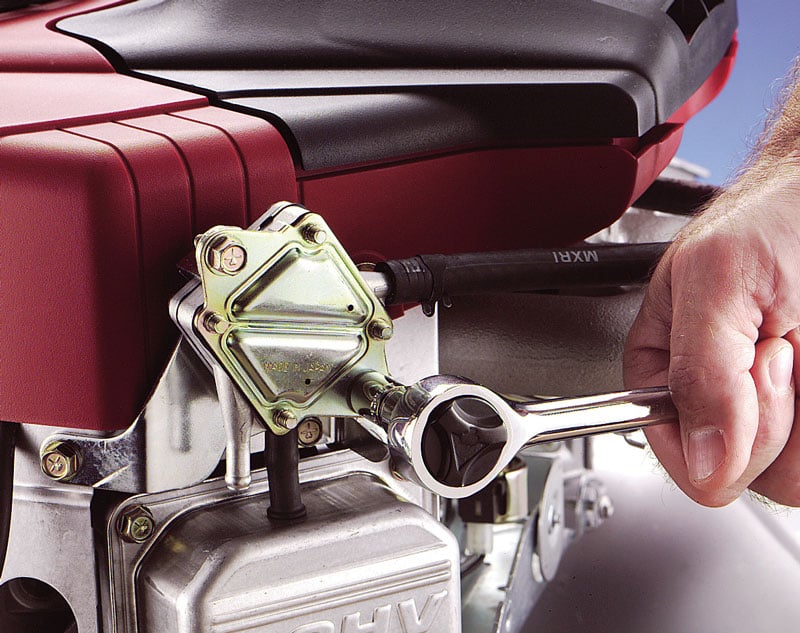
- Drain fuel, remove lines, unbolt pump, and swap in the new unit.
- Tighten clamps, prime the pump, and test run.
-
Cost vs. benefit
- A rebuild kit is cheap if the housing is good.
- If housing is cracked or the pump is corroded, a new pump is safer.
In my experience, a rebuild kit works well for pumps under five years old. For older units, replacement prevents repeat trips to the bench.
Preventive Maintenance to Avoid Pump Problems
Good maintenance reduces Briggs Stratton Fuel Pump Troubleshooting visits. Simple steps keep the pump healthy.
- Use fresh fuel and a fuel stabilizer for winter storage.
- Replace fuel lines every few years or at the first sign of wear.
- Keep the tank and filter clean by using a fuel filter and draining old fuel.
- Run the engine occasionally to keep gaskets and diaphragms flexible.
- Store equipment in a dry place to avoid rust and varnish buildup.
These habits extend pump life and reduce breakdowns. I recommend a short winter checklist for every mower owner.
Quick Questions About Briggs Stratton Fuel Pump Troubleshooting
What should I check first when my Briggs Stratton won’t start?
- Check fuel level, fuel quality, and fuel flow to the carburetor. Then inspect lines and filters.
Can I run the engine with a temporary fuel line?
- Short-term yes, but use proper-rated fuel hose and clamps. Avoid makeshift repairs for long-term use.
How often should I replace fuel lines?
- Inspect yearly and replace every 2–4 years depending on use and storage. Replace sooner if you see cracks or swelling.
These short answers help when you need a fast path to a solution.
Frequently Asked Questions of Briggs Stratton Fuel Pump Troubleshooting
What are the common causes of fuel pump failure?
Most failures come from old or contaminated fuel, clogged filters, brittle fuel lines, or a torn diaphragm. Ethanol in gas speeds degradation and causes varnish that clogs pumps.
How do I know if the pump or carb is the problem?
Start by checking fuel flow at the carb. If fuel flows freely, suspect the carb or ignition. If flow is weak or absent, focus on Briggs Stratton Fuel Pump Troubleshooting and pump checks.
Can I replace the pump myself?
Yes. Many small engine owners can replace a pump with basic tools. Follow safety steps, match the part number, and test before regular use.
How long does a pump last on a Briggs Stratton engine?
With good fuel and care, pumps can last several years. Harsh conditions, old fuel, and irregular use shorten life drastically.
Is it worth rebuilding a pump or better to buy new?
If the housing is good and parts are available, rebuilding is cost effective. If the pump is corroded or very old, replacement is usually the smarter option.
Conclusion
Briggs Stratton Fuel Pump Troubleshooting is mostly about quick checks, simple tests, and smart repairs. Start with fuel quality and flow, then inspect the pump diaphragm and lines. Use the step-by-step tests here to save time and money. From my work on small engines, I’ve learned that routine fuel care prevents most problems. Try these tips on your machine, keep note of part numbers, and don’t delay simple maintenance. Share your results, subscribe for more guides, or leave a comment with your pump story.

