

Most John Deere fuel pump issues stem from clogged fuel, bad wiring, or failed components.
I have spent years servicing tractors and compact machines, focusing on John Deere fuel pump troubleshooting. This guide brings hands-on tips, step-by-step diagnostics, and real fixes that work on farm sites and in small shops. Read on to learn how to find the cause fast, test safely, and decide whether to repair or replace parts.

36% off Today’s Exclusive Deals
Limited-time Exclusive Deals. Check current discount on Amazon.
Check Price on Amazon As an Amazon Associate I earn from qualifying purchases.
Common symptoms of John Deere fuel pump problems
A failing fuel pump shows clear signs. The engine may crank but not start. You may see sputtering at load, loss of power, or hard starts. Fuel smell, wetness near the pump, or unusual noise from the fuel tank area are also red flags.
Signs often begin subtly and get worse with time. Record when symptoms started and what conditions make them worse. This helps with accurate John Deere fuel pump troubleshooting and prevents wrong swaps.
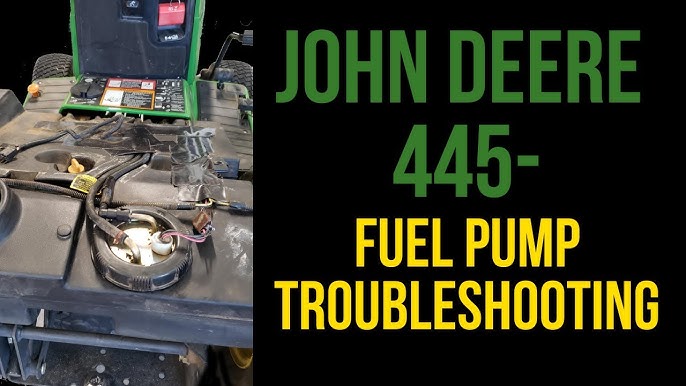
Diagnostic checklist: step-by-step John Deere fuel pump troubleshooting
Follow a clear order. Start with the simplest checks, then move to advanced tests. This saves time and parts.
- Check fuel level and quality. Low or contaminated fuel causes many issues.
- Inspect fuel filter and water separator. Replace if dirty or wet.
- Look for loose or corroded electrical connectors at the pump and engine control module.
- Test fuel pressure at the rail or test port with a gauge. Compare to spec.
- Listen for pump operation. Some pumps whine when running.
- Verify fuel lines for kinks, damage, or collapsed suction lines.
- Scan error codes with a diagnostic tool if your John Deere model supports it.
I always start with filters and connections. In the field, a clogged filter solves more than half of the calls I get. If pressure is low after these checks, proceed to pump-level electrical and flow tests.
Tools and safety precautions
Safety first. Fuel systems are flammable and under pressure.
- Wear safety glasses and gloves. Avoid open flames.
- Work in a well-ventilated area.
- Use a proper fuel pressure gauge rated for your model.
- Use insulated tools around electrical connectors.
- Keep a fire extinguisher nearby and clean up spills immediately.
Follow the manufacturer’s lockout procedures and depressurize the system before disconnecting lines. Mistakes here can be costly and unsafe during John Deere fuel pump troubleshooting.

Common causes and practical fixes
Knowing common causes helps you fix them faster.
- Clogged filter or water trap
- Fix: Replace filter and drain water separator. Use OEM or high-quality aftermarket filters.
- Contaminated or old fuel
- Fix: Drain tank, flush lines, refill with clean diesel or gasoline as specified.
- Electrical faults
- Fix: Clean terminals, test voltage at pump, repair wiring or replace relay or fuse.
- Air leaks on suction side
- Fix: Tighten clamps, replace hoses, check tank venting.
- Mechanical pump failure
- Fix: Replace pump module or assembly per service manual.
- Clogged injectors mimicking pump failure
- Fix: Run injector tests; clean or replace injectors if needed.
From my experience, replacing a filter and cleaning a tank vent solves many on-site issues. But if pressure tests show a drop under load, the pump or internal module is often the real cause.

How to test fuel pressure and flow
Accurate testing separates electrical problems from mechanical failures.
- Connect a fuel pressure gauge to the test port. Read static pressure at key on.
- Crank the engine and then run it. Observe pressure under load and idle.
- Measure flow by disconnecting return line into a graduated container while running. Compare to spec.
- If pressure holds but flow is low, suspect a clogged line or collapsing suction hose.
- If pressure falls under load, suspect pump wear or internal leak.
Always compare readings to the John Deere service specifications for your model. Specs vary between compact tractors and full-size machines.

When to repair versus replace the fuel pump
Decide based on age, cost, and condition.
- Repair when electrical parts or fittings fail and the pump internals are sound.
- Replace when pump bearings, internal vanes, or diaphragms show wear.
- Replace if cost of repair approaches replacement price or if reliability is critical.
- Consider OEM modules for best fit and longevity on John Deere machines.
I once rebuilt a pump on an older compact tractor and saved money, but on a high-hour loader I recommended replacement because downtime cost was too high.
Preventive maintenance to avoid fuel pump failures
A little routine care prevents many failures.
- Replace fuel filters on schedule every service interval.
- Use clean fuel and rotate stock to avoid degradation.
- Keep tank vents clear and top off during long storage to limit condensation.
- Inspect hoses and clamps yearly and replace soft or cracked lines.
- Periodically run a fuel system cleaner if recommended for your machine.
Small habits yield big savings in reliability and avoid frequent John Deere fuel pump troubleshooting visits.
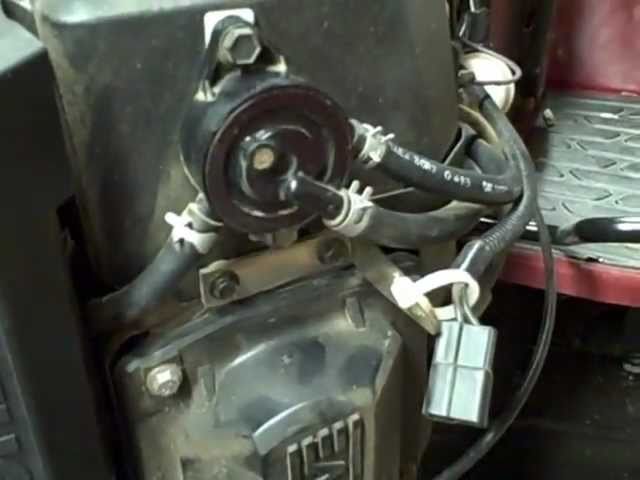
PAA-style questions about John Deere fuel pump troubleshooting
How do I know if the fuel pump is bad?
- Check for no-start with cranking, low fuel pressure, and weak engine under load. If pressure is below spec after filter and electrical checks, the pump is likely bad.
Can a clogged filter mimic pump failure?
- Yes. A heavily clogged filter restricts flow and lowers pressure, producing symptoms identical to pump failure. Always replace the filter before condemning the pump.
Is it safe to run a tractor with a failing pump?
- No. Running with poor fuel delivery can overheat and damage the engine. Stop and diagnose before long runs.
How often should I replace fuel filters on John Deere equipment?
- Follow the service manual, typically every 200–500 hours depending on use and fuel quality. More frequent changes help if fuel is dirty.
Will using additives help a failing pump?
- Additives can clean deposits and improve flow but will not fix mechanical pump wear. Use them as preventive care, not a cure for failures.
Frequently Asked Questions of John Deere Fuel Pump Troubleshooting
How do I test the fuel pump on a John Deere tractor?
Start with a fuel pressure gauge at the test port. Check pressure with key on, during cranking, and under load. Compare results to the service manual specs.
What causes fuel pump failure on John Deere machines?
Common causes include contaminated fuel, clogged filters, electrical faults, and wear from age. Poor tank venting and collapsed suction hoses also contribute.
Can electrical issues mimic pump problems?
Yes. Bad relays, blown fuses, or corroded connectors can stop the pump or reduce voltage, causing low flow symptoms similar to a failed pump.
How much does replacing a John Deere fuel pump cost?
Cost varies by model and whether you use OEM parts. Expect a wide range; consider labor and diagnostic time when estimating total cost.
Is it worth rebuilding a fuel pump?
It depends on pump condition and machine value. Rebuilds can be cost-effective for older equipment, while replacement may be better for high-hour or critical machines.
Conclusion
John Deere fuel pump troubleshooting starts with basic checks: fuel quality, filters, and electrical connections. Work methodically, test pressure and flow, and use service specs to guide repairs. Keep a regular maintenance routine to prevent most failures, and choose repair or replacement based on condition and cost.
Take action today: inspect filters, test pressure, and make a simple fix before a job-critical failure. If this guide helped, subscribe for more troubleshooting tips or share your experience in the comments.

