

Most Stenner pump issues come from airlocks, blocked tubing, or incorrect settings.
I have spent years installing and repairing chemical metering systems, and I know Stenner Pump Troubleshooting inside and out. This guide walks you through clear steps to find and fix common faults. You will get simple checks, practical tips, and real-world traps to avoid. Read on to solve your pump issue fast and confidently.

36% off Today’s Exclusive Deals
Limited-time Exclusive Deals. Check current discount on Amazon.
Check Price on Amazon As an Amazon Associate I earn from qualifying purchases.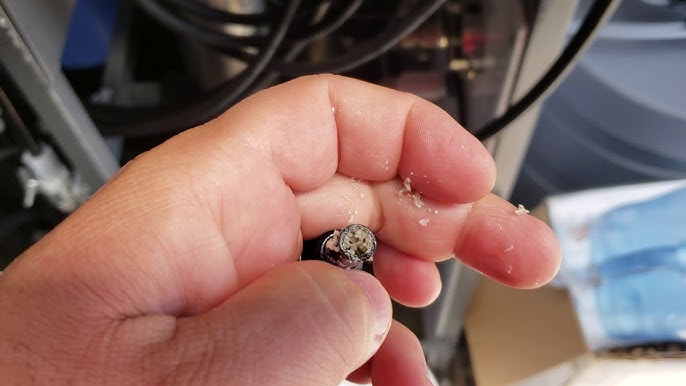
How Stenner Pumps Work and Why Troubleshooting Matters
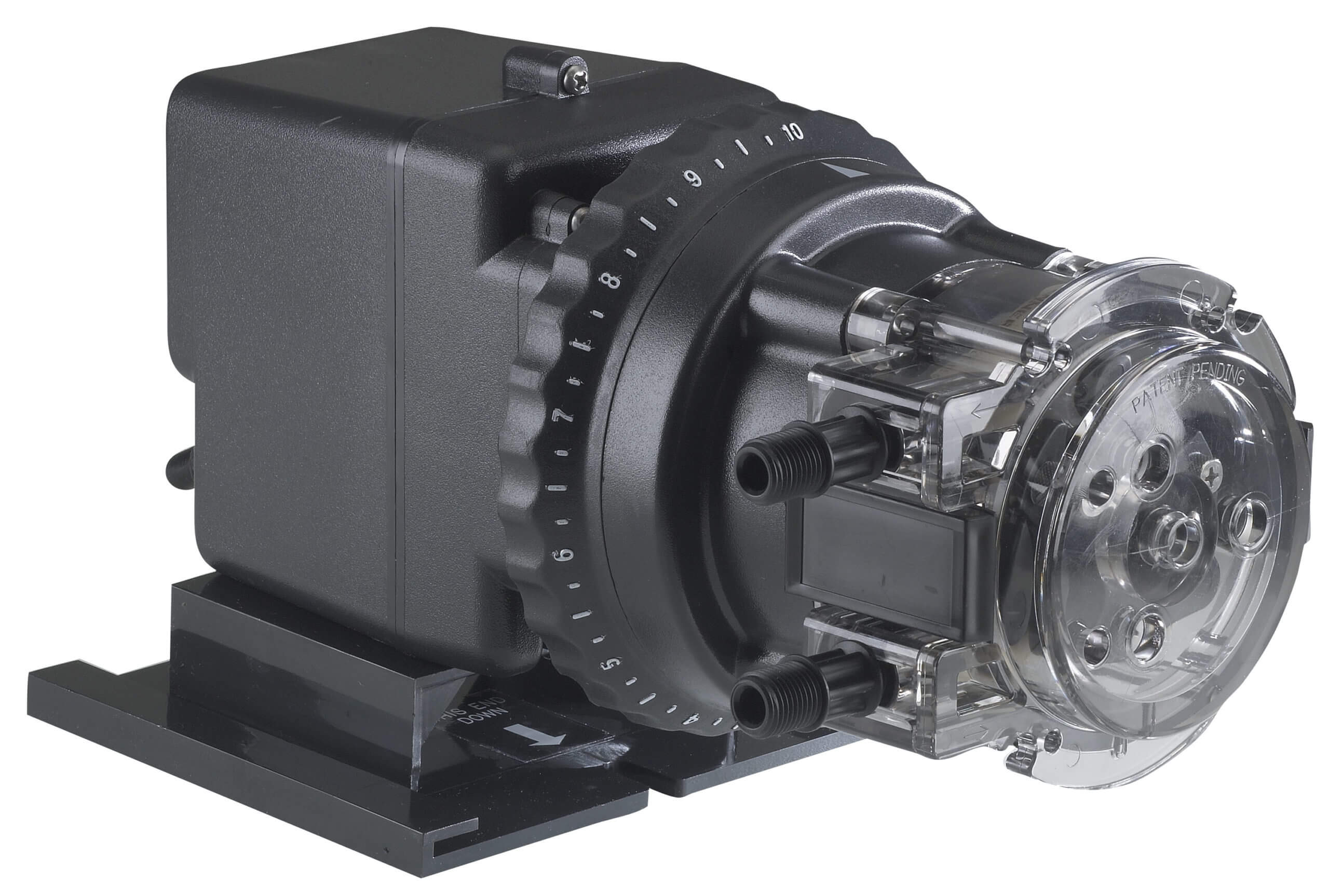
Stenner pumps are peristaltic metering pumps. They push chemical fluid through flexible tubing by squeezing it with rollers. This design keeps fluid paths clean. It also makes the pumps reliable for low-flow dosing.
Knowing how a pump works makes troubleshooting easier. If you know where air can enter, you can stop leaks. If you know how tubing wears, you can plan replacements. This guide focuses on Stenner Pump Troubleshooting, giving plain steps and reasons for each action.
Common Problems and Root Causes
Here are the typical symptoms you will see and what they usually mean. I list the cause and a short check for each issue.
-
Pump not priming or no flow
- Cause: Airlock, empty suction line, collapsed tubing, or clogged suction strainer.
- Quick check: Open the suction line and look for air or blockage.
-
Inconsistent flow or pulsation
- Cause: Worn tubing, backpressure spikes, or loose head assembly.
- Quick check: Inspect tubing for cracks and feel for tightness at fittings.
-
Pump runs but motor stalls or trips breaker
- Cause: Overload from seized rollers, wrong voltage, or motor fault.
- Quick check: Turn unit off, try to rotate rollers by hand, check wiring.
-
Chemical leakage at fittings or head
- Cause: Loose fittings, degraded tubing, or damaged connectors.
- Quick check: Tighten fittings and inspect tubing at connection points.
-
Tubing failure or short life
- Cause: Incorrect tubing size, harsh chemicals, or excessive squeeze.
- Quick check: Verify tubing type and compare to chemical compatibility charts.
Each problem above is part of Stenner Pump Troubleshooting. Start simple and move to complex causes if the first checks fail.

Step-by-Step Stenner Pump Troubleshooting Guide
Follow this ordered checklist. Start at step 1 and stop when you fix the issue.
-
Visual and safety checks
- Turn power off. Wear gloves and eye protection.
- Inspect tubing, fittings, and pump head for visible damage.
- Confirm the pump is mounted securely and level.
-
Confirm power and settings
- Ensure the pump has correct voltage and is switched on.
- Check speed or stroke settings. Low settings reduce flow.
- Reset circuit breakers if tripped.
-
Prime the pump
- Open any prime or vent valve if fitted.
- Manually rotate the head to force fluid into tubing.
- Check suction line for blockages or kinks.
-
Address airlocks
- Tighten all suction fittings.
- Replace cracked tubing that draws air.
- If needed, briefly raise the suction container above the pump to help prime.
-
Inspect and replace tubing
- Look for flat spots, cuts, or discoloration.
- Replace tubing if older than manufacturer life or showing wear.
- Use the correct tube size and material specified by Stenner.
-
Check suction and discharge lines
- Clean or replace suction strainers.
- Ensure no valves or backpressure devices are stuck.
- Verify discharge check valves are working.
-
Test motor and rollers
- With power off, check rollers rotate smoothly.
- Lubricate as recommended by manufacturer, if applicable.
- Replace motor or head if it binds or stalls.
-
Final performance test
- Reconnect system and prime again.
- Run the pump at normal settings and measure output.
- Adjust stroke or speed to fine-tune flow.
These steps form a structured Stenner Pump Troubleshooting routine. I use this same checklist in the field to quickly find faults.
.jpg)
Maintenance Tips to Prevent Future Problems
Regular upkeep makes troubleshooting rare. Keep tasks simple and routine.
-
Inspect tubing monthly
- Look for wear and replace before failure.
-
Keep suction strainers clean
- Flush strainers to prevent clogging and air draw.
-
Verify settings quarterly
- Check stroke and speed and log changes.
-
Use correct tubing and chemicals
- Match tubing material to the chemical to avoid early degradation.
-
Keep spare parts on hand
- Store extra tubing, fittings, and check valves for quick swaps.
From experience, a small stock of spare tubing and a simple multimeter cuts downtime in half. Preventive care reduces the need for Stenner Pump Troubleshooting later.

When to Call a Professional
Some issues need expert help. Call a service tech if you see any of these:
- Repeated motor failures or electrical trips after checks.
- Unknown chemical damage that needs safe handling.
- Internal pump damage or broken head assembly.
- Complex system integration with alarms or remote controls.
If you are unsure about electrical work or chemical safety, get a pro. My rule is safety first. A trained technician can save time and reduce risk when Stenner Pump Troubleshooting reaches its limits.
.png)
Frequently Asked Questions of Stenner Pump Troubleshooting
What is the first thing to check when a Stenner pump stops working?
Start with power, tubing condition, and suction line. Turn power off, inspect visually, and look for air or kinks in tubing.
How do I prime a Stenner pump quickly?
Manually rotate the pump head and open any prime valve. Raise the suction container slightly if the pump struggles to draw fluid.
Why does a Stenner pump lose prime frequently?
Frequent loss of prime is usually due to air leaks, worn tubing, or a clogged suction strainer. Tighten fittings and replace degraded tubing to fix it.
How often should tubing be replaced on Stenner pumps?
Replace tubing based on wear or yearly for continuous use. Harsh chemicals may require more frequent changes.
Can I repair a seized pump head myself?
You can inspect and clean the head yourself, but replace parts only if you follow safety steps. If the motor or internal parts are damaged, call a technician.
How do I measure if the pump is dosing correctly?
Use a calibrated container and time the pump run for a set interval, then weigh or measure the dispensed fluid. Adjust stroke or speed to match target flow.
Conclusion
Stenner Pump Troubleshooting is mostly logical checks, simple fixes, and good maintenance. Start with power and tubing, clear airlocks, and replace worn parts. Keep a small toolkit and spare parts nearby to cut downtime. Take action now: inspect your pump, log any issues, and apply the basic checks from this guide. If you still need help, leave a comment or consult a certified technician for safe, fast repairs.

