

Most pool pump problems are fixable with simple troubleshooting steps and basic maintenance.
I have spent years diagnosing and fixing residential pool equipment. This guide on Pool Pump Problems Troubleshooting lays out clear steps, easy checks, and real-world tips so you can find the cause and fix it fast. Read on to learn how pumps fail, how to test them, and when to call a pro.

36% off Today’s Exclusive Deals
Limited-time Exclusive Deals. Check current discount on Amazon.
Check Price on Amazon As an Amazon Associate I earn from qualifying purchases.
How pool pumps work — quick overview
A pool pump moves water through the filter and heater. It draws water from the pool, pushes it through the filter, and returns clean water back. Knowing this flow helps you find where problems start.
Pool Pump Problems Troubleshooting begins with this flow idea. If water stops moving, or moves slowly, the issue is in suction, impeller, or motor. Keep this simple map in your head when you inspect the system.
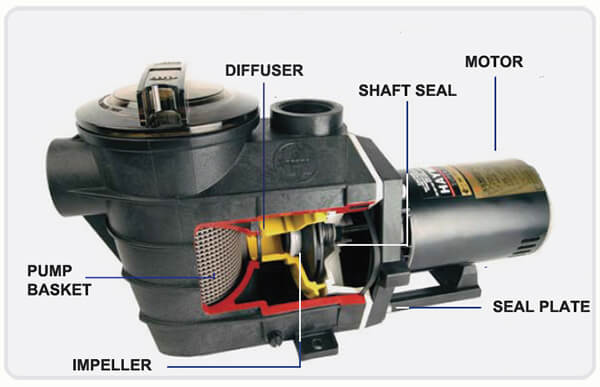
Common Pool Pump Problems and Troubleshooting
Below are the most common pool pump issues and straightforward fixes. Follow each step in order to save time and money.
No power to the pump
- Check circuit breaker and GFCI. Reset if tripped.
- Inspect pump switch and wiring for obvious damage.
- If breaker trips again, call an electrician or pool technician.
Pool Pump Problems Troubleshooting often starts here because many issues are electrical. I’ve seen loose connections cause intermittent shutdowns more than once.
Pump runs but no water flow (loss of suction)
- Check skimmer and pump baskets for debris.
- Make sure valves are open on suction and return lines.
- Prime the pump if air got trapped in the system.
Air leaks in the suction line are a top cause of no flow. Tighten fittings and replace O-rings as needed.
Low flow or weak return jets
- Clean or backwash the filter if pressure is high.
- Inspect impeller for clogging from small toys, leaves, or hair.
- Check for partially closed valves or blocked lines.
Pool Pump Problems Troubleshooting must include filter checks. A dirty filter reduces flow and stresses the pump motor.
Pump is noisy or vibrating
- Remove debris from the strainer basket and impeller.
- Check for loose mounting bolts or worn bearings.
- If noise is a grinding or humming, inspect motor bearings or shaft.
I once ignored a new vibration; it led to a seized bearing and higher repair costs. Small sounds can be early warnings.
Pump overheats or motor runs hot
- Ensure adequate ventilation around motor.
- Check for high system pressure from a clogged filter.
- Confirm voltage matches motor rating and wiring is correct.
Overheated motors often mean the pump is working too hard. Address flow restrictions quickly to prevent burnout.
Pump leaks water
- Inspect the pump lid O-ring and replace if cracked.
- Tighten unions and check shaft seal for failure.
- Replace worn seals and gaskets promptly.
A leaking shaft seal is common. Replacing it is cleaner and cheaper than replacing the whole pump.
Circuit breaker trips or GFCI trips
- Look for shorted wiring or a wet motor.
- Test capacitor and motor for electrical faults.
- Replace faulty electrical parts or consult a licensed electrician.
Frequent trips are a sign of a serious electrical issue. Don’t keep resetting breakers without diagnosing the cause.
Step-by-step troubleshooting checklist
Use this checklist to diagnose problems fast. Work top to bottom.
- Safety first
- Turn off power at the breaker before inspecting wiring or opening the pump lid.
- Visual inspection
- Look for corrosion, loose wires, and visible leaks.
- Clear baskets and filters
- Remove debris from skimmer and pump baskets. Check the filter pressure gauge.
- Check valves and plumbing
- Ensure valves are open and lines are not crushed or blocked.
- Prime the pump
- Fill the pump basket with water and tighten the lid to remove air.
- Test electrical supply
- Confirm correct voltage with a meter or have a pro test it.
- Listen and feel
- Note unusual sounds, hot spots on the motor, or vibrations.
- Replace small parts
- Swap O-rings, gaskets, and seals before assuming major repairs.
- Call a professional
- If the pump hums without turning, or if electrical faults persist, get help.
Pool Pump Problems Troubleshooting improves when you use a checklist. I use a similar list on service calls to avoid missed steps.

Tools and parts you'll need
Equip yourself with a small toolkit before you start.
- Screwdrivers and wrenches for unions and clamps.
- Pliers and a utility knife for O-rings and tubing.
- Multimeter to test voltage and continuity.
- Replacement O-rings, shaft seals, and pump lid.
- Silicone lubricant for O-rings and gasket seats.
- Shop vacuum for clearing debris from lines.
Having the right tools speeds up Pool Pump Problems Troubleshooting and reduces mistakes. I keep these items in my van for fast fixes.
Maintenance tips to prevent problems
Routine care cuts failures and extends pump life. Do these monthly or seasonally.
- Clean skimmer and pump baskets weekly during high debris seasons.
- Backwash or clean filters when pressure rises 8–10 psi above normal.
- Inspect and grease motor bearings per manufacturer guidance.
- Replace worn O-rings and check unions for tightness.
- Winterize or cover equipment in freezing climates.
Consistent maintenance is the best defense in Pool Pump Problems Troubleshooting. It keeps small issues from becoming big repairs.

Advanced issues and solutions
Some problems need deeper fixes or part replacement.
- Failed capacitor
- Symptom: pump hums but won't start. Replace the start/run capacitor.
- Worn bearings or motor failure
- Symptom: loud grinding. Replace motor or the pump assembly.
- Damaged impeller
- Symptom: low flow after clearing baskets. Remove pump housing and inspect impeller for damage.
- Cracked pump housing
- Symptom: visible leak from casing. Replace the housing or entire pump if old.
When tackling these, follow manufacturer instructions. If you lack tools or experience, call a licensed pool technician to avoid safety risks.
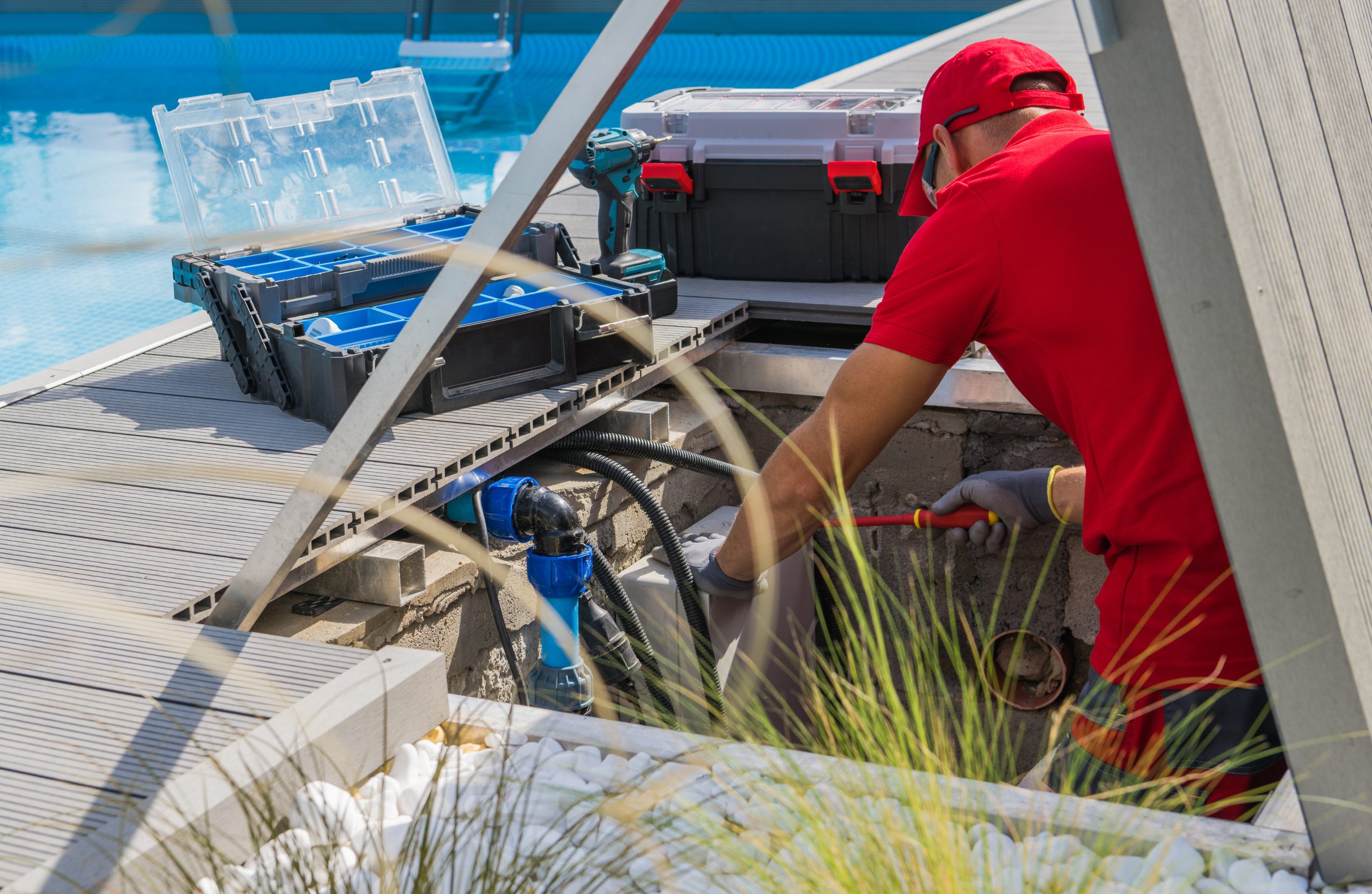
When to call a professional
Call a pro if any of the following occur:
- Repeated electrical trips or burning smells from the motor.
- Motor hums but shaft won’t turn.
- You suspect a sealed bearing or motor burnout.
- Major plumbing or wiring work is needed.
Real-world tip: I try simple fixes first. If the issue is electrical or needs motor replacement, a pro saves time and keeps things safe.
Pool Pump Problems Troubleshooting: common mistakes to avoid
Avoid these pitfalls to save money and time.
- Running a pump dry
- This damages seals and the motor quickly.
- Ignoring small noises
- Small sounds often signal growing mechanical issues.
- Using wrong parts
- Always match O-ring size, flange unions, and motor specs.
- Over-tightening plastic unions
- This can crack housings and cause leaks.
I once overtightened a union and cracked a pump casing. It was an expensive lesson in gentle force.
PAA-style questions (People Also Ask)
What causes a pool pump to lose prime?
- Air leaks in the suction line, low water level, or a cracked pump lid O-ring can cause a pump to lose prime. Check seals, water level, and tightness of the pump lid to restore suction.
How do I know if my pump motor is bad?
- If the motor hums, won’t start, or gets very hot quickly, the motor or start capacitor may be failing. A multimeter test or professional inspection can confirm the fault.
Can I run my pool pump 24/7?
- Modern variable-speed pumps can run longer at low speed for energy efficiency, but running a single-speed pump 24/7 is costly. Follow manufacturer guidance for best performance and cost savings.
How often should I clean the pump basket?
- Clean the pump basket weekly during heavy use seasons and at least monthly otherwise. A clear basket improves flow and reduces wear on the motor.
Is it safe to open the pump housing myself?
- It is safe if power is off and you follow manufacturer instructions, but electrical parts and heavy components may require a pro. If unsure, call a licensed pool technician.
Frequently Asked Questions of Pool Pump Problems Troubleshooting
What should I check first when my pump stops working?
First check the circuit breaker and GFCI, then inspect for tripped switches or loose wires. Next, ensure the pump has water and the lid is sealed.
Why is my pump making a loud grinding noise?
A loud grinding noise usually means worn bearings or debris in the impeller. Turn off power and inspect the motor and impeller for damage.
How do I fix air bubbles coming out of return jets?
Air bubbles often come from a suction-side leak or low water level. Tighten seals, check pump lid O-ring, and ensure water level is at skimmer height.
How long do pool pump seals last?
Shaft seals typically last several years but vary by use and water chemistry. Replace seals at first sign of leaking to prevent larger damage.
Can a clogged filter damage the pump?
Yes, a clogged filter raises system pressure and forces the pump to work harder, which can overheat and shorten motor life. Clean or backwash filters to maintain safe flow.
Conclusion
You can fix many Pool Pump Problems Troubleshooting issues with a clear checklist, the right tools, and routine maintenance. Start with safety, follow the flow of water, and rule out simple causes like clogs, air leaks, and electrical trips. If a problem seems electrical or involves major parts, call a qualified technician. Take action now: inspect your pump, clear baskets, and schedule basic maintenance to avoid costly repairs. Leave a comment with your pump symptoms, and I’ll help you narrow down the likely cause.

