

Most Rheem heat pump issues are fixable with basic checks and safe troubleshooting steps.
I have spent years diagnosing HVAC systems and helping homeowners with Rheem Heat Pump Troubleshooting. This guide walks you through common faults, clear diagnostics, step-by-step fixes, and smart maintenance. Read on to learn practical, safe, and proven ways to find and fix Rheem heat pump problems fast.

36% off Today’s Exclusive Deals
Limited-time Exclusive Deals. Check current discount on Amazon.
Check Price on Amazon As an Amazon Associate I earn from qualifying purchases.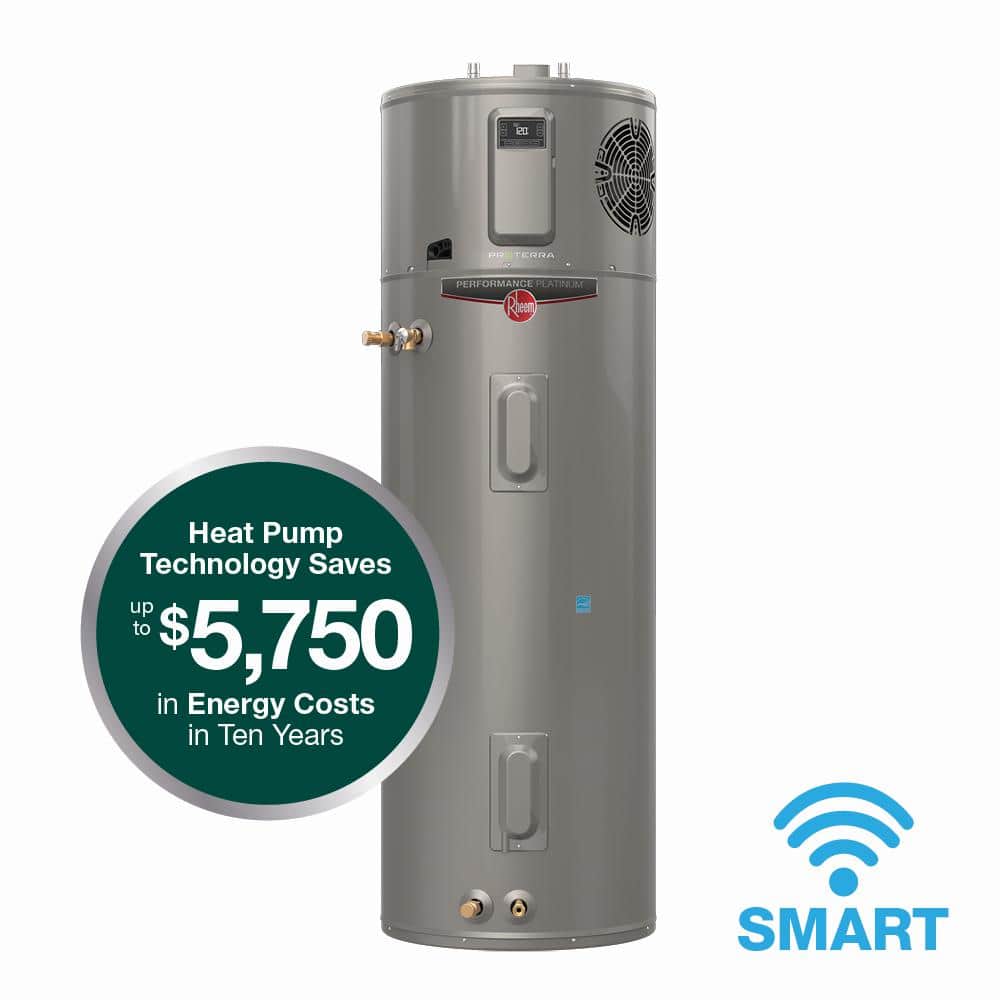
Common Rheem Heat Pump Problems
Rheem Heat Pump Troubleshooting starts with knowing common faults. Spotting the symptom speeds repairs and lowers costs.
-
Unit won’t turn on
The breaker, thermostat, or safety switch may stop the unit. Simple checks can often fix this. -
Weak heating or cooling
Dirty coils, low refrigerant, or airflow issues are common causes. -
Short cycling (turns on and off quickly)
This stresses the compressor and often comes from thermostat or refrigerant issues. -
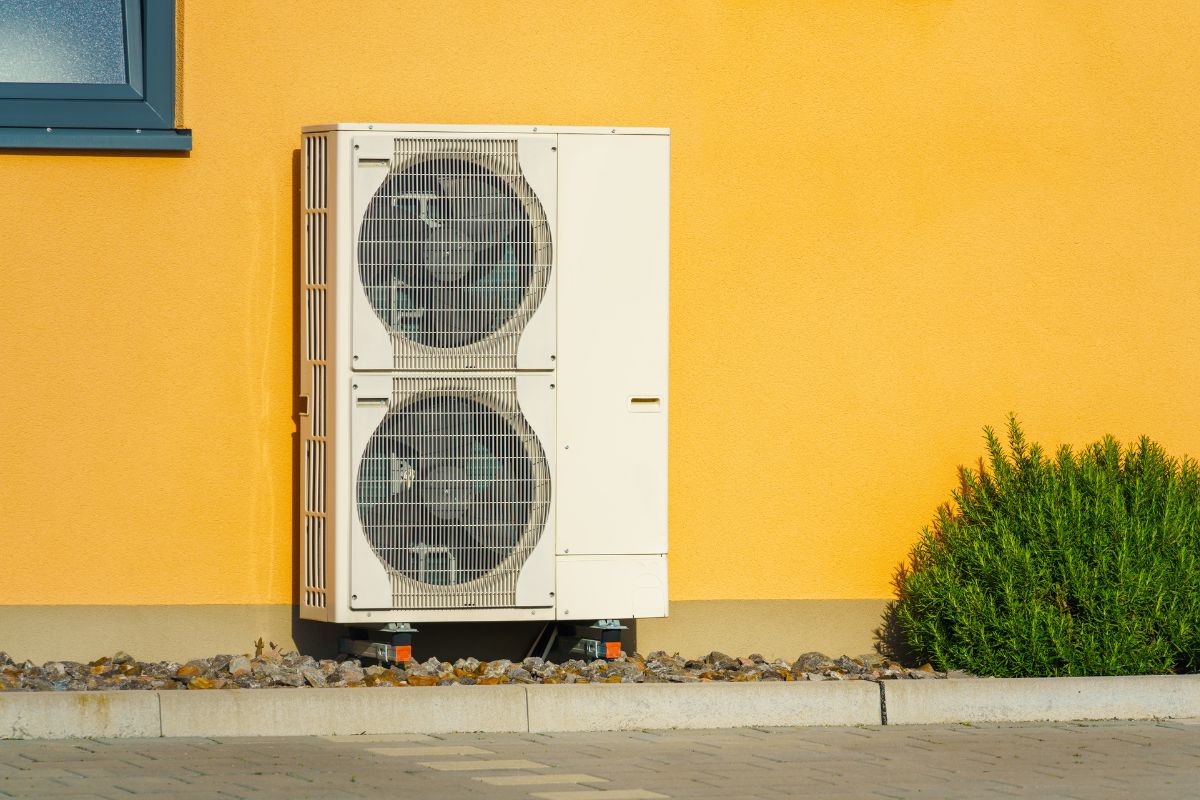
Ice buildup on the outdoor unit
Frost appears when defrost control fails or airflow is blocked. -
Loud or strange noises
Loose parts, fan motor wear, or compressor problems cause noise. -
High energy bills
Poor efficiency can come from a dirty system, old components, or improper settings.
Rheem Heat Pump Troubleshooting benefits from a process: observe, isolate, test, and fix. Follow safe steps and document what you do.

Quick Diagnostic Steps for Rheem Heat Pump Troubleshooting
Start here before calling a technician. These checks are quick, safe, and often solve the issue.
- Check the thermostat settings and batteries.
- Inspect the main and unit circuit breakers. Reset if tripped.
- Look for visible ice, debris, or blocked vents.
- Listen for unusual sounds while the system runs.
- Inspect air filter and replace if dirty.
People also ask: Why is my Rheem heat pump not heating?
Check thermostat mode, outdoor unit condition, and refrigerant level. Low refrigerant and blocked airflow are top causes.
People also ask: Can I reset my Rheem heat pump?
Yes. Turn off power at the thermostat and breaker for 30 seconds, then restore power. If problems persist, further diagnosis is needed.

Tools, Safety, and Preparation for Rheem Heat Pump Troubleshooting
Safety first. Use the right tools and avoid risky tests.
-
Tools to have on hand
- Screwdrivers, nut drivers, and pliers
- Multimeter for voltage and continuity checks
- Fin comb and coil brush for cleaning
- Replacement air filters and a flashlight
-
Safety tips
- Turn off power at the breaker before opening panels
- Avoid touching capacitors; they can hold charge
- Wear gloves and eye protection outdoors
- If you smell burning or refrigerant, stop and call a pro
Being prepared speeds troubleshooting and keeps you safe. Proper tools make Rheem Heat Pump Troubleshooting easier and more accurate.
Detailed Troubleshooting by Symptom
Follow these steps for clear, symptom-based Rheem Heat Pump Troubleshooting.
No heat or no cool
- Verify thermostat mode and temperature.
- Check breaker and outdoor unit disconnect.
- Replace a dirty filter and clear blocked vents.
- If the outdoor unit runs and indoor coil is cold, suspect low refrigerant.
Short cycling
- Check thermostat placement; avoid direct sun and drafts.
- Confirm compressor run capacitor and contactor function.
- Low refrigerant or an oversized system can cause short cycles.
Icing on outdoor unit
- Clear snow and debris around the unit.
- Ensure the defrost control board cycles correctly.
- If iced with a warm outdoor day, low refrigerant or sensor fault may be the reason.
Strange noises
- Rattles usually mean loose panels or mounting bolts.
- Squeals can come from worn bearings in the fan motor.
- Buzzing often points to an electrical issue or failing contactor.
High energy use
- Replace dirty filters and clean coils.
- Check that fans run at proper speeds.
- An old compressor or low refrigerant will lower efficiency.
For many tasks, step-by-step checks reveal the cause. If a repair involves refrigerant or sealed-system work, call a certified technician. Rheem Heat Pump Troubleshooting should always respect safety and local regulations.
Maintenance Tips to Prevent Rheem Heat Pump Problems
Routine care reduces breakdowns and extends system life. Do these tasks regularly.
-
Monthly checks
- Inspect and replace air filters if dirty
-
Every 3 months
- Clear debris and vegetation near outdoor unit
-
Twice a year
- Clean outdoor coils and indoor evaporator coils
- Check drain lines and pan for clogs
-
Annual professional tune-up
- Have a licensed tech check refrigerant charge, controls, and electrical components
Good maintenance reduces the need for Rheem Heat Pump Troubleshooting. It also saves on bills and avoids emergency repairs.
When to Call a Pro and Warranty Tips
Call a licensed technician when the problem is electrical, involves refrigerant, or when you cannot find the root cause.
-
Call a pro if you see:
- Refrigerant leaks or oily residue on lines
- Burn marks or a burning odor
- Repeated tripping of breakers or fuses
-
Warranty and records
- Keep service records and receipts to support warranty claims
- Follow manufacturer maintenance terms to avoid voiding warranty
If you are unsure, a pro will diagnose safely. Proper documentation helps with warranty service and parts replacement for Rheem Heat Pump Troubleshooting.
Personal Experience and Lessons Learned
I have repaired many Rheem systems over the years. Simple fixes often work. One neighbor’s unit had no heat. We found a dead thermostat battery. A quick swap and the system ran normally.
I once chased a refrigerant leak for hours. The leak was hidden under a panel. The lesson: don’t skip visual checks and listen to the system. Short cuts can cost more later.
Trust your senses. Smells, sounds, and visible clues often point to the issue. When in doubt, stop and call a licensed tech.
Frequently Asked Questions of Rheem Heat Pump Troubleshooting
Why is my Rheem heat pump short cycling?
Short cycling often comes from a faulty thermostat, low refrigerant, or a bad capacitor. Check simple items first, like thermostat placement and filter condition.
How do I reset a Rheem heat pump?
Turn off power at the thermostat and the main breaker for 30 seconds, then restore power. If the fault returns, further diagnosis is needed.
What causes ice on the outdoor unit?
Ice forms from poor airflow, stuck defrost controls, or low refrigerant. Clear debris and check defrost cycles; call a pro for refrigerant issues.
Can I clean the indoor coil myself?
You can gently vacuum and brush the coil if you are careful. For deep cleaning or chemical cleaning, hire a technician to avoid damage.
How often should I service my Rheem heat pump?
Have a licensed tech tune the system once a year and do basic checks monthly. Regular maintenance prevents many common failures.
Conclusion
Rheem Heat Pump Troubleshooting becomes simple when you follow a method: observe, test, fix, and document. Start with easy checks like filters, breakers, and thermostat settings. Keep a routine maintenance plan and know when to call a licensed technician. Apply these steps and you will save time and money while keeping your home comfortable. Try one simple check today, note the results, and share your experience or questions below — subscribe for more HVAC tips.

