

Most AC condenser issues stem from dirt, airflow blockages, refrigerant leaks, or electrical faults.
I have spent years diagnosing and fixing HVAC systems for homes and small businesses. This guide on Ac Condenser Troubleshooting pulls from hands-on experience and technical best practices. Read on for clear steps, real tips, and safety advice to help you find and fix condenser problems fast.

36% off Today’s Exclusive Deals
Limited-time Exclusive Deals. Check current discount on Amazon.
Check Price on Amazon As an Amazon Associate I earn from qualifying purchases.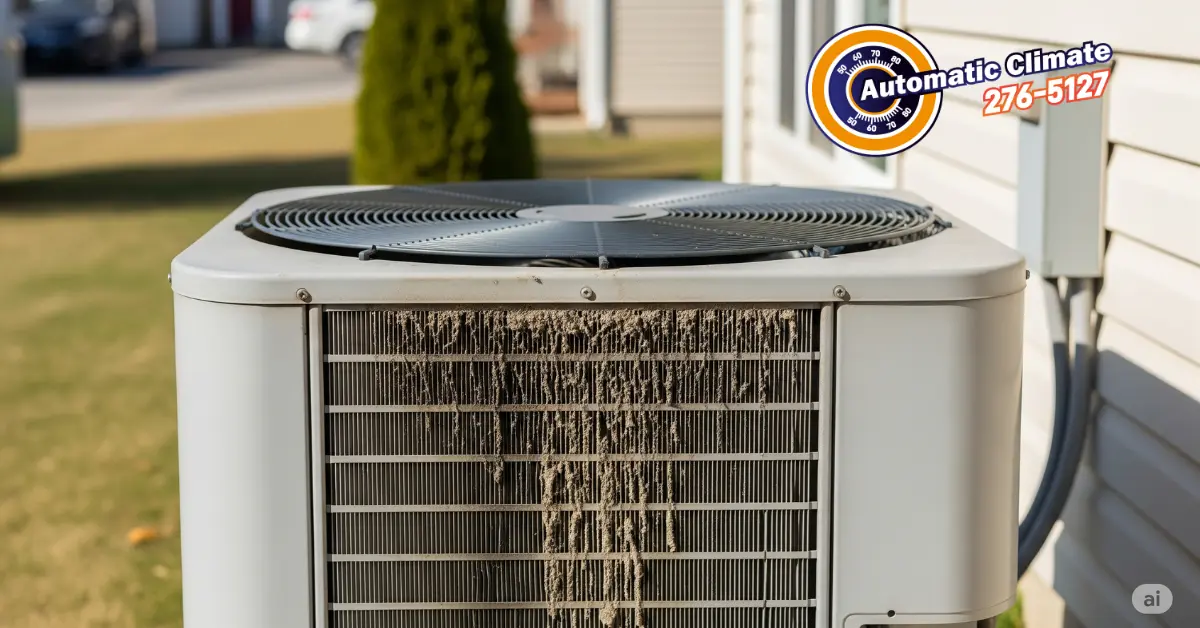
How an AC condenser works
The condenser sits outside your home. It moves heat from inside to outside. A fan pulls air through coils. Refrigerant releases heat as it changes from gas to liquid.
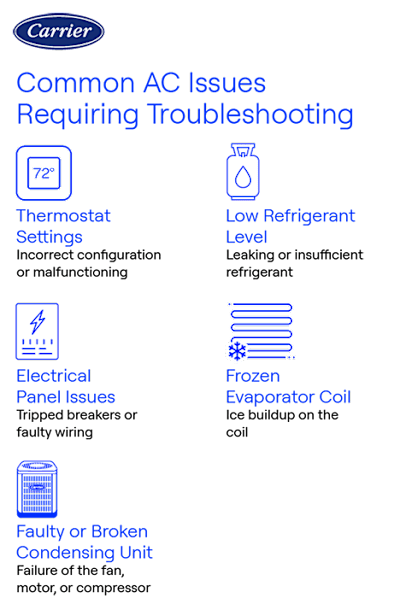
Knowing the parts helps with Ac Condenser Troubleshooting. Key parts are the compressor, condenser coils, fan motor, contactor, and refrigerant lines. If one part fails, the system struggles to cool.

Common symptoms that signal condenser trouble
Recognize problems early. That makes Ac Condenser Troubleshooting easier and cheaper.
- Warm air from vents. The system runs but does not cool the home.
- Loud or unusual noises. Grinding, rattling, or hissing point to trouble.
- Short cycling. The unit turns on and off quickly.
- Higher energy bills. The system works harder to deliver less cooling.
- Ice buildup on lines or coils. This is a sign of airflow or refrigerant issues.

Step-by-step Ac Condenser Troubleshooting guide
Follow these steps in order. They help you narrow down the cause. Always shut power before touching components.
-
Visual check
- Look for dirt, leaves, or debris around the condenser.
- Check coil fins for bent or blocked areas.
- Note any oil stains near service valves that could mean a leak.
-
Check power and controls
- Confirm the outdoor unit has power at the disconnect switch.
- Inspect the circuit breaker and fuses.
- Test the thermostat settings and batteries.
-
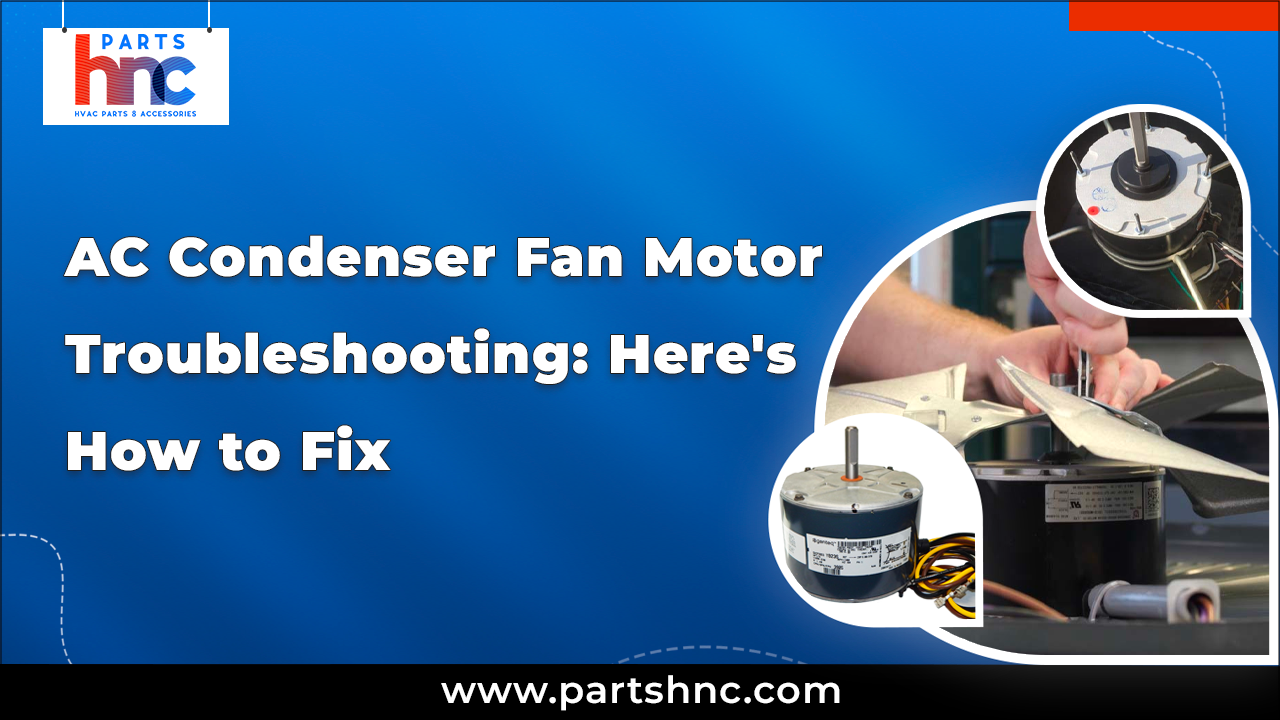
Inspect the fan and motor
- With power off, spin the fan. It should turn freely.
- If the fan is stuck or noisy, the motor or bearings may be bad.
- A failed fan reduces airflow and causes poor cooling.
-
Test the contactor and capacitors
- The contactor controls power to the unit. Look for pitting or burning.
- Capacitors help start the compressor and fan. Swollen or leaking capacitors need replacement.
- Use a multimeter or call a pro if you are unsure.
-
Check refrigerant charge
- Low refrigerant causes poor cooling and ice build-up.
- Signs include hissing sounds and oily residue near fittings.
- Refrigerant work requires certifications, so hire a licensed tech.
-
Look for compressor issues
- A failed compressor often causes the unit to hum or not start.
- If the compressor overheats or locks, do not repeatedly reset the breaker.
- Compressor replacement can be costly and may justify full system replacement.
-
Test airflow and ductwork
- Blocked or leaky ducts reduce cooling even if the condenser is fine.
- Clean filters and ensure return vents are open.
- Good airflow is vital for effective Ac Condenser Troubleshooting.
-
Run a performance test
- Measure supply and return air temps. Expect a 15-20°F drop.
- Monitor run times and energy use.
- Document findings to show a pro if needed.
Repeat or escalate steps based on what you find. Documenting each step helps track intermittent faults.
Tools, safety, and prep
Work smart and safe. These tools help with Ac Condenser Troubleshooting.
- Voltage tester or multimeter
- Nut drivers and socket set
- Fin comb for straightening coils
- Soft brush and coil cleaner
- Safety gear: gloves and eye protection
Safety tips
- Always shut power at the breaker and disconnect at the unit.
- Avoid touching refrigerant lines or valves if you are not certified.
- If you smell gas or see major oil leaks, leave and call a pro.

When to call a professional
Some problems need a licensed technician. Call a pro when:
- The compressor fails or hums but won’t start.
- You suspect a refrigerant leak or lack the required license.
- Electrical components show burning or repeated tripping.
- Repairs cost more than half the value of a new system.
A pro brings tools, parts, and certifications. They can run pressure tests and safe refrigerant recovery. This is a key step in responsible Ac Condenser Troubleshooting.
Preventive maintenance to avoid condenser failures
Good care cuts breakdowns and saves money. Add these tasks to your seasonal checklist.
- Clean the outdoor unit and clear 2 feet of space around it.
- Replace indoor filters every 1–3 months.
- Schedule yearly tune-ups with a certified technician.
- Inspect and tighten electrical connections annually.
- Keep shrubbery and mulch away from the condenser area.
Consistent maintenance reduces the need for emergency Ac Condenser Troubleshooting.
Common mistakes and lessons learned
I learned the hard way on some jobs. Here are mistakes to avoid.
- Jumping to replace the compressor without checking airflow first. A dirty coil often causes the same symptoms.
- Resetting the breaker repeatedly. This can hide wiring issues and damage components.
- Adding refrigerant without finding a leak. That fixes symptoms briefly but not the root cause.
- Skipping safety checks. I once saw a simple fuse fix that was missed because the breaker wasn't checked first.
Keep notes during troubleshooting. They speed up fixes and lower costs later.
Frequently Asked Questions of Ac Condenser Troubleshooting
What is the first thing to check when the condenser stops cooling?
Start with power and airflow. Check the outdoor disconnect, breaker, and clear debris from around the unit.
Can a dirty condenser coil cause the unit to stop cooling?
Yes. Dirt reduces heat transfer and cuts cooling capacity. Cleaning coils often restores normal function.
How do I know if the compressor is bad?
Look for humming, no start, or frequent tripping of the breaker. A pro can test winding resistance and pressures to confirm.
Is it safe to add refrigerant myself?
No. Handling refrigerant requires certification and proper tools. Incorrect handling can harm the environment and the system.
How often should I schedule professional maintenance?
Once a year is a good rule. For older systems, consider twice yearly checks to catch issues early.
Does low refrigerant always mean a leak?
Usually yes. Refrigerant does not vanish. Low charge typically means a leak that needs locating and repair.
Conclusion
Ac Condenser Troubleshooting is about clear steps, safe checks, and smart decisions. Start with power, airflow, and basic visual checks. Use small tests to narrow the issue before spending money. If a repair looks complex or involves refrigerant, call a licensed technician.
Take action today: inspect your condenser, clear debris, and schedule a tune-up if needed. Share your questions or results below or subscribe for more practical HVAC tips.

