

An AC gauge measures refrigerant pressure to diagnose, charge, and maintain air conditioning systems.
I have spent years working on HVAC systems and teaching others how to use tools correctly. In this article I explain clearly what an AC gauge is used for, how it works, when to use it, and practical tips from hands-on experience. Read on to learn real steps, common mistakes, and confident ways to keep your AC running well.

36% off Today’s Exclusive Deals
Limited-time Exclusive Deals. Check current discount on Amazon.
Check Price on Amazon As an Amazon Associate I earn from qualifying purchases.
What is an AC gauge used for?
An AC gauge is used to read refrigerant pressure in an air conditioning or refrigeration system. Knowing pressure lets you tell if the system has the right amount of refrigerant. It also helps find leaks, diagnose compressor issues, and verify system performance. When someone asks "What is an AC gauge used for?" they usually want to know how the tool helps keep an AC system healthy and efficient. I will walk through what the gauge shows and what those readings mean in real world work.

How AC gauges work
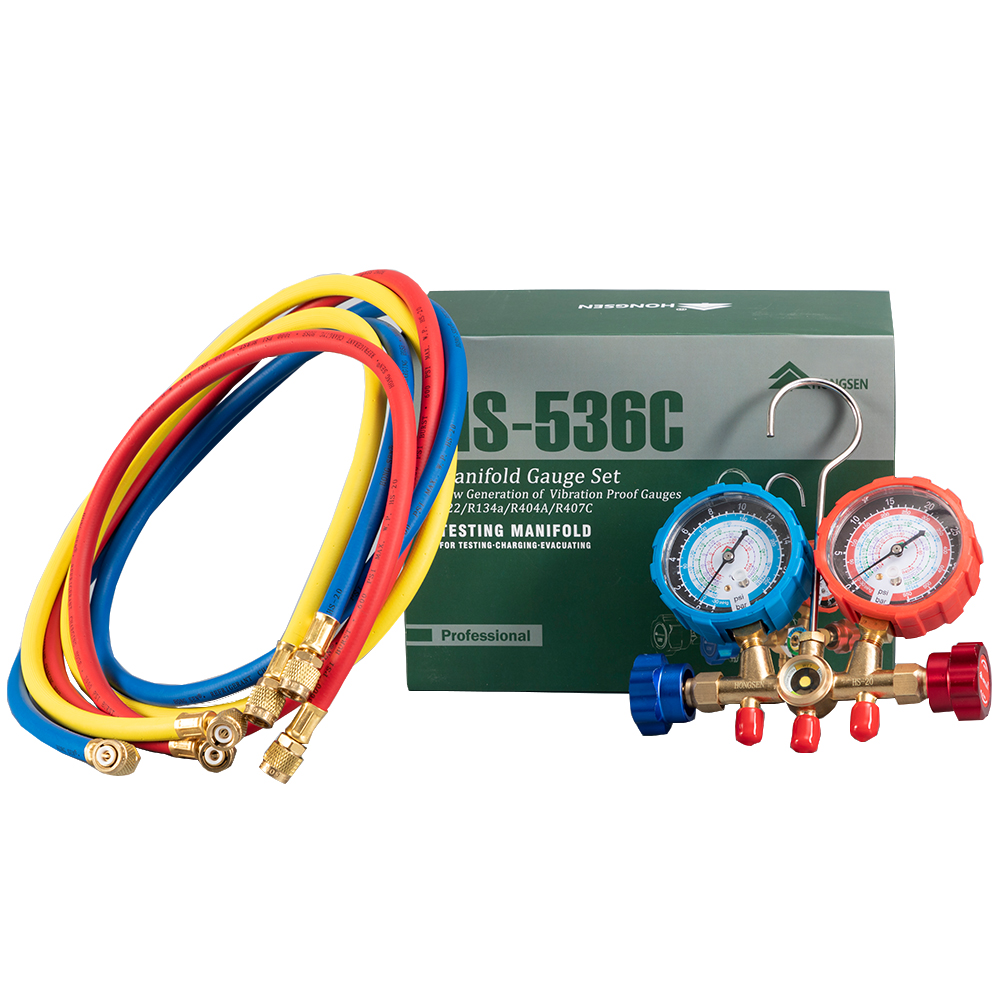
An AC gauge set has two main gauges. One reads low-side (suction) pressure. The other reads high-side (discharge) pressure. Hoses connect the gauges to service ports on the system. The gauges convert pressure to units you can read, like psi or bar. If you wonder "What is an AC gauge used for?" remember: it turns hidden pressures into clear numbers you can act on. Gauges also help tie pressure to temperature via refrigerant charts. That link tells you if the refrigerant is overcharged, low, or operating at the proper temperatures.

Types of AC gauges and when to pick each
There are a few common formats. Choose the right one for your job.
- Analog manifold gauges
- Good for quick checks. Durable and simple.
- Digital gauges
- More precise. Easier to read small changes.
- Single-line gauges and clamp-style tools
- Used for basic suction checks and maintenance.
Ask "What is an AC gauge used for?" and pick the type that fits your skill level and the task. For detailed diagnostics I prefer a digital manifold. For quick field checks, an analog set still works well.

When and why to use an AC gauge
You use an AC gauge to:
- Check system charge
- Low pressure often means low refrigerant. High pressure can mean a restriction or overcharge.
- Find leaks or blockages
- A big pressure drop on the low side can point to a leak or failed compressor.
- Verify performance after repair
- A correct pressure pattern shows the system is working as designed.
If you ask "What is an AC gauge used for?" remember it is a primary diagnostic tool. Use it during installation, routine service, after repairs, and when troubleshooting odd performance or noises.

How to read and use an AC gauge — step by step
Follow safe steps when you use an AC gauge. Short steps keep work clear.
- Turn off the system and connect hoses to the correct service ports.
- Start the system and let it run until stable.
- Read low-side and high-side pressures.
- Compare readings to expected values for the refrigerant and ambient temperature.
- Add or remove refrigerant only if needed and within code.
When people ask "What is an AC gauge used for?" they usually want these clear steps. Remember to wear safety glasses and follow local regulations when handling refrigerant.

Interpreting readings and common pressure patterns
A few simple patterns help you diagnose problems fast.
- Both low and high pressures low
- Likely undercharge or weak compressor.
- Low-side low and high-side high
- Could indicate a restriction like a blocked expansion device.
- Low-side near suction temp and high-side very high
- Possible overcharge or heat load problem.
As you learn, keep a refrigerant pressure-temperature chart handy. That lets you translate pressure to saturation temperature. This is why many technicians ask "What is an AC gauge used for?" — they want to turn pressure into meaningful system info.

Precautions, limitations, and safety
An AC gauge is powerful, but not perfect. Know the limits.
- Gauges show pressure, not exact refrigerant mass.
- Pressure alone may not reveal oil level or internal wear.
- Readings change with ambient temperature.
- Always note outdoor and indoor temps when diagnosing.
- Handling refrigerants requires certification in many places.
- Follow laws and safety practices.
I learned this the hard way on my first service call. I misread pressure without checking temperature and overcharged a system slightly. From that error, I now always record temperatures and use a chart. These small steps make a big difference.

Personal tips and common mistakes to avoid
From years on the job, here are short tips you can use.
- Always purge hoses before connecting to avoid air contamination.
- Use correct fittings to avoid leaks or cross-contamination.
- Take time to stabilize the system before reading gauges.
- Log readings and ambient conditions for future reference.
- If unsure, consult a certified technician rather than guessing.
If you still ask "What is an AC gauge used for?" keep this simple rule: the gauge is your eyes into the refrigerant loop. Use it with care and respect.
PAA-style quick questions
What pressures indicate low refrigerant?
Low-side pressure below expected saturation temperature and low high-side pressure together usually indicate low refrigerant.
Can I charge my AC by pressure alone?
No. Charging by pressure only can lead to overcharging. Use temperature, manufacturer specs, and charge charts too.
How often should gauges be used for maintenance?
Use gauges during annual tune-ups or whenever performance drops. Regular checks prevent large failures.
Is a digital gauge better than analog?
Digital gauges give finer resolution and easier logging. Analog gauges are rugged and work well in many field situations.
Do gauges help find leaks?
Yes. Abnormal pressure patterns and persistent low pressure point to leaks, but leak detection tools confirm them.
[No CodeImg after FAQ]
Frequently Asked Questions of What is an AC gauge used for?
What is an AC gauge used for in basic terms?
An AC gauge is used to measure pressure in an air conditioning system. It helps tell if the system is charged correctly and operating properly.
Can an AC gauge detect leaks?
An AC gauge can suggest a leak by showing low pressure, but you need leak detection tools to confirm the leak location.
How do I know which gauge to buy?
Choose a gauge based on your needs: analog for simple checks, digital for accuracy and logging. Consider compatibility with your refrigerant type.
Is it safe for a homeowner to use an AC gauge?
Homeowners can take basic readings, but adding or removing refrigerant usually requires certification and safety training.
How often should I use an AC gauge for my HVAC unit?
Use a gauge during annual maintenance and whenever you suspect poor cooling or unusual noise. Regular checks catch problems early.
Conclusion
An AC gauge is a core tool for anyone who cares for air conditioning systems. It reads pressures that reveal charge level, blockages, and performance issues. Use gauges with proper safety steps, check temperatures, and follow local regulations. My practical tip: take clear notes and learn to pair pressure with temperature for confident decisions. Start using gauges on simple checks, and build your skill with experience. If this helped, try a basic pressure test on your unit or share your questions below to learn more.

