

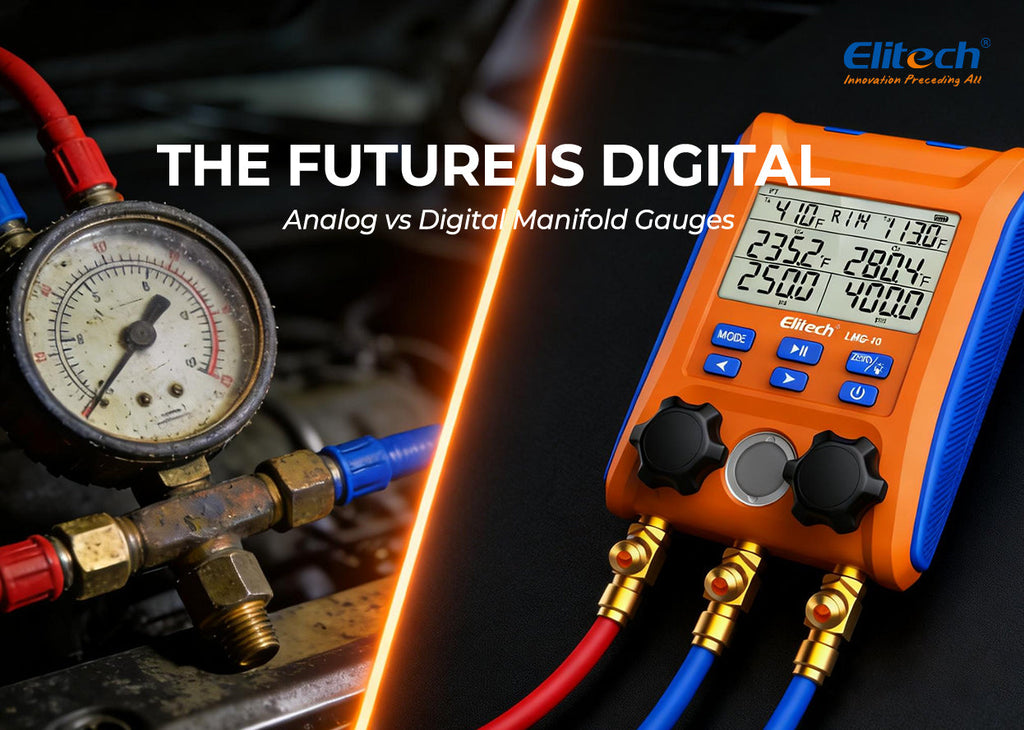
Analog gauges use mechanical needles and dials; digital gauges use electronic sensors and numeric displays.
I’ve worked on HVAC systems and tested both types of gauges for years, so I’ll walk you through what is the difference between analog and digital AC gauges? This guide breaks down how each gauge reads pressure, how accurate and durable they are, where they shine, and how to choose the right tool for your job. Expect clear comparisons, practical tips from real-world use, and simple steps for getting the best readings from either type.

36% off Today’s Exclusive Deals
Limited-time Exclusive Deals. Check current discount on Amazon.
Check Price on Amazon As an Amazon Associate I earn from qualifying purchases.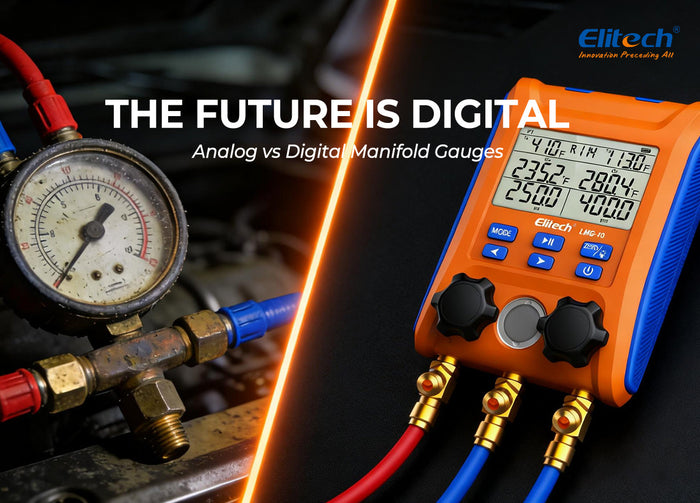
Understanding analog and digital AC gauges
What is the difference between analog and digital AC gauges? At the core, analog AC gauges display pressure with a mechanical needle on a dial. Digital AC gauges convert pressure signals from sensors into a numeric readout on an electronic display.
Analog gauges rely on mechanical parts such as Bourdon tubes that bend with pressure to move a needle. Digital gauges use electronic pressure transducers and microprocessors to show values with higher resolution. Both measure the same physical property, but their designs affect accuracy, ease of use, and durability.

Key differences explained
What is the difference between analog and digital AC gauges? Here are the practical distinctions to consider.
- Accuracy and resolution: Digital gauges typically give higher resolution readings (0.1 units or finer) while analog gauges show broader increments and depend on the user to read between marks.
- Response speed: Analog needles move continuously and give a quick visual sense of change; digital displays can update quickly but sometimes appear to lag visually for small fluctuations.
- Readability: Digital displays are easier to read in poor light and at a glance. Analog dials are simpler for trend observation over time.
- Durability and ruggedness: Analog gauges tolerate drops and rough handling better in many cases. Digital units are sensitive to moisture and impact unless specifically ruggedized.
- Features and data: Digital gauges often log data, switch units automatically, and connect to phones or data loggers. Analog gauges are straightforward and require no power.
- Cost and maintenance: Analog gauges are usually cheaper upfront and simpler to maintain. Digital gauges cost more but can save time with faster troubleshooting and data features.
These differences matter depending on whether you need quick diagnostics, precise measurements for charging refrigerant, or long-term monitoring.
Practical use cases: who should use which
What is the difference between analog and digital AC gauges? The choice depends on the task and the user.
- HVAC technicians: prefer digital gauges for precision charging, leak testing, and data logging. Digital units make it easier to hit target pressures and record work.
- DIYers and homeowners: analog gauges are often more affordable and easier to use for basic checks, although entry-level digital models can be user-friendly.
- Laboratories and research: digital gauges are favored for high precision and repeatable results.
- Mobile service and rough environments: rugged analog gauges can survive bumps and exposure better unless you buy a ruggedized digital model.
Match the gauge to your workflow. If you need repeatable accuracy and record-keeping, lean toward digital. If you want resilience and simplicity, analog is fine.

Calibration, maintenance, and accuracy tips
What is the difference between analog and digital AC gauges? Calibration and care influence which one stays reliable.
- Calibration frequency: Digital sensors drift over time and benefit from annual calibration for critical work. Analog gauges also need periodic checks, especially after drops or rough use.
- Storage and handling: Store both types away from extreme heat, moisture, and magnetic fields. Digital electronics hate moisture; analog mechanical parts hate strong impacts.
- Checking accuracy: Compare your gauge against a known reference or calibrated master gauge. For digital units, check sensor zero and span. For analog, inspect the needle at zero and test with a controlled pressure source.
- Batteries and power: Digital gauges need batteries or charging. Keep spares and check battery level before jobs. Analog gauges are always ready without power.
Proper maintenance keeps both gauge types trustworthy. For precise work, schedule calibration and verify readings before charging refrigerant.
Personal experience and common mistakes
What is the difference between analog and digital AC gauges? From hands-on work, I’ve learned that understanding the tool beats relying on the label.
Early in my career I used analog gauges for speed, only to miss small leaks that a digital gauge later revealed. Later, I carried a rugged analog as a backup because a field drop ruined one digital gauge during a rainy job. Common mistakes I’ve seen include:
- trusting a single reading without cross-checking,
- not zeroing or taring a digital gauge before measurement,
- misreading an analog dial when the needle vibrates.
Lesson learned: carry a reliable reference, keep batteries fresh, and choose the gauge that matches the precision you need.
Pros and cons at a glance
What is the difference between analog and digital AC gauges? Below is a quick comparison list to help decide.
- Analog pros: simple, rugged, no power needed, lower cost.
- Analog cons: lower resolution, possible parallax errors, limited features.
- Digital pros: high resolution, easy reading, data logging, multi-unit displays.
- Digital cons: higher cost, battery dependence, vulnerability to moisture and shock.
Pick based on priorities: rugged simplicity or feature-rich precision.

Related concepts and terms to know
What is the difference between analog and digital AC gauges? Knowing related terms helps you use either gauge correctly.
- Pressure units: PSI, bar, kPa, and inches of mercury are common; digital gauges switch units with a button, analog gauges show one set of units.
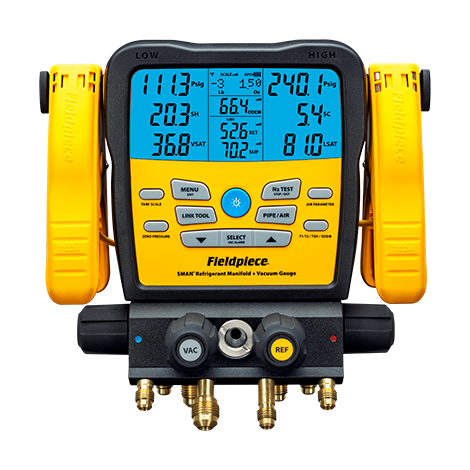
- Manifold gauges: sets that monitor high and low side pressures; available in analog and digital forms.
- Refrigerant types: different refrigerants require different target pressures; digital gauges help convert and log values.
- Transducer and sensor drift: electronic sensors change slightly over time. Calibration accounts for that.
- Vacuum measurement: some digital gauges measure deep vacuum better than analog alternatives.
These terms matter when diagnosing systems or when comparing gauge specs.

Frequently Asked Questions about What is the difference between analog and digital AC gauges?
What is more accurate, analog or digital AC gauges?
Digital AC gauges are generally more accurate and offer finer resolution. Analog gauges can be accurate but usually display larger increments and rely on user reading.
Which gauge is better for HVAC technicians?
Many HVAC technicians prefer digital gauges for precise charging, data logging, and quick unit conversions. Analog gauges remain useful as rugged backups for basic checks.
How often should I calibrate AC gauges?
Calibrate digital sensors annually for critical work, or whenever readings seem off. Analog gauges should be checked after drops, exposure, or once a year if used frequently.
Can analog and digital gauges be used together?
Yes, using both can be smart: digital for precise measurements and analog as a durable backup. Comparing both can also validate readings in the field.
Do digital gauges require special care in the field?
Yes, protect them from moisture, impacts, and extreme temperatures, and keep batteries or chargers handy. Rugged digital models are available for harsh conditions.
Conclusion
Both analog and digital AC gauges have clear strengths. Analog gauges win for simplicity, toughness, and cost-effectiveness, while digital gauges excel in accuracy, readability, and data features. Think about the tasks you do most, your need for precision, and the environment you work in, then pick the tool that matches those needs. Try using both: carry a digital gauge for precision and an analog as a backup, and always verify readings before critical work. If this helped, try one of each on your next job, leave a comment with your experience, or subscribe for more hands-on HVAC tips.

