

Colors on an AC gauge show pressure zones: blue/low, green/normal, yellow/warn, red/high.
I have spent years diagnosing car and home AC systems. I will explain what the colors on an AC gauge mean, why they matter, and how to read them safely. This guide breaks down color meanings, common causes, troubleshooting tips, and real-world examples so you can act with confidence.

36% off Today’s Exclusive Deals
Limited-time Exclusive Deals. Check current discount on Amazon.
Check Price on Amazon As an Amazon Associate I earn from qualifying purchases.
How AC gauges work
AC gauges measure pressure in the cooling system. Technicians use them to read low-side and high-side pressures. Gauges convert pressures to temperature-equivalent values for different refrigerants. Colors on an AC gauge give a quick visual cue of pressure ranges. That helps techs decide if a system is undercharged, normal, or overpressured.
- Low-side gauge reads suction pressure near the evaporator.
- High-side gauge reads discharge pressure near the compressor.
- Many gauges show colored zones for quick assessment.
- Hose colors also aid quick hookups and safety.

What the colors on an AC gauge mean
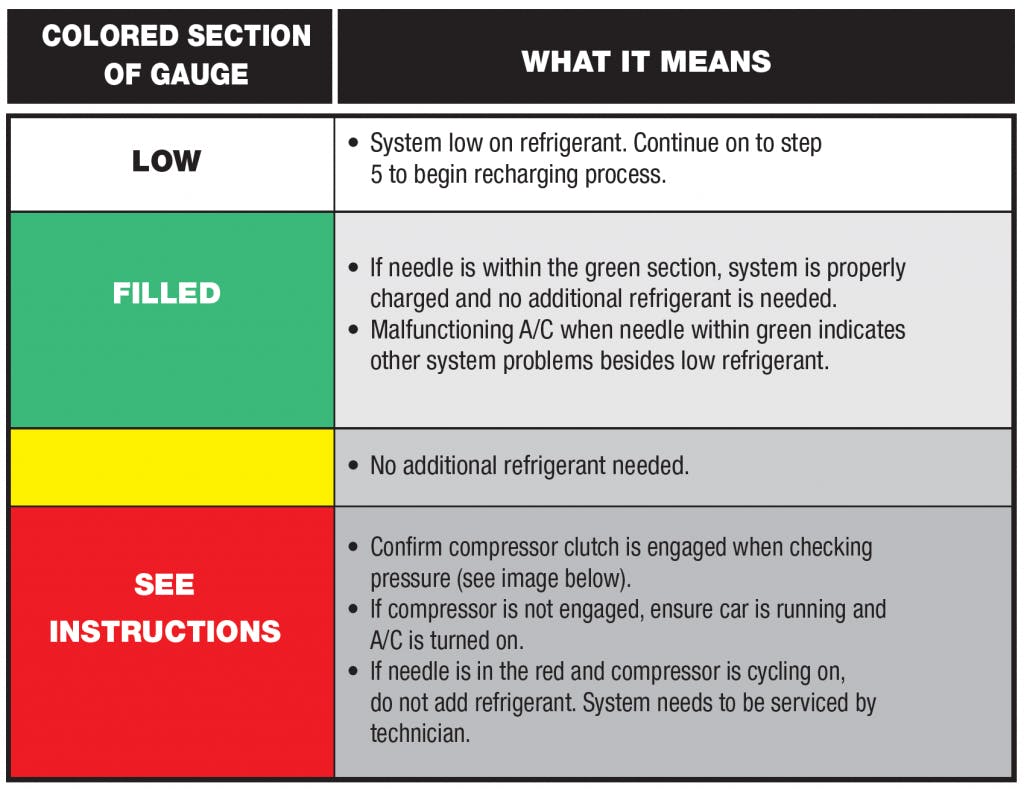
Colors help you see a problem fast. The exact shade and range vary by gauge and refrigerant, but the common color logic stays the same. Below I explain usual meanings and common hose color codes.
Blue or light-blue
- Usually marks low-pressure zones or the low-side gauge face.
- Indicates undercharge or a very cold suction line when low.
- On manifold sets, the blue hose is for the low side.
Green
- Marks the normal operating pressure range.
- Green means the system likely has the correct refrigerant charge.
- If both sides read in green, the AC likely runs well.
Yellow or amber
- Signals caution or borderline pressure.
- Could mean mild undercharge, restriction, or that conditions are off (hot day, heavy load).
- Yellow often flags a need for further testing.
Red
- Marks high-pressure danger or overpressure.
- High-side red reading can mean overcharge, blocked condenser, or failing fan.
- Red calls for immediate caution and may need shutdown.
Hose color quick guide
- Blue hose connects to low-side (suction).
- Red hose connects to high-side (discharge).
- Yellow hose is usually the service or refrigerant hose used for charging or recovery.
Note on gauge faces versus hoses: colors on gauge faces are pressure zones. Hose colors are connection helpers. Both are important for safe and correct service.
 readings”
style=”max-width: 100%; height: auto; border: 2px solid black; border-radius: 10px; display: block; margin: 0 auto;”
loading=”lazy”
/>
Common causes that trigger colored readings
Colors point to what to test next. Here are common causes mapped to colors you will see.
When you see blue (low)
- Low refrigerant charge from a leak.
- Metering device issues or large suction superheat.
- Very cold ambient or a stuck-open thermal expansion valve.
When you see green (normal)
- Proper refrigerant charge and good airflow.
- Working compressor and no major restrictions.
- Normal system cycling.
When you see yellow (caution)
- Small leaks or marginal charge.
- Partial airflow blockage or mildly restricted expansion device.
- Hot ambient conditions raising pressures.
When you see red (high)
- Overcharged system.
- Blocked condenser or poor airflow over condenser fins.
- Compressor problems or mechanical restriction.
- Refrigerant type mismatch causing unexpected pressure.
Safety and troubleshooting tips
Always treat colored warnings seriously. Simple checks avoid damage and injury.
- Wear safety goggles and gloves when working with refrigerant.
- Confirm gauge colors match the refrigerant chart for that system.
- Compare readings to manufacturer pressure vs temperature charts.
- Check fans and condenser airflow if pressures are high (red).
- Look for oil stains, dye, or hiss that indicate leaks for low readings (blue).
- If yellow appears, run more tests: measure superheat, subcooling, and airflow.
- Never add refrigerant because a gauge reads red. Diagnose first.
- Use correct hoses and adapters to avoid cross-contamination.

Refrigerant type matters
The same color zones can represent different numeric pressures for different refrigerants. Know the refrigerant type before you interpret colors.
- R-134a operates at different pressures than R-1234yf or R-410A.
- A green zone for one refrigerant may sit at very different psi for another.
- Always consult an up-to-date pressure-temperature (P-T) chart for the refrigerant used.
Practical note: I once misread a gauge by assuming R-134a numbers for a system running R-1234yf. The colors looked "normal," but pressures were off for that refrigerant. Always confirm refrigerant type first.
Real-life examples and lessons learned
I have serviced both car and home AC. Here are practical examples that show how colors helped me.
Example 1 — Car AC low (blue)
- The low-side stayed deep blue while the high-side was low-normal.
- Leak found at a Schrader valve. Repaired and recharged; colors moved into green.
Example 2 — Home AC high (red)
- High-side read red on a hot day and cooling dropped.
- Condenser fan motor had failed. Replaced fan; pressures returned to green.
Common mistakes to avoid
- Adding refrigerant because the gauge reads slightly low (blue) without confirming a leak.
- Ignoring red readings during long runs — bad outcomes and damage follow.
- Using the wrong P-T chart for the refrigerant.
When to call a professional
Some colors and patterns need a trained hand.
- Call a pro for persistent red high-side readings.
- Seek professional help for refrigerant recovery and leaks.
- If you lack proper gauges or recovery tools, do not attempt charging.
- If diagnostic steps don’t move colors toward green, a technician should inspect components and controls.

Frequently Asked Questions of What do the colors on an AC gauge mean?
What does a green gauge color indicate on my AC?
Green usually means the pressure is within the normal operating range for that refrigerant and condition. It suggests the refrigerant charge and airflow are likely correct.
Why is the low-side gauge blue?
Blue typically marks the low-pressure or suction side. A blue reading can indicate the system is undercharged or operating with a very cold suction line.
Does red on an AC gauge mean danger?
Yes. Red signals high pressure and possible danger. High pressure can damage components and requires immediate diagnosis.
Do hose colors always match gauge colors?
Hose colors are standardized for connection: blue for low, red for high, yellow for service. Gauge face colors are pressure zones and are related but not identical.
Can ambient temperature change the color reading?
Yes. Hot ambient temperatures raise pressures and can push readings into yellow or red. Always consider weather when interpreting colors.
Conclusion
Colors on an AC gauge give a fast snapshot of system health. Blue means low or suction issues, green means normal, yellow signals caution, and red warns of high pressure. Use colors as a starting point. Confirm refrigerant type, check P-T charts, and follow safe troubleshooting steps. If you see persistent red or you are unsure, get a trained technician involved. Try these tips the next time you check an AC system, and leave a comment sharing your experience or questions.

