

A digital four valve manifold with a micron vacuum gauge is the best AC gauge for most HVAC work.
As a HVAC technician with over a decade of hands-on experience servicing split systems, heat pumps, and chillers, I’ve tested dozens of gauge sets in the field. This guide answers the core question, What is the best AC gauge for HVAC work? and walks you through types, selection criteria, real-world tips, and common mistakes so you can pick gear that saves time, improves accuracy, and protects systems.

36% off Today’s Exclusive Deals
Limited-time Exclusive Deals. Check current discount on Amazon.
Check Price on Amazon As an Amazon Associate I earn from qualifying purchases.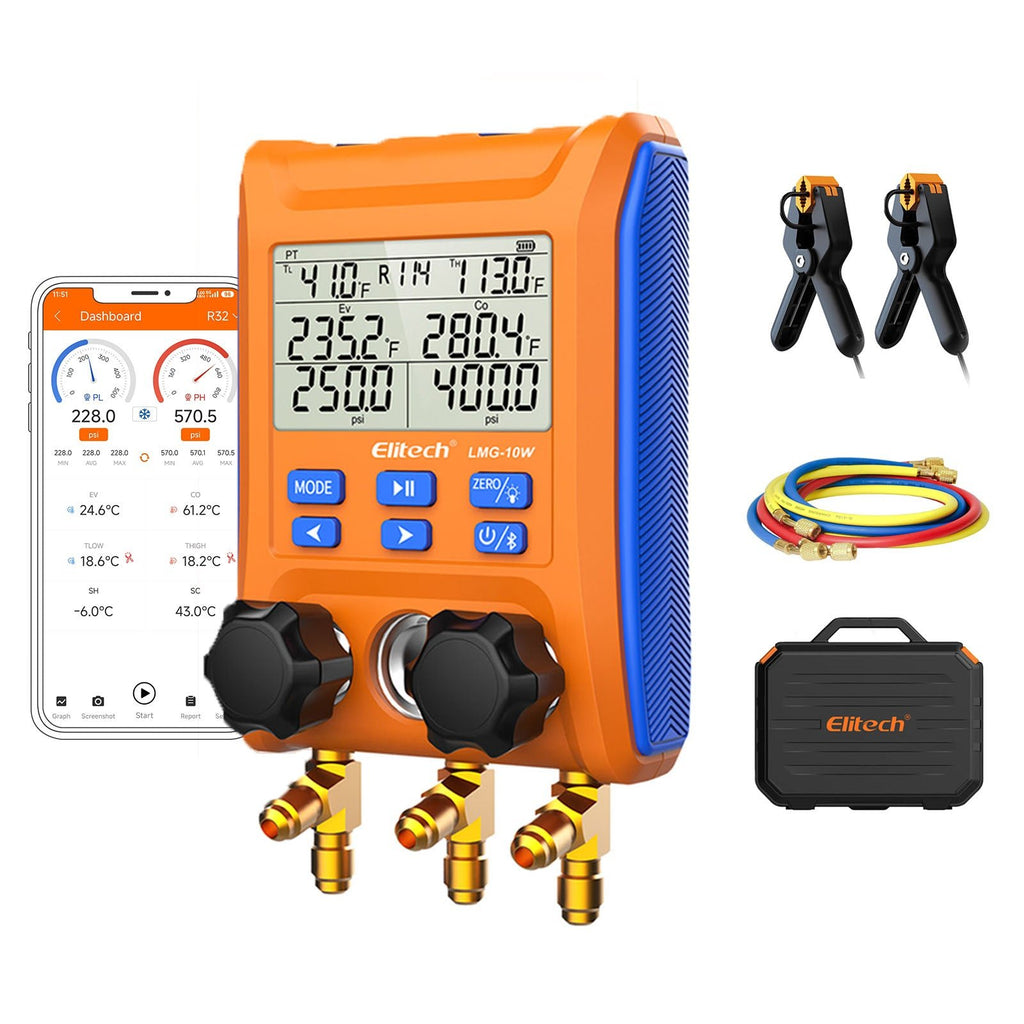
Why AC gauges matter for HVAC work
AC gauges tell you pressure, vacuum, and refrigerant state. They guide safe charging, evacuation, leak checks, and diagnostics. Choosing the right gauge cuts rework and reduces service visits.
Good gauges give repeatable readings. That matters when charging to a target superheat or verifying system recovery. Bad or mismatched gauges can lead to overcharge, poor efficiency, or compressor damage.
What is the best AC gauge for HVAC work? It must be accurate, compatible with modern refrigerants, and tough enough for daily trade use.
Types of AC gauges and manifold sets
Analog manifold sets
- Classic and durable.
- Easy to read at a glance.
- Limited data logging and lower vacuum resolution.
Digital manifold sets
- Offer precise pressure readings, temperature compensation, and data capture.
- Often include backlit screens and USB or Bluetooth output.
- Better for complex systems and documentation.
4 valve vs 2 valve manifolds
- 4 valve sets let you isolate both sides independently and do mid- and low-side work without extra hose changes.
- 2 valve sets are simpler and lighter but need more hose swapping.
Micron and vacuum gauges
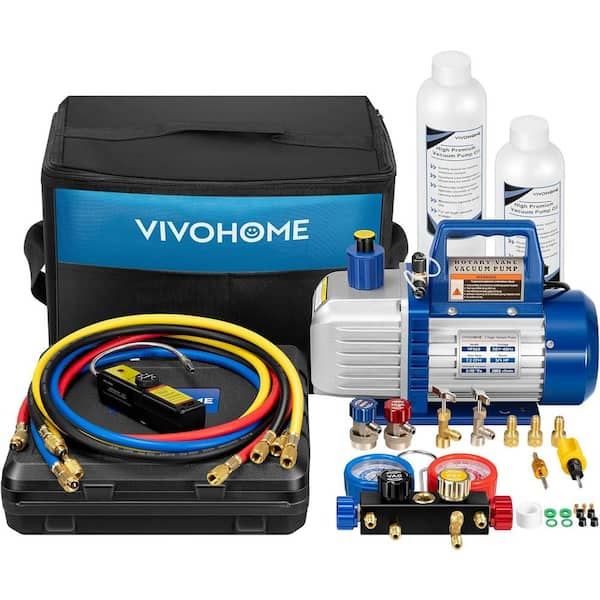
- Micron gauges measure deep vacuum and are essential for proper dehydration before charging.
- Use micron readings, not just mmHg on a vacuum pump gauge, for reliable moisture removal.
Pressure-only gauges
- Handy for quick checks but insufficient for charging to tight specs.
- Use only as a supplement, not as the main tool for precision work.
Hose and valve quality
- Look for reinforced hoses and robust ball or needle valves that hold pressure and resist wear.
What is the best AC gauge for HVAC work? For most pros, a digital four valve manifold with a micron gauge and quality hoses covers almost every job.

Criteria to choose the best AC gauge for HVAC work
Accuracy and resolution
- Choose gauges with high accuracy for both high and low pressures.
- Micron resolution matters for vacuum work; aim for single-digit micron readings for best dehydration.
Refrigerant compatibility
- Confirm the set supports the refrigerants you service, including R410A, R454B, and other blends.
- High-pressure refrigerants need gauges rated for their max pressure.
Build quality and durability
- Metal manifolds and brass fittings last longer than cheap plastic.
- Replaceable hoses and serviceable valves extend tool life.
Range and scale
- Look for wide pressure ranges and dual scales (psi and kPa) for flexibility.
- Digital sets should show both pressure and temperature-compensated values.
User interface and data
- Backlit screens, units switching, and logging help when documenting work or troubleshooting remotely.
- Bluetooth or USB can speed reporting and client transparency.
Calibration and certification
- Choose tools with clear calibration specs and options for recalibration.
- Traceable calibration boosts trust on higher-stakes jobs.
Portability and ergonomics
- Weight matters when you carry tools all day.
- Comfortable grips and smart case design improve workflow.
What is the best AC gauge for HVAC work? Prioritize accuracy, refrigerant coverage, and micron vacuum capability when evaluating options.

Top recommended setups and real-world advice
Best all-around setup for pros
- A digital four valve manifold that reads both pressure and temperature, paired with a standalone micron vacuum gauge.
- Use this combo for most residential and light commercial systems.
Best for high-pressure systems
- Choose gauges rated for higher bar and psi values and validated for R410A and other high-pressure blends.
- Ensure hoses and fittings are rated to match.
Best budget starter option
- A solid analog manifold with good hoses and a separate reliable micron gauge.
- This gives accuracy on a budget while allowing upgrades later.
Personal tip from the field
- I often carry a handheld digital manifold plus a small micron gauge. The digital set quick-checks pressures and records values, while the micron gauge proves a deep vacuum. This combination saved me from a costly compressor replacement after one job.
Test the tools before use
- Check zero and leak-test valves before starting a job.
- Keep a small calibration log and a spare hose set in your van.
What is the best AC gauge for HVAC work? The best setup is one you can trust and calibrate, and that fits the refrigerants and pressure ranges you handle daily.

How to use an AC gauge set correctly — step-by-step
- Inspect the set
- Check hoses, fittings, and valves for wear or leaks.
- Verify the micron gauge zeroes out at ambient.
- Connect safely
- Use correct fittings and tighten by hand, then a snug quarter turn with a wrench.
- Always wear eye protection and gloves.
- Evacuate and measure micron
- Pull a vacuum to below 500 microns for systems with new components, and below 1000 microns for simple service jobs.
- Hold the vacuum and watch for rise; a rise indicates a leak or moisture boil-off.
- Charge by weight and pressure/temperature
- Weigh refrigerant for accuracy when possible.
- Use pressure readings and temperature compensation to set target superheat or subcooling.
- Document and verify
- Log readings, times, and steps.
- Re-check after a run cycle to confirm stability.
What is the best AC gauge for HVAC work? Use tools that give you micron-level evacuation data plus precise pressure and temperature readouts for correct charging.

Common mistakes and troubleshooting with AC gauges
Relying on analog vacuum mmHg only
- mmHg pumps don’t show deep vacuum well. Use a micron gauge for real results.
Not checking gauge calibration
- Old or bumped gauges drift. Calibrate regularly or replace if inconsistent.
Using wrong range for refrigerant
- Low-rated gauges can be damaged by high-pressure refrigerants. Match ratings to refrigerant.
Hose leaks and bad fittings
- Loose or cut hoses make readings useless. Inspect and replace regularly.
Ignoring thermal compensation
- Pressure must be converted to saturation temperature for proper superheat/subcooling checks. Use gauge or app that does this automatically.
What is the best AC gauge for HVAC work? Avoid these mistakes by choosing compatible, calibrated tools and by following a consistent procedure.
Frequently Asked Questions of What is the best AC gauge for HVAC work?
What type of gauge is best for modern refrigerants?
A digital manifold with broad pressure range and micron vacuum capability is best for modern refrigerants. It handles high-pressure blends and offers accurate readings for charging and diagnostics.
Can I rely on analog gauges for professional work?
Analog gauges can work but lack fine vacuum resolution and data logging. For precise evacuation and documentation, pair an analog set with a micron gauge or go digital.
How often should I calibrate my AC gauges?
Calibrate annually or after any shock, heavy use, or suspect reading. Regular checks ensure accuracy and prevent costly mistakes.
Do I need a micron gauge for every job?
You need a micron gauge when you evacuate systems or replace critical components. For basic pressure checks, it’s not required, but it’s strongly recommended for proper dehydration.
Are Bluetooth or data logging features worth the cost?
Yes, for diagnostics, warranty work, and client reporting, data logging saves time and proves you followed proper procedures. It also helps track intermittent faults.
Conclusion
Choosing the best AC gauge for HVAC work means balancing accuracy, refrigerant compatibility, and real-world durability. A digital four valve manifold combined with a reliable micron vacuum gauge covers most jobs and reduces guesswork. From years on the tools, I recommend investing in accurate gauges, keeping them calibrated, and pairing pressure readings with micron checks to protect systems and your reputation. Start by auditing the refrigerants and pressure ranges you service, then pick a setup that fits those needs and your budget. If this guide helped, try one recommended setup on your next job, share your results, or leave a comment below.

