

Carrier Comfort Pro APU issues are usually electrical, fuel, or thermostat faults and often diagnosable onsite.
I’ve worked on transport refrigeration and APU systems for years, and this deep guide covers Carrier Comfort Pro Apu troubleshooting step by step. You’ll find clear diagnostics, simple tests you can run, parts to check, and when to call a pro. I’ll share practical tips from hands-on experience, common mistakes to avoid, and tested fixes so you get your APU back to reliable operation quickly.

36% off Today’s Exclusive Deals
Limited-time Exclusive Deals. Check current discount on Amazon.
Check Price on Amazon As an Amazon Associate I earn from qualifying purchases.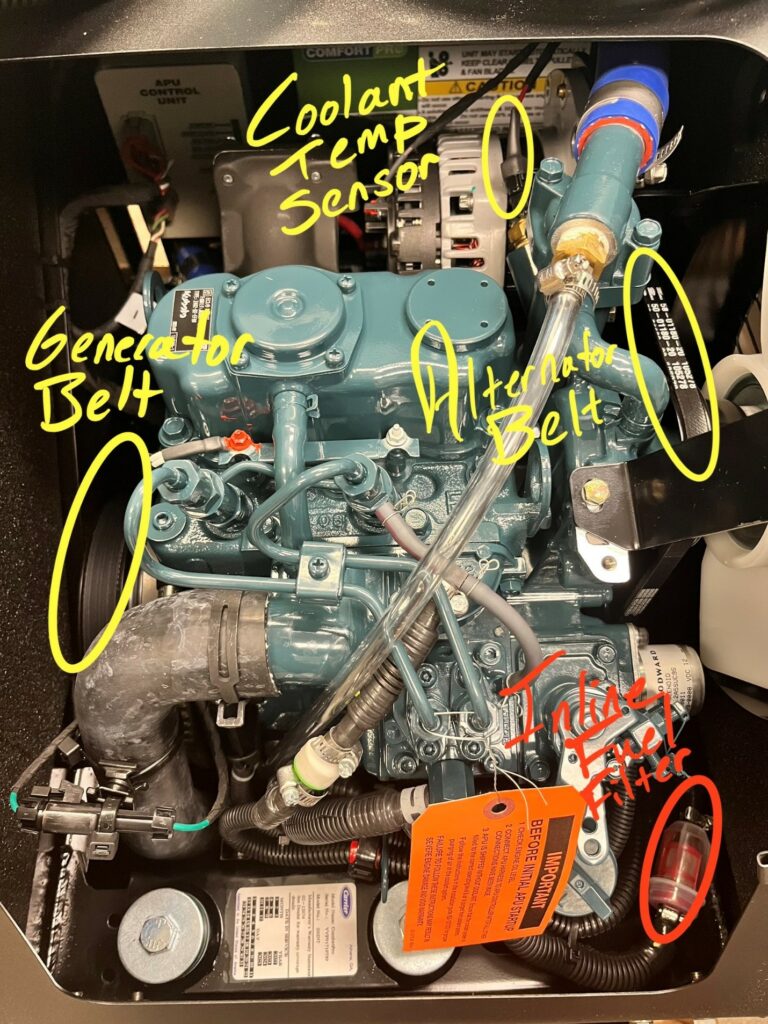
Common Symptoms and What They Mean
Carrier Comfort Pro Apu troubleshooting often begins with recognizing symptoms. Symptoms point to likely causes and set the order of checks.
- Unit fails to start
- Could be battery, starter, or safety interlocks.
- Runs but does not cool
- Likely compressor, refrigerant leak, or airflow restriction.
- Erratic runtime or frequent cycling
- Thermostat faults, sensor issues, or dirty condenser.
- Loud noises or vibrations
- Loose mounts, failing compressor bearings, or belt problems.
- Error codes or fault lights
- Control module detected specific issue; check diagnostics.
From my experience, many calls labeled "no cooling" were a clogged condenser or low charge. Start with the easy checks before replacing major parts.
First-Line Troubleshooting Steps
Begin with simple, safe steps. These often fix common problems and save time.
- Safety first
- Turn off power. Follow lockout procedures. Wear gloves and eye protection.
- Check power and battery
- Inspect battery voltage and terminals. A weak battery causes starting and control faults.
- Inspect fuses and breakers
- Replace blown fuses and reset tripped breakers after finding root cause.
- Visual walk-around
- Look for loose belts, damaged wiring, oil or refrigerant stains, and debris on the condenser.
- Check fuel and fluid levels
- Low fuel or oil cutouts can prevent operation.
- Read control panel errors
- Record codes, times, and conditions. Codes narrow troubleshooting significantly.
These steps often identify the cause. For example, I once solved frequent shutdowns by cleaning a blocked condenser screen that had been insect-clogged.

Understanding Diagnostic Codes and Alarms
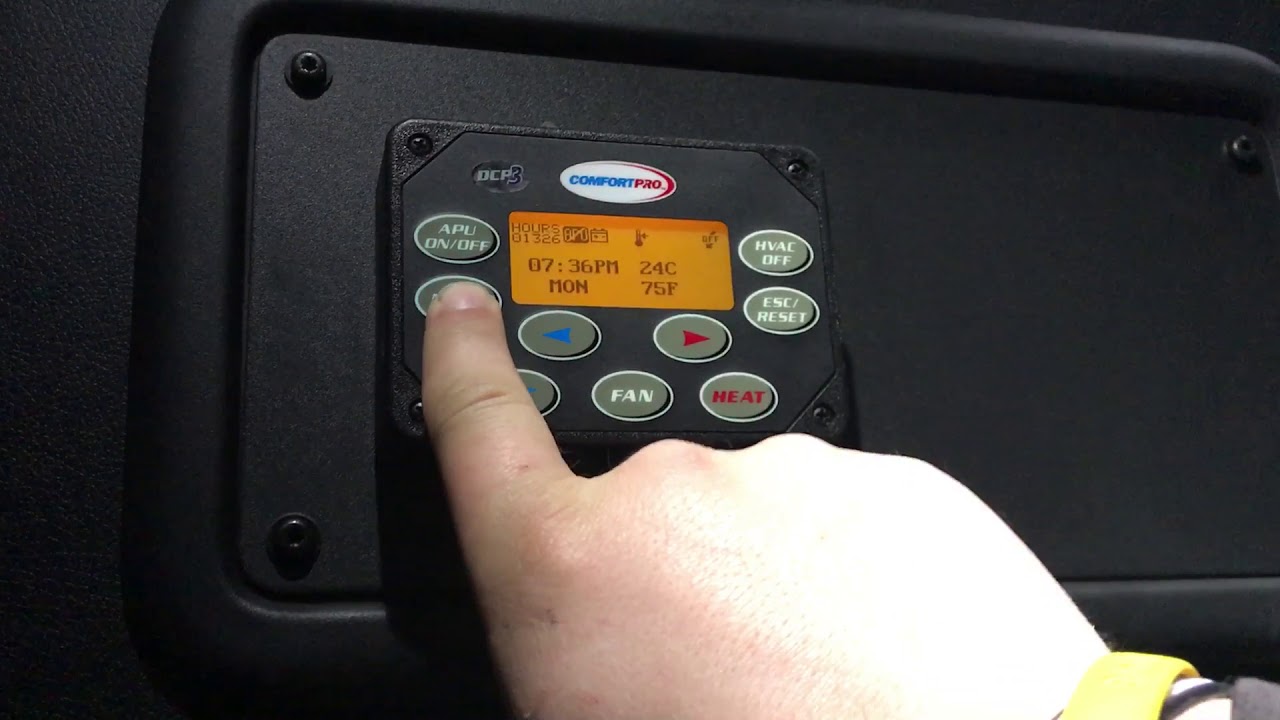
Carrier Comfort Pro Apu troubleshooting is faster when you interpret codes correctly. The control display provides fault codes and statuses.
- Read and note codes
- Power up and let the control finish self-check. Record exact code numbers.
- Typical code categories
- Electrical faults, sensor failures, low refrigerant, high head pressure, or overtemp.
- Clearing and reproducing faults
- Clear codes only after fixing the root cause. Try to reproduce the fault to confirm repair.
- Use the manual
- The service manual maps codes to causes and test steps. Consult it for step-by-step checks.
When you log codes, also log ambient temp, load, and recent maintenance. That context helps pinpoint intermittent faults.
Electrical, Battery, and Starter Issues
Electrical faults are the most common cause of Carrier Comfort Pro Apu troubleshooting calls. Focus here early.
- Battery checks
- Measure voltage at rest and under crank. Replace batteries that do not hold charge or show heavy sulfation.
- Ground and connector inspection
- Clean corrosion. Tighten ground straps. Check crimped terminals for heat damage.
- Starter and alternator
- Listen for click/no crank. Test starter draw and alternator output.
- Control module and harness
- Inspect harness for chafing. Verify the module has stable supply voltage.
- Safety interlocks and sensors
- Door switches, seat switches, and other interlocks can inhibit operation. Test continuity.
A trick I use: measure voltage at the control module while attempting start. Voltage drop below 10.5V often causes odd errors that mimic sensor failures.
Cooling and Refrigeration Problems
When the APU runs but does not cool effectively, follow a methodical refrigeration check.
- Airflow first
- Clean condenser fins and screens. Ensure fans run and shroud is intact.
- Refrigerant charge
- Low charge reduces cooling. Use proper gauges and follow manufacturer service procedures for recovery and recharge.
- Compressor health
- Check oil level, listen for abnormal noise, and test clutch engagement if applicable.
- Expansion device and evaporator
- Blocked or frozen evaporator can cause poor cooling. Verify defrost and thermostatic operation.
- Pressure and temperature checks
- Compare pressures and temperatures to spec. High head pressure often indicates poor airflow or overcharge.
I once found a collapsed return line insulation causing heat leak and reduced capacity. Small details like insulation matter.

Fuel, Airflow, and Exhaust Issues
APU combustion and auxiliary systems also cause failures. Troubleshoot these if unit won’t run or runs poorly.
- Fuel supply and filters
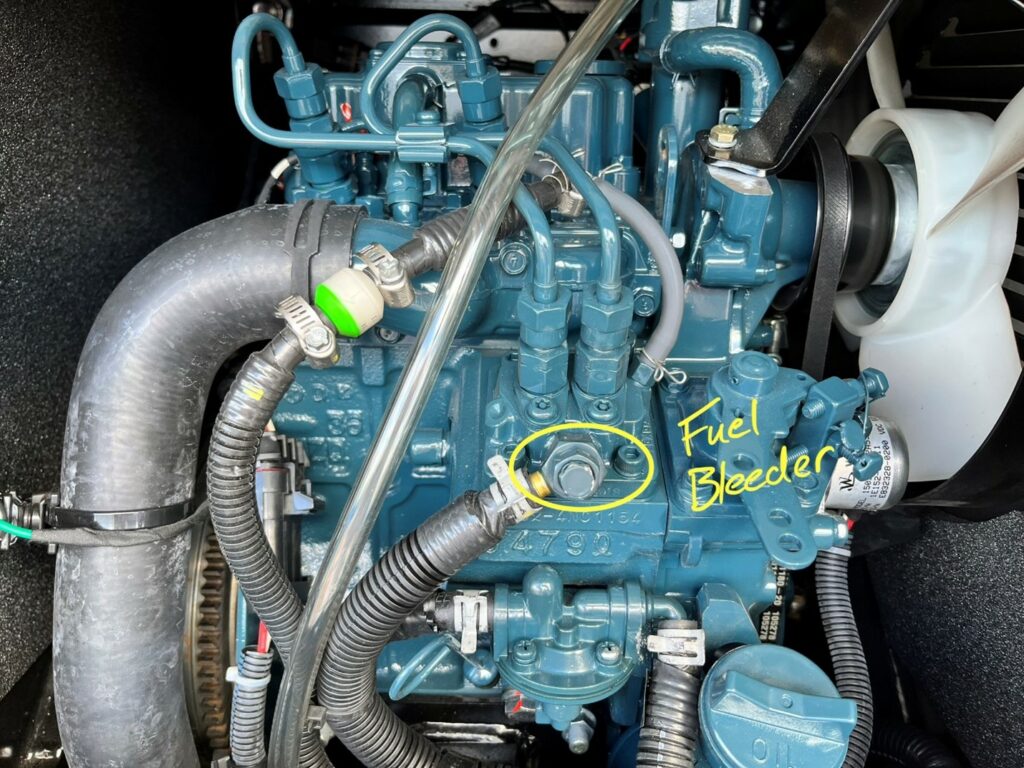
- Replace clogged filters. Check fuel lift pump and lines for air or leaks.
- Air intake and turbo (if present)
- Inspect air filter and intake for restriction. Clean or replace filters regularly.
- Exhaust and muffler
- Blocked exhaust elevates backpressure, reduces power, and can trigger safeties.
- Combustion controls
- Flame detection, ignition components, and sensors must be tested per manual.
In a field repair, I replaced a crimped fuel line that restricted flow. The APU regained full power and runtime after that simple fix.

Tools, Parts, and When to Call a Technician
Knowing what tools and parts you need makes troubleshooting efficient. Also know limits for DIY repairs.
- Basic tools to carry
- Multimeter, clamp amp meter, set of sockets and wrenches, thermometers, HVAC gauges, leak detector.
- Common spare parts
- Fuses, relay, fuel filter, air filter, belts, thermostat sensors, relay modules.
- When to call a technician
- Major compressor failure, sealed-system refrigerant service, complex electrical harness faults, or when safety systems fail.
- Documentation and records
- Keep service logs. Note serial numbers, previous faults, and repairs to avoid repeating mistakes.
If the issue involves sealed refrigerant work or complex wiring harness replacement, call a certified technician. Safety and regulatory rules apply.

Preventive Maintenance and Best Practices
Preventive care reduces downtime and long-term cost. Carrier Comfort Pro Apu troubleshooting is easier when systems are well maintained.
- Scheduled inspections
- Monthly visual checks and seasonal full service.
- Cleaning and airflow
- Keep condensers and intakes clean. Replace filters on schedule.
- Battery and fuel maintenance
- Test battery capacity and change fuel filters per hours.
- Record keeping
- Track run hours, faults, and maintenance actions.
- Train operators
- Teach basic checks and proper shutdown/startup procedures.
A small investment in routine maintenance prevented repeated emergency repairs in my fleet. It pays off fast.

Troubleshooting Examples and Case Notes
Real examples help illustrate the steps and thought process.
- Example 1: No start, control shows low voltage
- Action: Checked battery voltage, found corroded ground. Cleaned ground and tightened posts. Unit started and faults cleared.
- Example 2: Runs but no cooling on hot days
- Action: Cleaned condenser and replaced cooling fan motor. Cooling returned to spec.
- Example 3: Intermittent shutdown with overtemp code
- Action: Inspected thermostat and saw frayed sensor wire. Replaced sensor and secured harness.
These short cases show how basic checks often solve what seems complex.
Carrier Comfort Pro Apu Troubleshooting: Best Closing Tips
Keep tests simple and logical. Record data and avoid swapping parts without diagnosis. Use the manual and service bulletins. Prioritize safety. If in doubt, call a qualified service tech to prevent bigger failures.
Frequently Asked Questions of Carrier Comfort Pro Apu Troubleshooting
How do I reset error codes on a Carrier Comfort Pro APU?
Clear codes via the control panel after resolving the root cause. If codes return, record them and run diagnostic tests.
What should I check first when the APU won’t start?
Check battery voltage, fuses, and safety interlocks. Low battery or a blown fuse is the most common starter issue.
Can I recharge refrigerant myself on a Comfort Pro APU?
Recharging refrigerant typically requires certified HVAC skills and equipment. Call a licensed technician for sealed-system work.
Why does the APU overheat during heavy load?
Overheating is often due to restricted airflow, low refrigerant, or failing fans. Inspect condenser and fan operation first.
How often should I perform preventive maintenance?
Do visual checks monthly and a full service every 6-12 months depending on hours and operating conditions.
What tools do I need for basic troubleshooting?
Carry a multimeter, clamp meter, HVAC gauges, thermometer, screwdrivers, and spare filters. These cover most initial checks.
Conclusion
You now have a clear, practical roadmap for Carrier Comfort Pro Apu troubleshooting. Start with simple checks: power, filters, airflow, and error codes. Log findings, follow safe procedures, and lean on your service manual for code-specific tests. Small routine steps prevent big failures and save money. Try the steps above, keep records, and reach out to a certified technician when needed. If this guide helped, leave a comment, subscribe for more APU tips, or share your troubleshooting story.

