

Most Ryobi string trimmer problems are caused by battery, line feed, or clogged intake.
I troubleshoot Ryobi string trimmers daily and have fixed dozens by following clear diagnostic steps and practical repairs. This guide on Ryobi String Trimmer Troubleshooting explains causes, step-by-step fixes, maintenance tips, and when to replace parts so you can get your trimmer running fast and safe.

36% off Today’s Exclusive Deals
Limited-time Exclusive Deals. Check current discount on Amazon.
Check Price on Amazon As an Amazon Associate I earn from qualifying purchases.
Common Problems and Causes
Ryobi String Trimmer Troubleshooting starts with spotting common symptoms. The top issues I see are a trimmer that won't start, weak cutting power, the line not feeding, and excessive vibration. Each symptom usually points to a short list of likely causes.
Typical causes include battery charge or connection faults, clogged air or fuel paths (on gas models), worn spool or line, damaged gearbox, and loose or bent shafts. Poor maintenance and using the wrong line size also cause many problems. Knowing these causes speeds up Ryobi String Trimmer Troubleshooting and leads to correct fixes.
People also ask: Why won't my Ryobi trimmer spool feed? Common reasons are a tangled line, wrong line diameter, or a worn bump feed mechanism.
People also ask: Is a Ryobi battery dead or just undercharged? Try a different battery or a full charge to confirm.
People also ask: Can I fix a bent shaft? Minor bends may be adjustable, but severe bends need replacement for safety.

Quick Diagnostic Checklist
Start Ryobi String Trimmer Troubleshooting with a checklist. This fast run-through catches the most common faults without taking the tool apart.
- Check battery charge and seating for battery models. A green light does not always mean full power.
- Inspect the line and spool. Look for tangles, wrong size, or worn line.
- Listen and watch while running. Note sputtering, clutch slippage, or unusual noises.
- Inspect air intake and cooling vents for debris and grass clogs.
- Verify the guard and cutting head are properly installed and not binding.
Run these checks before deep disassembly. They fix many issues in minutes and keep Ryobi String Trimmer Troubleshooting efficient.
Step-by-Step Troubleshooting and Repairs
This section gives actionable steps for the most common Ryobi String Trimmer Troubleshooting scenarios. Work safely: wear gloves and remove batteries before repairs.
1. Trimmer Won't Start (Battery Model)
- Confirm battery is charged and clicks fully into place.
- Clean contacts on battery and tool with a dry cloth.
- Test with a known-good battery. If it runs, replace the original battery.
If the tool still won't start, the trigger switch or motor may be faulty and need professional repair.
2. Trimmer Starts But Dies or Surges
- Check battery health and connections. Weak batteries cause surging.
- Clean cooling vents and the motor housing to prevent overheating.
- Inspect the spool for binding that loads the motor.
If cleaning and a fresh battery don't help, the speed control or motor brushes might be failing.
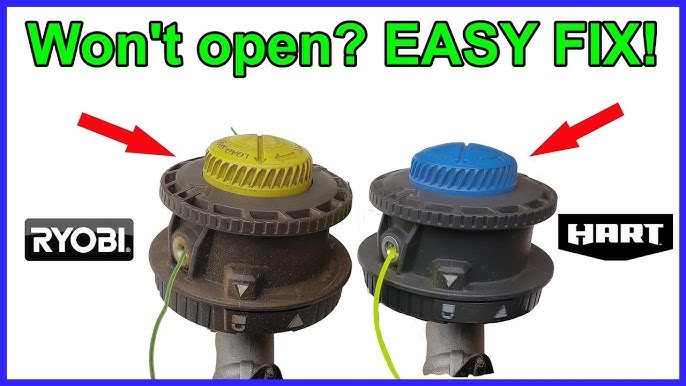
3. Line Won’t Feed or Feeds Poorly
- Remove the spool and inspect for tangles or sharp kinks. Rewind the line per Ryobi specs.
- Use the correct line diameter recommended for your model. Thicker line can overload the motor.
- If bump feed not working, check and clean the bump mechanism and replace damaged parts.
Proper spool winding and correct line solve most feed problems during Ryobi String Trimmer Troubleshooting.
4. Low Cutting Power
- Ensure battery is fully charged and rated for the trimmer. Old batteries reduce torque.
- Replace worn or short line and confirm line length is correct.
- Check the gearbox and drive shaft for damage or loose connections. A damaged gearbox reduces power significantly.
5. Excessive Vibration or Noise
- Inspect the cutting head for imbalance from uneven line length. Trim the line evenly.
- Check for bent shafts or damaged guards. Replace bent parts.
- Lubricate applicable parts and tighten loose fasteners. Persistent vibration often means damaged internal gearwork.
Apply these step-by-step fixes to resolve most issues during Ryobi String Trimmer Troubleshooting. If unsure, stop and seek professional help to avoid injury.
Maintenance and Preventive Care
Good maintenance reduces the need for Ryobi String Trimmer Troubleshooting. Regular care keeps the tool reliable and extends life.
- Charge and rotate batteries. Store batteries cool and dry to prevent capacity loss.
- Clean the trimmer after each use. Remove grass, dirt, and debris from vents and the head.
- Replace line before it gets too short and keep the spool spooled correctly.
- Inspect guards, shields, and fasteners before every use. Tighten loose bolts and replace damaged guards.
- Lubricate moving parts per the owner’s manual and inspect the shaft coupling regularly.
From my experience, a short daily clean prevents half of the repair calls I used to get. Small habits make Ryobi String Trimmer Troubleshooting less frequent.
Parts, When to Replace, and Professional Help
Knowing when to replace parts saves time and keeps you safe during Ryobi String Trimmer Troubleshooting.
- Replace batteries that lose runtime quickly or fail a full charge test.
- Replace the cutting head or spool if it cracks or inspects unevenly.
- Replace bent shafts, damaged gearboxes, or stripped drive couplings—these are safety risks.
- Seek professional repair for complex electrical faults or gearbox rebuilds. Warranty service is best for newer tools.
A practical rule: if a repair costs more than half the price of a replacement unit, consider replacing the trimmer. This avoids repeated troubleshooting and downtime.

Frequently Asked Questions of Ryobi String Trimmer Troubleshooting
Why won’t my Ryobi string trimmer start?
Check battery charge, contacts, and that the battery locks fully into the trimmer. Test with a different battery to isolate the issue.
How do I fix line that keeps breaking?
Use the correct line size, avoid hitting hard surfaces, and replace old brittle line with fresh line rated for your model.
My trimmer runs but has low power—what should I check?
Confirm the battery is fully charged and healthy, clean vents, and inspect the gearbox or drive shaft for wear.
How often should I replace the spool line?
Replace spool line when it becomes short, frayed, or brittle. For frequent heavy use, check and replace monthly.
When should I take my trimmer to a pro?
If you find internal gearbox damage, electrical faults in battery-powered models, or a severely bent shaft, get professional repair to ensure safety.
Conclusion
Ryobi String Trimmer Troubleshooting is about methodical checks, simple fixes, and sensible maintenance. Start with batteries, line, and cleaning, then move to part replacement or professional help if needed. Apply these steps, and you will reduce downtime and improve trimmer life. Try the checklist today, subscribe for more tool tips, or leave a comment with your trimmer issue and I’ll help troubleshoot.

