

Kayak fishing is fishing from a small, stable kayak using rod, bait, and paddling skills.
I’ve fished from rivers, bays, and the open sea in kayaks for over a decade. I know the gear that works, the risks to avoid, and the habits that win bites. This article explains what kayak fishing is and how it works, step by step. You’ll get clear gear checks, simple tactics, safety habits, and real tips from my time on the water so you can start or improve your kayak fishing trips right away.

36% off Today’s Exclusive Deals
Limited-time Exclusive Deals. Check current discount on Amazon.
Check Price on Amazon As an Amazon Associate I earn from qualifying purchases.
What is kayak fishing?
Kayak fishing is the practice of catching fish while seated in a kayak. The kayak acts as your platform for casting, reeling, and working lures. People use sit-on-top and sit-inside kayaks to reach places larger boats can’t. Kayak fishing blends paddling, stealth, and angling skills into one accessible sport.
Kayak fishing can target freshwater species and saltwater species. It lets anglers reach shallow flats, tight coves, and quiet river bends. As a low-cost, low-footprint option, kayak fishing is growing fast among beginners and pros alike.
How kayak fishing works: the basics
Kayak fishing works by combining three actions:
- Paddle to position. Use a paddle or small motor to reach a fishing spot.
- Set up tackle. Mount rods, anchor, and read the water for structure and fish.
- Fish from the kayak. Cast, retrieve, and play fish while staying balanced.
You control speed and stealth. Kayak fishing gives you a small, quiet platform. This helps you explore shallow areas and approach fish without spooking them. Positioning is key: wind, current, and tides all affect how you present your lure or bait.
Types of kayaks used for fishing
Choosing the right kayak matters. The main types are:
- Sit-on-top kayaks. Stable and easy to enter. Popular with beginners and for warm climates.
- Sit-inside kayaks. Better for cold water and rough weather. Offer more hull protection.
- Pedal kayaks. Hands-free propulsion. Great for casting and cover more water.
- Inflatable and folding kayaks. Portable and easy to store. Useful for occasional trips.
Each style changes how you rig, move, and fight fish. I prefer a 12-foot sit-on-top for lakes and bays. It balances storage, stability, and tracking. For long coastal runs, I use a pedal kayak to save arm energy.

Essential gear and setup for kayak fishing
Good gear keeps you safe and fishing longer. Key items include:
- Personal flotation device. A properly fitted PFD is non-negotiable.
- Paddle and leash. Use a leash to stop losing your paddle.
- Rod holders. One or two holders free your hands to paddle or net fish.
- Anchor or stakeout pole. Anchor helps hold position in wind or current.
- Tackle storage. Use dry boxes or crate systems to keep gear organized.
- Fish finder (optional). A compact sonar helps find structure and fish.
- Safety kit. Include whistle, signaling mirror, first-aid, and VHF or phone.
I learned to keep two rods ready on deck. One rod for lures and one rigged for bait. That small habit saved time and kept me fishing when the tide changed.
Techniques and tactics for catching fish from a kayak
Simple tactics win more fish than fancy gear. Use these approaches:
- Quiet approach. Paddle softly and drift toward fish. Wind-aided drifting can be ideal.
- Read structure. Fish hold around drop-offs, weed lines, rock piles, and docks.
- Cast upstream or upwind. Let your bait drift naturally past fish.
- Vary retrieve speed. Start slow, then speed up if fish are not biting.
- Use live bait when legal. Live shrimp or minnows often bring quicker bites.
How do I start kayak fishing effectively? Begin in calm, familiar water with light tackle. Practice paddling, getting in and out, and securing gear before trying open water.
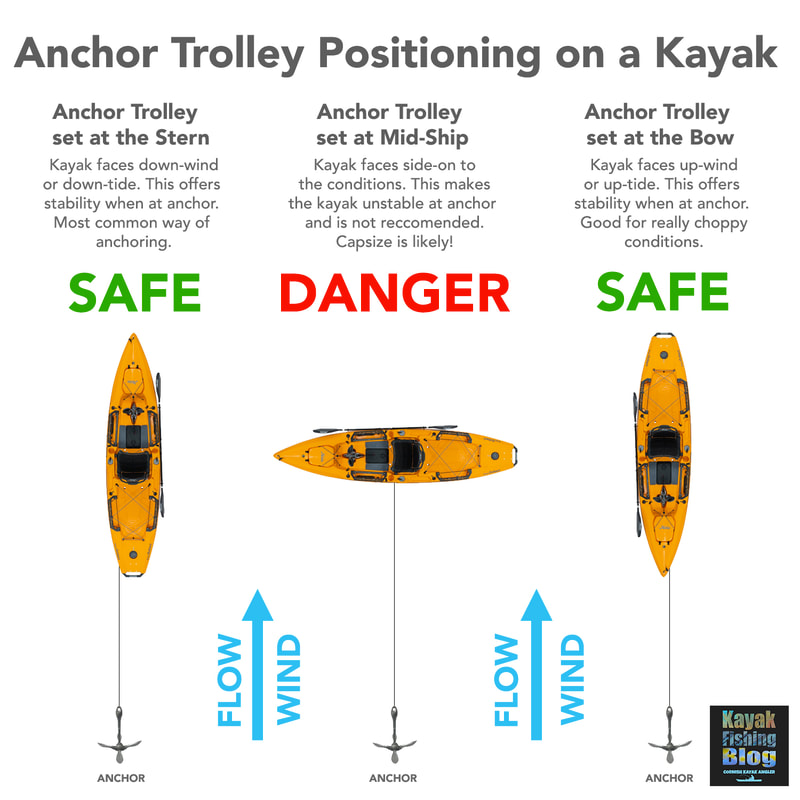
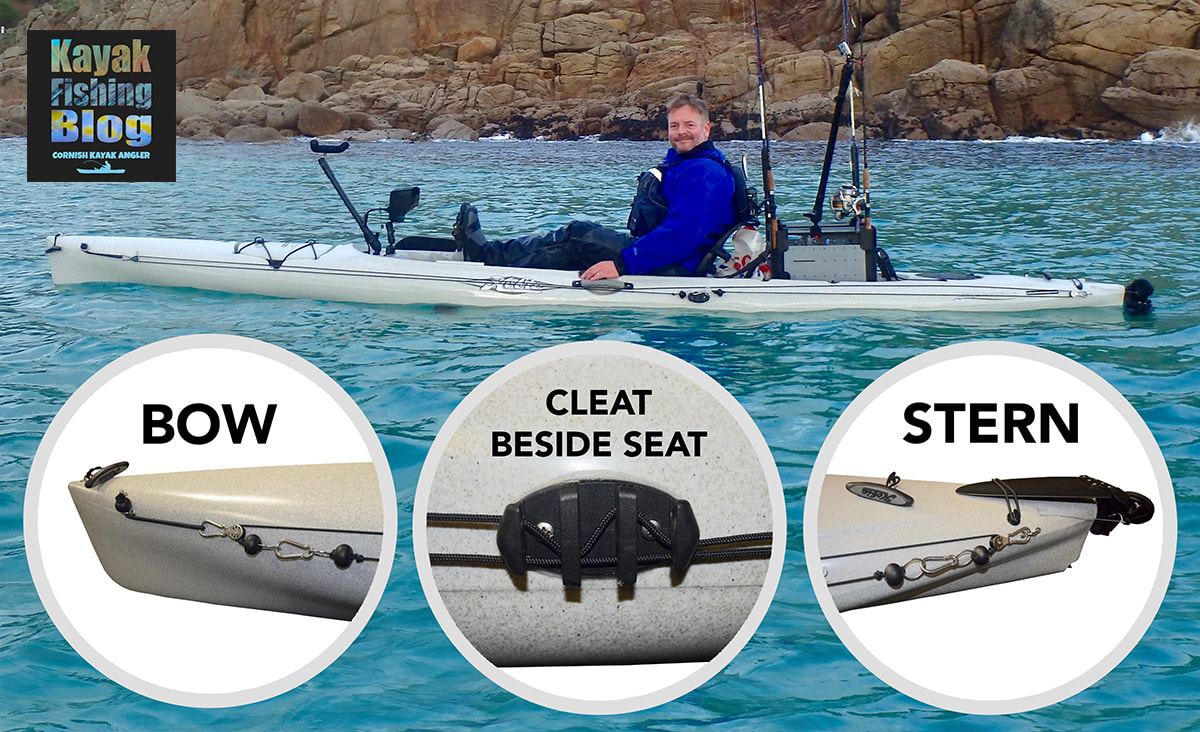
How do I control drift while kayak fishing? Use an anchor, drift sock, or paddle intermittently to keep position. A small anchor trolley is a big help for holding angle and cover.

Safety and legal tips
Safety must come first in kayak fishing. Follow these rules:
- Wear a PFD at all times. Rough water can flip you fast.
- Check weather and tides. Avoid windier days than your skill allows.
- File a float plan. Tell someone where you’ll fish and when you’ll return.
- Know local laws. Some waters require permits or have species rules.
- Carry communication. A phone in a dry bag and a VHF radio add redundancy.
I once flipped in calm water after a sudden squall. I had on my PFD and was back in my kayak in minutes. That trip taught me to monitor weather closely and pack a small emergency kit.
Where to go kayak fishing
Your choice of water shapes the trip. Common options:
- Rivers. Offer steady runs and cover for bass, trout, and panfish.
- Lakes. Provide structure variations and easier long casts.
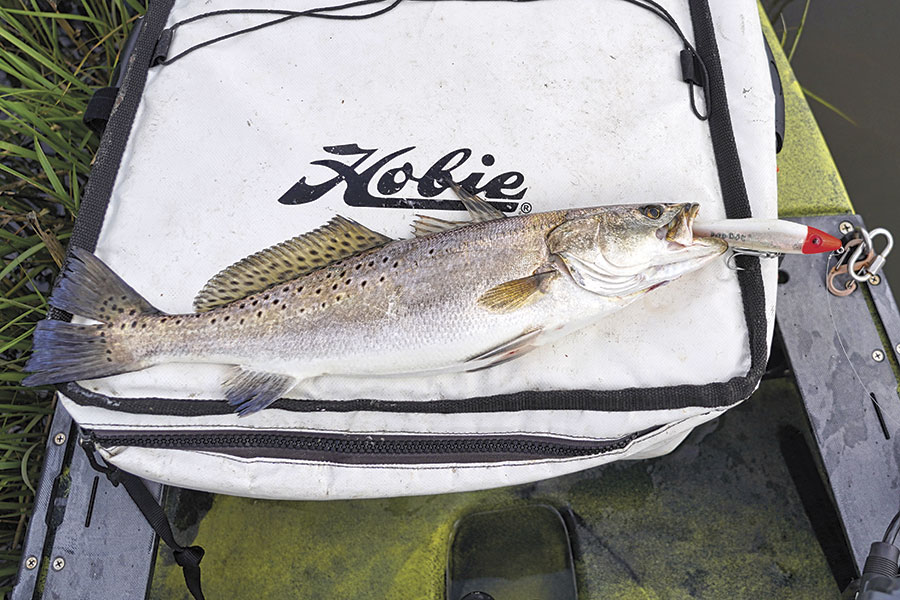
- Coastal bays and estuaries. Hold redfish, snook, and sea trout.
- Flats and tidal zones. Great for sight fishing and wading-friendly species.
Scout local spots online and talk to bait shops or fellow anglers. Start near shorelines and ramps to learn boat handling before venturing far.
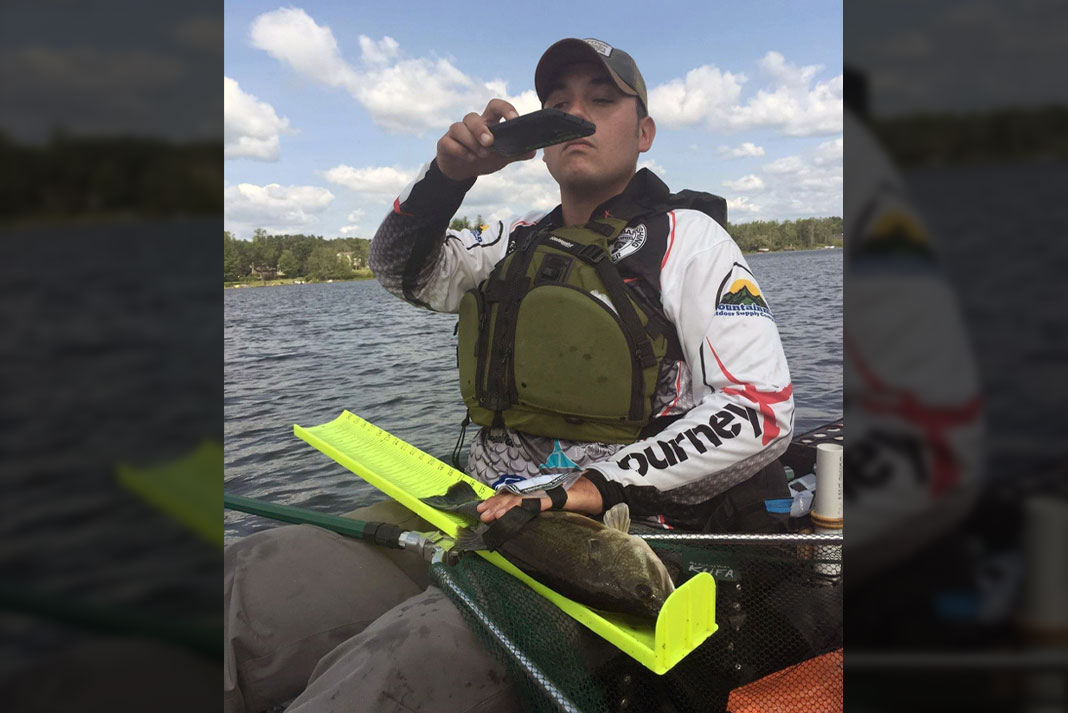
Benefits and limitations of kayak fishing
Benefits:
- Low cost. Kayaks are cheaper than most boats.
- Access. Reach shallow or tight spots bigger boats miss.
- Quiet. Less noise helps with wary fish.
- Exercise. Paddling gives a good workout.
Limitations:
- Less range. You will cover less distance than a powered boat.
- Storage limits. You must pack light and smart.
- Weather sensitivity. Wind and waves affect safety and comfort.
- Catch limits. Some big-game tactics are harder from a kayak.
I weigh the limits before every trip. If I expect long runs or rough seas, I switch to a boat. For stealthy flats work, kayak fishing is unbeatable.
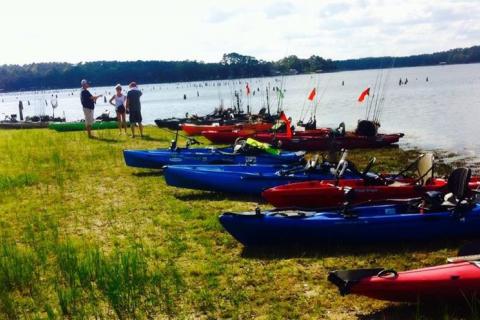
Common mistakes and how to avoid them
Avoid these frequent errors:
- Overloading the kayak. Keep weight balanced and within the capacity.
- Poor gear tie-downs. Secure rods and boxes to avoid losing them.
- Skipping a PFD. Always wear your life jacket.
- Not practicing re-entry. Learn how to remount after a capsize.
- Ignoring wind. Check wind direction and strength before launch.
One early mistake I made was placing heavy gear all forward. The kayak rode bow-down and tracked poorly. Rebalancing gear to center and aft fixed it instantly.
Personal experience and lessons learned
I started kayak fishing with little gear and lots of curiosity. My first trips taught me to respect weather and to pack minimal but essential tools. Over time I learned these practical lessons:
- Use rod leashes to avoid losing your rod.
- Position tackle within reach and in waterproof containers.
- Practice rescues with a friend before solo trips.
- Learn the local tides and structure patterns for better success.
These lessons came from small missteps and a few cold, early mornings spent learning tides. Each mistake turned into a simple routine that improved my safety and catch rate.
Frequently Asked Questions of What is kayak fishing and how does it work?
What gear do I need to start kayak fishing?
Start with a stable sit-on-top kayak, a PFD, a spare paddle, a basic rod and reel, tackle, and a small anchor or drift device. Add safety items like a whistle and phone in a dry bag.
Is kayak fishing safe for beginners?
Yes, when you choose calm waters, wear a PFD, check weather, and practice re-entry. Take a short course or go with an experienced paddler for your first trip.
Can I fish from a kayak in saltwater and freshwater?
Yes. Kayak fishing works in both saltwater and freshwater. Match your tackle and bait to the species and conditions.
How do I land a big fish from a kayak?
Keep the fish on your line and use the kayak as a stable platform. Angle the fish toward shallow water or shore and use a net or gripper for a quick lift.
Do I need a permit to go kayak fishing?
Permit rules vary by location and target species. Check local regulations and buy fishing licenses if required.
Conclusion
Kayak fishing blends the joys of paddling with the thrill of angling. It works by giving you a quiet, mobile platform to present baits and lures in places larger boats cannot reach. With the right kayak, basic safety gear, and simple tactics, you can catch many species in rivers, lakes, and coastal waters. Start small, practice safety, and learn local water patterns. Grab your paddle, plan a calm day, and try a short trip—then share what you learn or ask questions below.

