

Scoring in baseball records runs, hits, outs, errors, and key player stats in every game.
I’ve kept score at youth leagues and followed pro games for years, so I can clearly explain how does baseball scoring work? This guide walks you through the basics, the scorebook, common abbreviations, earned vs unearned runs, and practical step-by-step examples. Read on to learn how to read, record, and use baseball scoring like a pro.

36% off Today’s Exclusive Deals
Limited-time Exclusive Deals. Check current discount on Amazon.
Check Price on Amazon As an Amazon Associate I earn from qualifying purchases.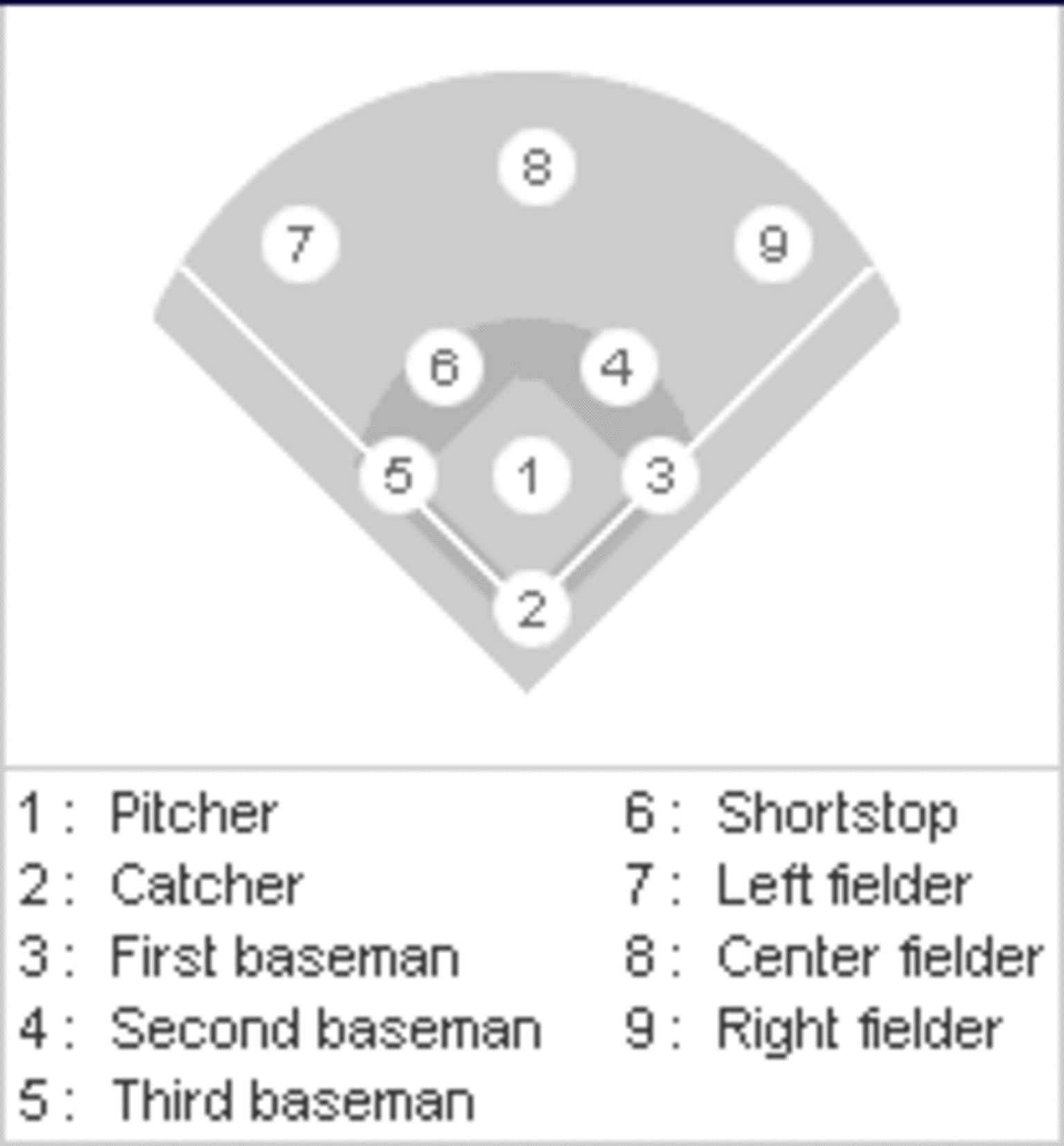
Basics of baseball scoring
Scoring in baseball means tracking what happens each play and turning those plays into runs, hits, and outs. At its core, how does baseball scoring work? You record each batter’s result, the sequence of baserunners, and the outs that end the inning. The official goal is simple: count runs scored by each team and note plays that affect player statistics and game outcome.
A standard scorebook has a grid for each inning and each batter. You mark results inside boxes and use symbols for plays. Good scorekeeping ties what you mark to stats like batting average, RBIs, and ERA so you can analyze performance later.
The scorebook: how to keep score
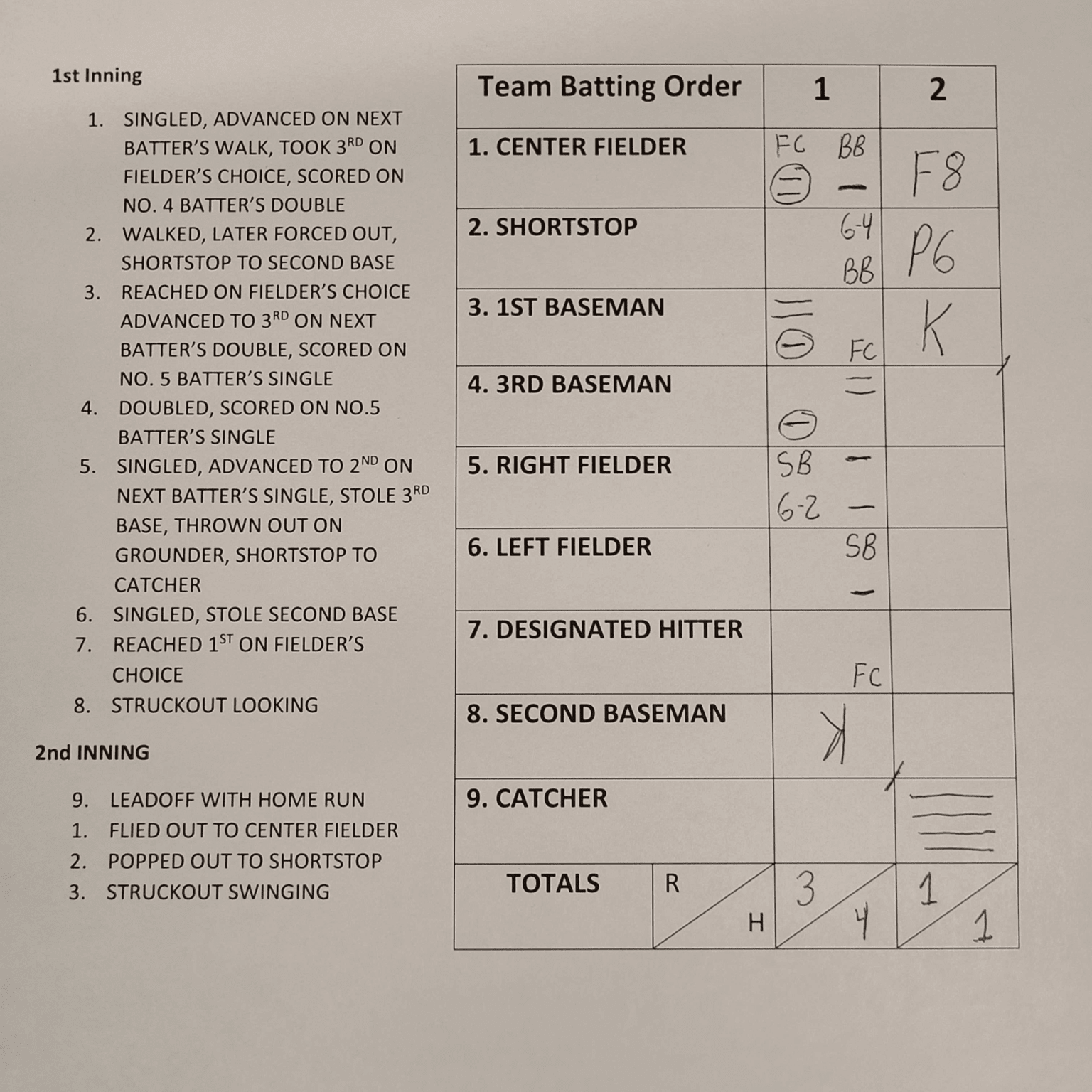
A scorebook maps innings to batters and tracks each plate appearance. To learn how does baseball scoring work? Start with these core steps:
- List the batting order down the left side. Write each player’s name once.
- For each inning, mark the result in the batter’s box and draw the path of baserunners on a diamond.
- Use standard abbreviations and small marks for outs, hits, errors, and special plays.
Keep entries neat and chronological. If a runner advances, mark the base-to-base movement. If a run scores, circle or shade the home plate square so runs are easy to total.

Common scoring plays and abbreviations
Knowing common shorthand speeds up scorekeeping and keeps results consistent. When learning how does baseball scoring work? memorize these abbreviations:
- 1B, 2B, 3B: single, double, triple
- HR: home run
- RBI: run batted in
- BB: base on balls (walk)
- K: strikeout (backward K for looking)
- SB: stolen base
- CS: caught stealing
- E: error, followed by position number (for example E6)
- DP: double play
- F followed by number: fly out to position (for example F8)
Add position numbers for fielders (1 pitcher, 2 catcher, 3 first base, 4 second base, 5 third base, 6 shortstop, 7 left field, 8 center field, 9 right field). Consistent use of shorthand answers “How does baseball scoring work?” in a practical way—fast and clear.
Runs, hits, errors, and earned runs explained
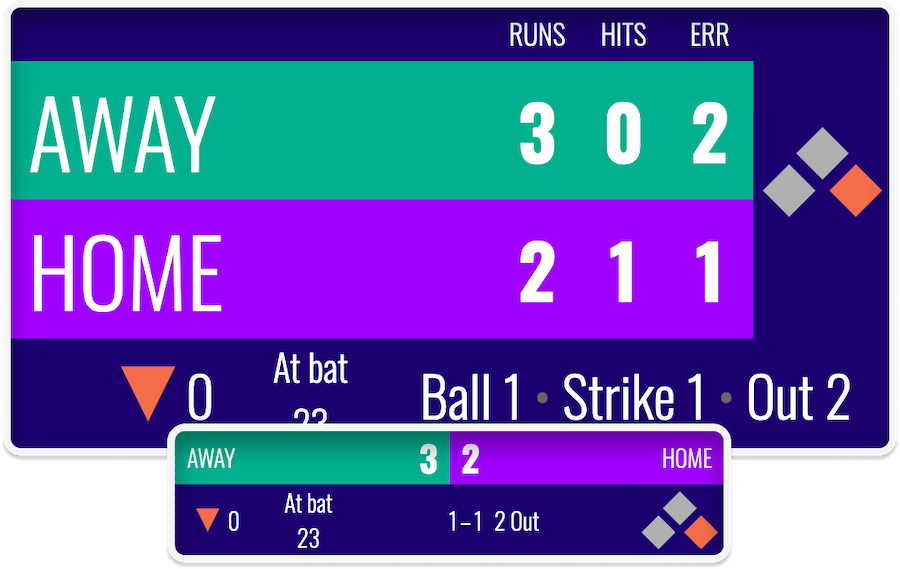
A run is scored when a runner legally touches home plate. Hits are recorded when the batter reaches base because of a fair batted ball without an error or fielder’s choice. Errors are defensive mistakes that allow a batter or runner to advance. Understanding these distinctions answers the central question: how does baseball scoring work?
Earned runs are runs charged to the pitcher that result without errors or passed balls. Unearned runs happen after an error or misplay extends an inning. Accurate scorekeeping is essential to calculate earned run average (ERA), which reflects pitcher performance fairly.

Recording pitcher and batter stats
Scorebooks feed the box score and player stats. To understand how does baseball scoring work? track these items for each player:
- For batters: hits, at-bats, walks, strikeouts, RBIs, steals, and runs scored.
- For pitchers: innings pitched, hits allowed, runs allowed, earned runs, walks, and strikeouts.
To compute batting average, divide hits by at-bats. For ERA, multiply earned runs by nine and divide by innings pitched. Keep clear notes during the game so post-game stat totals are easy to compile.

Practical examples and step-by-step scoring
Seeing a real inning helps you learn how does baseball scoring work? Here is a simple example and how to record it step by step:
Example inning
- Batter A singles to right. Mark 1B and draw runner to first.
- Batter B walks. Mark BB and show runner movement to first and second.
- Batter C hits a double, scoring Batter A. Mark 2B and circle the run for Batter A. Credit RBI to Batter C.
- Batter D strikes out. Mark K in the box.
- Batter E grounds to short; throw to first for out. Mark 6-3 for the groundout.
Step-by-step checklist
- Note play in the batter’s box.
- Update baserunner diamonds to show movement.
- Mark runs scored with a circle or shaded home plate.
- Add abbreviations for fielding plays to show who made outs.
- Tally runs at inning end and update team total.
This stepwise method shows precisely how does baseball scoring work? in a small, easy-to-follow way.
Tips, common mistakes, and personal experience
From years keeping score at youth and college games, I’ve learned a few practical tips. First, write legibly and use consistent symbols. Second, keep a running total of team runs to avoid math errors. Third, when an error and a hit happen on the same play, pause to decide if the run is earned or unearned before marking ERA-affecting notes.
Common mistakes include forgetting to mark a runner’s advance and mislabeling errors. I once lost a full inning because I failed to mark a passed ball; that taught me to double-check plays that change runner placement. Small habits like writing inning totals in the margin keep your book accurate and useful.

Frequently Asked Questions of How does baseball scoring work?
How do you score a run in baseball?
A run is scored when a runner legally touches home plate after advancing from bases. The play must not be nullified by an appeal or rules violation.
What counts as an earned run?
An earned run results without the aid of defensive errors or passed balls. Official scorers compare the play to a version without errors to decide earned status.
How do you record a strikeout?
Record a K in the batter’s box for a strikeout. Use a backward K if the batter looked at the third strike.
What is the difference between a hit and an error?
A hit is when the batter reaches base on a fair ball without a defensive error or fielder’s choice. An error is a misplay by a fielder that allows a batter or runner to advance.
How do you keep a pitcher's innings pitched?
Record outs made by the pitcher; three outs equal one inning. Use thirds (for example 4.1 means four and one-third innings).
How do you score a sacrifice fly?
Mark SF for a sacrifice fly and credit the batter with an RBI if a runner scores after a caught fly ball. The batter is not charged with an at-bat in this case.
Conclusion
Mastering how does baseball scoring work? comes down to consistent notation, clear recording of baserunner movement, and understanding earned versus unearned results. Practice with a simple scorebook during a few games and focus on the common abbreviations and rules. Start scoring a local game this week, compare your totals to the official box score, and refine your method. If this guide helped, try scoring one inning now and leave a comment about what you learned.

