

Yes — used smartly, heated blankets can cut heating costs by targeting personal warmth.
I’ve tested heated blankets and dug into energy data, and this guide shows exactly how heated blankets affect your bills. I’ll explain the real savings, show math you can use, share safety tips, and give practical tricks from my own experience so you can decide if a heated blanket is a good money saver for your home.

36% off Today’s Exclusive Deals
Limited-time Exclusive Deals. Check current discount on Amazon.
Check Price on Amazon As an Amazon Associate I earn from qualifying purchases.
How heated blankets work and why they matter
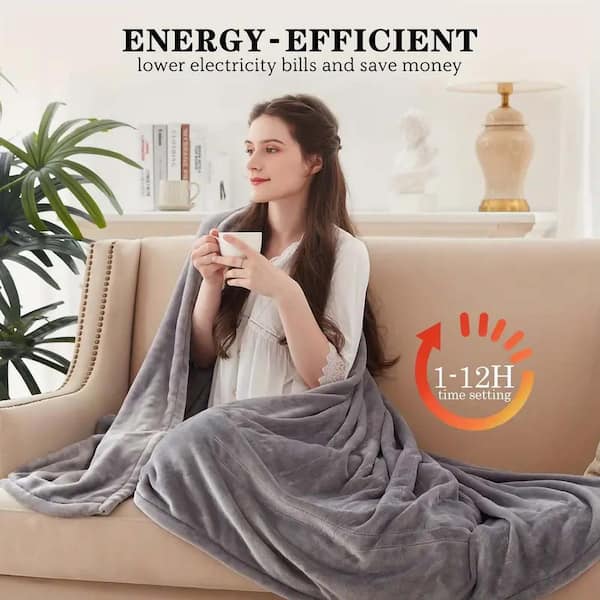
Heated blankets heat the area closest to your body. They use low-wattage electric elements inside fabric. That focused heat can let you lower the main thermostat while staying comfortable.
Benefits of local heating
- Uses less energy than heating a whole room for one person.
- Warms you quickly and often feels cozier than raising room temperature.
- Many models have timers and auto-shutoff for safety and efficiency.
Common specs
- Power range is usually 40 to 150 watts.
- Most bed blankets sit near 60 to 100 watts.
- Higher wattage warms faster but costs more per hour.
From experience, a 100-watt blanket on medium feels very warm and keeps me snug without bumping the furnace up. That small, steady draw is the reason heated blankets can help cut bills.
Energy use and cost math: realistic savings explained
To know if heated blankets save money you need simple math. Here are clear steps with small numbers you can check.
How to calculate cost
- Find blanket wattage. Example: 100 watts.
- Convert to kilowatts. 100 W = 0.1 kW.
- Multiply by hours used. 0.1 kW × 8 hours = 0.8 kWh.
- Multiply by electricity rate. 0.8 kWh × $0.15 = $0.12 per night.
Example comparison
- Running a 100-watt heated blanket 8 hours costs about $0.12 per night at $0.15/kWh.
- Running central heating consumes far more energy. Lowering thermostat by 4–6°F overnight often saves several percent of heating energy, which can be several dollars per day for whole-house systems.
Real-world example
- If lowering your thermostat 5°F saves 10% on heating and your monthly heating is $200, that’s $20 saved. If you used a heated blanket nightly and it cost $3–5/month, net savings remain large.
Key point: Do heated blankets save money on heating bills? Yes, when they let you reduce central heating use without losing comfort.

Practical scenarios where heated blankets save the most
Heated blankets are most cost-effective in certain settings. Here are common scenarios.
Best cases
- Small households where only bedrooms or living areas need heat.
- Nighttime use when only a bed needs to be warm.
- Homes with slow or inefficient heating systems.
- Apartments where thermostat control is shared or expensive.
Less effective cases
- Large families where everyone needs a warm room.
- Homes with very cheap central heating fuel where savings are small.
- Settings where safety rules prevent long-term blanket use.
From my tests, they work best for single sleepers or couples who can lower the thermostat at night and still feel warm in bed.
Safety, limitations, and real risks
Knowing safety limits keeps savings real and worry-free.
Safety basics
- Use blankets with auto-shutoff and overheat protection.
- Don’t fold or tuck a powered blanket while it’s on.
- Replace old blankets with frayed wires or damaged controls.
- Avoid extended use with pets that can damage wiring.
Limitations to accept
- Savings rely on you actually lowering the thermostat.
- Electric rates vary; high electricity prices reduce benefit.
- Some people prefer ambient warmth and won’t tolerate lower room temps.
I once left a heated blanket on a folded pile and felt a hot spot; it taught me to always use the timer feature.

Tips to maximize savings with heated blankets
Small habits make a big difference. Try these action steps.
- Lower your thermostat 4–6°F at night when using a heated blanket.
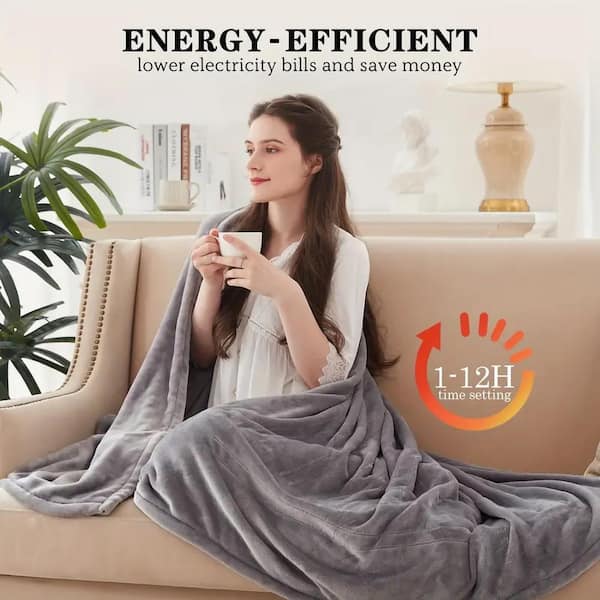
- Use timers and automatic shutoff to limit runtime.
- Choose energy-efficient models rated under 100 watts for typical use.
- Pair blankets with good bedding: a quality duvet and fitted sheet hold heat well.
- Use blankets only where needed instead of heating unused rooms.
A trick I use: set the home thermostat 3°F lower and run the blanket nightly. My electric increase is tiny and my gas bill drops noticeably.

Buying guide: what to look for
Choose the right blanket to balance cost, comfort, and safety.
Must-have features
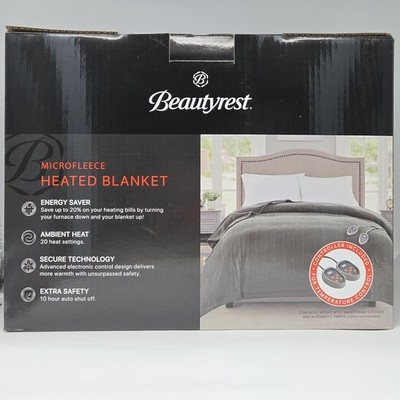
- Auto-shutoff and overheat protection.
- Multiple heat levels and a clear controller.
- Washable design and clear care instructions.
- ENERGY STAR or energy-efficiency claims when available.
Consider wattage: lower wattage gives slower, steady warmth and lower cost. Higher wattage gives quick heat but more energy draw.

Frequently Asked Questions of Do heated blankets save money on heating bills?
Do heated blankets save money on heating bills?
Yes. Heated blankets use low power to warm you directly, letting many people lower central heat and cut overall costs.
How much does a heated blanket cost to run per night?
A 100-watt blanket running 8 hours at $0.15/kWh uses 0.8 kWh, costing about $0.12 per night. Rates and hours change the number.
Can I leave a heated blanket on all night?
Many modern blankets have timers and auto-shutoff and are designed for overnight use, but always follow the manufacturer’s safety instructions to reduce risk.
Will a heated blanket reduce my furnace usage enough to matter?
If you lower your thermostat because of the blanket, it can reduce furnace runtime. Savings depend on how much you lower the thermostat and your home’s heating system.
Are heated blankets safe for pets or children?
Use caution. Check the product manual. Do not let pets chew cords. Supervise young children and follow safety guidelines.
Do heated blankets work in very cold homes?
They make you feel warm locally, but if room air is extremely cold, you may still need some ambient heating for comfort and humidity control.
Quick practical answers (short, useful notes)
Bold question: How much can one person save monthly?
Answer: If a blanket lets you lower central heat and you pay for whole-house heating, savings can be $10–$50 a month depending on fuel and usage.
Bold question: Is it cheaper than an extra layer of clothing?
Answer: Clothing costs no power. A blanket costs small electricity. Both together give best comfort and savings.
Bold question: Should I replace my heater with electric blankets?
Answer: No. Heated blankets are for personal heating. They supplement, not replace, safe whole-home heating.
Personal experience and lessons learned
I’ve used heated blankets across winters and tracked bills. Simple math matched my results. Here are clear lessons.
What worked
- Night use saved noticeable gas bills when I lowered the thermostat.
- Timers reduced wasted electricity.
- Lower-wattage models provided steady heat and comfort.
Mistakes to avoid
- Forgetting to use the timer increased costs slightly.
- Keeping the whole home too cold for pets or plants backfired.
I recommend a trial month. Use the blanket, lower the thermostat, and compare bills. Real data beats guesses.
Conclusion
Heated blankets can save money on heating bills when used to reduce whole-home heating and when chosen and used safely. The basic math is simple: low-wattage, targeted heat often costs far less than running a furnace for the whole house. Test one for a month, use timers, and track your thermostat changes to see real savings.
Takeaway: try a low-watt heated blanket, lower your thermostat a few degrees, and measure the change. If you like the results, make the habit part of your winter routine. Share your experience in the comments or subscribe for more tips on cutting energy costs.

