

Most Beko washing machine issues can be fixed quickly with clear, step-by-step troubleshooting.
I have worked with appliances for years and I know Beko Washing Machine Troubleshooting well. This article explains common faults, exact checks to run, and safe fixes you can try at home. Read on for practical steps, error-code meanings, preventive tips, and when to call a technician.

36% off Today’s Exclusive Deals
Limited-time Exclusive Deals. Check current discount on Amazon.
Check Price on Amazon As an Amazon Associate I earn from qualifying purchases.
Common Beko Washing Machine Problems and Quick Causes
Beko Washing Machine Troubleshooting starts by spotting common symptoms. Many users see the same signs: machine won't start, no spin, noisy drum, leaking, or error codes. Each symptom points to a short list of likely causes that you can check fast.
Common issues and likely causes:
- Machine won’t start: power, door lock, or faulty control board.
- No water or slow fill: water supply, inlet valve, or kinked hose.
- Won’t drain: blocked filter, clogged pump, or drain hose issue.
- Loud noise or vibration: unbalanced load, foreign object, or worn bearings.
- Door won’t open: child lock, safety latch, or incomplete cycle.
- Error codes: specific fault stored in the machine memory that guides repair.
I recommend doing a quick visual and smell check first. A burnt smell or water pooling is a red flag for an electrical fault or leak that needs stopping immediately.
Step-by-Step Troubleshooting Guide
Start with safety. Unplug the machine or switch off the circuit before inspecting internal parts. These steps follow a logical order to narrow down causes without guesswork.
Basic checks to perform in sequence:
- Check power and socket: plug a lamp into the same outlet to confirm power. Replace blown fuses or reset tripped breakers.
- Inspect the door and lock: close the door firmly and try another cycle. If the lock clicks but the machine still won’t start, the door lock or control board may be faulty.
- Test the water supply: ensure taps are fully on and hoses are not kinked. Remove and clean the inlet filter screens if flow is weak.
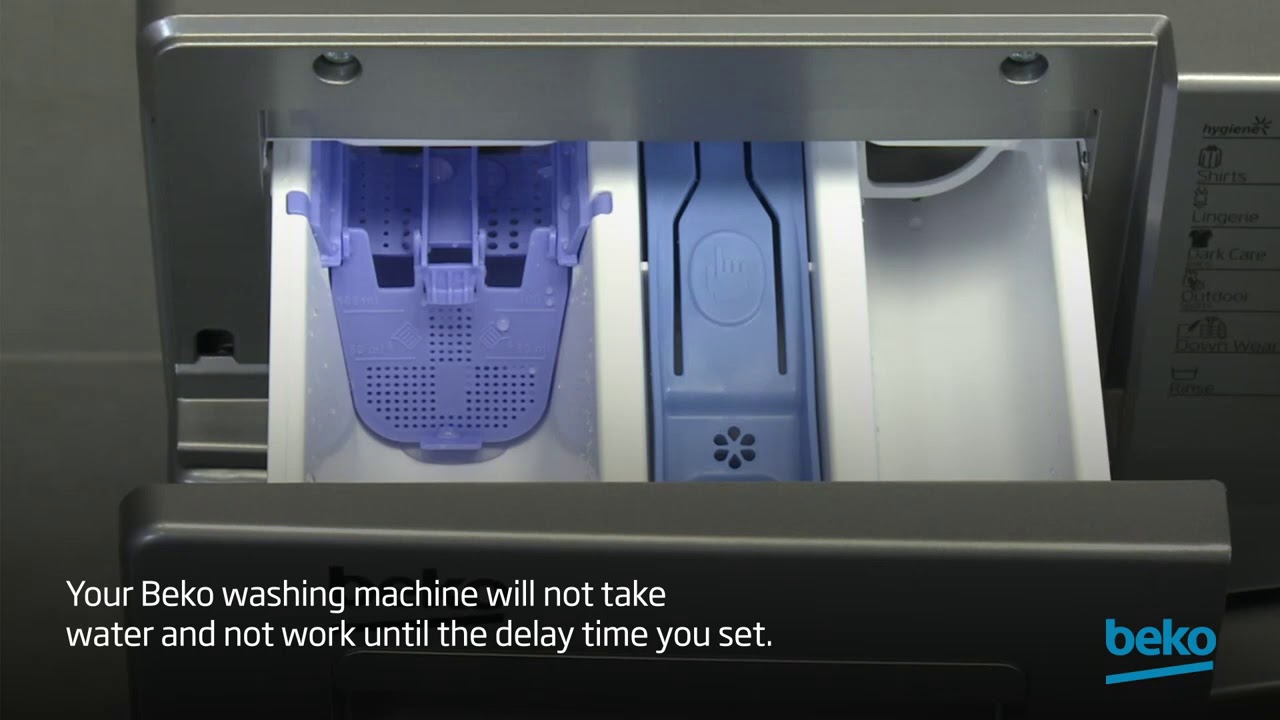
- Clean the drain filter: open the bottom access flap, place a bowl under the filter, and slowly unscrew to remove lint and coins. A blocked filter is a common reason for drainage problems.
- Check the drain hose: ensure it is positioned correctly and not clogged or squashed. A high loop prevents siphoning; if the hose is too low, drainage can fail.
- Balance the load: redistribute heavy items like rugs or towels so the drum spins freely. Run a quick spin-only cycle to test vibration.
- Run a reset: many Beko models reset by powering off for one minute or following a model-specific reset procedure found in the manual. Resetting clears transient faults.
- Listen for pump noise: when draining, a quiet hum or rattle may mean the pump is working but obstructed. If there is no sound, the pump or its power feed might be faulty.
If these checks don’t fix the problem, note any error codes or unusual sounds and move to targeted troubleshooting.

Beko Error Codes and What They Mean
Beko Washing Machine Troubleshooting often depends on decoding error codes. Codes save time and point to parts or systems to inspect.
Common Beko error codes and quick meanings:
- E10 or F: Water fill fault. Check inlet hoses, valve, and filters.
- E20: Drain fault. Clean the pump filter and inspect the drain hose.
- E70 or UE: Unbalanced load. Redistribute laundry and retry spin.
- E40 or dE: Door error. Inspect the door latch and child lock.
- E30: Overflow or water level fault. Check pressure switch and hoses.
To read codes accurately, pause and note the exact code sequence. Some models flash small LED patterns instead of text; consult the model’s manual for exact correspondence. Error codes are a fast route to a fix if you follow the right diagnostic steps.
Maintenance and Preventive Care
Regular care reduces repairs and extends machine life. My experience shows that simple monthly tasks prevent most common Beko faults.
Essential maintenance tasks:
- Clean the filter monthly: clear lint, coins, and small objects. This prevents drain failures and pump damage.
- Wipe the door seal: remove soap scum and trapped debris to avoid smells and leaks.
- Run a hot tub-clean or empty cycle monthly: use a machine cleaner or white vinegar to remove buildup.
- Check hoses annually: replace hoses every 3–5 years or sooner if brittle or swollen.
- Use correct detergent amounts: too much suds can cause drainage and balance issues.
- Level the washer: adjust feet so the machine sits flat and stable.
- Leave the door slightly open after cycles: this prevents mold and odor.
I once fixed a repeatedly leaking Beko by replacing an ageing inlet hose and cleaning the filter. The leak stopped and the machine ran quieter. Small preventive steps save time and money.
When to Call a Professional
Beko Washing Machine Troubleshooting should stop and a pro should be called for safety or complex faults. If you see electrical burning, persistent leaks, or chassis damage, get help.
Call a technician when:
- You smell burning or see smoke.
- The motor or gearbox is noisy and not resolved by re-balancing.
- The control board shows persistent, unexplained faults.
- You cannot access or safely replace internal parts.
- The machine is under warranty and needs a part replacement.
Be ready to describe symptoms, model number, and any error codes. This helps technicians prepare parts and reduces repair time.

Frequently Asked Questions of Beko Washing Machine Troubleshooting
How do I reset my Beko washing machine?
Most Beko models reset by turning the machine off at the mains for one minute and then turning it back on. Some models use a specific button sequence; check the user manual for your model if the simple reset does not work.
Why won’t my Beko fill with water?
Check that the water taps are fully open, inlet hoses are not kinked, and the inlet filters are clean. If water flow is good but the machine still won’t fill, the inlet valve or pressure switch may be faulty.
What causes my Beko to stop mid-cycle?
A mid-cycle stop can be caused by a power cut, door lock fault, or water supply interruption. Also check for error codes and the machine’s child lock setting.
How do I fix a noisy Beko drum?
First, balance the load and remove any foreign objects from the drum. If noise continues, inspect bearings, shock absorbers, and the drive belt; professional repair may be needed for bearing replacement.
Why is my Beko leaking water?
Leaks often come from loose hose clamps, a damaged door seal, or a blocked drain filter. Inspect hoses and seals and tighten connections; replace damaged parts if needed.
Can I replace the drain pump myself?
If you are comfortable with basic tools and have unplugged the machine, you can replace a drain pump on many models by removing the service panel and swapping the part. If the machine is under warranty or the pump is integrated with the gearbox, contact a qualified technician.
Conclusion
Troubleshooting a Beko Washing Machine Troubleshooting problem is about smart, safe checks and routine care. Start with power and water checks, clean filters, read error codes, and balance loads before doing deeper repairs. Use the steps here to try fixes at home, and call a pro for electrical, mechanical, or warranty-covered work. Take action now: inspect your machine, run the simple checks, and save time and money by catching small issues early. Leave a comment below describing your problem and I’ll help you troubleshoot further.

