

Jungle trekking sounds like an adventure from a storybook—lush green forests, hidden waterfalls, and the thrill of spotting wildlife. For many parents, the idea of taking children on such a journey raises questions: Is it safe? Is it suitable for young kids? What should families know before heading into the wild together? This article explores whether children can go jungle trekking, how to prepare, what to expect, and how to ensure an experience that’s not just safe, but unforgettable.
What Is Jungle Trekking?
Jungle trekking is a form of hiking, but it takes place in tropical forests. Unlike walking on city trails or national parks, jungle treks often mean rough paths, humid weather, and close contact with nature. You may cross streams, walk on muddy ground, or climb over roots and rocks. Trek lengths can range from a couple of hours to several days.

36% off Today’s Exclusive Deals
Limited-time Exclusive Deals. Check current discount on Amazon.
Check Price on Amazon As an Amazon Associate I earn from qualifying purchases.For adults, trekking in the jungle is a way to disconnect from busy life and see untouched beauty. For children, it’s a world of discovery: strange plants, animal tracks, and the sounds of birds and insects all around. But with the excitement comes challenges—heat, insects, slippery ground, and the need to pay attention at all times.
Are Children Ready For Jungle Trekking?
Whether children can go jungle trekking depends on several factors. Age is important, but not the only point to consider.
Age And Development
Most experts agree that children as young as 5 or 6 years old can join short, easy jungle treks—if they are active and used to being outdoors. For longer or harder treks, children should be at least 8–10 years old, as they need more stamina and awareness.
However, every child is unique. Some 7-year-olds can handle hours of walking, while others might get tired quickly. Before planning a trek, consider:
- Physical fitness: Can your child walk 2–3 hours without needing to be carried?
- Attention span: Will they listen to instructions and stay on the path?
- Comfort with nature: Are they scared of insects, mud, or being away from the city?
Health Considerations
Children with asthma, allergies, or chronic conditions need extra planning. Always check with your doctor before taking your child on a trek, especially if you’re traveling to a country with different plants, animals, or diseases.
Benefits Of Jungle Trekking For Kids
Jungle trekking offers more than just exercise. The benefits for children can be powerful and long-lasting.
- Physical fitness: Trekking builds strength, balance, and endurance.
- Curiosity and learning: The jungle is a living classroom. Kids see animals in their natural habitat, learn about plants, and experience the cycle of nature.
- Confidence and independence: Finishing a trek, even a short one, gives a sense of achievement.
- Teamwork and family bonding: Working together on the trail builds trust and memories.
- Mental health: Time in green spaces is proven to reduce stress and improve mood.
According to a study by the American Psychological Association, children who spend time in nature show better focus, creativity, and emotional strength.
Safety: The Top Priority
Safety should always come first on a jungle trek, especially with children. The risks are real, but so are the ways to minimize them.
Common Dangers
- Heat and dehydration: The jungle is hot and humid. Kids can overheat or get dehydrated quickly.
- Insects and bites: Mosquitoes, leeches, and other bugs are common. Some can carry diseases.
- Falls and injuries: Uneven ground, slippery rocks, and tree roots can cause trips and falls.
- Getting lost: The dense forest can be confusing, and even adults can lose their way.
- Wildlife: Snakes, spiders, and other animals are part of the environment.
Essential Safety Tips
- Choose a suitable trek: Start with a short, guided route. Avoid paths that are too steep, long, or remote.
- Stay together: Children should be within arm’s reach at all times.
- Dress correctly: Long pants, long sleeves, and closed shoes protect from bites and scratches.
- Use insect repellent: Apply before entering the jungle and reapply as needed.
- Hydrate often: Carry more water than you think you’ll need.
- Listen to guides: Always follow instructions from your trek leader.
- First aid kit: Bring a small, well-stocked kit, including plasters, antiseptic, and antihistamines.
Comparison: Guided Vs. Unguided Treks
Here’s a look at the main differences between going with a guide and trekking alone:
| Factor | Guided Trek | Unguided Trek |
|---|---|---|
| Safety | Higher (experienced leader, first aid, knowledge of area) | Lower (responsibility on family, risk of getting lost) |
| Learning | More (guides explain plants, animals, and culture) | Less (self-led, may miss key info) |
| Flexibility | Less (fixed route, group pace) | More (choose your speed and stops) |
| Cost | Higher (guide fees included) | Lower (no guide fee) |
For families with children, a guided trek is almost always the safer choice, especially for a first jungle experience.
Preparing Kids For Their First Jungle Trek
Preparation is the secret to a smooth jungle trek with children. Both parents and kids need to know what to expect and what to bring.
Training And Physical Readiness
Start with walks in your local park or nature reserve. Gradually increase the distance and difficulty. Teach kids to walk on uneven ground, watch for obstacles, and keep a steady pace. If possible, try a short hike with a small backpack.
Talking About What To Expect
Children often do better when they know what’s coming. Explain that:
- The jungle is hot and damp.
- They might see insects, snakes, or hear strange sounds.
- There may be mud, streams, or rain.
- They must stay close to adults at all times.
Make it a fun challenge, not something to fear. Show them photos or videos of the trek, and talk about the animals and plants they might see.
Packing Essentials
Every family’s packing list will vary, but these are key items for a safe and enjoyable trek:
- Water: At least 1 liter per child for short treks, more for longer ones.
- Snacks: High-energy, non-perishable foods like nuts, granola bars, or dried fruit.
- Clothing: Lightweight, quick-dry clothes, a hat, and a rain jacket.
- Shoes: Closed-toe, sturdy footwear with good grip.
- Insect repellent: DEET-based or natural alternatives.
- First aid kit: Include child-safe medicine.
- Sunscreen: Even in the shade, sunburn is possible.
- Emergency whistle: For children to carry, only for emergencies.
Example Packing List For A Family Of Four
| Item | Recommended Quantity | Purpose |
|---|---|---|
| Water Bottles | 4 (1 per person) | Prevent dehydration |
| Energy Snacks | 8–10 packs | Boost energy, avoid hunger |
| First Aid Kit | 1 (family size) | Treat cuts, bites, stings |
| Rain Jackets | 4 | Stay dry during rain |
| Whistles | 2–4 | Emergency signaling |
Choosing The Right Trek: What To Look For
Not all jungle treks are suitable for children. Here’s how to choose a trek that matches your family’s abilities and needs.
Distance And Duration
Short treks (1–3 hours) are best for beginners and young children. Look for circular routes that return to the starting point, or ones with clear exit points if you need to turn back early.
Terrain And Difficulty
Flat or gently sloping paths are easier. Avoid treks with steep climbs, river crossings, or areas known for landslides. Trails with boardwalks or clear markings are a bonus.
Facilities And Support
Choose treks with:
- Rest stops: Places to sit, snack, and regroup.
- Toilets: Especially important for younger kids.
- Emergency access: Check if vehicles can reach the trail in case of emergencies.
- Mobile coverage: Not all jungles have phone signals, so know your options.
Family-friendly Destinations
Some famous jungle trekking spots known for being family-friendly include:
- Bukit Lawang, Indonesia – Orangutan treks with easy paths.
- Taman Negara, Malaysia – Canopy walks and short jungle loops.
- Monteverde Cloud Forest, Costa Rica – Well-marked trails and guided tours.
- Daintree Rainforest, Australia – Boardwalks and educational signs.
Always research the specific route and check recent reviews from families with children.

Jungle Trekking Etiquette And Conservation
Teaching children to respect the jungle is just as important as staying safe. Conservation and good manners help protect nature and ensure everyone enjoys the experience.
Basic Rules For Kids
- Stay on the path: Prevents getting lost and protects plant life.
- No picking plants or flowers: Some may be rare or poisonous.
- Don’t disturb animals: Watch from a distance, stay quiet.
- Take trash home: Bring a small bag for wrappers and used tissues.
- Listen to guides and adults: For safety and learning.
Leave No Trace
The Leave No Trace principle is simple: Leave the jungle as you found it, or better. Even small actions—like picking up another person’s trash—make a difference.
Teaching Conservation
Before the trek, talk about why the jungle is important. Explain how plants clean the air, animals need their homes, and why it’s special to see wild places. Encourage children to become “nature detectives” and spot ways people can help, not harm, the environment.
Dealing With Common Challenges
Even with the best planning, jungle treks can bring surprises. Here’s how to handle some typical issues.
Fatigue And Complaints
Kids get tired faster in heat and humidity. Watch for signs like whining, dragging feet, or wanting to stop often. Take regular breaks, offer snacks, and turn rest stops into “nature observation points” to keep interest high.
Insect Bites And Scratches
Despite best efforts, some bites or scratches are almost guaranteed. Clean the area with water, apply antiseptic, and use a bandage. Teach kids not to scratch bites, as this can cause infection.
Sudden Weather Changes
Rain can start without warning. Carry light rain gear and keep electronics in waterproof bags. Make it part of the adventure—some children love the feeling of rain in the forest.
Fear Or Anxiety
Strange sounds, darkness, or the idea of wild animals can scare children. Stay calm, answer questions honestly, and remind them that guides know how to keep everyone safe. Sharing stories about past treks or reading books about jungles can help kids feel prepared.
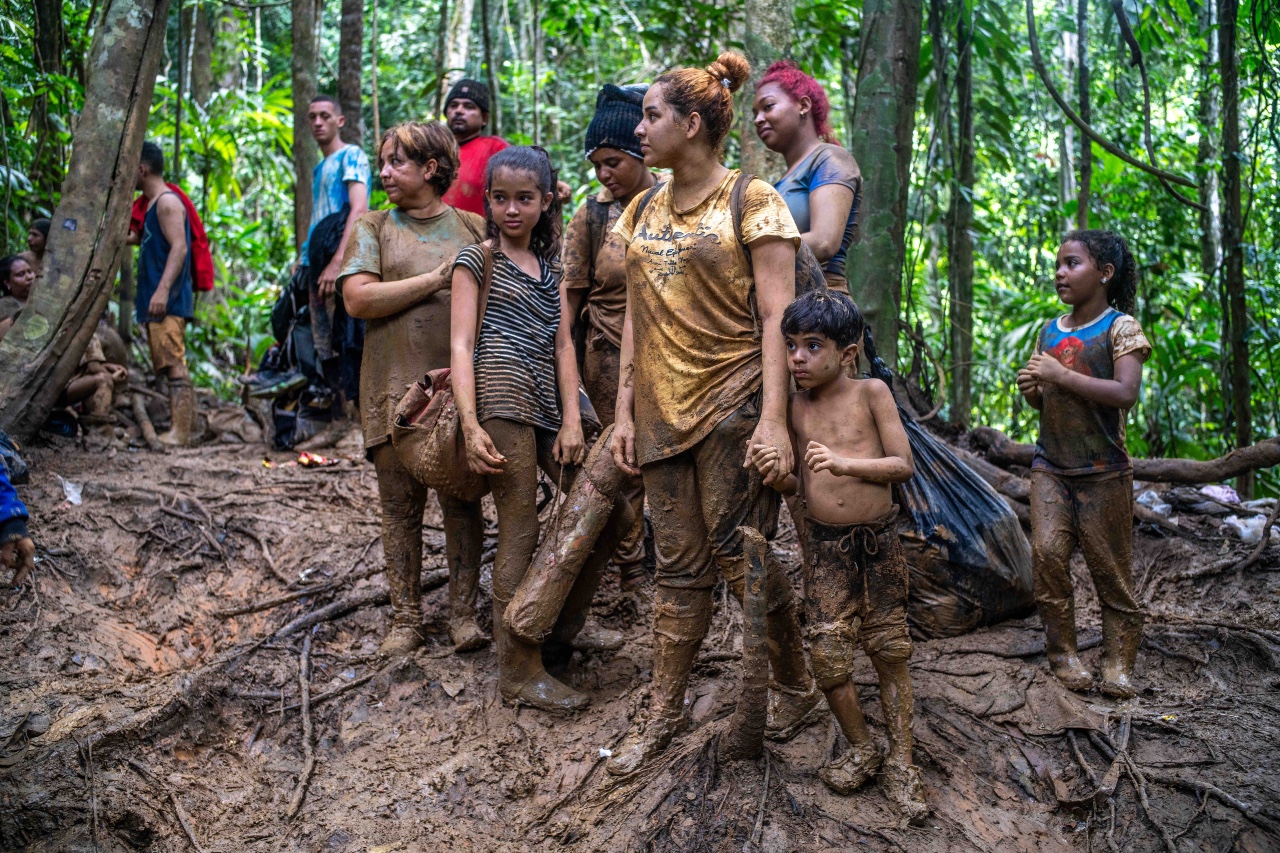
Real-life Stories: Families Who Trek Together
Many families have discovered the magic of jungle trekking with children. For example, the Johnson family from Seattle took their two sons (ages 7 and 10) on a guided trek in Thailand’s Khao Sok National Park. They chose a 2-hour route with a local guide, spotted monkeys, and learned about medicinal plants.
Their advice? “Start small, bring extra snacks, and let kids set the pace. ”
Another example: Maria, a single mom from Brazil, hikes monthly in the Atlantic Forest with her 8-year-old daughter. She says the key is “to let children lead sometimes—stop to watch ants, count butterflies, or listen to the rain.”
These stories show that, with the right approach, children can thrive in the jungle and come home with stories to tell.
Jungle Trekking Vs. Other Outdoor Activities
How does jungle trekking compare to other popular family activities, like camping or regular hiking? Here’s a quick breakdown:
| Activity | Key Features | Best For | Unique Challenges |
|---|---|---|---|
| Jungle Trekking | Dense forest, wildlife, humidity | Adventure, nature lovers | Heat, insects, navigation |
| Camping | Staying overnight outdoors | Teamwork, self-sufficiency | Setting up camp, food safety |
| Regular Hiking | Marked trails, clear paths | Exercise, views | Fatigue, weather |
Jungle trekking is more intense and immersive than a walk in the park, but with the right planning, it can be just as safe—and a lot more memorable.

Expert Tips For A Successful Family Jungle Trek
- Start with an easy trek: Build up to harder routes over time.
- Choose the right season: Avoid heavy rains or extreme heat.
- Hire local guides: They know the safest paths and can spot wildlife.
- Let children help: Give them small tasks like carrying their water or spotting trail markers.
- Be patient: Allow extra time for breaks and discovery.
- Check regulations: Some jungles require permits or limit the number of visitors.
- Respect local culture: In some areas, the jungle is sacred or home to indigenous groups.
A non-obvious insight: Many treks have “hidden” routes not listed online. Local guides sometimes offer family-friendly paths that avoid busy areas and show secret waterfalls or animal habitats. Ask around or check with eco-lodges for the best advice.
Another tip: Bring a small notebook or camera for your child. Recording what they see makes the trek more interactive and helps them notice details they might otherwise miss.
Frequently Asked Questions
Is Jungle Trekking Safe For Children?
With the right preparation, jungle trekking can be safe for children. Choose easy routes, go with a guide, and make sure your child is physically ready. Always supervise closely and carry a first aid kit.
What Is The Ideal Age For A Child To Start Jungle Trekking?
Most children can start short jungle treks around age 5 or 6, if they are active and not afraid of nature. For longer or more difficult treks, wait until they are 8–10 years old.
How Do I Keep My Child From Getting Bored During The Trek?
Make the trek interactive: let your child carry a camera or notebook, play “who can spot the most birds,” and take breaks to observe interesting plants or insects. Involve them in decisions, like choosing when to stop for a snack.
What Should I Do If My Child Gets Hurt Or Scared During The Trek?
Stay calm, treat any injuries with your first aid kit, and offer comfort. If your child is scared, reassure them and talk through their feelings. If the problem is serious or they want to stop, turn back—safety comes first.
Can We Trek In The Jungle During The Rainy Season?
It’s possible, but not always recommended. Paths can become slippery, rivers may flood, and there is a higher risk of leeches and insects. Always check local conditions and consider waiting for the dry season if you’re with children. For more tips on safe jungle travel, visit CDC: Jungle Travel Safety.
Jungle trekking with children is a challenge, but also a unique way to grow together as a family. With the right mindset, good preparation, and a sense of adventure, it’s an experience that can open your child’s eyes to the wonders of the natural world—and create memories that last a lifetime.

