

Yes — in many cases you can, but only with proper blankets, settings, and safety precautions.
I have tested heated blankets, read safety guidance, and fixed one that overheated. This article explains whether you can leave a heated blanket on all night, and how to do it safely. You will learn how heated blankets work, real risks, practical safety tips, how to pick a model designed for overnight use, and simple maintenance steps that cut risk. Read on to make an informed, safe choice about leaving a heated blanket on all night.

36% off Today’s Exclusive Deals
Limited-time Exclusive Deals. Check current discount on Amazon.
Check Price on Amazon As an Amazon Associate I earn from qualifying purchases.
How heated blankets work and why it matters
Heated blankets use low-voltage wiring or carbon fiber panels to warm bedding. A thermostat or controller keeps the blanket at a set temperature. Newer models add safety features like auto shutoff, overheat sensors, and timers. Knowing how your blanket heats helps you decide if you can leave it on all night.
Common heating designs
- Wire-based blankets that use insulated metallic wire to generate heat.
- Film or carbon-fiber blankets that spread heat more evenly and weigh less.
- Electric pads for specific areas, not full-bed heating.
Key factors that affect overnight use
- Built-in timer or auto-shutoff reduces risk.
- Temperature control accuracy prevents hot spots.
- Age and wear can increase failure risk. Can you leave a heated blanket on all night? If the blanket is modern, well-maintained, and has safety features, it is more reasonable to do so.

Risk assessment: what can go wrong if you leave it on
Leaving a heated blanket on all night carries some risk. Most problems come from old or damaged units, poor use, or leaving a blanket folded while on.
Main risks
- Overheating that can cause burns, especially for people with reduced sensitivity.
- Fire risk from damaged wiring or improper use.
- Electrical faults when exposed to liquids or worn connectors.
Who is at higher risk
- Children, elderly, and people with diabetes or reduced skin sensitivity.
- Pets that chew cords or sleep under a heated blanket.
- Anyone who uses an old or visibly damaged blanket.
Can you leave a heated blanket on all night? Yes for many adults, but not if you are in a high-risk group or your blanket shows damage. Short, frequent checks and using timers reduce danger.
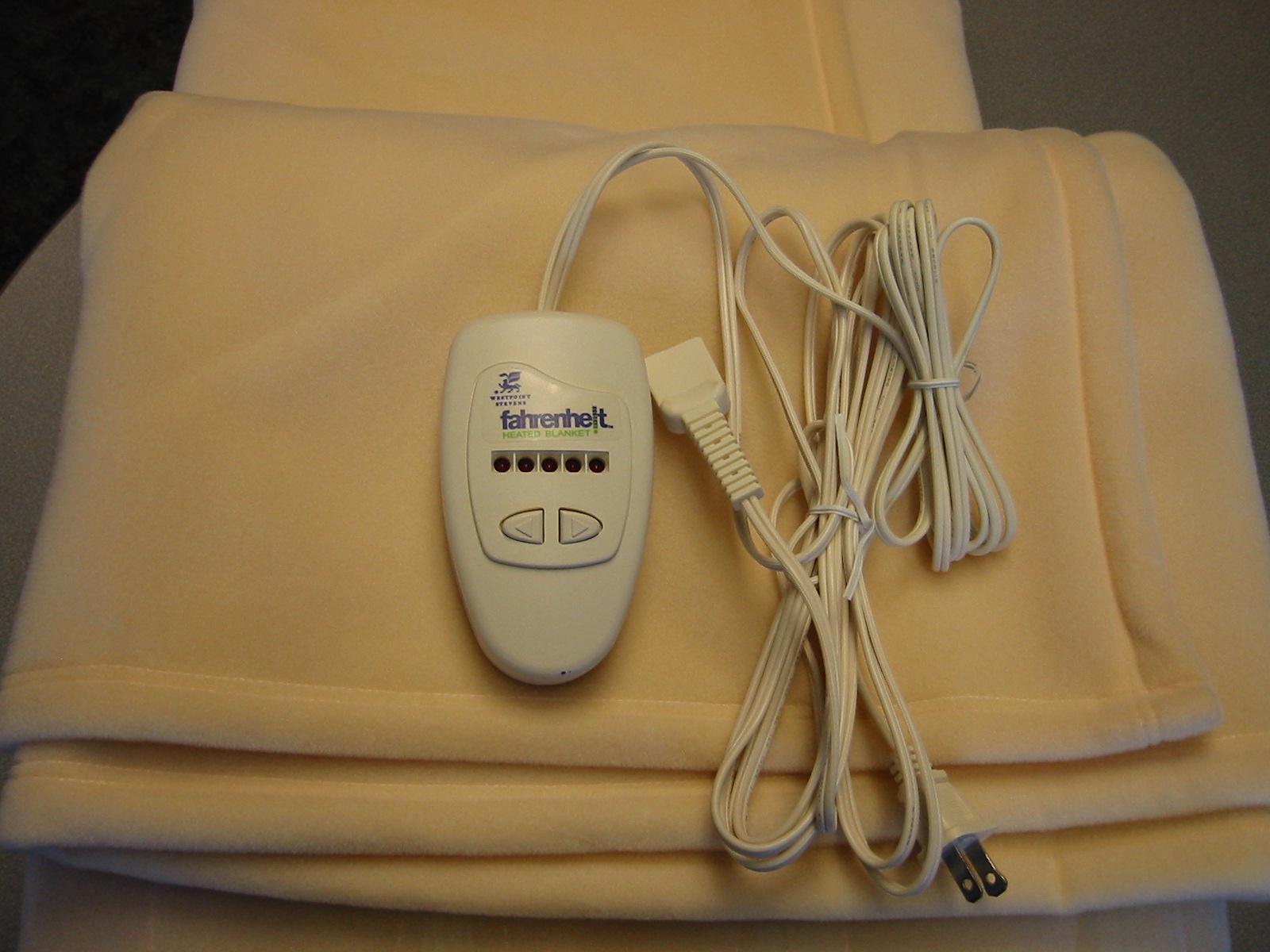
Safety checklist for overnight use
Follow this checklist every time you consider leaving a heated blanket on all night.
Before bed
- Inspect the blanket for frayed wires, scorch marks, or disconnected controllers.
- Use a flat, unfolded blanket; never tuck or bunch it while turned on.
- Keep cords away from foot traffic and pets.
Settings and placement
- Use low to medium heat for overnight comfort.
- Prefer models with auto-shutoff or timers set to turn off after a few hours.
- Place the controller where it won’t get crushed during sleep.
Electrical safety
- Plug the blanket directly into a wall outlet; avoid extension cords if possible.
- Unplug the blanket if it gets wet or if you detect a burning smell.
- Replace blankets over 10 years old or those that fail inspection.
From my experience, using the lowest comfortable setting and a timer has kept me safe while staying warm through cold nights. Can you leave a heated blanket on all night? With these safety steps, it becomes far safer.

Choosing a heated blanket meant for overnight use
Not all heated blankets are the same. Choose a model designed with overnight safety in mind.
What to look for
- Auto shutoff and timer features.
- Multiple heat levels and accurate thermostat control.
- Certification labels indicating safety testing and standards compliance.
- Thin, evenly distributed heating elements to avoid hot spots.
What to avoid
- Very cheap, unbranded blankets with no safety certifications.
- Blankets with exposed or stiff wiring.
- Products without clear washing instructions or removable controllers.
Practical tip: buy from reputable manufacturers and check for a two-year warranty. Can you leave a heated blanket on all night? Yes if you pick one built for that use.

Maintenance, washing, and troubleshooting
Keeping a heated blanket in good shape extends its life and reduces risk.
Routine care
- Follow the manufacturer’s washing instructions precisely.
- Remove the controller before washing if required.
- Air dry flat; avoid high-heat dryers unless the manual allows it.
Troubleshooting common issues
- Uneven heat: check the wiring path and controller. Replace if persistent.
- Burning smell: unplug immediately and inspect; discontinue use if smell persists.
- Controller failure: replace controller if available or retire the blanket.
When to replace
- Visible damage to fabric or wiring.
- Repeated electrical or heating malfunctions.
- Age beyond manufacturer recommendation, often 5–10 years.

Practical scenarios and personal experience
I used a modern heated blanket with a timer during a long winter. I set it to low and a four-hour timer, then used an extra layer after it turned off. That approach saved energy and reduced risk. In another case, I found a blanket with a faulty controller. I stopped using it and replaced the unit rather than risk overnight use.
Lessons learned
- Use a timer or auto-off, even if the blanket seems reliable.
- Never sleep directly on a heated pad designed for short-term spot use.
- Keep routine inspections simple and consistent.
Can you leave a heated blanket on all night? My experience shows it’s doable if you choose the right product and follow safety steps.

Energy use and cost considerations
Heated blankets are often more efficient than heating an entire room. Using a heated blanket can lower home heating bills if used sensibly.
Tips to save energy
- Use timers to heat for a few hours, then rely on insulation and layers.
- Use low settings for overnight warmth.
- Pair with good bedding and a mattress topper to retain heat.
A quick math note: modern low-voltage heated blankets use a small fraction of the power of a space heater, making them a cost-effective option for targeted warmth.

Common misconceptions
Myths can lead to unsafe decisions. Here are things people often get wrong.
Myth: Heated blankets always cause fires
- Reality: Most incidents involve old, damaged, or misused blankets. Proper models with safety features have low incident rates.
Myth: You must never sleep with a heated blanket
- Reality: Many people sleep safely with properly rated blankets and sensible precautions.
Myth: Higher heat is safer because it warms faster
- Reality: Higher heat increases burn risk and energy use. Low, steady heat is safer for overnight use.

Frequently Asked Questions of Can you leave a heated blanket on all night?
Can you leave a heated blanket on all night if it has an auto-off?
Yes. Auto-off drastically reduces risk by cutting power after a set time. Still inspect the blanket and use low settings for added safety.
Is it safe to leave a heated blanket on all night with children or babies?
No. Children and babies are at higher risk of burns and overheating, so avoid leaving heated blankets on for them overnight.
Can a heated blanket cause a fire if left on all night?
Fire risk is low for well-maintained, certified blankets but not zero. The main causes are damage, folding while on, or using untested products.
How long can I safely leave a heated blanket on at night?
Use manufacturers’ guidance, but a common safe practice is to use a 1–4 hour timer and then turn the blanket off. Low settings are safer for longer use.
Should I unplug my heated blanket when not in use?
Yes. Unplugging reduces electrical risk and is a simple habit to prevent accidents and save a small amount of energy.
Conclusion
You can leave a heated blanket on all night when the blanket is modern, certified, and in good repair, and when you follow sensible safety steps like using timers, low settings, and routine inspections. Decide based on who will sleep with it, the blanket’s condition, and the safety features it includes. Try using a timer or auto-shutoff and pair the blanket with warm bedding to reduce continuous runtime. Take action tonight: inspect your blanket, set a safe timer, or upgrade to a model designed for overnight use. If this helped, try a safer routine and share your experience or questions below.

