

Most Coleman Mach RV AC issues stem from dirty filters, low refrigerant, or power faults.
I’ve worked on Coleman Mach RV AC troubleshooting for years and seen the same faults repeat. This guide explains how the Coleman Mach RV AC works, how to find and fix common problems, and when to call a pro. Read on for step-by-step Coleman Mach RV AC troubleshooting, real tips from hands-on experience, and simple checks you can do today.

36% off Today’s Exclusive Deals
Limited-time Exclusive Deals. Check current discount on Amazon.
Check Price on Amazon As an Amazon Associate I earn from qualifying purchases.
How the Coleman Mach RV AC works
The Coleman Mach RV AC is a rooftop, packaged air system for small to mid-size RVs. It uses a compressor, condenser, evaporator, fan motors, and a thermostat to cool the coach. Most faults show as loss of cooling, fan problems, or electrical issues.

Common problems and causes
Here are the common failure modes I see when doing Coleman Mach RV AC troubleshooting.
- Dirty air filter
Dry filter cuts airflow and reduces cooling. - Blocked condenser or poor roof airflow
Leaves and debris stop heat rejection. - Low refrigerant
Low charge causes long run times and weak cooling. - Capacitor or fan motor failure
AC may hum, click, or not start. - Thermostat or control board faults
Wrong temperature readings or no response. - Power or breaker problems
Tripped breakers or weak shore power cause shutdowns. - Drain or condensation problems
Water leaks, ice on coils, or odors.

Step-by-step Coleman Mach RV AC troubleshooting
Follow these steps in order. They go from safe DIY checks to advanced checks.
- Safety first
- Turn off power at the breaker and disconnect shore power.
- Use gloves and eye protection.
- Visual inspection
- Check the rooftop unit for debris and physical damage.
- Look at wiring for burns or loose connectors.
- Check the air filter and vents
- Remove and clean or replace the filter.
- Ensure interior vents are open and unobstructed.
- Confirm power and breakers
- Reset the RV AC breaker and check the 30A/50A source.
- Try another known-good outlet or shore power.
- Test the fan and compressor start
- With power on, listen for the compressor and fans.
- If the unit hums but won’t start, suspect a bad capacitor or start relay.
- Measure temperatures
- Place a thermometer at a vent and at the thermostat. Expect a 15–25°F drop when cooling.
- Inspect the condenser coil
- Clear leaves and dirt. Use low-pressure water to clean fins.
- Check for ice or frost on the evaporator
- Ice indicates low airflow or refrigerant issues. Turn the unit off to defrost and re-test.
- Call a certified HVAC tech for refrigerant work
- Only certified techs should handle refrigerant. Low charge needs a leak test and repair.
These steps cover most Coleman Mach RV AC troubleshooting tasks. If a step fixes the problem, run the unit for 30–60 minutes to confirm.

Electrical and power troubleshooting
Electrical faults are the most common cause of intermittent or no operation.
- Breaker and shore power
Check the RV breaker, GFCI outlets, and shore power cord for damage. - Voltage under load
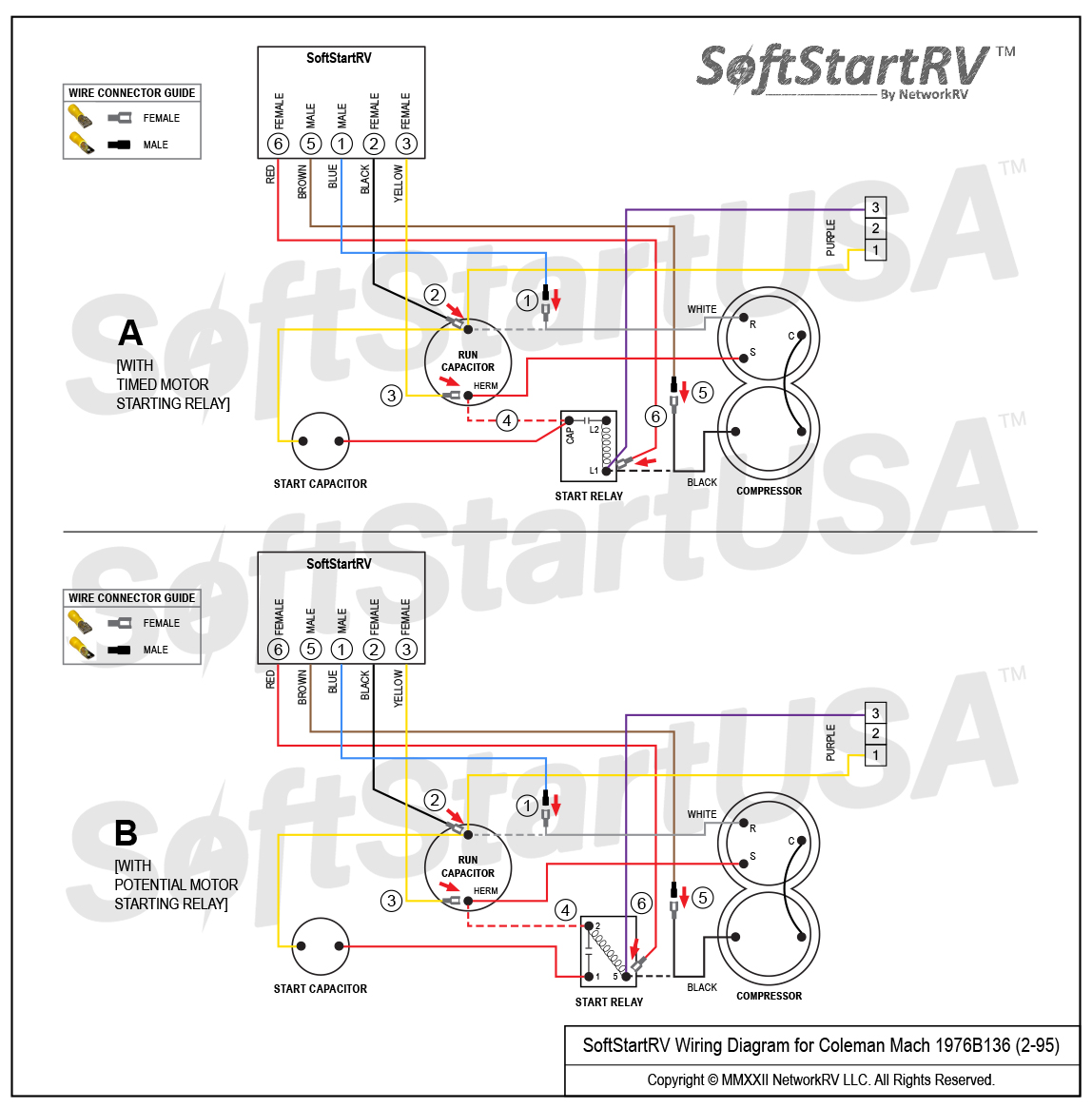
Use a multimeter to test voltage at the unit. Low voltage can cause the compressor to fail. - Capacitors
A weak or failed capacitor prevents the compressor or fan from starting. Capacitors bulge or leak when bad. - Contactors and relays
Inspect for pitting or stuck contacts. Replace if contacts look worn. - Control board and thermostat
Look for error codes on the unit or control board. Fault LEDs can point to sensor or board failures.
Personal tip: I once traced a repeating shutdown to a bad shore power cord. Swapping the cord fixed the Coleman Mach RV AC problem immediately.

Cooling performance issues
If the unit runs but does not cool well, isolate airflow vs refrigerant problems.
- Airflow checks
Clean or replace filters first. Check for obstructed returns and supply vents. - Evaporator and condenser cleanliness
Dirty coils reduce heat transfer. Clean coils gently to avoid bending fins. - Refrigerant signs
Long run times, weak cooling, and ice on the coil often mean low refrigerant. Have a pro test for leaks. - Compressor health
A noisy compressor or one that runs hot can signal internal wear. Replace only when necessary.
Practical example: I saw one coach with poor cooling for months. The filter looked clean, but the condenser was clogged under leaves. After cleaning, the Coleman Mach RV AC cooled normally.
Airflow, fan, and thermostat troubleshooting
Fans and controls drive comfort. Check these items for common faults.
- Fan motor checks
If the fan won’t run, test for voltage at the motor. If voltage is present but the motor stops, the motor or capacitor is likely bad. - Fan blade and shroud inspection
Bent blades or loose shrouds cause vibration and poor airflow. - Thermostat calibration
A faulty thermostat gives wrong setpoints. Replace or recalibrate if readings differ from a room thermometer. - Mode and damper check
Ensure the unit is in the correct mode (cool vs heat) and dampers are not stuck.
Tip from experience: Small birds nesting around the rooftop unit can jam the fan. Always check for nests before deeper troubleshooting.

Maintenance checklist and preventive tips
Regular maintenance keeps the Coleman Mach RV AC reliable.
- Monthly when in use
- Clean or replace cabin air filters.
- Check interior vents and clear obstructions.
- Every season
- Clean condenser fins and clear roof debris.
- Inspect wiring and tighten connections.
- Annually
- Have a certified tech check refrigerant pressure and test system seals.
- Replace capacitors and start components proactively if signs of wear appear.
Routine care prevents many Coleman Mach RV AC troubleshooting headaches. A little effort saves a lot of sweat on a hot day.

When to call a professional and replacement parts
Know when to DIY and when to hire a tech.
- Call a pro for
- Refrigerant work and leak testing.
- Compressor replacement or sealed-system repairs.
- Complex electrical diagnosis beyond breakers and simple tests.
- DIY-friendly tasks
- Filter changes, cleaning coils, clearing drains, and swapping capacitors if comfortable.
- Common replacement parts
- Capacitors, fan motors, contactors, filters, thermostats, and control boards.
- Costs and time
- Simple fixes often cost under $200. Major sealed-system repairs can cost much more.
I recommend getting a written estimate and warranty on parts and labor. This protects you and ensures quality work.
People also ask (quick PAA-style answers)
Why is my Coleman Mach RV AC blowing warm air?
Warm air usually means restricted airflow, a dirty filter, or low refrigerant. Check the filter and condenser first.
How often should I clean the Coleman Mach RV AC condenser?
Clean the condenser every season or more often if parked under trees. Regular cleaning keeps cooling efficient.
Can I replace the capacitor myself?
Yes, if you are comfortable with basic electrical safety. Always disconnect power and discharge the capacitor before handling.
Frequently Asked Questions of Coleman Mach Rv Ac Troubleshooting
How do I reset my Coleman Mach RV AC unit?
Turn off power at the breaker and at the unit, wait 60 seconds, then restore power. This often clears minor electronic faults.
What causes the Coleman Mach AC to short-cycle?
Short cycling is usually caused by low refrigerant, a failing compressor, or incorrect thermostat placement. Check airflow and call a tech if needed.
Why does the unit make a loud clicking noise?
Clicking can be a sign of a bad contactor, a weak capacitor, or relay failure. Inspect the contactor and capacitor for visible damage.
How can I tell if the compressor is failing?
Look for long run times, frequent tripping of breakers, loud noises, or inability to reach set temperature. A pro can test compressor amperage.
Is it safe to run the AC with frozen coils?
No. Running with frozen coils can damage the compressor. Turn the unit off to thaw and check airflow and refrigerant levels.
What routine maintenance can I do myself?
You can clean or replace filters, clear vents, clean condenser fins, and check connections. Leave sealed-system checks to certified techs.
Conclusion
You can solve many Coleman Mach RV AC troubleshooting issues with careful inspection, simple tests, and routine maintenance. Start with filters, airflow, and power checks, and escalate to a certified technician for refrigerant or sealed-system repairs. Take action today: clean the filter, check shore power, and note any noises or error codes before your next trip. If this guide helped, leave a comment or subscribe for more RV repair tips.

