

Most Dometic RV air conditioner issues are simple fixes like power, filters, or drains.
I have spent years fixing RV systems and teaching owners how to diagnose problems. This guide on Dometic Rv Air Conditioner Troubleshooting lays out clear steps, safety tips, and real-world fixes. You will learn how these units work, how to spot common faults, and how to decide when to call a pro. Read on to confidently troubleshoot your Dometic Rv air conditioner and keep cool on the road.

36% off Today’s Exclusive Deals
Limited-time Exclusive Deals. Check current discount on Amazon.
Check Price on Amazon As an Amazon Associate I earn from qualifying purchases.
How Dometic RV Air Conditioners Work
Dometic RV air conditioners move heat from inside the coach to the outside.
They use a compressor, condenser, evaporator, fan, thermostat, and refrigerant.
Understanding these parts helps with Dometic Rv Air Conditioner Troubleshooting and quick fixes.

Common Problems and Causes
Most failures are simple to find and fix. Below are frequent issues and what causes them.
- Unit won’t turn on. Often caused by blown fuses, tripped breakers, or lost shore power.
- Poor cooling or warm air. Could be dirty filter, blocked vents, low refrigerant, or faulty compressor.
- Loud noise or vibration. Loose fan, worn bearings, or failing compressor may be the cause.
- Short cycling. Bad thermostat, dirty condenser, or electrical issues trigger frequent on/off cycles.
- Water leaks or overflow. Clogged drain tube, poor roof seal, or blocked drip pan are common.
- Error codes or flashing lights. Control board or sensor faults often show codes on Dometic units.
These causes form the backbone of Dometic Rv Air Conditioner Troubleshooting and point to quick next steps.

Step-by-Step Dometic Rv Air Conditioner Troubleshooting Guide
Follow these steps in order. Stop and seek help if you are unsure or encounter high-voltage parts.
- Check power and breakers.
- Verify shore power or generator is on.
- Inspect AC breaker and the unit’s internal fuse.
- Inspect the thermostat.
- Set to cool and lower temperature a few degrees.
- Replace batteries or swap in a known-good thermostat if needed.
- Clean or replace the air filter.
- Dirty filters cut airflow and reduce cooling.
- Wash reusable filters and let them dry fully.
- Clear vents and registers.
- Remove curtains, furniture, or luggage that block airflow.
- Check the condenser coil and fins.
- Clean dirt, leaves, and bugs from the top unit.
- Use a soft brush and low-pressure water.
- Test the fan and blower.
- Listen for abnormal noises.
- Tighten loose screws and check belts if present.
- Inspect the condensate drain.
- Run water through the internal pan and clear the drain tube.
- Use a flexible wire or compressed air if clogged.
- Look for refrigerant issues.
- Low refrigerant shows poor cooling and must be handled by an HVAC tech.
- Check start capacitor and relays.
- Bad capacitors cause hard starts or no compressor run.
- Replace only if you are comfortable with electrical parts.
- Read error codes and consult the manual.
- Document any flashing LEDs or codes and match them to the service manual.
I once fixed a camper that blew a fuse nightly. The root cause was a sticking fan motor. After a cheap motor replacement, the unit ran quiet and steady. These small checks save time and money when doing Dometic Rv Air Conditioner Troubleshooting.

Tools, Parts, and When to Call a Pro
Have these items on hand for basic troubleshooting or small repairs.
- Multimeter for voltage and continuity checks.
- Nut drivers, screwdrivers, and pliers.
- Soft brush, coil cleaner, and garden hose for cleaning.
- Replacement filters and common fuses.
- Spare start capacitor if you plan to swap parts safely.
Call a certified HVAC technician when:
- You suspect refrigerant leaks or low refrigerant.
- Compressor replacement is needed.
- Complex control board or sealed-system work is required.
- You are not trained for high-voltage repairs.
Knowing when to DIY and when to hire helps prevent costly mistakes during Dometic Rv Air Conditioner Troubleshooting.

Preventive Maintenance Tips
Simple habits reduce breakdowns and extend unit life.
- Clean filters every month in heavy use.
- Wash condenser coils each season.
- Inspect roof seals around the unit twice a year.
- Run the unit for short cycles in shoulder seasons to keep parts lubricated.
- Store the RV with a cover when not in use to limit debris buildup.
In my first RV, skipping seasonal cleanings led to a clogged drain and moldy vents. Regular care prevents that and simplifies Dometic Rv Air Conditioner Troubleshooting later.
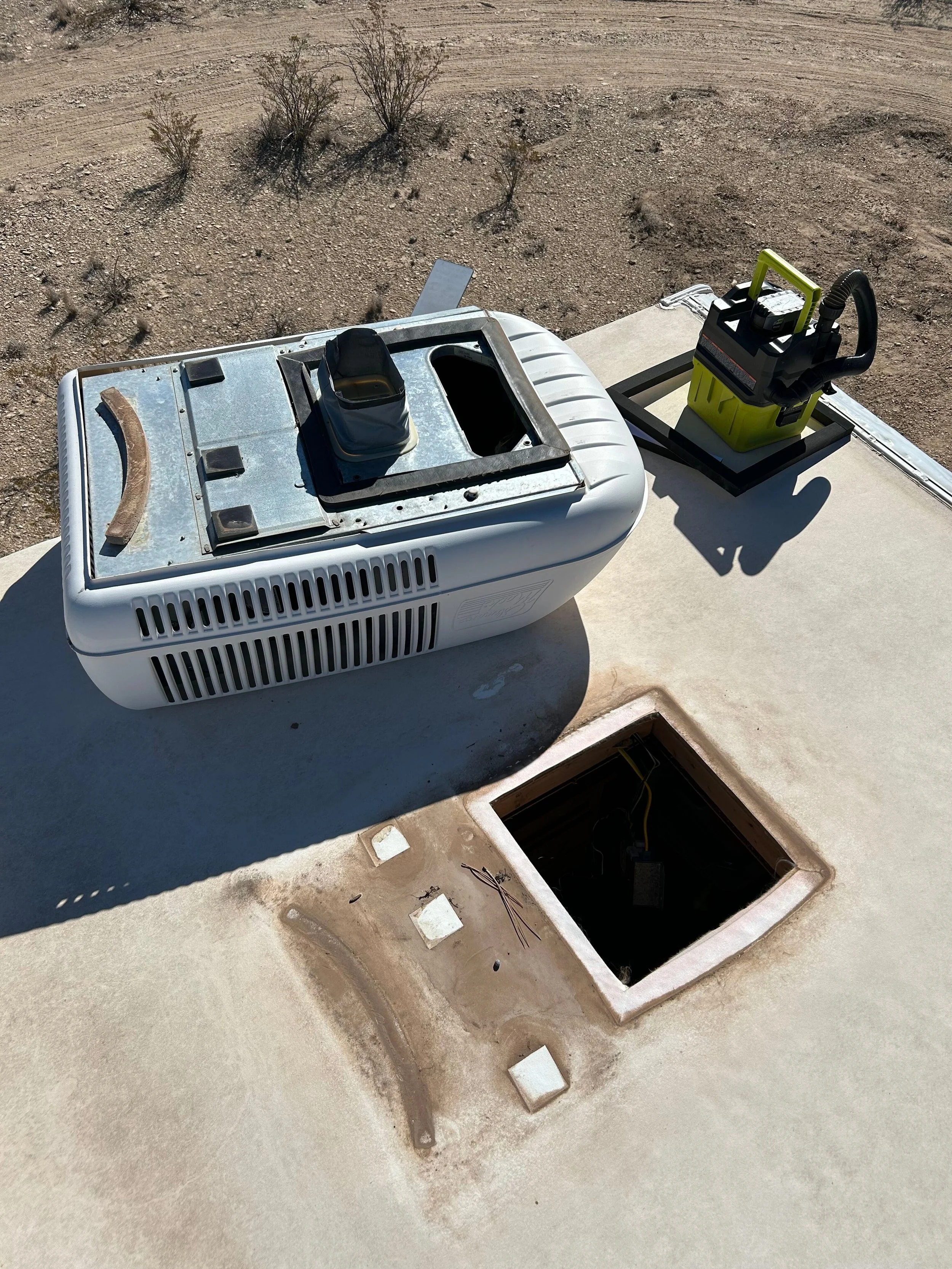
Costs, Repairs, and Warranty Considerations
Budget and warranty matter. Typical cost cues:
- Filter and basic part replacements: low cost.
- Fan motor or capacitor swaps: moderate cost.
- Compressor or sealed system repairs: high cost, often near replacement price.
Check your Dometic warranty before purchase of parts. Keep receipts and service records. Warranty may cover defects but not wear from neglect. Always ask for a written estimate before major work.
People Also Ask
How long do Dometic RV air conditioners last?
Properly maintained units can run 8 to 15 years, depending on use and care.
Why does my Dometic AC freeze up?
Freezing often results from dirty filters, low airflow, or low refrigerant that causes coils to ice over.
Can I run a Dometic AC on a generator?
Yes, but ensure the generator can handle the AC’s startup surge and steady wattage.
Frequently Asked Questions of Dometic Rv Air Conditioner Troubleshooting
What do I do if my Dometic AC won’t start?
Check shore power, the circuit breaker, and the unit’s internal fuse first. If power is fine, inspect the thermostat and start capacitor.
Why is my Dometic AC blowing warm air?
Likely causes are dirty filters, blocked airflow, low refrigerant, or a failing compressor. Clean filters and check airflow before calling a tech.
How often should I clean the condenser coils?
Clean coils at least once per season, and more often if you park under trees or drive on dusty roads.
Are Dometic error codes easy to read?
Yes, the control panel shows codes or LED flashes. Match the code to the manual to find the likely fault.
Is it safe to replace parts myself?
You can replace simple parts like filters, fuses, and fans safely. For refrigerant, compressor, or sealed-system work, hire a certified technician.
Can roof leaks affect AC performance?
Yes. Water intrusion around the unit can damage wiring and electronics, causing functional failures and safety risks.
How do I stop my AC from short cycling?
Ensure a clean condenser and good airflow, and check the thermostat placement. If the problem continues, have electrical and control components inspected.
Conclusion
Dometic Rv Air Conditioner Troubleshooting is mostly about checks, cleaning, and clear steps. Start with power, filters, airflow, and simple parts. Keep a small tool kit and perform regular maintenance to avoid most failures. When you hit sealed-system or compressor issues, call a pro to protect your RV and safety. Try the steps here, track what you find, and ask for help when needed. If this guide helped, subscribe for more tips or leave a comment with your RV cooling story.

