

Most Ford F150 AC issues stem from refrigerant leaks, failed fans, or electrical problems.
I’ve spent years diagnosing and fixing truck HVAC systems, and this guide walks you through Ford F150 Air Conditioning Troubleshooting with clear steps and simple checks. Read on to learn how to identify symptoms, run safe tests, and decide when to DIY versus calling a shop. My goal is to make Ford F150 Air Conditioning Troubleshooting easy, reliable, and useful for every owner.

36% off Today’s Exclusive Deals
Limited-time Exclusive Deals. Check current discount on Amazon.
Check Price on Amazon As an Amazon Associate I earn from qualifying purchases.
Common Symptoms and What They Mean for Ford F150 Air Conditioning Troubleshooting
Low cooling, warm air, odd noises, or bad smells are the usual signs that your Ford F150 air conditioning needs attention. Each symptom points to a group of likely causes. For example, warm air often means low refrigerant or a failing compressor clutch. Rattles or squeals often signal a worn bearing or loose mounting.

Quick Safety Steps and Tools Before You Start Ford F150 Air Conditioning Troubleshooting
Safety matters. Work with gloves and eye protection. Never open the AC system without proper gauges and knowledge. You’ll need a basic set of tools and a multimeter for electrical checks. For refrigerant, use approved gauges and follow local laws about refrigerant handling.
- Basic tools: ratchet set, screwdrivers, pliers.
- Diagnostic tools: multimeter, AC manifold gauges, refrigerant leak detector.
- Safety gear: gloves, eye protection, long sleeves.

Step-by-Step Ford F150 Air Conditioning Troubleshooting Guide
Follow these steps in order. They move from easy checks to deeper diagnostics. This saves time and money and avoids unnecessary part replacements.
- Check cabin airflow and vents
- Confirm blower runs on all speed settings.
- If airflow is weak, inspect cabin filter and blower motor fuse.
- Verify AC settings and thermostat
- Set to max A/C and recirculate. If it’s still warm, proceed.
- Inspect for obvious leaks and damage
- Look for oily stains on compressor, lines, or condenser.
- A visible oil stain often means a refrigerant leak.
- Test compressor engagement
- With engine running and A/C on, watch the clutch engage.
- No engagement could be low refrigerant, clutch failure, or electrical fault.
- Measure system pressures
- Attach gauges to high and low ports. Compare to normal ranges for ambient temperature.
- Low low-side pressure typically means low refrigerant. High pressures can mean a clogged condenser.
- Check fans and condenser
- Ensure electric fans run when A/C is on.
- Poor condenser airflow raises head pressure and reduces cooling.
- Perform an electrical check
- Test fuses, relays, and compressor clutch coil resistance with a multimeter.
- Intermittent electrical faults can mimic refrigerant issues.

Common Parts to Inspect and Replace During Ford F150 Air Conditioning Troubleshooting
Knowing the common failure points helps you prioritize repairs. Replace only what you need after testing.
- Compressor and clutch
- Fails mechanically or electrically. Signs include no engagement, loud noise, or metal debris.
- Refrigerant lines and O-rings
- Old seals and hoses can leak. O-ring replacement and oil top-up may fix small leaks.
- Condenser and radiator fans
- Bent fins or failed fans reduce cooling. Replace fans or repair wiring as needed.
- Expansion valve or orifice tube
- Blockage causes poor cooling and abnormal pressures.
- Receiver-drier or accumulator
- Should be replaced when the system is opened. It traps moisture and debris.

Diagnostics Tips, Tests, and Interpretations for Ford F150 Air Conditioning Troubleshooting
Short, clear tests reveal root causes fast. Use these practical checks.
- Soap bubble or UV dye for leaks
- Apply soap solution to suspect joints. Bubbles indicate a leak. UV dye can find slow leaks with a blacklight.
- Pressure patterns
- Normal idle pressures vary with temperature. A too-low low-side pressure plus no clutch engagement often means low refrigerant.
- Temperature measurements
- Measure vent temperature at max A/C. Typical target is 35°F–45°F below ambient on a healthy system.
- Smell checks
- Musty or moldy odors mean a clogged evaporator or dirty cabin filter. A burnt smell may mean electrical issues.
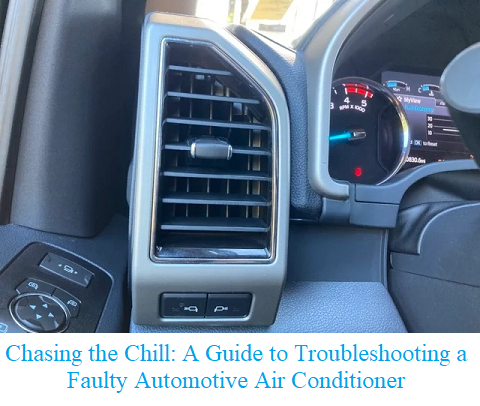
Preventive Maintenance and Best Practices for Ford F150 Air Conditioning Troubleshooting
Routine care reduces failures and keeps the AC efficient. These steps are cheap and effective.
- Replace cabin air filter every 12 months or 12,000 miles.
- Inspect belts and hoses during oil changes.
- Run the A/C regularly in warm months to circulate oil and keep seals healthy.
- Clean the condenser and radiator to maintain airflow.

Real-World Examples and Personal Experience with Ford F150 Air Conditioning Troubleshooting
I once diagnosed a 2015 F150 where the compressor clutch never engaged. Initial checks suggested low refrigerant. A quick pressure test showed normal high-side but low low-side pressure. The true culprit was a failed clutch coil. Replacing the clutch fixed it and cost a fraction of a full compressor.
Another time, weak airflow was solved by swapping a clogged cabin filter. A simple part replaced saved the owner time and money. These experiences taught me to start with the easiest checks first.
Cost Estimates and When to Call a Professional for Ford F150 Air Conditioning Troubleshooting
Minor fixes like filters and fuses are low cost. Refrigerant top-ups or O-ring replacements are moderate. Compressor or condenser replacement is high cost. Call a professional if:
- You lack tools or refrigerant handling certification.
- The system needs major disassembly.
- You detect metal debris or compressor failure.
Typical cost ranges:
- Cabin filter: low.
- Refrigerant recharge: moderate.
- Compressor replacement: high.
PAA-Style Quick Questions About Ford F150 Air Conditioning Troubleshooting
What causes an F150 AC to blow warm air?
Low refrigerant, a failed compressor clutch, or poor condenser airflow are common causes. Start with a pressure check and inspect fans.
How do I know if my F150 AC compressor is bad?
Look for no clutch engagement, strange noises, or metal particles in the system. A professional can run a clutch coil and pressure test to confirm.
Can I recharge my Ford F150 AC myself?
You can if you have the right gauges, refrigerant, and knowledge. Follow laws and safety rules; improper charging can harm the system.
Frequently Asked Questions of Ford F150 Air Conditioning Troubleshooting
Why is my Ford F150 AC taking a long time to cool?
Slow cooling often results from low refrigerant levels, a dirty condenser, or reduced airflow from a clogged cabin filter. Check filters and fan operation before deeper testing.
How often does the F150 AC need service?
A basic inspection every 12 months is wise, with filter changes as needed. More thorough checks every 2–3 years help catch leaks early.
What does it mean if the AC compressor cycles on and off quickly?
Rapid cycling can mean low refrigerant, an electrical problem, or a failing pressure switch. Measure pressures and test the clutch circuit.
Why do I smell a mildew odor from vents in my F150?
A musty smell usually comes from a dirty evaporator or mold in the airflow path. A cabin filter change and evaporator cleaner can help.
Is it safe to drive with a faulty AC in my F150?
It is usually safe but uncomfortable. Driving with a seized compressor can damage the belt or engine accessories, so avoid long drives until checked.
Conclusion
Ford F150 Air Conditioning Troubleshooting becomes manageable with a clear plan. Start with simple checks, use safe tools, and interpret pressures and symptoms carefully. Regular maintenance prevents most problems and saves money over time. Try the basic steps here, and if you hit a complex issue, seek a qualified technician. Share your experience, ask questions below, or subscribe for more hands‑on truck HVAC tips.

