

Kite fishing keeps bait on the water’s surface using a kite; trolling pulls lures or bait behind a moving boat.
I’ve spent years on inshore and offshore trips teaching anglers both techniques. This article explains what is the difference between kite fishing and trolling? I’ll break down gear, tactics, targets, costs, safety, and real-life tips so you can pick the right method for your next day on the water.

36% off Today’s Exclusive Deals
Limited-time Exclusive Deals. Check current discount on Amazon.
Check Price on Amazon As an Amazon Associate I earn from qualifying purchases.
Overview: basic definitions and how they differ
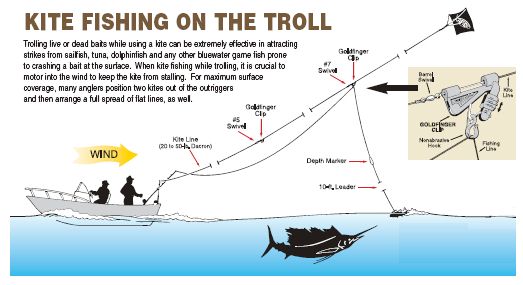
Kite fishing uses a kite to carry bait out and present it on the water surface away from the boat. The kite keeps live or dead bait floating naturally while anglers watch lines from the cockpit or the bow. Kite rigs often target surface-feeding fish and allow multiple baits to be staged at different positions around the boat.
Trolling means moving the boat slowly while pulling lures or bait behind on lines or wire. The motion imitates swimming prey and keeps lures at set depths using planer boards, downriggers, or line weights. Trolling covers water and finds fish by presentation and speed rather than by stationary spread.
What is the difference between kite fishing and trolling? Kite fishing presents baits without engine noise close to the water, while trolling depends on boat movement to activate lures and attract fish. Kite setups are ideal for surface strikes and stealth. Trolling is better for deep or fast-moving species and for searching large areas.
Gear and setup differences
Kite fishing gear
- Kite and bridle lines that launch and hold baits at set angles.
- Light to medium spinning rods with high-capacity reels for long runs.
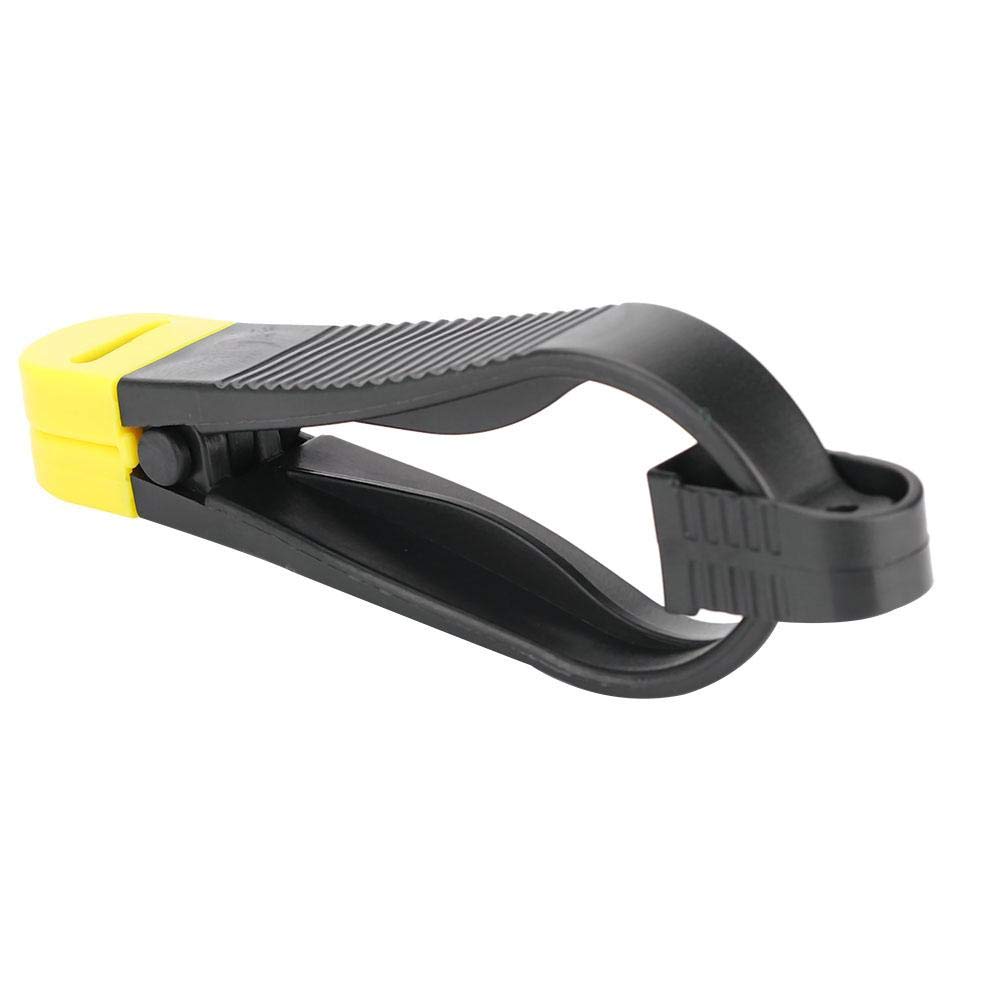
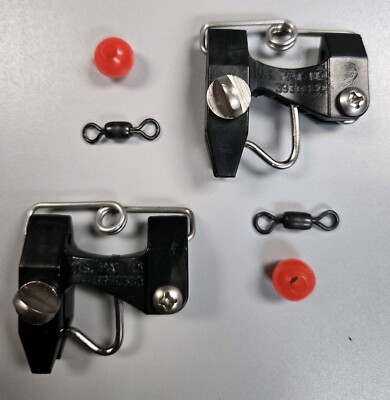
- Pin or clip releases to drop bait quickly when a fish hits.
- Multiple short leaders and hooks, often baited with live fish or chunks.
Trolling gear
- Sturdy trolling rods and conventional or baitcasting reels with high line capacity.
- Planer boards, downriggers, and outriggers to control spread and depth.
- A variety of lures: plugs, skirted baits, spoons, and trolling flies.
- Weighted leaders or wire for toothy species.
What is the difference between kite fishing and trolling? The kite system relies on aerial lift and attachment hardware. The trolling system relies on mechanical spread control and depth tools. The gear affects boat layout, storage, and crew roles.
Techniques and tactics: how each is fished
Kite fishing tactics
- Launch the kite into wind and clip bait to the bridle so it lands softly.
- Set multiple baits along the windward side to create a feeding zone.
- Watch for line tension or bow-mounted rod alarms for hits.
- Use live bait or slow-dead presentations for natural surface action.
Trolling tactics
- Run at speeds tuned to lure type and species. Change speed to trigger strikes.
- Use spread patterns to cover lanes and set lures at varying depths.
- Troll transects to find active fish, then stop and cast or anchor to concentrate strikes.
- Switch lure types and depths if catches are slow.
What is the difference between kite fishing and trolling? Kite fishing focuses on precise, static presentation and surface action. Trolling focuses on motion, depth control, and coverage. Both require attention, but the onboard roles and movements differ a lot.

Target species and ideal conditions
Kite fishing often targets:
- Tuna species that strike on the surface.
- Dorado (mahi-mahi) that chase exciting surface offerings.
- Billfish when presented with baits away from the boat.
- Inshore species like cobia or Spanish mackerel in calm winds.
Trolling commonly targets:
- Kingfish, tuna, marlin, wahoo, and large pelagics.
- Salmon and trout in freshwater or nearshore runs.
- Deep-diving predators when using downriggers or lead-core lines.
Best conditions
- Kite fishing needs steady wind of moderate strength and room to fly the kite safely. Light wind can be managed with larger kites; heavy gusts make it risky.
- Trolling works in varied wind and sea states. Calm to moderate seas are ideal. Heavy seas reduce effective lure control and safety.
What is the difference between kite fishing and trolling? The choice often depends on species, wind, sea state, and whether you need stealth or coverage.

Advantages and limitations
Advantages of kite fishing
- Stealthy presentation with minimal engine noise near baits.
- Excellent for surface feeders and dramatic visual strikes.
- Keeps baits alive and natural-looking longer.
- Lets anglers fish multiple baits close together without tangles.
Limitations of kite fishing
- Requires wind and open space to operate safely.
- Learning curve for kite control and proper bridle setup.
- More setup time and gear storage needs.
- Can be awkward in crowded waters or near low bridges.
Advantages of trolling
- Covers large areas to locate fish and find feeding lanes.
- Works in wide weather ranges and many depths.
- Easier for solo anglers or small crews after setup.
- Simple to scale from backyard boats to tournament vessels.
Limitations of trolling
- Engine noise can spook shy fish in clear conditions.
- Less natural bait presentation near the surface.
- Requires more tackle for deep-water tactics.
- Can be less exciting visually than surface kite strikes.
What is the difference between kite fishing and trolling? Kite fishing shines for shallow surface action and visual drama. Trolling shines for exploration, depth control, and broad coverage.
Costs, logistics, and learning curve
Costs to consider
- Kite fishing adds kite purchase, spare bridles, pin releases, and storage space. Expect moderate initial cost and ongoing gear replacement.
- Trolling costs center on rods, reels, planer boards, downriggers, and line. More tools can mean higher upfront spending.
Logistics and crew
- Kite fishing often needs two people: one to fly and trim the kite, the other to handle rods. Communication is key.
- Trolling can be done by a single experienced angler in many cases but benefits from a helper to manage lines and change lures.
Learning curve
- Kite fishing requires practice to launch safely and land baits cleanly. Expect a steeper early learning curve.
- Trolling is quicker to learn at a basic level, but mastering spread, depth, and lure choice still takes time.
What is the difference between kite fishing and trolling? Kite fishing tends to have higher skill demands for setup and operation. Trolling is more modular and easier to scale for beginners.

Safety, rules, and best practices
Safety tips for kite fishing
- Check wind forecasts and avoid gusty conditions near shore or rocks.
- Use quick-release pins and hover the kite away from lines when boarding.
- Watch for bird activity; birds may take baits and drag lines.
Safety tips for trolling
- Keep a good look-out for prop hazards and changing weather.
- Secure tackle and use line cutters or snaps to release fouled gear.
- Mark downriggers and planer boards clearly to avoid tangles with other boats.
Regulatory and etiquette notes
- Be aware of local fishing rules on live bait use and protected species.
- In crowded areas, prefer trolling patterns that reduce tangles or move over to less congested water.
What is the difference between kite fishing and trolling? Safety concerns differ. Kite fishing adds airborne gear risk and wind dependency. Trolling adds risks from moving gear and depth control devices.
Personal experience, mistakes to avoid, and pro tips
From my trips, a few lessons stand out.
- Practice kite launches on land first. I learned this the hard way after several messy first days.
- Use bright leaders and clear communication. One wrong call can tangle lines fast.
- Match bait size to species. Too big a bait can slow kite lift. Too small can fail to entice a strike.
- When trolling, vary speed in short bursts. I’ve often triggered strikes by changing speed by just one knot.
- Keep a small kit of spares: bridle lines, clips, extra hooks, and a handheld wind meter.
What is the difference between kite fishing and trolling? My real-world experience shows kite fishing rewards patience and skill. Trolling rewards experimentation with speed and spread. Both can be thrilling when done right.
Frequently Asked Questions of What is the difference between kite fishing and trolling?
What is kite fishing best used for?
Kite fishing is best for surface-feeding fish and for presenting live baits away from the boat to encourage natural strikes. It works well in steady winds and when visual action is desired.
Can you troll and kite fish from the same boat?
Yes, many boats can be rigged for both. You need space for kite gear and trolling spread; switching takes planning and a short setup change.
Which method catches more fish?
Neither method guarantees more fish; success depends on species, conditions, and skill. Trolling finds fish over wide areas; kite fishing can produce higher strike rates when fish feed at the surface.
Is kite fishing harder than trolling?
Kite fishing often has a steeper learning curve because of wind and kite control, while basic trolling is easier to start. Mastery of both takes practice.
Do you need a crew to kite fish?
While one experienced person can manage a kite, having at least one crew member makes launching, baiting, and fighting fish much safer and more effective.
What equipment differences matter most?
Kite fishing needs a reliable kite, bridle, and release system, while trolling needs depth-control tools like planer boards or downriggers. Both require robust rods and reels suited to target species.
Conclusion
Kite fishing and trolling are distinct tools in an angler’s kit. Kite fishing offers stealthy, surface-focused presentation that excels in the right wind and for visual strikes. Trolling offers range, depth control, and versatility that works in more varied conditions. What is the difference between kite fishing and trolling? The difference lies in presentation, gear, and the skills needed. Try both when you can. Start small, practice setups on land, and use the tips here to pick the right method for your next trip. If this helped, leave a comment about your experiences, subscribe for more fishing guides, or plan a day to test both techniques on the water.

