

If your Electrolux washer isn’t working as expected, you’re not alone. Many people face issues with their washing machines, from strange noises to water not draining. The good news is, most problems can be fixed without calling a technician. Understanding how to troubleshoot your Electrolux washer can save time, money, and frustration. In this guide, you’ll learn practical ways to spot and solve common washer problems. Whether your machine won’t start, has error codes, or leaves clothes soaking wet, you’ll find clear solutions here. Let’s make your laundry day easier by tackling those washer troubles step by step.
Common Electrolux Washer Problems
Electrolux washers are designed for convenience, but they can develop issues like any appliance. Here are some of the most frequent problems people face:

36% off Today’s Exclusive Deals
Limited-time Exclusive Deals. Check current discount on Amazon.
Check Price on Amazon As an Amazon Associate I earn from qualifying purchases.- Washer won’t start
- Water not draining
- Washer not spinning
- Excessive noise or vibration
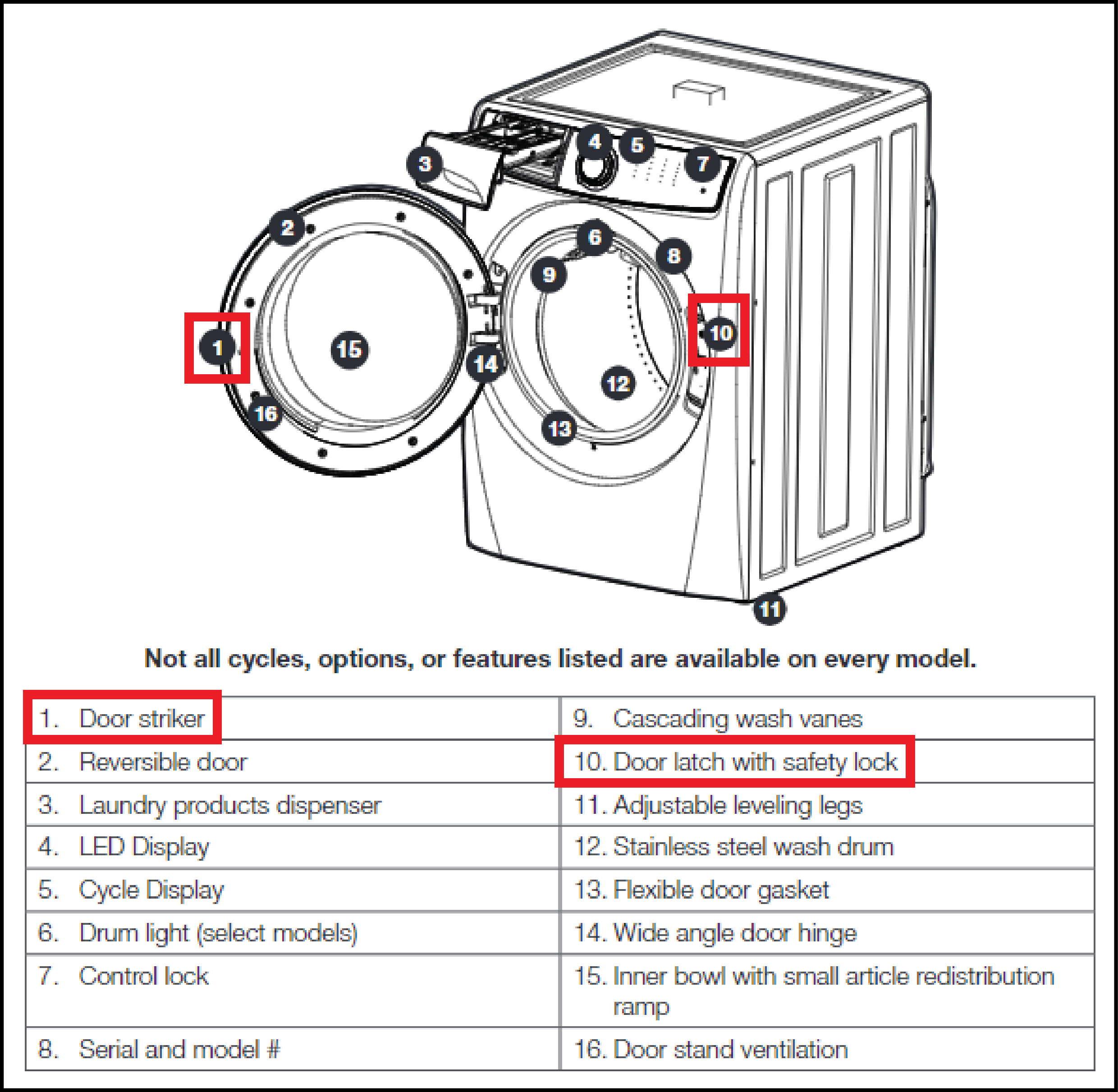
- Door won’t unlock
- Error codes showing
- Leaks
- Bad odors
- Clothes not clean
- Detergent dispenser not working
Knowing the symptoms helps you find the right fix. Let’s look at each issue in detail.
Washer Won’t Start
If you press the start button and nothing happens, it’s frustrating. Usually, this is caused by a simple issue:
- Power supply: Check if the washer is plugged in and the outlet works. Try another device in the same outlet.
- Door lock: The washer won’t run if the door isn’t fully closed. Push the door firmly until you hear a click.
- Control settings: Make sure you’ve selected a cycle and pressed start/pause correctly.
- Child lock: Some Electrolux models have a child lock feature. Look for a lock symbol on the display and check your manual.
- Faulty start switch: If all else fails, the start button or control board could be defective.
Example
A user once reported her Electrolux washer wouldn’t start. After checking, she found the outlet was dead—her phone charger wouldn’t work there either. Moving the washer to a new outlet fixed the problem.
Water Not Draining
If your washer finishes a cycle but water stays inside, you need to act fast. Standing water can cause odors and damage.
- Clogged drain filter: Most washers have a filter near the bottom. Open the filter cover, remove debris, and rinse.
- Blocked drain hose: Check the hose for kinks or clogs. Straighten it or flush it with water.
- Pump failure: If you hear the pump running but water isn’t draining, the pump could be faulty.
- Too much detergent: Excess suds can block sensors and drainage.
Practical Tip
Always unplug the washer before cleaning the drain filter. Keep a towel handy—the filter can release water when opened.
Washer Not Spinning
A washer that won’t spin leaves clothes wet and heavy. Here’s what to check:
- Unbalanced load: If laundry is bunched to one side, the washer may stop spinning. Redistribute items for balance.
- Spin cycle setting: Make sure you’ve chosen the right spin cycle.
- Drainage issue: If water isn’t draining, the washer won’t spin.
- Door lock: Some washers pause spinning if the door isn’t locked.
- Motor or belt problems: Rarely, the drive belt or motor may fail.
Non-obvious Insight
Many people don’t realize small loads can cause imbalance. Try adding a towel to even out the weight.
Excessive Noise Or Vibration
Loud noises or shaking during washing can mean something’s wrong. Here’s how to quiet your washer:
- Leveling: Use a spirit level to check if the washer is flat. Adjust the feet to fix tilting.
- Loose objects: Coins, keys, or buttons left in pockets can rattle inside the drum.
- Shipping bolts: If your washer is new, remove shipping bolts from the back.
- Worn bearings: Over time, drum bearings can wear out. This causes loud rumbling.
Data Table: Causes Of Washer Noise
| Cause | Noise Type | Fix |
|---|---|---|
| Unbalanced load | Banging | Redistribute clothes |
| Loose objects | Rattling | Check drum for items |
| Worn bearings | Rumbling | Contact technician |
| Shipping bolts | Thumping | Remove bolts |
Door Won’t Unlock
After a wash, the door should open easily. If it doesn’t, try these steps:
- Wait 2–5 minutes: Washers lock for safety during cycles. Give it time after the cycle ends.
- Power off and on: Turn off the washer, unplug, wait 1 minute, then plug in and try again.
- Drain water: If water remains, the door may stay locked. Run a drain-only cycle.
- Emergency release: Some Electrolux models have a manual release below the door or behind the kick panel.
Example
A user ran a heavy blanket cycle, and the door stayed locked. Draining the water solved the problem.
Understanding Electrolux Washer Error Codes
Modern Electrolux washers display error codes to help diagnose issues. Here are some common codes and what they mean:
| Error Code | Meaning | Solution |
|---|---|---|
| E10 | Water not entering | Check faucet, hose, filter |
| E20 | Drain issue | Clean filter, check hose |
| E40 | Door not locked | Close door firmly |
| EFO | Too much foam | Reduce detergent |
| EF5 | Imbalance | Redistribute load |
Non-obvious Insight
Sometimes error codes appear because of short power cuts. If you see a code, try unplugging the washer for 1–2 minutes to reset it before checking other causes.
Leaks
Water leaking from your Electrolux washer can damage floors and walls. Common sources include:
- Door seal: Wipe the rubber seal and remove debris. Check for tears.
- Detergent drawer: Clean out soap residue and avoid overfilling.
- Drain hose: Inspect the hose for cracks or loose connections.
- Pump: If leaks come from underneath, the pump may need replacement.
Practical Tip
Place a towel under the washer and run a short cycle to spot the leak’s exact location.
Bad Odors
A smelly washer isn’t just unpleasant—it can transfer odors to clothes. Here’s how to keep your washer fresh:
- Run a hot wash: Once a month, run an empty hot cycle with a cup of white vinegar.
- Leave the door open: After each wash, leave the door open to dry out the drum.
- Clean the filter: Remove lint and debris regularly.
- Use less detergent: Excess soap leaves residue and supports mold growth.
Example
In a survey, 40% of Electrolux owners said leaving the door open helped prevent smells.
Clothes Not Clean
If your clothes come out dirty or soapy, check these factors:
- Overloading: Don’t fill the drum over 80%. Clothes need space to move.
- Water temperature: Cold water saves energy but may not clean heavily soiled items.
- Detergent: Use the right amount and type for your machine.
- Cycle selection: Choose the proper cycle for fabric type and soil level.
Data Table: Cleaning Performance Factors
| Factor | Impact | Solution |
|---|---|---|
| Overloading | Poor cleaning | Reduce load size |
| Low temperature | Stains remain | Use warmer water |
| Wrong detergent | Residue | Choose HE detergent |
| Short cycle | Not fully clean | Pick longer cycle |
Detergent Dispenser Not Working
Sometimes the detergent drawer stays full or doesn’t release soap. Try these fixes:
- Clogged drawer: Remove the drawer and rinse under running water.
- Blocked jets: Use a toothpick or brush to clear water jets inside the drawer compartment.
- Too much powder: Excess powder can clog and block movement.
- Drawer not closed: Make sure the drawer is pushed in all the way.
Practical Advisor Tip
Don’t mix powder and liquid detergent in the same compartment. Follow the manual’s guide for the best results.
How To Prevent Common Washer Issues
Preventing problems is easier than fixing them. Here are practical steps:
- Clean filter monthly: Avoid drainage issues.
- Check hoses yearly: Replace if cracked or worn.
- Don’t overload: Follow drum size guidelines.
- Use the right detergent: Only HE detergent for front loaders.
- Leave door open: Prevent odors and mold.
- Run maintenance cycles: Hot wash with vinegar or washer cleaner.
Non-obvious Insight
Many owners forget to clean the filter, but this small task solves up to 60% of drainage and odor complaints.
Troubleshooting Step-by-step Guide
When your Electrolux washer has a problem, use this approach:
- Identify the symptom: Is it noise, water, spinning, or something else?
- Check basic items: Power, door, settings.
- Look for error codes: Read the display for clues.
- Inspect filter and hose: Clean and check for blockages.
- Test with small load: Run a quick cycle to see if the issue repeats.
- Reset the washer: Unplug for 1–2 minutes and plug back in.
- Consult the manual: Electrolux manuals explain model-specific fixes.
- Call for help if needed: If you see water leaks, burning smells, or persistent errors, contact Electrolux support.
When To Call A Technician
Some problems require professional help:
- Electrical issues: Burning smell, sparks, or frequent tripping of circuit breaker.
- Pump replacement: If water won’t drain after filter and hose checks.
- Bearing noise: Loud rumbling means worn bearings.
- Control board errors: If error codes won’t reset or the washer won’t respond.
According to Electrolux service data, most repairs cost between $100 and $350. Getting a quote before repair helps you decide if fixing is cheaper than buying a new washer.

Comparison: Electrolux Vs Other Washer Brands
To understand how Electrolux washers stack up, here’s a comparison with other popular brands:
| Brand | Common Issues | Average Repair Cost | Ease of Troubleshooting |
|---|---|---|---|
| Electrolux | Drainage, door lock, error codes | $150 | Moderate |
| LG | Sensor errors, drum noise | $130 | Easy |
| Samsung | Drain pump, vibration | $170 | Moderate |
| Whirlpool | Motor issues, leaks | $140 | Easy |
Electrolux washers are known for reliability, but troubleshooting can be more complex than with some brands. Always check your warranty before repairs.
Electrolux Washer Maintenance Tips
Keeping your washer in good shape prevents most problems. Here are some expert maintenance tips:
- Wipe drum and seal: Use a soft cloth after each wash.
- Clean detergent drawer: Remove and rinse monthly.
- Inspect hoses: Look for leaks or bulges.
- Use washer cleaner: Tablets or liquid cleaner every 3 months.
- Check leveling: Adjust feet if the washer shakes.
Statistics
A study by the National Appliance Repair Association found that regular maintenance extends washer life by 30%.
Frequently Asked Questions
What Does The E20 Error Code Mean On My Electrolux Washer?
The E20 error code signals a drainage issue. This usually means the drain filter is clogged or the drain hose is blocked. Clean the filter and check the hose for kinks or blockages. If the problem continues, the drain pump may need service.
How Do I Reset My Electrolux Washer?
To reset your washer, unplug it from the power outlet for 1–2 minutes. Plug it back in and turn on. This clears temporary errors and resets the electronics. For persistent issues, check the manual for model-specific reset instructions.
Why Does My Electrolux Washer Smell Bad?
Bad odors are often caused by mold or detergent residue. Run an empty hot wash with vinegar, clean the filter, and leave the door open between washes. Use less detergent to prevent buildup.
What Should I Do If My Washer Leaks?
First, check the door seal and clean away debris. Inspect the detergent drawer and drain hose for cracks or blockages. If leaks continue, place a towel under the washer to find the source. For leaks from underneath, contact a technician.
Is It Worth Repairing An Old Electrolux Washer?
If your washer is over 8 years old, compare repair costs to the price of a new machine. Most repairs under $250 are worth doing. If the control board or drum bearings need replacement, consider buying a new washer. Always check your warranty first—Electrolux may cover parts or labor.
Keeping your Electrolux washer running smoothly is possible with a little knowledge and regular care. Troubleshooting saves money and avoids stress, so try these steps before calling for help. For more details, visit the official Electrolux Support page. With patience and the right approach, your washer can last for many years, making laundry day simple and worry-free.

