

Most Follett ice machine issues stem from water supply, filters, or simple sensor faults.
I’ve spent years fixing commercial ice machines, including many Follett units. This guide on Follett Ice Machine Troubleshooting brings clear steps, real tips, and simple checks you can trust. Read on to learn how to diagnose common problems, run safe tests, and decide when to call a pro.

36% off Today’s Exclusive Deals
Limited-time Exclusive Deals. Check current discount on Amazon.
Check Price on Amazon As an Amazon Associate I earn from qualifying purchases.
Common Symptoms and First Checks
Spotting the symptom quickly saves time. Common signs include no ice, soft or cloudy ice, odd noises, slow production, and error codes on the display. Start with simple checks to rule out easy fixes before diving deeper.
Quick first checks:
- Confirm the machine has power and the breaker is on.
- Check the water supply valve is open and the line is not kinked.
- Inspect the water filter for clogging or age.
- Look for visible leaks or heavy scale build-up.
I once replaced a clogged filter on a Follett unit in under 10 minutes and had ice production back to normal. Small fixes often solve big symptoms.

Step-by-Step Troubleshooting Guide
Follow a logical order to diagnose issues. This saves time and prevents unnecessary parts swaps. Use a basic toolkit: multimeter, adjustable wrench, soft brush, and replacement filters.
Step 1 — Power and Controls
- Verify the unit has stable power at the outlet.
- Check control panel lights and basic diagnostics on the display.
- Reset the machine by turning power off for one minute, then on.
Step 2 — Water Supply and Filtration
- Ensure the water inlet valve is fully open.
- Replace or inspect the water filter if it’s older than six months or shows pressure drop.
- Check inlet screen for debris and clean it.
Step 3 — Ice Quality and Production
- If ice is soft or small, check water flow and filter condition.
- Cloudy or frosty ice can mean poor water quality or scale on evaporators.
- Low production often traces to low water flow, frozen water lines, or scaling.
Step 4 — Mechanical and Refrigeration Components
- Listen for abnormal compressor or fan noise.
- Check condenser for dust build-up and clean fins gently.
- Measure evaporator temperature if you can. Low cooling points to refrigerant or compressor faults.
Step 5 — Sensors and Electronics
- Inspect door switches, water sensors, and float switches for correct operation.
- Use a multimeter to test continuity on sensors and thermostats.
- Replace sensors only after basic checks—faulty wiring often mimics sensor failure.
A real case: a Follett machine showed a “no harvest” condition. Diagnosis found a weak water inlet solenoid. Replacing it resolved the problem. That taught me to test valves early in the flow of checks.
Understanding Error Codes and Diagnostics
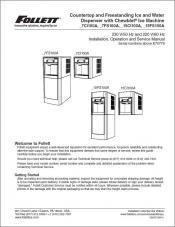
Follett machines use codes to help you identify issues fast. Knowing common codes speeds troubleshooting. Always consult the unit's service manual when available. Below are often-seen codes and simple meanings.
Common codes and quick meanings:
- Error E1 — Water supply or low water pressure problem.
- Error E2 — Water sensor or float switch fault.
- Error E3 — High temperature or refrigeration fault.
- Error E4 — Harvest failure or ice release problem.
- Error E5 — Communication error between boards.
How to act on codes:
- Record the exact code and when it appears.
- Run baseline checks: power, water, and filters.
- Clear the code by resetting the machine if initial checks are done. If it returns, follow the targeted repair path.
Tip: Codes point you to an area. They rarely tell the full cause. Pair code info with physical checks for best results.

Routine Maintenance to Prevent Problems
Routine care prevents many Follett Ice Machine Troubleshooting visits. Set a schedule and stick to it. Small, regular actions extend life and cut repair bills.
Maintenance checklist:
- Replace water filters every 6 months or as recommended.
- Clean condenser coils monthly in dusty areas.
- Sanitize the ice bin and water paths every 3 months.
- Inspect water lines and fittings quarterly for leaks.
- Check for scale and descale per manufacturer schedule.
Personal tip: I log maintenance dates on the machine door. That small habit cuts guesswork and keeps tech visits useful. Regular cleaning also keeps ice taste neutral and machines efficient.
Parts, Tools, and When to Call a Professional
Some tasks you can do safely. Others need a licensed tech. Know limits to avoid voiding warranty or risking harm.
DIY-friendly tasks:
- Filter replacement and basic cleaning.
- Resetting the machine and checking for tripped breakers.
- Clearing visible clogs in external water lines.
Call a professional for:
- Refrigerant work, compressor replacement, or sealed system repairs.
- Complex electrical board diagnostics and replacements.
- Persistent leaks or recurring error codes after basic checks.
Tool and part list to keep on hand:
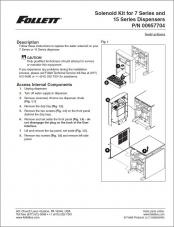
- Replacement water filter compatible with your Follett model.
- Multimeter for voltage and continuity checks.
- Basic wrench set and soft brushes for cleaning.
Be mindful of warranty terms. If the unit is under warranty, contact the authorized service channel first. A surprise repair bill often comes from trying sealed system fixes at home.
Quick Questions (People Also Ask)
What causes a Follett ice machine to stop making ice?
- Most often the cause is loss of water supply, a clogged filter, or a tripped control due to high temperature or error codes.
How often should I clean my Follett ice machine?
- Sanitize the ice bin every three months and clean condenser coils monthly if the environment is dusty.
Can I reset a Follett ice machine safely?
- Yes. Turn power off for at least 30 seconds, then back on. If codes return, do more checks before repeating resets.
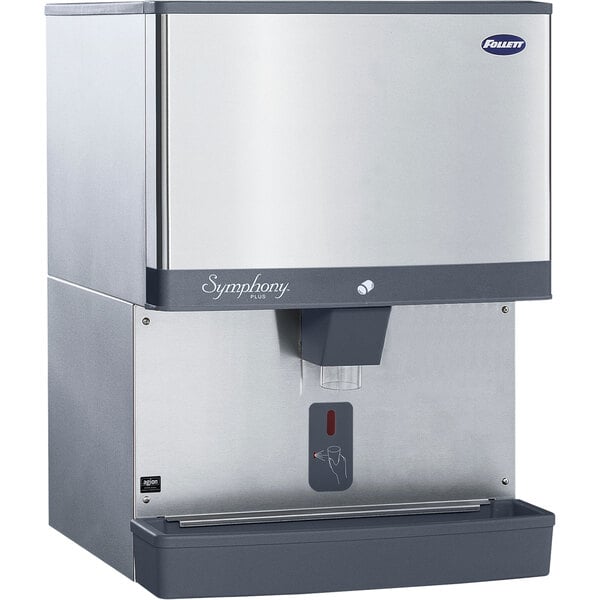
Source: webstaurantstore.com
Frequently Asked Questions of Follett Ice Machine Troubleshooting
What should I check first when my Follett machine won’t make ice?
Start with power, water supply, and the filter. These are the most common and easiest issues to fix.
How do I know if the problem is the water filter?
If ice is slow or tastes strange and you haven’t changed the filter in months, the filter is likely clogged and should be replaced.
Why is the ice cloudy or soft?
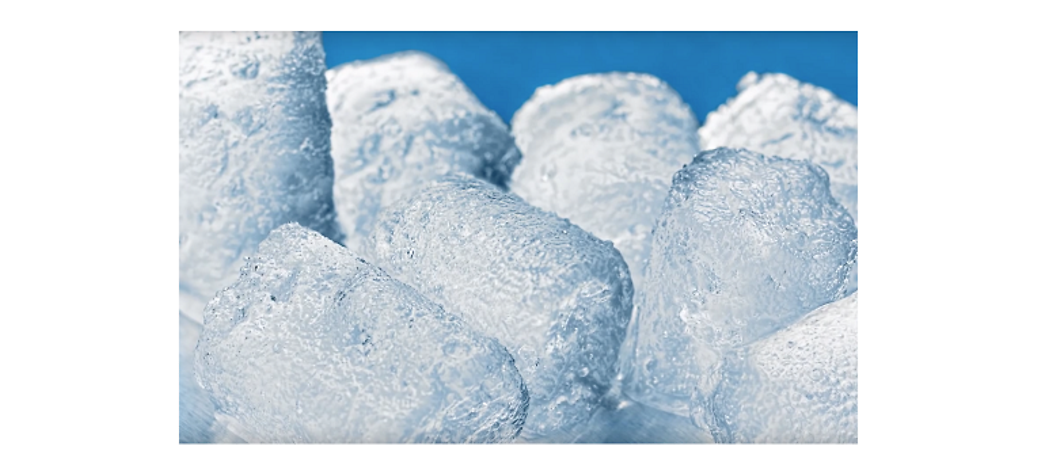
Cloudy or soft ice usually means poor water quality, low water flow, or scale on the evaporator. Clean and filter the water to improve ice quality.
When do I need to replace the compressor or sealed system?
Replace only after a pro confirms a refrigerant leak, damaged compressor, or major sealed system failure. These are not DIY fixes.
How can I stop scale build-up?
Use a water-softening solution if your water is hard, follow a descaling schedule, and replace filters regularly to reduce minerals.
Are Follett error codes reliable for diagnosing issues?
Codes are useful but not absolute. They narrow the field. Always pair codes with physical checks to find the true cause.
How long does a Follett ice machine typically last?
With proper maintenance, a commercial Follett unit can last 8 to 12 years. Heavy use and poor care shorten that span.
Is it safe to run the machine with a minor leak?
No. Even small leaks can cause electrical issues or larger water damage. Turn off the unit and address the leak promptly.
Can I use a universal filter for my Follett machine?
Use filters approved or recommended for your model. Universal filters may not fit correctly or meet flow specs.
What routine tasks can prevent emergency breakdowns?
Replace filters, clean coils, sanitize the bin, and periodically inspect pumps and valves. Regular checks catch small faults early.
Conclusion
Follett Ice Machine Troubleshooting becomes simple with the right checks and a steady routine. Start with power, water, and filters. Use error codes as guides, not final answers. Stay on a maintenance plan and know when to call a pro. Try the basic steps in this guide today, track what you do, and share your results or questions below to get more tailored help.

