

Most Hayward cleaners need simple fixes: check hoses, drive gears, and suction.
I’ve worked on pools and fixed dozens of units. This guide covers Hayward Automatic Pool Cleaner Troubleshooting in a clear, step-by-step way. I’ll explain how the cleaner works, common faults, hands-on fixes, parts to check, and when to call a pro. Read on to save time, money, and keep your pool clean.

36% off Today’s Exclusive Deals
Limited-time Exclusive Deals. Check current discount on Amazon.
Check Price on Amazon As an Amazon Associate I earn from qualifying purchases.
How a Hayward Automatic Pool Cleaner Works
Hayward automatic pool cleaner troubleshooting starts with knowing how the cleaner moves and cleans. Most Hayward models use water flow and simple mechanics. The pump creates suction or pressure that powers the cleaner. The cleaner scrubs the floor, moves randomly, and collects debris.
Common Hayward types include suction-side and pressure-side cleaners. Suction-side cleaners connect to the skimmer or a suction line. Pressure-side cleaners attach to the return line and use a booster. Knowing your model makes troubleshooting faster.

Common Problems and What Causes Them
Here are common issues that drive people to search for Hayward Automatic Pool Cleaner Troubleshooting. Each cause is short and clear.
- Cleaner won’t move
- Blocked hose, lost suction, worn gears, or trapped debris.
- Cleaner moves but skips spots
- Clogged filter, low flow, or torn diaphragm.
- Cleaner cycles but won’t climb walls
- Worn drives, low pressure, or dirty wheels.
- Loud noise or grinding
- Broken gears, debris in gearcase, or motor strain.
- Cleaner sinks or floats oddly
- Broken flapper, air in lines, or incorrect weight.
I’ve fixed cleaners that seemed dead but only needed a hose unclog. Small checks save big costs.

Step-by-Step Hayward Automatic Pool Cleaner Troubleshooting Guide
Start with these steps. They are clear and easy to follow. Read each step and test the cleaner after the fix.
- Check pump and filter
- Turn the pump off. Inspect the skimmer basket and pump basket. Clean both. A clogged filter lowers flow and causes many faults.
- Inspect hoses and connections
- Look for cracks, kinks, or collapsed hose sections. Replace any soft or crushed hose. Make sure the hose clamps are tight.
- Test suction and flow
- Run the pump with the cleaner connected. Watch the cleaner’s movement. Weak suction usually means a suction leak or clogged filter.
- Clean the cleaner’s internal parts
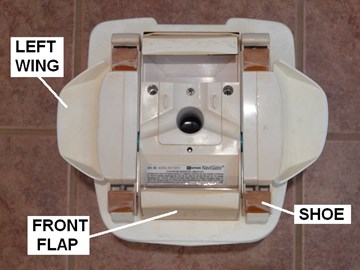
- Open the cleaner per manual. Remove leaves and pebbles. Check and clean the flap, diaphragm, and skirt.
- Check wheels and tracks
- Remove and inspect wheels, tracks, and bearings. Worn parts should be replaced. A noisy cleaner often needs new gears or wheels.
- Inspect drive gears and motor
- For pressure-side units, check the booster pump. For suction-side, test the internal gearcase. Replace stripped gears.
- Check for air in the lines
- Air can reduce suction. Tighten fittings and prime the pump. Look for bubbles at return lines.
- Reset steering or cam mechanisms
- Some models have cams or steering tabs. Inspect for damage and reset to factory position if needed.
After each fix, run the cleaner for 10–20 minutes. Watch its path and coverage. If it still fails, note the symptoms to help a technician.
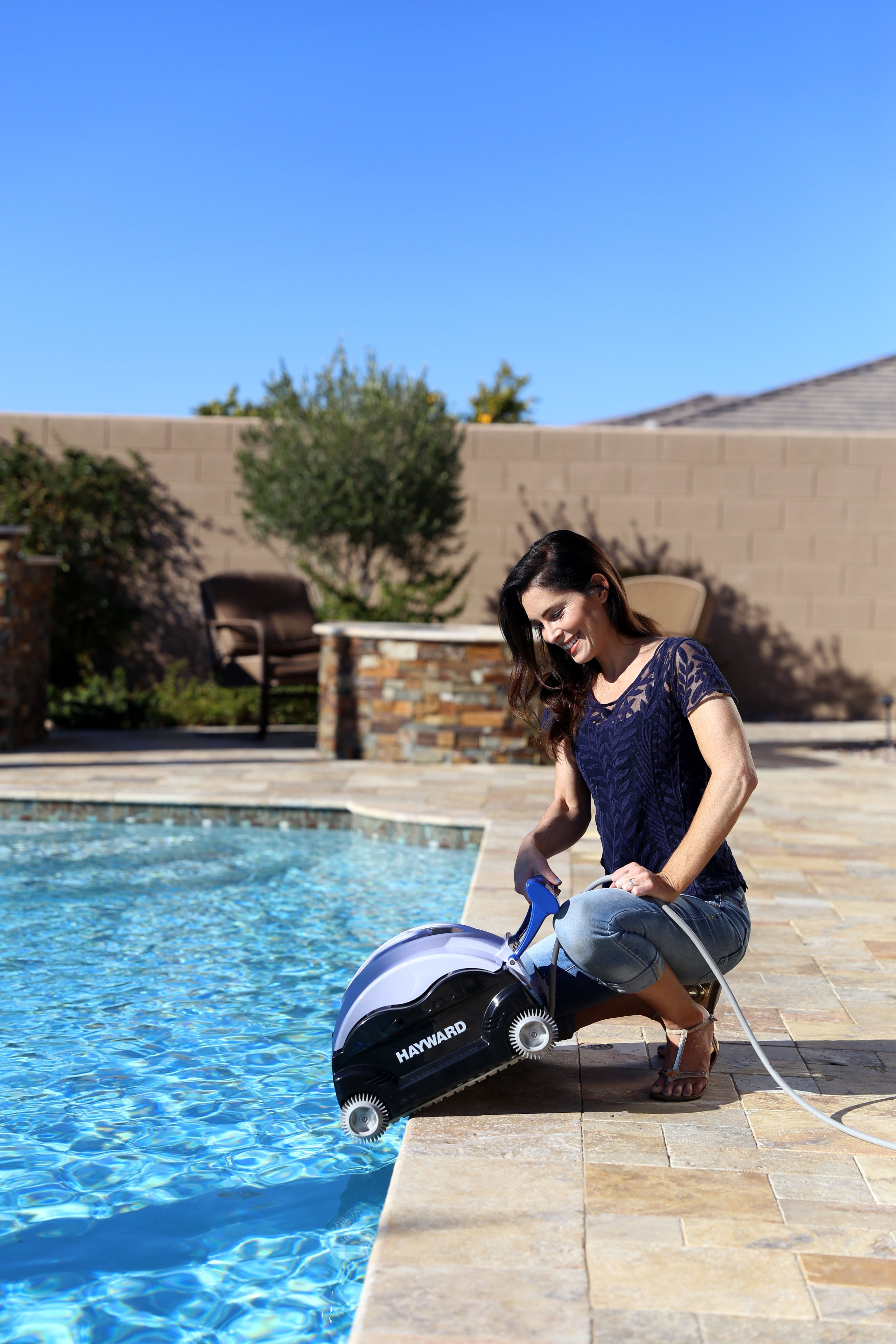
Essential Parts and Tools for Troubleshooting
Having the right parts and tools saves a trip to the shop. Keep a small kit on hand.
- Tools
- Screwdrivers, pliers, utility knife, water test kit, shop vacuum.
- Spare parts
- Hoses, hose clamps, diaphragms, flappers, wheels, drive belts, gears.
- Consumables
- Silicone lubricant, pool-safe grease, replacement O-rings.
I once fixed a unit in 15 minutes with the right spare diaphragm. Keep parts for your specific Hayward model. That speeds up Hayward Automatic Pool Cleaner Troubleshooting.

Maintenance Tips to Prevent Problems
Routine care reduces the need for Hayward Automatic Pool Cleaner Troubleshooting. Try these simple habits.
- Clean the filter every 1–2 weeks during heavy use.
- Rinse the cleaner after heavy debris loads.
- Inspect hoses monthly for wear and cracks.
- Replace rubber parts yearly if used often.
- Store the cleaner out of sun when not in use.
A small maintenance routine prevents many common failures. Think of it like oil for a car. It keeps things moving.
When to Call a Professional
Some issues need a pro. Call for help when the problem is complex or unsafe.
- Persistent loss of suction after all checks.
- Repeated gear failure or stripped internal parts.
- Electrical issues with a booster pump.
- Cracked or warped structural parts.
If you lack tools or comfort with repairs, a certified technician can diagnose issues fast. Document what you tried to save diagnostic time.

Troubleshooting Scenarios and Real-Life Examples
Here are real fixes I’ve done. They show Hayward Automatic Pool Cleaner Troubleshooting in action.
- Scenario 1: Cleaner stops but pump runs
- I found a clogged skimmer basket and a collapsed hose. Replacing the hose and cleaning the basket fixed it.
- Scenario 2: Cleaner won’t climb walls
- The drive tracks were worn. I replaced the tracks and the unit climbed walls again.
- Scenario 3: Loud grinding noise
- A small pebble lodged in the gearcase. After cleaning and lubing, noise stopped.
These examples show small fixes can have big results. Keep notes on model and part numbers. It helps next time.

Hayward Automatic Pool Cleaner Troubleshooting: Diagnostic Checklist
Use this quick checklist for fast checks before deeper work.
- Is the pump and filter clean?
- Are hoses kink-free and intact?
- Is there steady suction at the cleaner?
- Are wheels and tracks in good shape?
- Is the gearcase free of debris?
- Are diaphragms and flappers intact?
Mark each item yes or no. If more than two answers are no, plan a focused repair session.
Frequently Asked Questions of Hayward Automatic Pool Cleaner Troubleshooting
Why won’t my Hayward cleaner move?
Check for blocked hoses, low pump flow, or jammed wheels. Clean the skimmer and pump baskets and inspect the hose for kinks.
How do I fix weak suction?
Clean or backwash the filter and check for air leaks in the suction line. Replace cracked hoses and tighten loose fittings.
What causes loud grinding sounds?
Debris in the gearcase or worn gears cause grinding. Open the cleaner, remove debris, and replace damaged gears if needed.
How often should I replace rubber parts?
Replace diaphragms and flappers every 12 months with heavy use, or sooner if they look cracked. Regular checks prevent sudden failures.
Can I use any hose for my Hayward cleaner?
Use hose sizes and types recommended by the manufacturer to ensure proper flow. The wrong hose can reduce suction and harm performance.
How do I know if I need a booster pump?
If you have a pressure-side cleaner and your water flow is weak, a booster pump may be needed. A tech can measure flow and advise.
Conclusion
Hayward Automatic Pool Cleaner Troubleshooting is mostly about simple checks and routine care. Start with pump and filter health, inspect hoses, and clean internal parts. Replace worn rubber and gears as needed. If a problem persists, document what you tried and call a professional.
Take action today by running a quick checklist and ordering common spare parts. Try the fixes above and share your results or questions below to get more tailored help.

