

Pentair Salt Cell Troubleshooting: Reset, clean, or replace the cell to restore chlorine output.
I’ve spent years servicing pool systems and troubleshooting salt chlorine generators. This guide walks you through Pentair Salt Cell Troubleshooting with clear steps, simple diagnostics, and real-world tips you can trust. Read on to learn quick fixes, advanced checks, and when a replacement is the best choice.

36% off Today’s Exclusive Deals
Limited-time Exclusive Deals. Check current discount on Amazon.
Check Price on Amazon As an Amazon Associate I earn from qualifying purchases.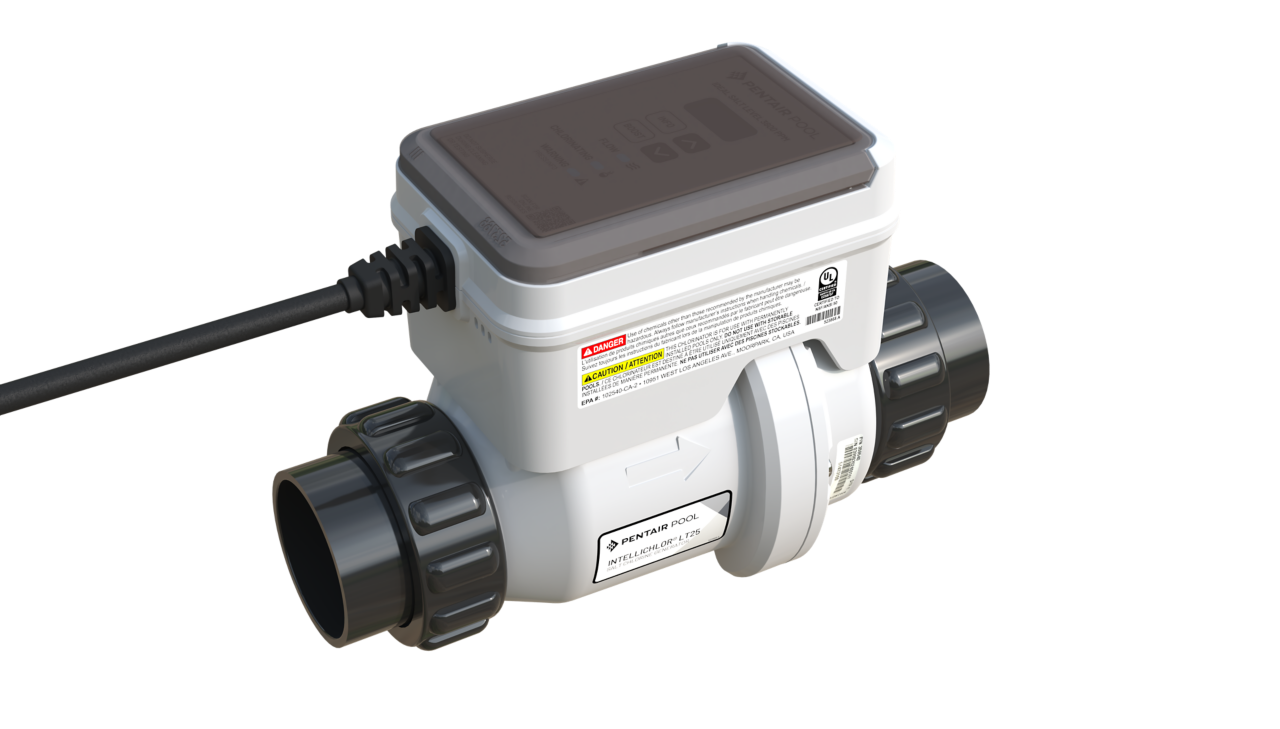
Common signs and causes of Pentair Salt Cell Troubleshooting
Pentair Salt Cell Troubleshooting starts with spotting the signs. Low chlorine, cloudy water, or a flashing error signal often point to cell faults. Scale build-up, low salt, and electrical issues are the usual causes. I have seen all of these in the field, and they respond well to systematic checks.
- Low chlorine output often means scale or low salt.
- Error lights or codes can mean sensor or board faults.
- Visible white scale on the cell plates signals calcium buildup.
- Intermittent operation may point to wiring or control issues.

Basic step-by-step Pentair Salt Cell Troubleshooting
Start simple. Follow these steps before you buy parts or call a tech. These checks solve most problems fast.
- Check salt level and water balance.
- Salt should match the manufacturer’s range. Low salt is a common cause of poor chlorine production.
- Test pH, alkalinity, and calcium hardness. High calcium leads to scale on the cell plates.
- Inspect the cell visually.
- Look for heavy white scale on the plates. Thin scale can be cleaned.
- Check for cracks, corrosion, or melted plastic.
- Power cycle and reset.
- Turn the system off for 30 seconds then back on. Some Pentair units clear minor faults with a reset.
- Check wiring and connections.
- Ensure the cell cable is tight and dry at the control board.
- Look for frayed wires or corrosion at terminals.
- Test the salt cell in the control panel.
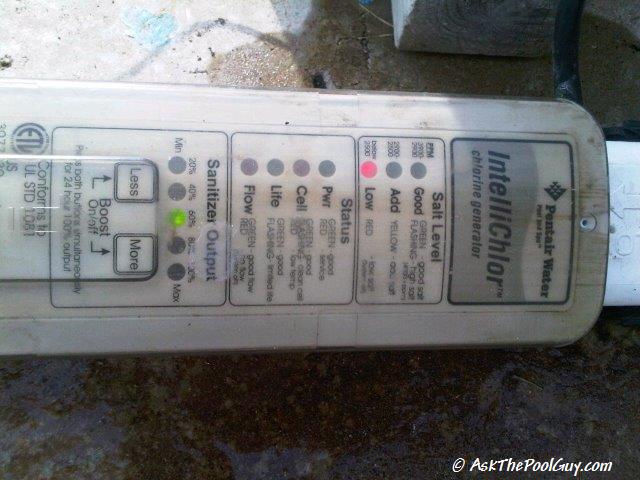
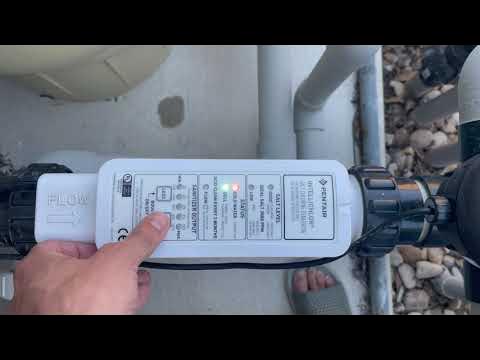
- Most Pentair controllers show cell status. Use that readout to confirm if the cell is producing.
I once solved a no-chlorine issue by tightening a loose cable. It took five minutes and saved the owner a costly replacement.

Advanced diagnostics for Pentair Salt Cell Troubleshooting
If basic steps fail, use deeper tests. These need more care but reveal hidden problems.
- Measure voltage at the cell terminals.
- Use a multimeter while the system runs. Compare voltage to specs in the manual.
- Low or no voltage means the control board or transformer may be at fault.
- Read error codes and logs.
- Note any flashing patterns or code numbers. These narrow down the issue quickly.
- Check flow and sensor operation.
- Low flow from clogged filters or pump problems can make the cell stop.
- Confirm the flow sensor or switch is clean and working.
- Perform a cell conductivity test.
- A weak cell may show low conductivity even with proper salt. This test helps decide on replacement.
- Inspect the control board.
- Burn marks, swollen capacitors, or bad relays are signs the board is failing.
When I replaced a failing board, the system returned to full output. The cell itself was fine. The board was the real culprit.

Cleaning, maintenance, and safe cell replacement
Routine care slows failures and saves money. Follow safe steps when cleaning or replacing a cell.
- Regular cleaning schedule
- Clean cells every 3 to 6 months in high-calcium areas. Less often when water chemistry is stable.
- Use a mild acid rinse as per manufacturer guidance. Never use metal brushes.
- How to clean safely
- Turn off power and remove the cell.
- Soak in diluted acid solution until scale loosens.
- Rinse thoroughly and reinstall. Run the system and watch output recover.
- When to replace the cell
- Replace if plates are pitted, cracked, or if output stays low after cleaning.
- Typical lifespan varies by use and water quality. Expect 3–7 years in many pools.
- Proper disposal and installation
- Follow local rules for electronic waste disposal.
- When installing, ensure correct orientation and tight, dry connections.
A lesson from my work: clean the cell gently. Overly aggressive cleaning can damage plates and shorten life.

Common PAA-style questions (short answers)
Here are 3 quick PAA-style questions people often ask while doing Pentair Salt Cell Troubleshooting.
Why is my Pentair salt cell not producing chlorine?
Low salt, scale on plates, or a failed cell are common. Check salt level, clean the plates, and verify the controller shows cell current.
How often should I clean a Pentair salt cell?
Every 3 to 6 months is typical. Clean sooner if you see heavy scale or if water balance is off frequently.
Can I fix a flashing error on my Pentair cell by myself?
Sometimes a power cycle or cleaning fixes it. If error codes persist, inspect wiring and board or call a technician.
Frequently Asked Questions of Pentair Salt Cell Troubleshooting
What salt level should I maintain for Pentair salt cells?
Aim for the manufacturer’s recommended salt range. Proper salt keeps the cell producing predictable chlorine levels.
How do I know if the salt cell is the problem or the control board?
Check cell voltage and cell current at the controller. If voltage is present but current is zero, the cell may be bad; if voltage is missing, the board or wiring is suspect.
Is it safe to clean the Pentair salt cell with muriatic acid?
A diluted acid solution is commonly used, but follow the official cleaning steps and use proper PPE. Never pour acid directly on the cell; always dilute and neutralize afterward.
How long does a typical Pentair salt cell last?
Lifespan varies by use and water quality, but most cells last 3–7 years. Heavy scale or poor water balance shortens life.
Can low pump flow cause my Pentair salt cell to stop working?
Yes. Low flow will reduce chlorine production or trigger safety cutouts. Check pump, filter, and flow sensor as part of troubleshooting.
Practical tips, mistakes to avoid, and real-life insights
I’ve learned a few things while doing Pentair Salt Cell Troubleshooting in the field. These tips save time and money.
- Tip: Keep water chemistry stable. Balanced water protects the cell.
- Tip: Log salt tests and cleanings. Trends show when parts age.
- Mistake to avoid: Replacing the cell before checking the control board and wiring.
- Mistake to avoid: Using harsh tools on plates. Scratches invite corrosion.
- Real insight: Small fixes like tight wiring or a reset solve many calls. Don’t skip the basics.
Safety, limitations, and when to call a pro
Work safely. Turn off power before touching the unit. Use proper tools and protective gear.
- Electrical risks exist. If you are not comfortable with voltage checks, call a pro.
- Chemical risks exist when cleaning. Use gloves and eye protection.
- Limitations: Some issues need factory-level diagnostics or board replacement. Expect to call a technician for complex electronic failures.
Conclusion
You can solve many Pentair Salt Cell Troubleshooting issues with clear checks and steady maintenance. Start with salt and chemistry, inspect the cell, and move to voltage and board tests if needed. Act early on scale and wiring problems to extend the life of your cell. Try these steps, keep a simple log, and reach out to a technician for complex electrical faults. If this guide helped, subscribe for more pool care tips or leave a comment with your issue so I can help.

