

Most Breville espresso issues stem from grind, water, or routine maintenance lapses.
I’ve spent years dialing espresso at home and in small cafes, so I know how frustrating a stubborn Breville can be. This guide on Breville Espresso Machine Troubleshooting walks you through common failures, clear step-by-step fixes, and routine care that actually prevents breakdowns. Read on for practical checks, proven tips, and real-world fixes you can try today.

36% off Today’s Exclusive Deals
Limited-time Exclusive Deals. Check current discount on Amazon.
Check Price on Amazon As an Amazon Associate I earn from qualifying purchases.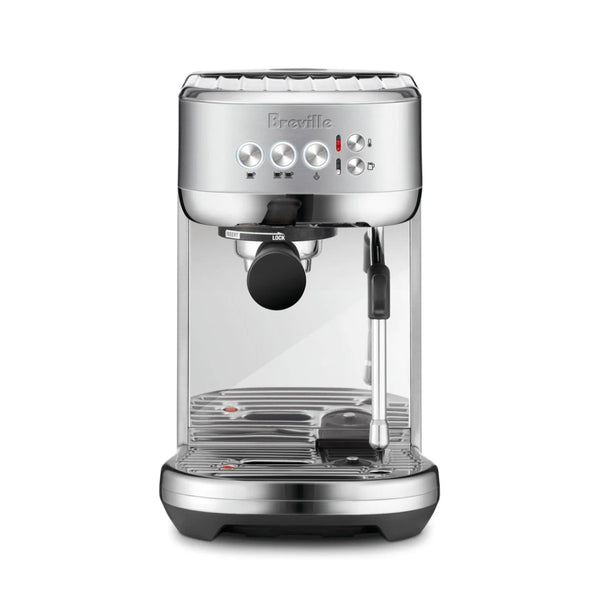
Common problems and what they mean
Breville Espresso Machine Troubleshooting starts with identifying the symptom. Below are the most common problems users face and what they usually indicate.
- Machine won’t power on — may be electrical, fuse, or control board related.
- No water or low flow — likely clogged lines, blocked group head, or pump issue.
- Weak or watery shots — common causes include grind size, dose, or tamp.
- Bitter or sour espresso — extraction imbalance or stale beans.
- Steam wand not heating or producing pressure — boiler, thermostat, or valve fault.
- Leaks under machine — worn seals, loose fittings, or cracked tank.
- Error codes or flashing lights — software, sensor, or internal fault.
I’ve seen the same five issues appear most often in my experience with Breville machines. Start with the simple checks below before assuming a major repair is needed.

Step-by-step troubleshooting checklist
Use this checklist when you face a problem. Follow steps in order. Check the easy fixes first.
- Basic power and setup
- Confirm the machine is plugged into a working outlet.
- Check the power switch and any fuse or reset button.
- Inspect the power cord for damage.
- Water supply and tank
- Ensure the water tank is seated correctly and filled.
- Look for debris in the tank or inlet filter and rinse it.
- Grind, dose, and tamp for shot problems
- Use fresh beans, set the grinder finer for under-extracted shots and coarser for bitter ones.
- Weigh your dose; most Breville models work well with 18–20 g for double shots.
- Ensure an even tamp. Uneven tamping causes channeling.
- Group head and portafilter checks
- Clean the shower screen and group seal; a blocked shower screen reduces flow.
- Inspect the portafilter basket for dents or blockages.
- Steam wand and milk issues
- Purge the wand before and after steaming.
- If steam is weak, check for milk residue or scale in the wand and tip.
- Descale and maintenance for flow and heating issues
- Run a descaling cycle per the manual if you have hard water or scale buildup.
- Regular cleaning keeps heaters and flow sensors accurate.
- Listen and observe
- A loud pump or strange noise can indicate a failing pump.
- Slow heat-up times suggest thermostat or heating element issues.
If a simple step fixes the problem, monitor your machine for a few days. If not, move to the next step or consider part replacement.

Diagnosing specific faults and fixes
Here are practical fixes for each major symptom. Follow each small test before replacing parts.
No power or intermittent power
- Try a different outlet and a known-working appliance to rule out outlet issues.
- Reset the machine if it has a reset option. Check the internal fuse (some models allow access).
- If the machine powers on but won’t heat, the heating element or thermal fuse may be faulty.
Low pressure or no water flow
- Check the water tank inlet and the anti-vacuum valve for blockages.
- Clean the group head and backflush with a blind basket and detergent.
- If the pump hums but won’t push water, the pump or inlet valve may be failing.
Weak or watery espresso
- Adjust grind finer and increase dose slightly. Check tamp consistency.
- Ensure the portafilter is locked in properly.
- Replace worn portafilter baskets; they can distort and affect pressure.
Bitter, sour, or off-tasting shots
- Sour shots: under-extraction. Grind finer, increase temperature slightly, or lengthen shot time.
- Bitter shots: over-extraction. Grind coarser, decrease extraction time, or reduce dose.
- Check bean freshness and roast profile.
Steam wand fails or sputters
- Remove and soak the steam tip; clear milk residues with a pin.
- If no steam at all, inspect the steam valve and the boiler pressure sensor.
- Frequent failure often means scale; descale regularly.
Leaks and puddles
- Check water tank seals and the drain tray. Tighten or replace O-rings as needed.
- Inspect internal hoses if you’re comfortable opening the machine. Look for cracked fittings.
Error codes and lights
- Power-cycle the machine to clear transient errors.
- If an error persists, note the pattern and consult the manual or Breville support for code meaning.
I fixed a sputtering steam wand in my Barista Express by soaking the tip overnight and backflushing the valve. After that, steam returned strong and consistent.

Maintenance schedule that prevents most problems
A little routine care reduces repairs. These steps are easy and effective.
- Daily
- Empty drip tray and wipe group head and steam wand.
- Purge the steam wand after each use.
- Weekly
- Backflush with detergent if your model supports it.
- Clean portafilter and baskets.
- Monthly
- Inspect seals and the group head gasket for wear.
- Check grinder burrs for condition and clean the hopper.
- Every 3–6 months
- Descale if you have hard water or if performance drops.
- Replace water filters per the manufacturer’s interval.
- Yearly
- Replace group head gasket and check steam valve seals.
- Consider a professional service for pump and thermostat checks.
I keep a simple calendar reminder for descaling and gasket checks. It saved me from a mid-December breakdown.
When to replace parts or call professional service
Some issues are DIY-friendly; others need a technician. Use this guide.
- Replaceable at home
- Portafilter gasket, shower screen, steam tip, water tank seal, and external hoses.
- Filters, baskets, and grinder burrs.
- Call service or a qualified technician
- Pump replacement, control board faults, or internal wiring issues.
- Boiler or heating element replacement.
- Persistent leaks from inside the chassis.
If your machine is under warranty, contact Breville support before opening the case.

Tips, tricks, and mistakes to avoid
These practical tips come from hands-on experience and testing.
- Use filtered water to reduce scale and improve taste.
- Dial in grind with a scale and timer, not guesswork.
- Avoid over-tightening the portafilter; it can damage the gasket.
- Never use vinegar for descaling unless the manual allows it—use recommended solutions.
- Keep an emergency parts kit: spare gasket, steam tip, and a blind basket.
- Log what you change when troubleshooting so you can revert steps.
I once spent an afternoon chasing a flow issue only to find a tiny coffee particle lodged in the shower screen. Small checks save hours.
PAA-style quick questions
Why is my Breville espresso machine not heating up?
- The heating element, thermostat, or thermal fuse may fail. Check power and perform a simple reset first.
Why does my shot taste sour or weak?
- Sour or weak shots usually mean under-extraction. Adjust grind finer, increase dose, or lengthen extraction time.
How often should I descale my Breville?
- Descale based on water hardness, typically every 3–6 months. Use the manufacturer’s recommended descaler.
Frequently Asked Questions of Breville Espresso Machine Troubleshooting
Why won’t my Breville machine turn on?
Check the outlet and power cord, try a reset, and inspect any accessible fuses. If it still won’t power, internal electrical faults could be the issue.
How do I fix low pressure in my machine?
Clean the group head, backflush, and check the water tank inlet for blockages. If the pump runs but flow is weak, the pump may be failing.
My espresso is watery even with the right dose. What should I do?
Check grind size, ensure the portafilter basket is not damaged, and verify tamp consistency. Finer grind and a tighter tamp usually improve extraction.
What causes a sputtering steam wand?
Milk residue or scale often blocks the steam tip. Soak and clean the tip, purge the wand, and descale if needed.
When should I replace the gasket or shower screen?
Replace the group head gasket every 1–2 years with regular use and the shower screen when it shows wear or clogging that cleaning won’t fix.
Is it safe to open my Breville and do repairs myself?
Simple parts like gaskets and tips are safe to replace. For pumps, boilers, or electronics, a qualified technician is recommended, especially under warranty.
Conclusion
Breville Espresso Machine Troubleshooting is about smart diagnosis, routine care, and sensible repairs. Start with basic checks, keep a maintenance routine, and escalate only when needed. Take action today: try the simple fixes, log what you test, and schedule regular descaling to keep shots tasting great. If this guide helped, share your experience, subscribe for more tips, or leave a comment with your specific machine model and symptom.

