

Heat pump problems troubleshooting starts with basic checks, cleaning, and a system reset.
I’ve worked on residential and light-commercial HVAC systems for over a decade, so I know what commonly fails and why. This guide on Heat Pump Problems Troubleshooting walks you through clear diagnostics, step-by-step fixes, preventive care, cost expectations, and when to call a pro. Read on for practical, easy-to-follow advice you can use today.

36% off Today’s Exclusive Deals
Limited-time Exclusive Deals. Check current discount on Amazon.
Check Price on Amazon As an Amazon Associate I earn from qualifying purchases.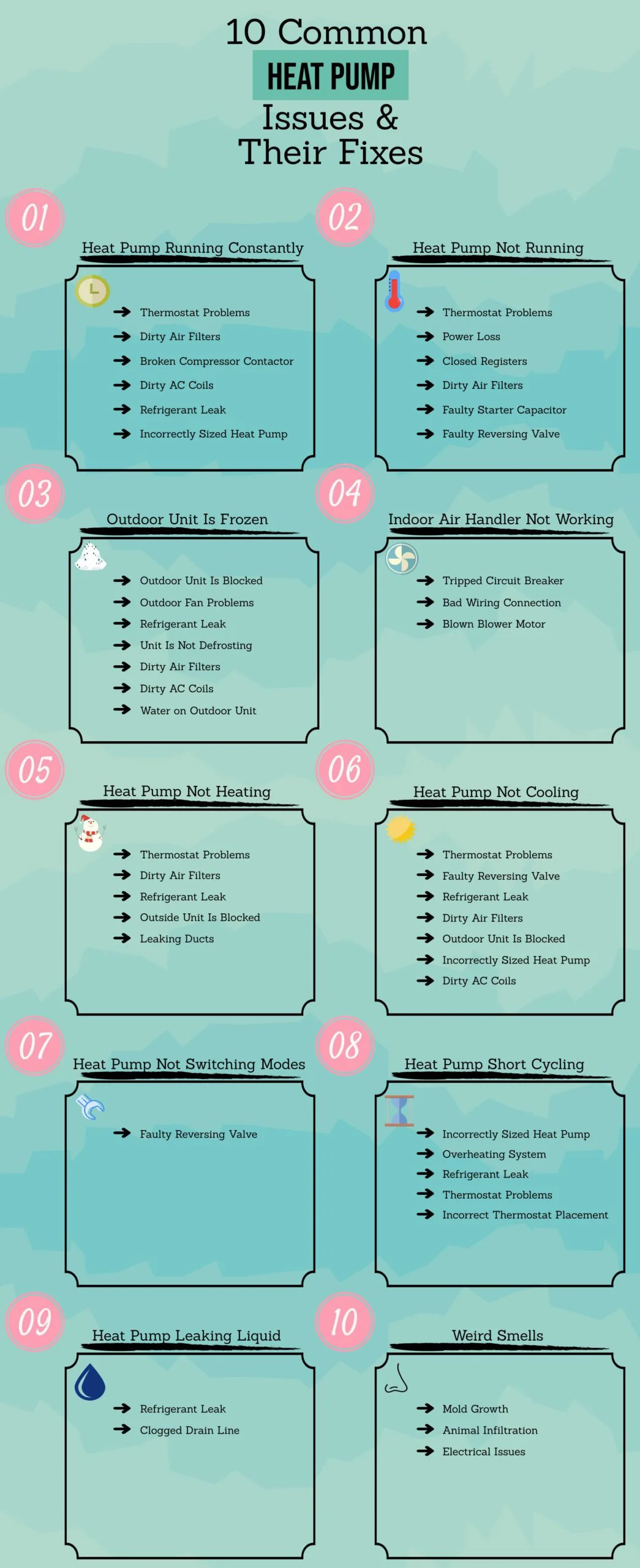
Common Heat Pump Problems
Most heat pump issues fall into a few familiar categories. Knowing these will help you troubleshoot faster and avoid costly mistakes.
- Refrigerant leaks: Low refrigerant causes poor heating or cooling and ice buildup on the coil.
- Dirty or blocked coils and filters: Reduced airflow lowers efficiency and can cause short cycling.
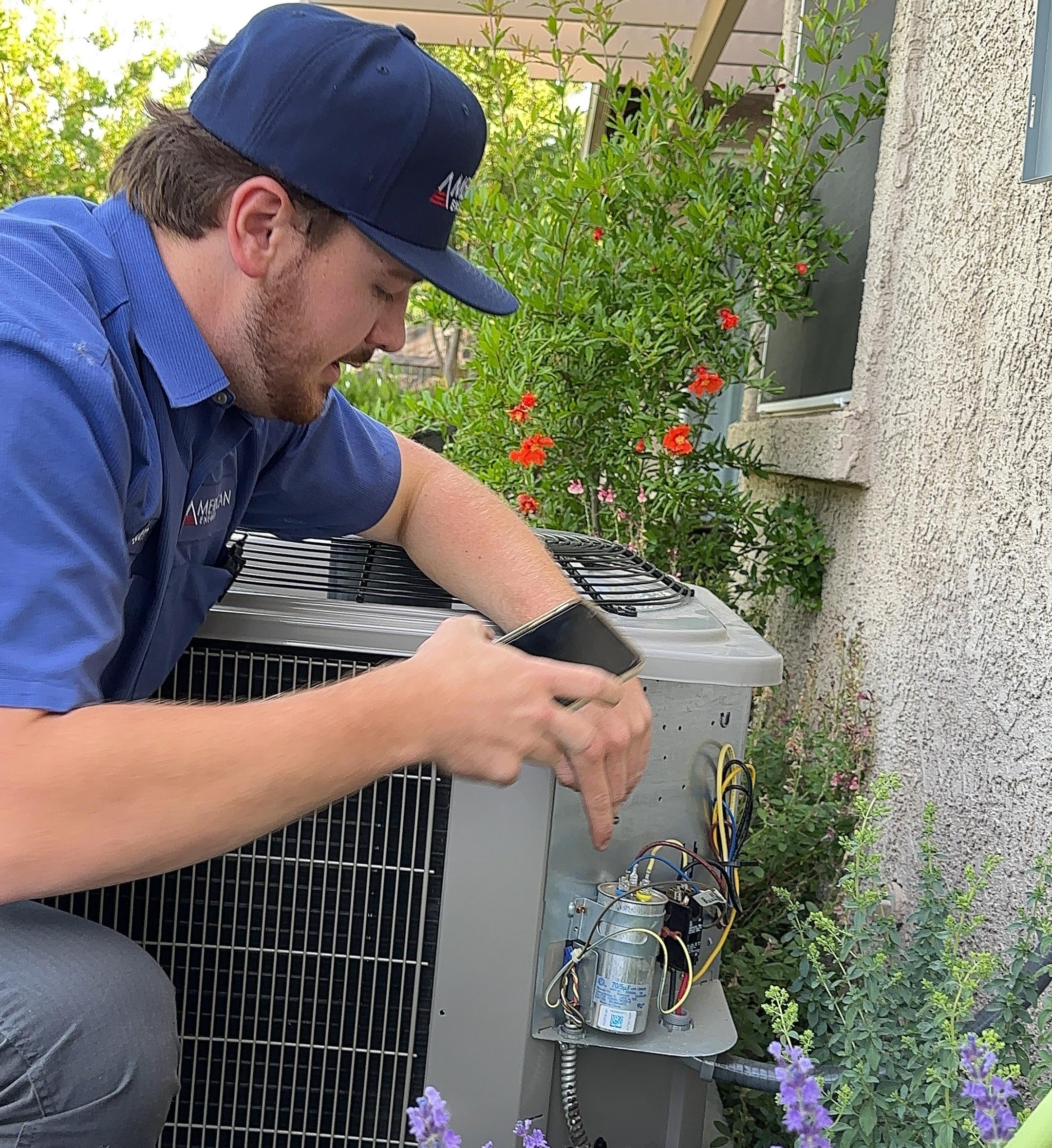
- Electrical issues: Faulty capacitors, relays, or breakers cause the unit not to start or to stop unexpectedly.
- Compressor failure: A noisy or dead compressor can mean expensive repair or replacement.
- Thermostat errors: Incorrect settings, wiring issues, or sensor faults mislead diagnostics.
- Defrost cycle problems: If the outdoor unit remains iced, defrost controls or sensors may be failing.
Understanding these common failures is the first step in Heat Pump Problems Troubleshooting. Spotting the symptom narrows the fix and saves time.
Diagnostic Checklist: Quick Steps to Identify the Issue
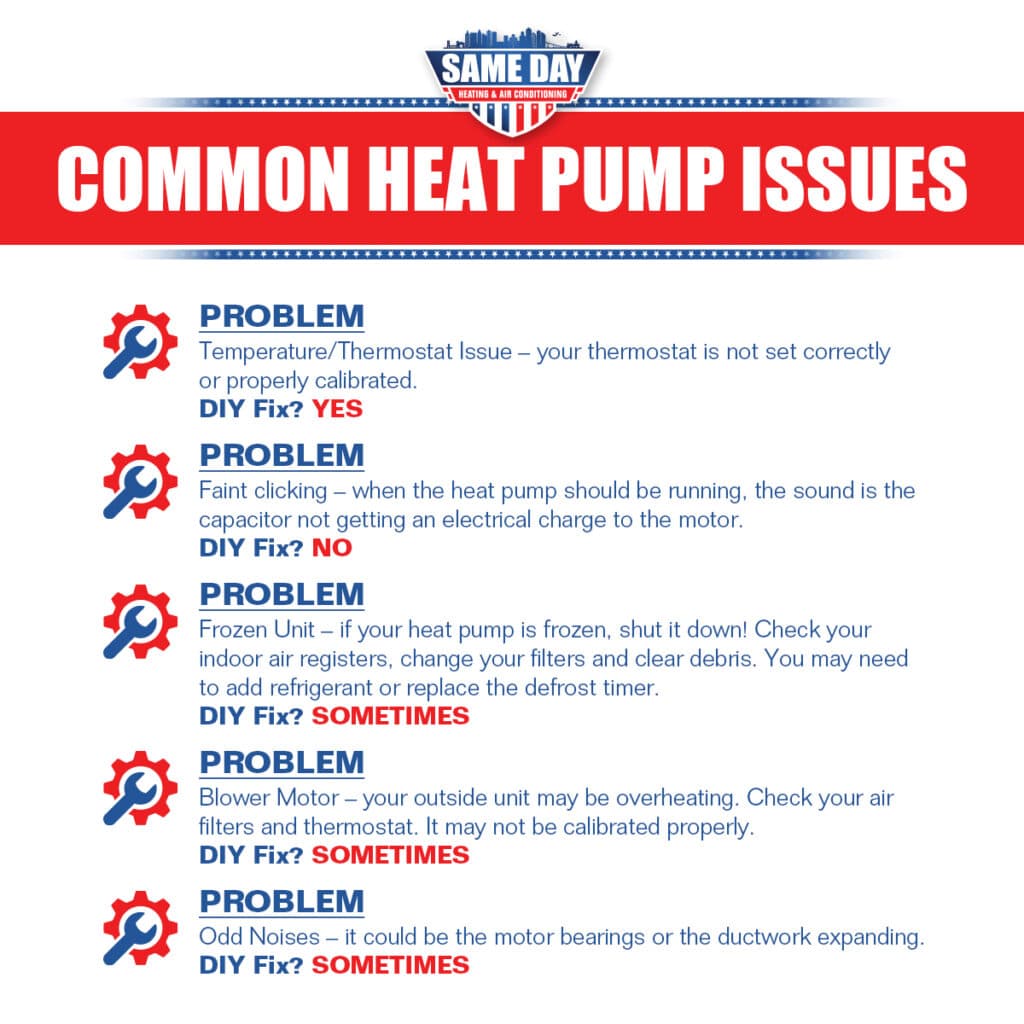
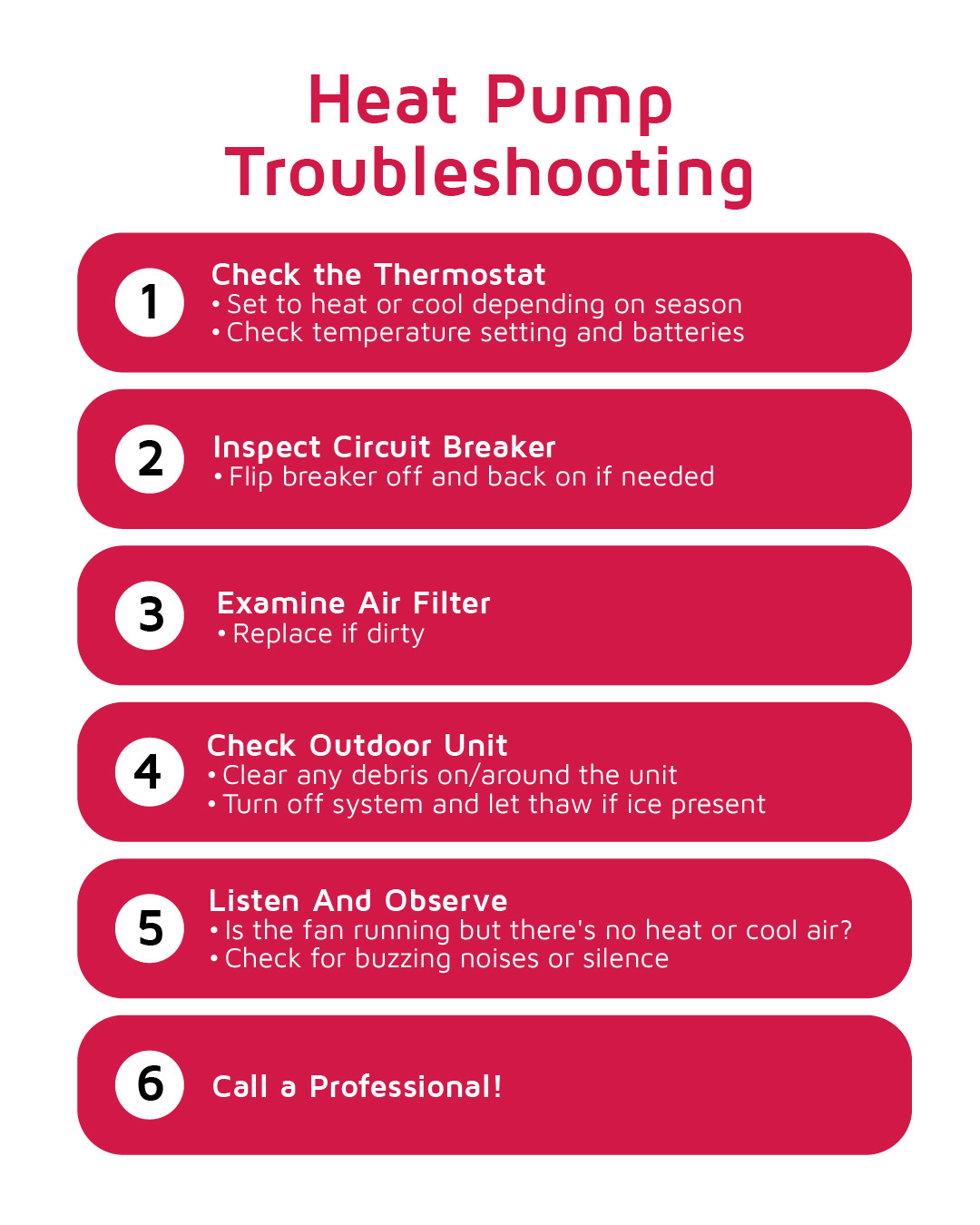
Follow this checklist before calling a technician. Each step eliminates simple causes and directs you to the likely root problem.
- Check power: Ensure breakers and disconnects are on and the thermostat has power.
- Inspect filters and registers: Clean or replace dirty filters and clear blocked vents.
- Look for ice or frost: Ice on the outdoor coil often signals low refrigerant or defrost failure.
- Listen and watch: Unusual noises, vibration, or steam give clues about mechanical or refrigerant issues.
- Thermostat review: Confirm mode, temperature setpoint, and battery status.
People also ask:
Why is my heat pump making a loud noise?
Many noises come from loose panels, fan blade contact, failing bearings, or a damaged compressor. Tightening panels and visually inspecting fans are good first steps, but a noisy compressor usually needs a pro.
Why is my heat pump freezing up outside?
Freezing often means low refrigerant, poor airflow, or a broken defrost cycle. Clean coils and check airflow first; if ice returns, call a technician to check refrigerant and defrost control.
How do I know if my heat pump has a refrigerant leak?
Look for hissing sounds, oily residue around fittings, and reduced heating or cooling performance. A certified technician will perform a leak test and recharge the system if needed.
Step-by-Step Troubleshooting for Common Failures
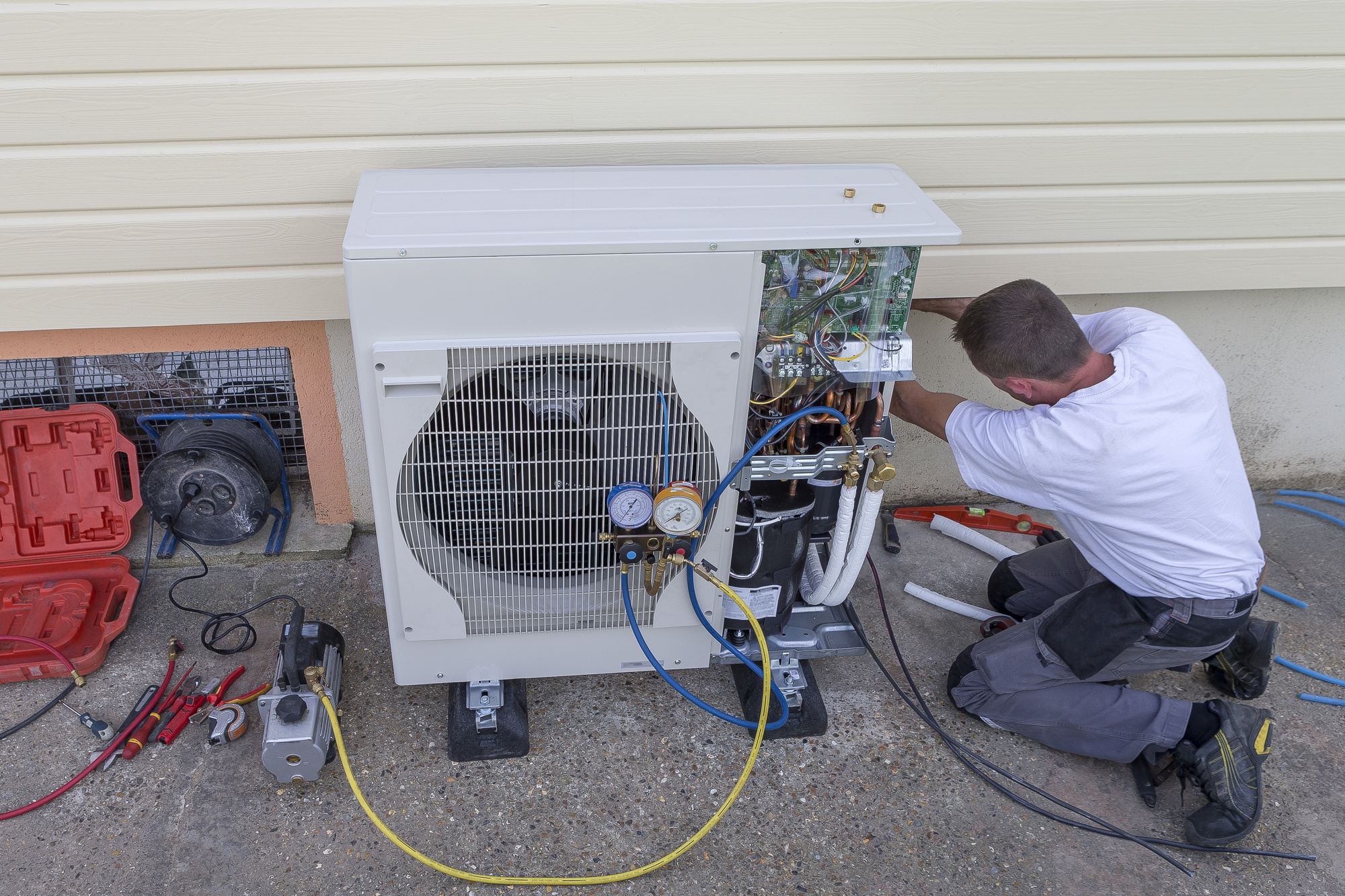
Use these stepwise actions when you face a specific symptom. Keep safety in mind; shut power before accessing components.
- Unit won’t turn on
- Verify thermostat power and settings.
- Check breakers and outdoor disconnect.
- Inspect control wiring and fuses.
- Weak heating or cooling
- Replace dirty air filters and clear vents.
- Clean indoor and outdoor coils.
- Verify refrigerant levels and compressor operation.
- Short cycling (turns on and off quickly)
- Check for oversized thermostat deadband or miswiring.
- Inspect refrigerant charge and airflow restrictions.
- Test capacitor health and compressor starting components.
- Outdoor unit iced over
- Force-defrost by turning the system off and letting ice melt.
- Clean coils and ensure good airflow.
- If ice returns, check defrost control and refrigerant.
- Strange smells or burning odor
- Turn off unit immediately and inspect electrical connections.
- A burning smell can signal overheating motors or wiring faults.
- Replace damaged components and verify proper amperage draw.
Following these steps will cover most DIY-safe items and make technician visits more effective. This methodical approach is central to reliable Heat Pump Problems Troubleshooting.
When to Call a Professional
Some problems need licensed HVAC technicians for safety and warranty reasons. Call a pro when:
- You suspect a refrigerant leak or compressor failure.
- Electrical components show burning, smoke, or repeat tripping.
- The system needs refrigerant recovery, vacuuming, or pressure testing.
- Repairs require sealed-system work or manufacturer warranty service.
From my experience, attempting sealed-system repairs without certification leads to bigger issues. Save time and money by calling a qualified technician for complex diagnostic or repair tasks.
Preventive Maintenance to Avoid Heat Pump Problems
Regular maintenance cuts breakdowns and keeps efficiency high. A short seasonal routine prevents many common failures.
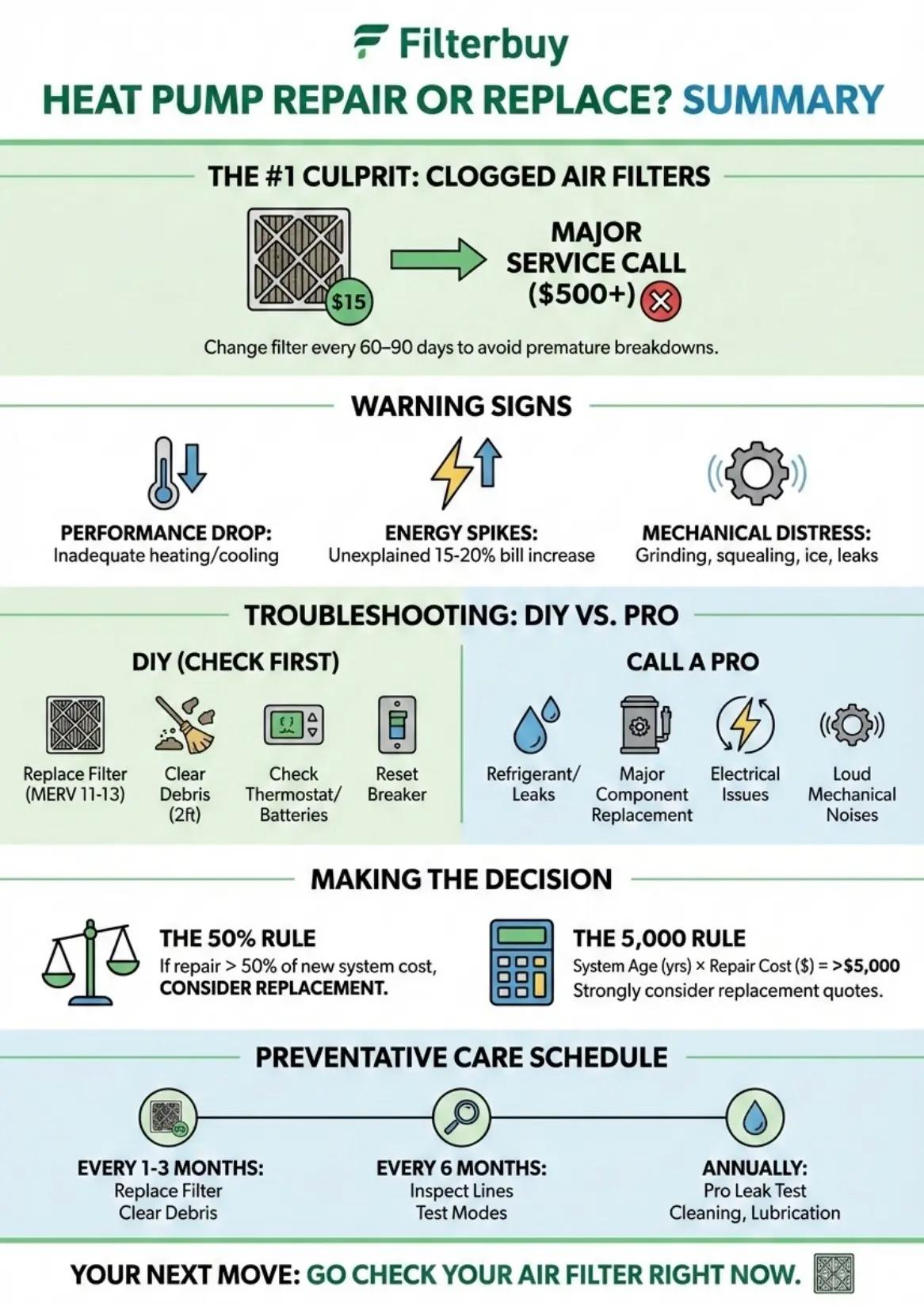
- Replace or clean air filters every 1 to 3 months.
- Keep outdoor unit clear of debris, plants, and snow.
- Clean coils and check condensate drains annually.
- Lubricate fan motors if serviceable and tighten electrical connections.
- Schedule professional inspection before heating and cooling seasons.
I once skipped a fall inspection and paid for a burned capacitor in January. Regular checks are cheap insurance and central to good Heat Pump Problems Troubleshooting.
Costs, Parts, and Typical Repair Times
Budgeting helps decide between repair and replacement. Typical cost ranges vary by region and unit, but general ideas help.
- New thermostat: $100 to $300 installed.
- Capacitor or contactor: $100 to $300 parts and labor.
- Refrigerant leak repair and recharge: $300 to $1,200 depending on severity.
- Compressor replacement: $800 to $2,500; sometimes near replacement cost for older units.
- Full unit replacement: $3,500 to $10,000 depending on size and efficiency.
Repair time ranges from 30 minutes for a filter and cap change to several days for refrigerant diagnosis and part shipping. Keep records of repairs and parts; that helps with future troubleshooting and resale value.
Frequently Asked Questions of Heat Pump Problems Troubleshooting
What is the first thing I should check if my heat pump stops working?
Check the thermostat settings and breakers first. Many issues are simple power or programming mistakes.
How often should I replace my heat pump filter?
Replace or clean filters every 1 to 3 months depending on use and indoor air quality. Clean filters improve airflow and efficiency.
Can I run my heat pump in emergency heat mode often?
Emergency heat uses more energy and should be a temporary solution. Frequent use indicates a primary system problem that needs inspection.
Is it normal for my heat pump to make noise during defrost?
Some clicking and fan noise during defrost is normal as the system switches modes. Loud grinding or scraping is not normal and needs service.
Will adding refrigerant fix low performance every time?
Only if the system has no leaks and the charge was low due to a one-time service error. Persistent loss usually means a refrigerant leak that must be repaired.
Conclusion
Heat Pump Problems Troubleshooting is mostly about clear observation, stepwise checks, and timely maintenance. Start with power and airflow checks, use the diagnostic checklist, and know when to call a certified technician. Regular care prevents most failures and saves money over time. Take action today: inspect filters, schedule a seasonal tune-up, and leave complex sealed-system work to licensed professionals. If you found this guide useful, subscribe for more HVAC tips or leave a comment with your specific problem.

