

A failing relay often means the HVAC fan won't run or runs nonstop; relay faults are common and fixable.
I have worked on HVAC systems for over a decade, and I know how confusing a stuck fan or no airflow can feel. This guide on Hvac Fan Relay Troubleshooting breaks down causes, tests, and fixes in simple steps. You will learn how the relay works, what to look for, safe testing methods, and when to replace parts. Read on for clear, practical help you can use today.

36% off Today’s Exclusive Deals
Limited-time Exclusive Deals. Check current discount on Amazon.
Check Price on Amazon As an Amazon Associate I earn from qualifying purchases.
How the fan relay works and why it matters
A fan relay is a small electrical switch. It lets a low-voltage thermostat control a high-current fan motor. When the thermostat calls for cooling or fan, it sends a signal to the relay coil. The coil closes contacts and powers the blower motor.
A bad relay can stop the fan, make it run all the time, or cause intermittent operation. Hvac Fan Relay Troubleshooting focuses on this component because it is a frequent failure point. Understanding the relay cut your diagnosis time and parts cost.

Common symptoms that point to relay issues
A few clear signs often mean the relay is at fault. Spotting these will guide your Hvac Fan Relay Troubleshooting.
- Fan does not start when thermostat calls for heat or cool.
- Fan runs continuously, even with thermostat off.
- Fan starts but then stops after a short run.
- Clicking noises from the control box.
- Burnt smell or visible scorching on relay or wiring.
These symptoms can also come from other parts, so use cautious testing. Hvac Fan Relay Troubleshooting helps prioritize checks that save time and money.

Tools, safety, and prep for troubleshooting
Safety first. Relays switch high current, so follow these simple rules before you test.
- Turn off the breaker to the HVAC unit before opening panels.
- Use a non-contact voltage tester to confirm power off.
- Wear safety glasses and insulated gloves.
- Have a multimeter set to AC and continuity ready.
- Keep a small flashlight and notepad.
I once tested a relay without cutting power and learned the hard way to always confirm zero volts. That mistake taught me to double-check power every time. Proper prep makes Hvac Fan Relay Troubleshooting safe and effective.

Step-by-step Hvac Fan Relay Troubleshooting
Follow these steps in order. They are simple and designed for clarity.
- Check the thermostat
- Set fan to ON and see if fan runs.
- Set thermostat lower/higher to call for cooling or heat.
- If fan works with thermostat fan ON, the relay may still be okay; continue tests.
- Observe the control board
- Open the access panel and watch for clicks when thermostat changes state.
- A click often means the relay coil energizes. No click suggests coil or control issue.
- Listen and look
- Note any repeated clicking. That means rapid relay cycling.
- Look for burned connectors, melted plastic, or loose wires.
- Test the relay coil
- Restore power with the panel open and have someone toggle thermostat.
- Measure the coil voltage. It should match the control voltage, typically 24V AC.
- If coil voltage is present but relay does not close, the relay is bad.
- Test the relay contacts
- With the unit powered and relay energized, measure voltage to the fan motor.
- If control voltage is present at the relay but not passed to the motor, the contacts are bad.
- Bypass test (temporary)
- Only if you know what you are doing: momentarily jump the relay contacts to power the fan.
- If the fan runs with the bypass, the relay contacts are defective.
- Do not leave bypassed. This is a diagnostic step only.
- Check the fan motor and capacitor
- A failing motor or weak capacitor can draw extra current and damage relays.
- Test the capacitor with a meter or swap with a known good one.
These steps make Hvac Fan Relay Troubleshooting organized. They cut down guesswork and keep you safe.

How to test and replace a failed relay
Testing and replacement are straightforward. Follow this clear process.
- Remove power to the unit.
- Take a photo of wiring for reference.
- Remove the relay from its socket or mount.
- Bench test the relay with a 24V AC source to energize coil and a multimeter to check contact closure.
- If relay fails bench test, replace it with a rated part. Use equal or better voltage and amp ratings.
- Reinstall wiring per photo. Restore power and test operation.
When replacing, use relays rated for motor loads. Solid-state relays can last longer but must match motor start currents. In my shop, swapping a worn relay fixed many stuck-fan calls in under 20 minutes. Hvac Fan Relay Troubleshooting often ends with a simple relay swap.

Preventive maintenance and tips to avoid relay failures
Small steps reduce future problems. Keep relays healthy with routine care.
- Inspect relays and wiring every service visit.
- Keep the control board and cabinet clean to reduce heat build-up.
- Replace relays that show pitting, corrosion, or heat damage.
- Use surge protection to reduce stress from voltage spikes.
- Check fan motor amp draw annually. High current wears contacts.
I recommend replacing relays in older units proactively. A fresh relay is cheap compared to repeat emergency service calls. Hvac Fan Relay Troubleshooting works best when combined with simple preventive care.
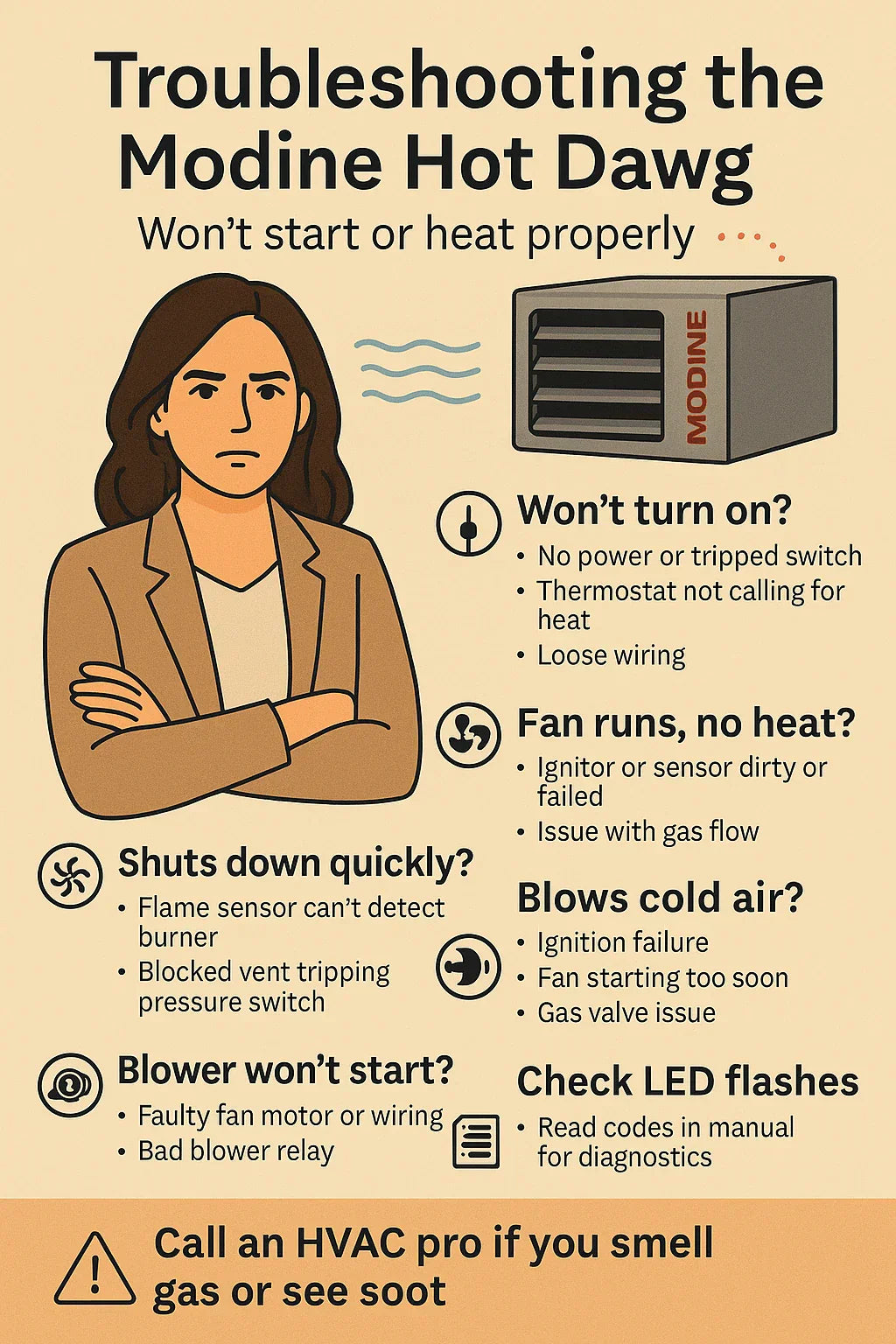
Troubleshooting examples and real-life cases
Short case studies help apply theory. These are real patterns I have seen.
Case 1: Intermittent fan
- Symptom: Fan started randomly and then stopped.
- Finding: Loose control wire at the relay socket.
- Fix: Tightened terminal, replaced mildly corroded relay.
Case 2: Fan runs non-stop
- Symptom: Fan stayed on after thermostat off.
- Finding: Stuck relay contact due to pitting.
- Fix: Replaced relay and inspected motor start capacitor.
Case 3: Clicking but no fan
- Symptom: Relay clicked, fan did not start.
- Finding: Weak fan capacitor increased start time; relay timed out.
- Fix: Replaced capacitor and relay.
These examples show why step-by-step Hvac Fan Relay Troubleshooting is useful. Small faults often mimic bigger ones.

Frequently Asked Questions of Hvac Fan Relay Troubleshooting
What does a bad fan relay sound like?
A failing relay often makes a clicking or buzzing noise when it tries to engage. Repeated rapid clicks usually mean coil or control issues.
Can I run my HVAC with a bypassed relay?
Bypassing is only a temporary diagnostic step and can be unsafe. Do not use a bypass as a long-term fix.
How long do fan relays last?
Typical relays last several years but depend on load and environment. High heat and heavy motor starts shorten life.
Will a bad relay damage the fan motor?
A stuck or weak relay can cause extra starts or stop protection, which may stress the motor over time. Check motor amps to be safe.
Is a solid-state relay better than a mechanical relay?
Solid-state relays avoid contact wear and can last longer for frequent switching. They must match motor specs and may need heat sinking.
How do I know if the thermostat or relay is the problem?
Check for control voltage at the relay when the thermostat calls. If 24V AC is present and the relay does not engage, the relay is likely bad.
Can dirty contacts be cleaned instead of replacing the relay?
Minor pitting can sometimes be cleaned, but cleaning is temporary. Replacement is the safer long-term choice.
Conclusion
Hvac Fan Relay Troubleshooting is a focused, high-value check that solves many blower issues quickly. Use the clear tests above, stay safe, and document wiring before you touch anything. If you are unsure, call a licensed technician to avoid damage and injury.
Take action today: inspect your system, test the relay with care, or schedule a service. Share your experience or questions below and subscribe for more hands-on HVAC guides.

