

Most homemade ice cream stays best for 1–2 weeks; acceptable up to 1–2 months in a strong freezer.
I’ve made and stored dozens of batches of homemade ice cream, so I know the trade-offs between flavor, texture, and safety. This guide explains exactly how long does homemade ice cream last, what shortens or extends its shelf life, and practical steps to keep your pints tasting great. Read on for clear rules, real tips from my kitchen tests, and easy fixes for freezer-burned treats.

36% off Today’s Exclusive Deals
Limited-time Exclusive Deals. Check current discount on Amazon.
Check Price on Amazon As an Amazon Associate I earn from qualifying purchases.
How long does homemade ice cream last: the short breakdown
Homemade ice cream is different from store brands. It has fewer stabilizers and usually no preservatives. That changes how long it keeps.
Key timelines to remember:
- Best quality: 1 to 2 weeks in a standard home freezer.
- Good quality: up to 1 month for most churned recipes.
- Acceptable quality: 1 to 2 months if kept very cold and sealed.
- Safety: if it stays frozen continuously, it will not become unsafe quickly, but quality drops.
How long does homemade ice cream last depends on ingredients, packaging, and freezer conditions. If you need the richest texture, eat it sooner. If you must store longer, use the tips below.

Factors that affect how long does homemade ice cream last
Many small things change shelf life. Know them and you can make your ice cream last longer.
- Ingredients and recipe
- Egg custards and dairy bases are safe when frozen, but eggs change texture after long storage.
- High sugar and fat help preserve texture and slow ice crystal growth.
- Alcohol lowers freezing point and can keep ice cream softer but may help stability.
- Processing and chilling
- Rapid chilling before freezing preserves creaminess.
- If the base was heated and cooled correctly, it freezes and lasts better.
- Packaging and container
- Airtight, shallow containers freeze faster and reduce ice crystals.
- Containers with wide lids let you press plastic wrap to the surface to limit air.
- Freezer temperature and stability
- A steady 0°F (-18°C) is ideal.
- Frequent door opening, power loss, or warm freezer compartments shorten quality.
- Handling and contamination
- Double-dipping or utensils with crumbs introduce microbes and flavors.
- Store-bought mix-ins can melt and refreeze differently than the base.
From my experience, even small gaps in the lid cause big ice crystals in a week. Treat your containers like seals for flavor.
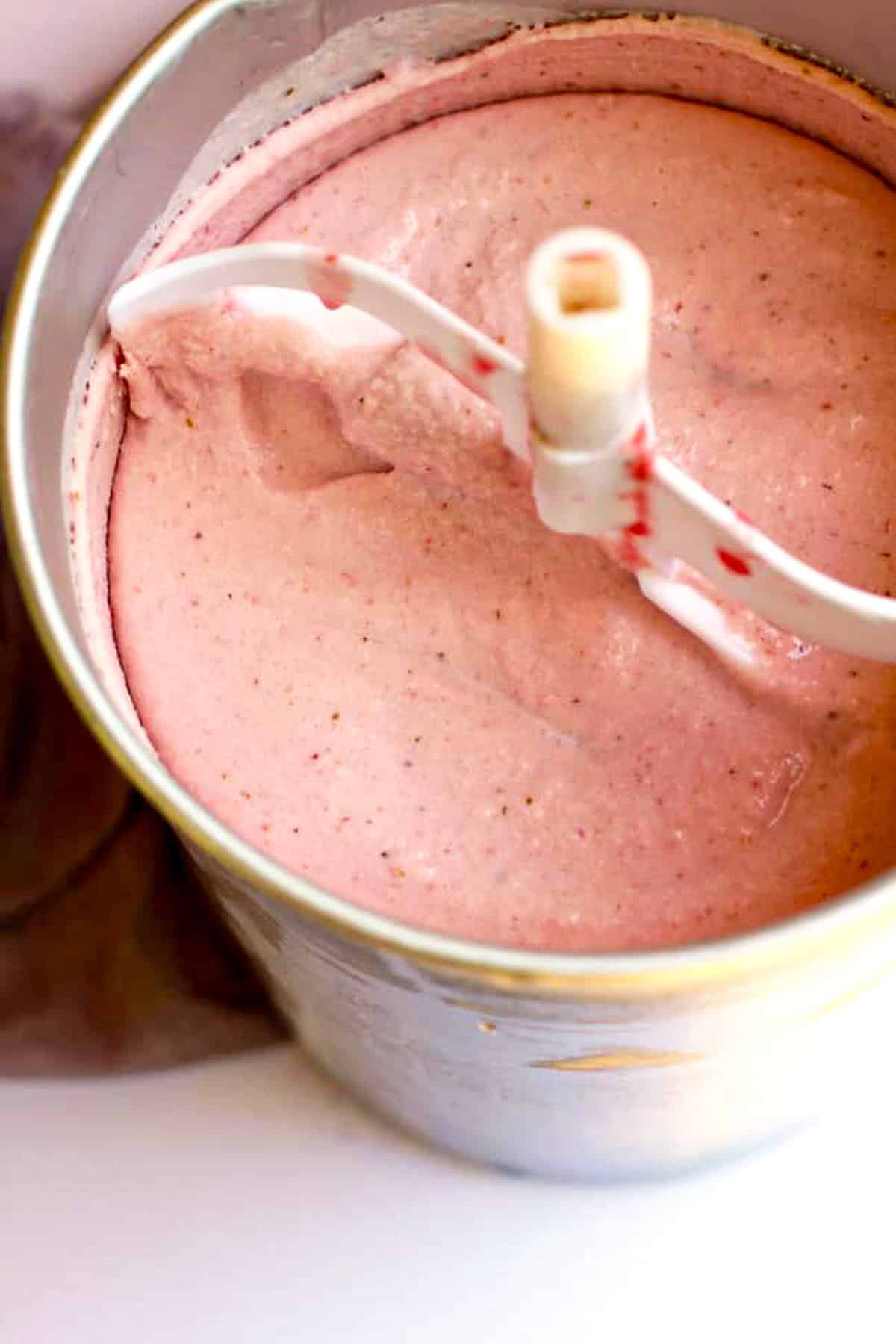
Proper storage techniques to maximize shelf life
Good storage wins the shelf-life game. These steps are simple and work.
- Cool completely before freezing
- Chill the custard or base in the fridge first. Hot or warm bases create big crystals.
- Use airtight containers
- Choose rigid containers with tight lids or freezer-grade glass.
- Press plastic on the surface
- Put a sheet of plastic wrap directly on the ice cream before closing. This reduces air contact.
- Fill shallow containers
- Shallow volumes freeze faster and keep a smooth texture.
- Store in the coldest part of the freezer
– Put containers at the back or bottom shelf, away from the door. - Label with date and flavor
- Write the freeze date. Eat earlier batches first.
- Keep freezer at a steady 0°F (-18°C)
- Use a freezer thermometer to check. Temperature swings speed up quality loss.
- Avoid refreezing thawed ice cream
- If it melts significantly, toss it. Re-freezing breaks emulsion and invites texture and safety issues.
Quick questions
Can I freeze ice cream faster to make it last longer?
Yes. Faster freezing makes small ice crystals and better texture. Use shallow pans or an ice cream maker to freeze quickly.
Does alcohol help how long does homemade ice cream last?
A bit of alcohol can keep ice cream softer and may reduce large crystals, but too much affects freezing and safety judgments.
Is it okay to store homemade ice cream in a soft plastic tub?
Soft tubs trap more air and allow more freezer burn. Rigid, airtight containers are better.
Signs your homemade ice cream has gone bad
Use your senses. They tell you more than a date stamp.
- Large ice crystals or glassy texture
- Means freezer burn or slow freezing. Quality is low.
- Off or sour smell
- Dairy that smells sour likely degraded. Discard.
- Strange or bitter taste
- If taste is off, do not eat more.
- Separation or a watery layer
- Indicates breakdown of the emulsion. Texture is ruined.
- Visible mold or foreign bits
- Toss it immediately.
If you’re unsure and the ice cream melted and sat warm for hours, throw it away. Safety matters more than waste.

How to revive or reuse freezer-burned or aged ice cream
All is not lost if texture suffers. Try these ideas to use older batches.
- Make milkshakes or smoothies
- Blend with milk and fruit; texture flaws disappear.
- Use in baked goods
- Mix into cake batter, muffins, or a quick bread for flavor.
- Turn into ice cream sandwiches
- Spread on cookies while slightly softened and refreeze.
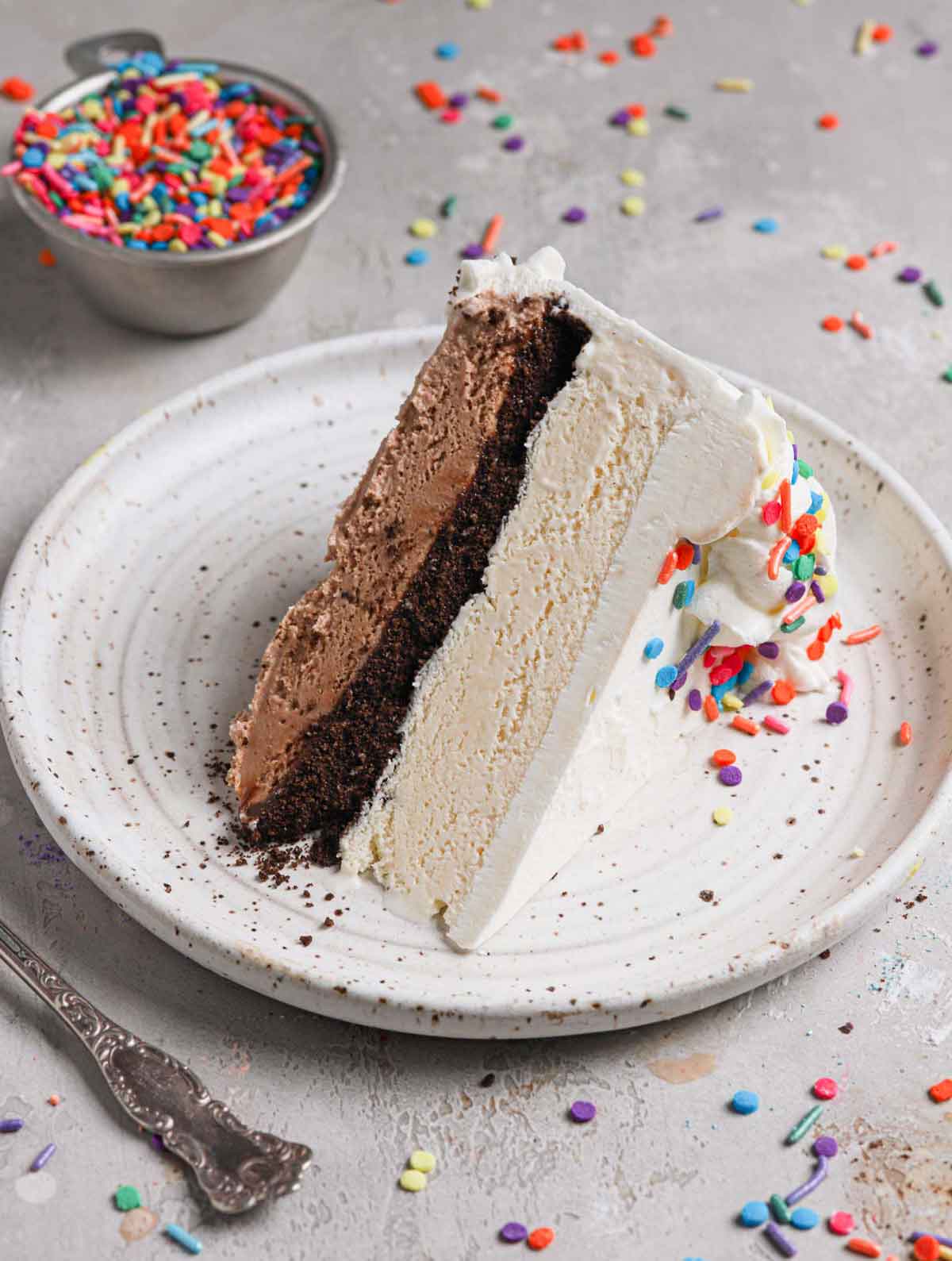
- Make an ice cream cake or trifle
- Layer crumbled cake and fruit; the cold hides texture changes.
- Re-churn with fresh cream
- Melt slightly, blend with fresh cream, and re-churn to smooth crystals.
These tactics stretch your batch and reduce waste.

Homemade vs store-bought: shelf life differences
Store brands last longer for a few reasons. Know the trade-offs.
- Stabilizers and emulsifiers
- Commercial ice cream often includes stabilizers that slow ice crystals growth.
- Packaging and flash freezing
- Industrial freezing is faster. Vacuum or specialty packaging limits air.
- Preservatives and controlled manufacture
- Factory quality controls help consistent shelf life.
- Taste and texture trade-off
- Homemade often tastes fresher. It just needs more careful storage.
If you ask how long does homemade ice cream last compared to store brands, expect homemade to peak sooner but to taste better when fresh.
My personal tips and lessons learned
I’ve made many flavors and made mistakes. Here are what I learned.
- Label every container with the date and flavor. This saved me from mystery bites.
- Use small, shallow containers. I stopped losing texture when I switched from big tubs.
- Freeze fast. I now pre-chill bowls and bases to get a better first freeze.
- Keep a dedicated ice cream scoop. No crumbs means fewer flavor mixes.
- If you will not eat a batch in two weeks, plan to use it in shakes or baking before it ages.
These steps are from trial and error in my kitchen. They help you get great results with less fuss.
Frequently Asked Questions of How long does homemade ice cream last
How long does homemade ice cream last in the freezer?
Most homemade ice cream keeps best for 1 to 2 weeks. With airtight storage and a cold freezer, quality can remain acceptable for up to 1 to 2 months.
Is homemade ice cream safe after one month?
Safety is generally fine if it stayed frozen the whole time, but texture and flavor may suffer. Discard if it shows off smells, mold, or thaw-refreeze signs.
Can I refreeze homemade ice cream after it thaws?
You should not refreeze ice cream that has fully melted. Refreezing harms texture and may pose safety risks if it sat at warm temperatures.
Does adding alcohol increase how long does homemade ice cream last?
Small amounts of alcohol can slow ice crystallization and keep the texture softer, but it does not prevent spoilage from thawing or contamination.
How do I prevent freezer burn on homemade ice cream?
Use airtight, shallow containers, press plastic wrap on the surface, fill to minimize headspace, and store in the coldest part of the freezer.
Conclusion
Homemade ice cream is a joy to make and eat. As a rule, expect peak flavor for 1 to 2 weeks and acceptable quality for up to 1 to 2 months if stored well. Use airtight containers, chill bases before freezing, and store pints in the back of a steady 0°F freezer. When texture slips, turn older batches into shakes, bakes, or ice cream cakes. Try these tips on your next batch, label it with the freeze date, and share which flavor lasted longest in your freezer — I’d love to hear your results.

