

Basic dairy, sugar, stabilizer, flavoring, and optional mix-ins are needed for an ice cream machine.
I’ve made hundreds of batches at home and worked with small-batch gelato shops. This guide explains exactly What ingredients are needed for an ice cream machine, why each one matters, how to balance them, and easy recipes you can trust. Read on to master simple formulas and avoid common mistakes when using an ice cream machine.

36% off Today’s Exclusive Deals
Limited-time Exclusive Deals. Check current discount on Amazon.
Check Price on Amazon As an Amazon Associate I earn from qualifying purchases.
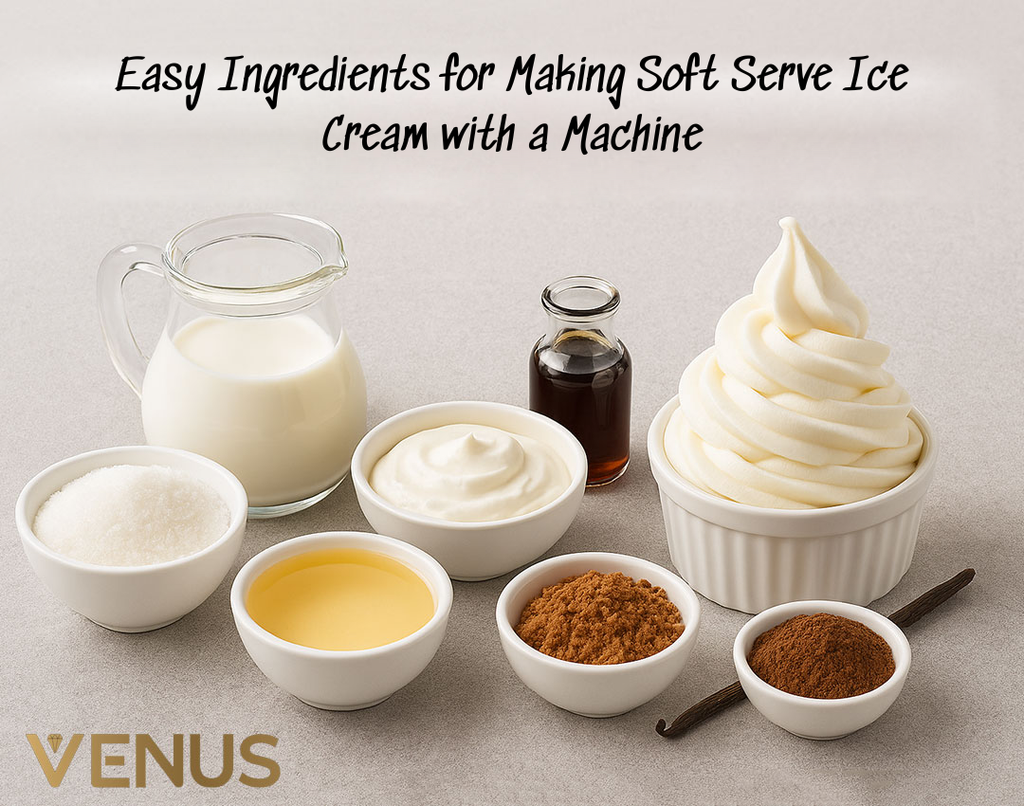
Core ingredients: what every base needs
Every good batch starts with a solid base. Knowing What ingredients are needed for an ice cream machine helps you build texture, flavor, and shelf life. The core items below form the backbone of most recipes.
- Milk or cream: Provides fat and body. Whole milk and heavy cream are common.
- Sugar: Sweetens and lowers freezing point for scoopable texture.
- Egg yolks (optional): Add richness and silkiness in custard-style recipes.
- Stabilizer or thickener: Options include gelatin, cornstarch, or commercial stabilizers to prevent ice crystals.
- Flavoring: Vanilla, cocoa, fruit puree, or extracts create the desired taste.
What ingredients are needed for an ice cream machine vary by style. Gelato uses less fat and fewer eggs. American-style often uses cooked custard with eggs. Sorbet skips dairy and uses fruit, sugar, and sometimes a stabilizer.
Detailed roles: why each ingredient matters
Understanding roles stops guesswork. Below I explain why each ingredient is used and what happens if you skip it.
- Milk and cream: Fat coats ice crystals. It gives creaminess and mouthfeel.
- Sugar: Lowers freezing point. Too little sugar makes it hard and icy.
- Eggs or yolks: Emulsify and thicken. They create a smooth, custardy texture.
- Stabilizers: Hold air and prevent ice crystals forming during storage.
- Air (overrun): Not an ingredient you add, but the machine whips in air. Air lightens texture.
- Salt or alcohol (small amounts): Can help soften texture and enhance flavor.
From experience, I noticed using only milk makes ice cream icy. Adding cream and a yolk improved silkiness fast. That taught me to respect ratios.
Typical recipes and proportions
Practical ratios make home batches reliable. These sample formulas are easy to scale for your ice cream machine.
Basic custard-style (rich)
- 2 cups heavy cream
- 1 cup whole milk
- 3/4 cup sugar
- 4 egg yolks
- 1 teaspoon vanilla
Philadelphia-style (no eggs)
- 2 cups heavy cream
- 1 cup whole milk
- 3/4 cup sugar
- 1 teaspoon vanilla
Fruit sorbet (dairy-free)
- 4 cups fruit puree
- 3/4 to 1 cup sugar, adjusted to fruit sweetness
- 2 tablespoons lemon juice
- Optional 1 tablespoon vodka to keep soft
Follow these ratios when considering What ingredients are needed for an ice cream machine. Small tweaks affect texture more than you might expect.

Flavorings, inclusions, and mix-ins
Mix-ins turn a plain base into something special. Add them carefully so they don’t ruin texture or churn time.
- Flavor extracts and pastes: Use high-quality vanilla, almond, or mint.
- Cocoa and chocolate: Use melted chocolate for intense flavor and smoother texture.
- Fruit purees: Cook or strain if needed to remove seeds and excess water.
- Nuts, candy, cookies: Add during the last minutes of churning so they stay crunchy.
- Swirls (caramel, jam): Add after churning for visual effect and layered taste.
When deciding What ingredients are needed for an ice cream machine, consider water content. High-water ingredients like fresh fruit can cause iciness unless balanced with sugar or stabilizer.
Tips for ingredient quality and sourcing
Quality ingredients matter. Better inputs equal better ice cream.
- Use full-fat dairy for creaminess.
- Choose pure extracts and real vanilla beans when possible.
- Buy pasteurized eggs for safety if not cooking custard.
- Use fine granulated sugar to dissolve quickly.
- For sorbets, choose ripe fruit for natural sweetness and flavor.
In my tests, swapping store-brand vanilla for real vanilla bean improved flavor depth immediately. Small upgrades are cost-effective.
How ingredient choices change by machine type
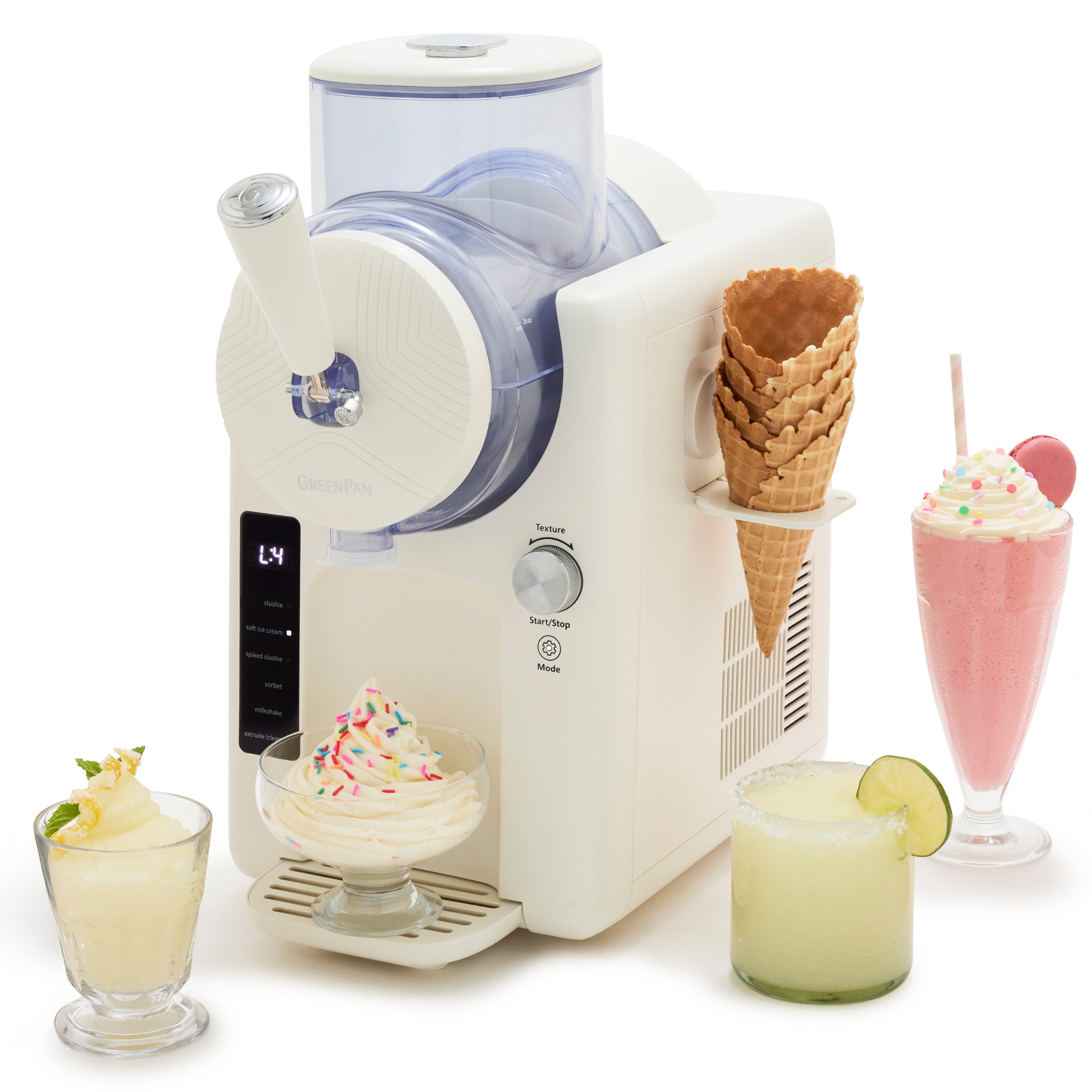
Different machines handle mixes differently. Match your ingredients to your device.
- Compressor machines: Allow hot-pour custards and long churning. Use rich custards confidently.
- Freezer-bowl machines: Require pre-chilled base and often work best with lower fat or stabilized mixes.
- Batch freezers (commercial): Handle larger volumes and can tolerate mixes with less stabilizer.
- Ice-and-salt churns: Traditional method; choose recipes with less sugar to avoid overly soft results.
Think about what ingredients your ice cream machine handles. That avoids runny or icy results.
Common mistakes and how to avoid them
Small errors can wreck a batch. Here are common pitfalls and fixes based on hands-on experience.
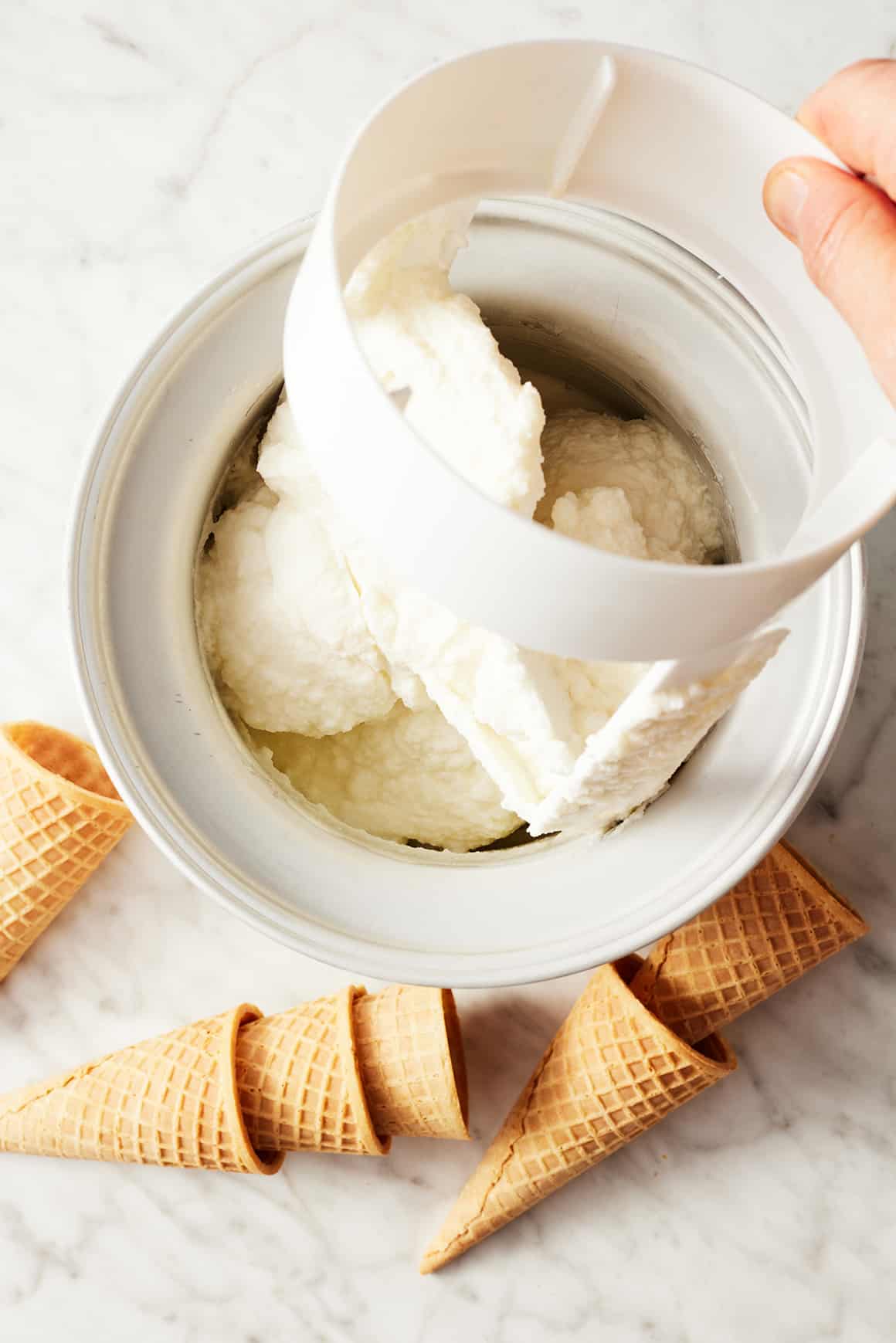
- Not chilling the base: Always chill custard thoroughly before churning to reduce ice crystals.
- Too much water from fruit: Cook down fruit or add sugar/stabilizer to control texture.
- Over-sweetening: Too much sugar makes a sauce-like texture and reduces freezing point too far.
- Adding mix-ins too early: Wait until the last minutes to keep textures intact.
- Skipping stabilizer when storing long term: Use a stabilizer for smoother leftovers.
When I first started, I churned warm custard. It froze into coarse crystals. Cooling the mix overnight fixed this easily.
:max_bytes(150000):strip_icc()/__opt__aboutcom__coeus__resources__content_migration__serious_eats__seriouseats.com__recipes__images__20100716-ice-cream-primary-116e49e446f44b45b18a801aac2a6998.jpg)
Storage, serving, and shelf life
How you store affects final quality. Use these simple rules.
- Freeze in shallow, airtight containers to chill fast.
- Press plastic wrap against the surface before sealing to prevent ice crystals.
- Store at the coldest part of the freezer. Avoid door storage.
- Consume within 1–2 weeks for best texture. Stabilized bases last longer.
If you must keep ice cream longer, add a small amount of alcohol or a stabilizer. This helps texture during storage.

PAA-style questions (short answers)
What ingredients are needed for an ice cream machine to make creamy ice cream?
Cream, whole milk, sugar, and either egg yolks or a stabilizer produce a creamy texture. Proper chilling and churning are also essential.
Can I make ice cream without eggs in an ice cream machine?
Yes. Philadelphia-style recipes skip eggs and use cream, milk, and sugar for a quick, creamy result.
Do I need special stabilizers for home machines?
Not always. Cornstarch or gelatin works for home use, but small amounts are key. Commercial stabilizers are optional for long storage.
How much sugar should I use in an ice cream machine base?
Aim for 12–16% sugar by weight of the mix. For home recipes, 3/4 cup sugar per 3 cups liquid is a good starting point.
Will alcohol affect my ice cream machine batch?
Alcohol lowers freezing point and can make soft texture. Use small amounts (1–2 tablespoons) to improve scoopability, not to thin the mix.
Personal tips and lessons learned
I’ve learned small habits that save time and improve results. Here are my best tips.
- Always taste and adjust sugar before chilling. It’s easier that way.
- Label containers with date and flavor. It helps with rotation.
- Toast nuts and brown butter for deeper flavor. Small steps reward big results.
- Keep a simple base recipe that works with many flavors. It saves trial and error.
These habits came from many late-night batches and generous tasters. They work.
Safety and dietary notes
Be mindful of allergies and food safety.
- Use pasteurized eggs or cook custard to 160°F to be safe.
- Label allergens like nuts or dairy when sharing.
- Offer dairy-free sorbets or coconut-based ice cream for lactose-intolerant guests.
- Note that sugar alternatives affect freezing point and texture; test small batches.
Transparency about ingredients builds trust with guests and customers.
Frequently Asked Questions of What ingredients are needed for an ice cream machine
What basic ingredients do I need to run an ice cream machine?
You need milk or cream, sugar, and flavoring as the core. Add eggs or a stabilizer for creamier texture.
Can I use low-fat milk in an ice cream machine?
Yes, but results may be icier and less creamy. Add a stabilizer or more solids like milk powder to improve texture.
How much flavoring should I add to my ice cream base?
Start with 1 teaspoon of extract per quart or 1/2 cup of strong puree. Adjust to taste during chilling.
Are stabilizers necessary for home ice cream?
Not strictly necessary for short-term use. Stabilizers help with texture during storage and reduce ice crystals.
Can I make vegan ice cream in a standard ice cream machine?
Yes. Use coconut milk, almond milk, or cashew cream with sugar and stabilizer. Chill the base well and churn as usual.
Conclusion
You now know What ingredients are needed for an ice cream machine and how each item shapes texture and flavor. Start with a simple base, choose quality ingredients, chill well, and match your mix to your machine. Try one small batch this week, note what worked, and adjust the next time. If you enjoyed this guide, leave a comment, subscribe for more recipes, or share your favorite flavor below.

