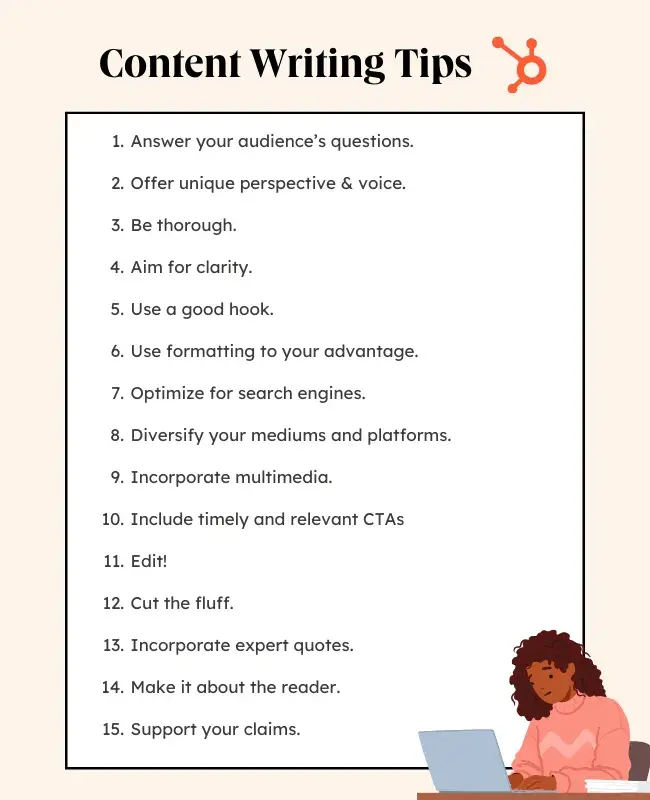
Many people dream of becoming a content writer. The idea of working from anywhere, sharing your ideas, and earning money with your words is exciting. But turning this dream into reality takes more than just good grammar. It requires clear skills, smart strategies, and an understanding of how the digital world works.
If you’re wondering how to become a content writer, you’re in the right place. Whether you want to freelance, work for a company, or grow your own blog, this guide will show you every step you need to take.

36% off Today’s Exclusive Deals
Limited-time Exclusive Deals. Check current discount on Amazon.
Check Price on Amazon As an Amazon Associate I earn from qualifying purchases.What Does A Content Writer Do?
A content writer creates written material for digital platforms. This can include blog posts, articles, website copy, product descriptions, social media posts, and emails. The main goal is to inform, entertain, or persuade readers. Today, companies need high-quality content to reach customers online.
This is why good content writers are in high demand.
Content writers often:
- Research topics to gather accurate information
- Write in a clear, engaging style
- Follow specific guidelines or brand voice
- Use keywords for SEO (search engine optimization)
- Edit and proofread their work
- Meet deadlines consistently
Some writers focus on one niche, like travel or technology. Others write about many subjects. Both paths can be successful.
Essential Skills For Content Writers
Before you start, it’s important to know what skills you need to succeed as a content writer. Here are the most important ones:
Strong Writing Skills
You must use correct grammar, clear sentences, and a style that matches the audience. Your writing should be easy to understand, especially if your readers are not native English speakers.
Research Skills
Good content starts with reliable information. Learn how to find and check facts using trusted sources. This skill prevents errors and builds your credibility.
Seo Knowledge
SEO helps your content appear in search engine results. Understanding keywords, meta descriptions, and how to structure your content can make a big difference in your visibility online.
Adaptability
Different clients and platforms have unique needs. You may write a friendly blog post one day and a formal press release the next. Being adaptable is key.
Time Management
Content writers often work on multiple projects. Setting priorities and meeting deadlines is essential.
Basic Editing
You should be able to spot mistakes and improve clarity. Tools like Grammarly or Hemingway can help, but human editing is still important.
Digital Tools
Familiarity with content management systems (like WordPress), Google Docs, and email marketing tools is a big plus.
Steps To Becoming A Content Writer
Everyone’s path is unique, but there are proven steps to help you start and grow your career as a content writer.
1. Improve Your English And Writing
If English is not your first language, focus on improving your writing. Read articles, watch English videos, and write every day. Free online resources like the Purdue OWL and Grammarly blog offer helpful tips.
2. Learn The Basics Of Seo
Many new writers ignore SEO, but it’s crucial. Learn how to use keywords naturally. Understand what meta titles and descriptions are. Free guides from sites like Moz or Google’s own Search Central can help you start.
3. Pick A Niche (optional)
Choosing a niche helps you stand out. For example, you could focus on health, finance, or travel. If you’re unsure, try writing about different topics until you find what you enjoy most.
4. Build A Writing Portfolio
Clients want to see samples of your work. Start by writing articles on topics you like. You can publish them on your own blog, LinkedIn, or platforms like Medium. Even unpaid samples are valuable at first.
5. Study Successful Content
Look at popular blogs and articles in your chosen niche. Notice their structure, tone, and how they engage readers. Ask yourself what makes their content work.
6. Set Up Professional Profiles
Create a LinkedIn profile and join writing communities. A simple website or blog also helps you look professional. Include your contact details and portfolio.
7. Apply For Entry-level Jobs
Start by looking for freelance gigs on websites like Upwork, Fiverr, or ProBlogger. Entry-level jobs often pay less, but they help you gain experience and build your reputation.
8. Keep Learning
Digital content is always changing. Follow industry blogs, take short courses, and experiment with new types of writing. This keeps your skills fresh and in demand.
Comparing Content Writing Niches
Choosing a niche can be tough. Some niches pay more, while others have less competition. Here’s a quick comparison:
| Niche | Average Pay per Article (USD) | Competition Level | Content Examples |
|---|---|---|---|
| Technology | $50–$200 | High | How-to guides, product reviews |
| Health & Wellness | $40–$150 | Medium | Advice articles, medical news |
| Finance | $60–$250 | High | Investment tips, banking guides |
| Travel | $30–$100 | Medium | Destination guides, tips |
| Marketing | $50–$180 | Medium | Strategy posts, case studies |
As you can see, finance and technology often pay more, but the competition is higher. New writers may find it easier to start in travel or wellness, then switch niches as they gain experience.

How To Build A Strong Writing Portfolio
Your portfolio is proof of your skills. Even if you have no clients yet, you can create sample articles. Here’s how to make your portfolio stand out:
- Choose 3-5 topics you enjoy or know well.
- Write short, clear articles (600–1,000 words each).
- Edit each piece carefully. Check for grammar and flow.
- Publish your samples on Medium, LinkedIn, or your own blog.
- Organize your samples by topic or style.
Some writers also use free portfolio sites like Clippings.me or Journo Portfolio to display their work.
Portfolio Comparison
Here is a quick look at different ways to build and display your portfolio:
| Platform | Cost | Ease of Use | Customization | Best For |
|---|---|---|---|---|
| Medium | Free | Very Easy | Low | Beginner writers |
| Free | Easy | Medium | Networking | |
| Personal Blog | Low ($50/year) | Medium | High | Brand building |
| Clippings.me | Free/Paid | Easy | Medium | Professional look |
| Journo Portfolio | Free/Paid | Easy | Medium | Freelancers |
A personal blog is best for long-term growth, but free options are perfect when you’re just starting.
How To Find Your First Content Writing Job
Getting your first paid job is the biggest hurdle. Here’s how to make it easier:
Use Freelance Platforms
Websites like Upwork, Fiverr, and Freelancer connect writers with clients worldwide. Set up a detailed profile, upload your samples, and start bidding on projects. Start small, then raise your rates as you gain reviews.
Apply To Content Agencies
Content agencies hire writers for many topics. Some agencies accept beginners and help you grow. Search for “content writing agencies hiring” on Google or LinkedIn.
Network Online
Join Facebook groups, LinkedIn groups, and writing forums. Engage in discussions and share your work. Sometimes, jobs come from people you meet in these communities.
Reach Out Directly
If you like a website or blog, send a polite email offering your writing services. Attach your best sample and explain how you can help them.
Guest Posting
Write a free guest post for a popular blog. This builds your portfolio and sometimes leads to paid work.

Skills To Develop As You Grow
Once you land your first few jobs, focus on improving:
Writing Faster
Clients value writers who deliver on time. Practice typing and outlining your articles before you write. This can make your process much quicker.
Better Research
Learn to use Google Advanced Search and tools like Google Scholar or industry databases. This helps you find accurate information faster.
Understanding Analytics
Learn the basics of Google Analytics. Knowing how your articles perform helps you write better content in the future.
Working With Editors
You may get feedback or edits. Learn to accept criticism and improve your drafts quickly.
Building Relationships
Repeat clients are the key to steady income. Always deliver quality and communicate clearly to build trust.
Content Writer Earnings: What To Expect
How much do content writers earn? It depends on your skill, niche, and experience. Here is a breakdown:
| Experience Level | Average Rate per Word (USD) | Monthly Earnings (Freelance) |
|---|---|---|
| Beginner | $0.01–$0.05 | $300–$1,000 |
| Intermediate | $0.05–$0.15 | $1,000–$3,000 |
| Expert/Niche Specialist | $0.15–$1.00+ | $3,000–$10,000+ |
Most new writers start at the beginner level. As you build your reputation and specialize, your rates can increase quickly.
Common Challenges And How To Overcome Them
Becoming a content writer isn’t always easy. Here are some typical problems and solutions:
Lack Of Confidence
Many beginners worry their English isn’t good enough. Remember, clear and simple writing is often best. Read your work aloud to check for flow.
No Experience
If you have no paid work, your own blog posts or guest articles can fill your portfolio. Focus on quality, not quantity.
Low Pay
Low-paying jobs are common at first. But as you gain positive reviews, slowly increase your rates. Never work for free after your first samples.
Writer’s Block
If you feel stuck, take a walk, read similar articles, or change your environment. Outlining your articles before you write also helps prevent block.
Dealing With Rejection
Not every pitch will succeed. Learn from feedback, improve your samples, and keep applying. Persistence is key.
Advanced Tips For Becoming A Successful Content Writer
Here are some insights many beginners miss:
- Repurpose content – Turn one article into a series of social media posts or an infographic. This shows clients you can add extra value.
- Track your results – If your articles bring more traffic or sales for a client, ask them for data. Use these results to attract better clients.
- Stay updated – Google’s search algorithms and content trends change often. Follow industry news and adapt quickly.
- Read widely – Don’t just read articles in your niche. Reading different styles and topics will improve your writing flexibility.
- Build a personal brand – Use social media, a blog, or a newsletter to share your knowledge. This can attract clients directly.
For more in-depth information about content writing, you can visit Wikipedia’s Content Writing page.
Frequently Asked Questions
What Qualifications Do I Need To Become A Content Writer?
You don’t need a specific degree to become a content writer. Good writing skills, strong English, and the ability to research are more important. Many successful writers are self-taught.
How Can I Find Clients As A Beginner?
Start on freelance platforms like Upwork or Fiverr, apply to agencies, and share your work on LinkedIn. Building a small portfolio first helps you attract your first clients.
Is It Possible To Work As A Content Writer Part-time?
Yes, many writers start part-time while studying or working another job. You can choose your own hours and workload as a freelancer.
How Do I Set My Rates As A New Writer?
Research what other beginners charge in your niche. Start with a lower rate to build experience, then raise your prices as you get positive feedback.
What Is The Difference Between Content Writing And Copywriting?
Content writing aims to inform or educate, like blog posts or guides. Copywriting is focused on selling or getting the reader to take action, like ads or landing pages.
Becoming a content writer is a journey that takes practice and patience. By building your skills, creating a strong portfolio, and learning to market yourself, you can turn your passion for writing into a rewarding career. Whether you want to freelance or work for a company, the steps are the same: keep learning, keep writing, and never give up. With the right approach, you can succeed in the world of content writing.