

Breeding guppies can be a rewarding experience for both beginners and experienced fish keepers. These colorful fish are famous for their vibrant tails, peaceful nature, and ability to thrive in home aquariums. Many people are attracted to guppies because of their ease of care, but breeding them successfully takes more than simply putting a few fish together.
Understanding how to select healthy guppies, create the best environment, manage breeding, and care for the fry will help you enjoy a tank full of lively, healthy fish.

36% off Today’s Exclusive Deals
Limited-time Exclusive Deals. Check current discount on Amazon.
Check Price on Amazon As an Amazon Associate I earn from qualifying purchases.This guide covers everything you need to know about how to breed guppies. You’ll learn how to pick the right breeding pair, set up the tank, encourage healthy breeding, and care for baby guppies. Whether you want to breed guppies for fun, to share with friends, or even to sell, you’ll find clear steps and expert tips here.
Along the way, you’ll discover common mistakes, practical advice, and insights that many beginners miss. Let’s dive into the world of guppy breeding and help you get started on the right path.
Why Breed Guppies?
Guppies are one of the most popular aquarium fish in the world. Their bright colors, active nature, and small size make them a favorite choice. But why should you consider breeding them?
- Easy to breed: Guppies are livebearers, which means they give birth to live young instead of laying eggs. This makes breeding less complicated.
- Genetic variety: Breeding allows you to experiment with colors, tail shapes, and patterns.
- Educational: Watching the breeding and growth process is fascinating and teaches patience and responsibility.
- Economic benefit: Some rare strains of guppies can sell for a good price among hobbyists.
- Population control: If you love guppies, breeding gives you more control over your tank’s population, rather than letting nature take its course.
However, it’s important to plan ahead. Guppies breed quickly—one female can produce up to 200 fry (babies) each month. Without proper planning, your tank can become overcrowded.
Choosing The Right Guppies For Breeding
Not all guppies are equal when it comes to breeding. To get healthy and beautiful offspring, you need to select the right breeding stock.
Selecting Healthy Guppies
Look for these qualities when choosing your breeding pair:
- Bright colors: Vibrant and clear colors suggest good health.
- Active swimming: Healthy guppies are always moving and exploring.
- No visible diseases: Avoid fish with torn fins, spots, or swelling.
- Strong body shape: A rounded body (for females) and a sleek body (for males) are signs of health.
Male Vs. Female Guppies
You’ll need both males and females for breeding. Here’s how to tell them apart:
| Feature | Male Guppy | Female Guppy |
|---|---|---|
| Size | Smaller (1-1.5 in) | Larger (1.5-2.5 in) |
| Color | Brighter, more colorful | Less colorful, more gray or silver |
| Tail | Larger, fancier | Shorter, less showy |
| Body shape | Slender | Rounder, especially when pregnant |
| Anal fin | Long and pointy (gonopodium) | Fan-shaped |
It’s best to start with one male and two or three females. This keeps the females from becoming stressed by too much male attention.
Choosing For Genetics
If you want specific colors or tail shapes, pick parents that have those features. Remember, guppy genetics can be surprising, and not all babies will look exactly like their parents. Avoid breeding siblings for several generations, as this can cause weak or unhealthy fish.
Non-obvious insight: Many beginners forget to quarantine new guppies before adding them to the breeding tank. Always isolate new fish for 2 weeks to prevent diseases from spreading.
Preparing The Breeding Tank
Proper tank setup is key to successful guppy breeding. The right environment encourages healthy breeding and protects the fry.
Tank Size And Setup
A 10-gallon tank is enough for a small breeding group, but larger tanks (20 gallons) are better for more stable water quality. Avoid using a regular community tank, as other fish may eat guppy fry.
Recommended setup:
- Sponge filter: Gentle filtration that won’t suck up fry.
- Heater: Keeps water at a steady temperature (75–82°F).
- Plants: Live or artificial plants give fry places to hide.
- Bare bottom: Easier to clean, but add some floating plants for shelter.
Water Conditions
Guppies are hardy, but breeding needs stable water conditions.
| Parameter | Ideal Range |
|---|---|
| Temperature | 75–82°F (24–28°C) |
| pH | 7.0–7.8 |
| Ammonia/Nitrite | 0 ppm |
| Nitrate | <20 ppm |
| Hardness | 8–12 dGH |
Keep the tank clean, and do 25% water changes weekly.
Lighting
Guppies do well with 8–10 hours of moderate light per day. Too much light can stress them. Use a simple timer to keep lighting consistent.
Hiding Spots
Baby guppies, or fry, need places to hide from adults. Dense plants like java moss or floating plants work well. If you don’t have live plants, use artificial ones or special fry nets.
Practical tip: Avoid strong currents in the tank. Fry are weak swimmers and can be pushed around easily.
The Breeding Process
After you’ve set up the tank and chosen your guppies, it’s time to start the breeding process.
Introducing The Guppies
Place your selected males and females into the prepared breeding tank. Give them a few days to settle in. Males will begin to court females, displaying their fins and chasing them.
Mating Behavior
Watch for these signs of mating:
- Males display their tails and swim in front of females.
- Males chase females around the tank.
- Quick, darting movements near the female’s rear (the male’s gonopodium is used to transfer sperm).
Guppies are prolific breeders. A single mating can fertilize several batches of eggs. Females store sperm and can give birth multiple times without a male present.
Pregnancy And Gestation
Female guppies usually become pregnant within a few days of introduction. Pregnancy lasts about 21–30 days, depending on temperature and the fish’s age.
Signs of pregnancy:
- Swollen, square-looking belly.
- Dark gravid spot near the back fin (this gets larger and darker as birth nears).
- The female may hide more or become less active.
Giving Birth
When ready to give birth, females may separate themselves and become restless. Labor often happens at night or early in the morning. A healthy female can give birth to 20–200 fry at once.
Non-obvious insight: Many beginners leave the female in the breeding tank after birth. This is risky, as adult guppies (even the mother) may eat the newborn fry. Always remove the female after she gives birth.

Caring For Guppy Fry
Raising baby guppies successfully is as important as breeding them.
Separating Fry From Adults
Fry are tiny and defenseless. Move them to a separate tank or use a breeding box/net inside the main tank. This increases survival rates.
Best practices:
- Use a soft net to catch fry gently.
- If using a breeding box, make sure water flows through it to keep oxygen levels high.
Feeding Guppy Fry
Fry need small, frequent meals to grow.
- First foods: Crushed flake food, baby brine shrimp, or commercial fry food.
- Feedings: 4–5 times per day for the first month.
- Portion size: Only as much as they can eat in 2–3 minutes.
Overfeeding pollutes the water quickly, so remove uneaten food after each feeding.
Growth And Development
Fry grow fast. In 4–6 weeks, they start to show colors and can be moved to the main tank once they are too big to fit in adult mouths.
Growth rates:
- 1–2 weeks: Fry are transparent, with little color.
- 3–4 weeks: Begin to show patterns and colors.
- 2–3 months: Juveniles reach sexual maturity.
Water Quality For Fry
Fry are more sensitive to poor water quality than adults. Do partial water changes (10–20%) every 2–3 days, and clean the tank regularly.
Pro tip: An air-driven sponge filter is gentle and provides enough filtration without sucking up fry.
Common Problems And Solutions
Even with the best care, challenges can arise. Here’s how to handle common issues in guppy breeding.
Overcrowding
Guppies breed rapidly. Too many fish can cause stress, stunted growth, and disease. Have a plan for extra fry—give them to friends, sell them, or set up more tanks.
Disease Outbreaks
Breeding tanks can become hotspots for disease. Quarantine new fish and remove sick individuals immediately. Watch for signs like white spots, frayed fins, or unusual swimming.
Poor Fry Survival
If fry are dying, check:
- Water quality: Ammonia or nitrite may be too high.
- Temperature: Too cold or too hot can kill fry.
- Food: Not enough nutrition or overfeeding.
Weak Or Deformed Fry
This can be caused by:
- Inbreeding (breeding close relatives)
- Poor nutrition in parents
- Stress during pregnancy
Always choose strong, unrelated adults for breeding and feed them a varied diet.
Adult Guppies Eating Fry
This is one of the most common issues. Always provide hiding spots and remove adults after birth.
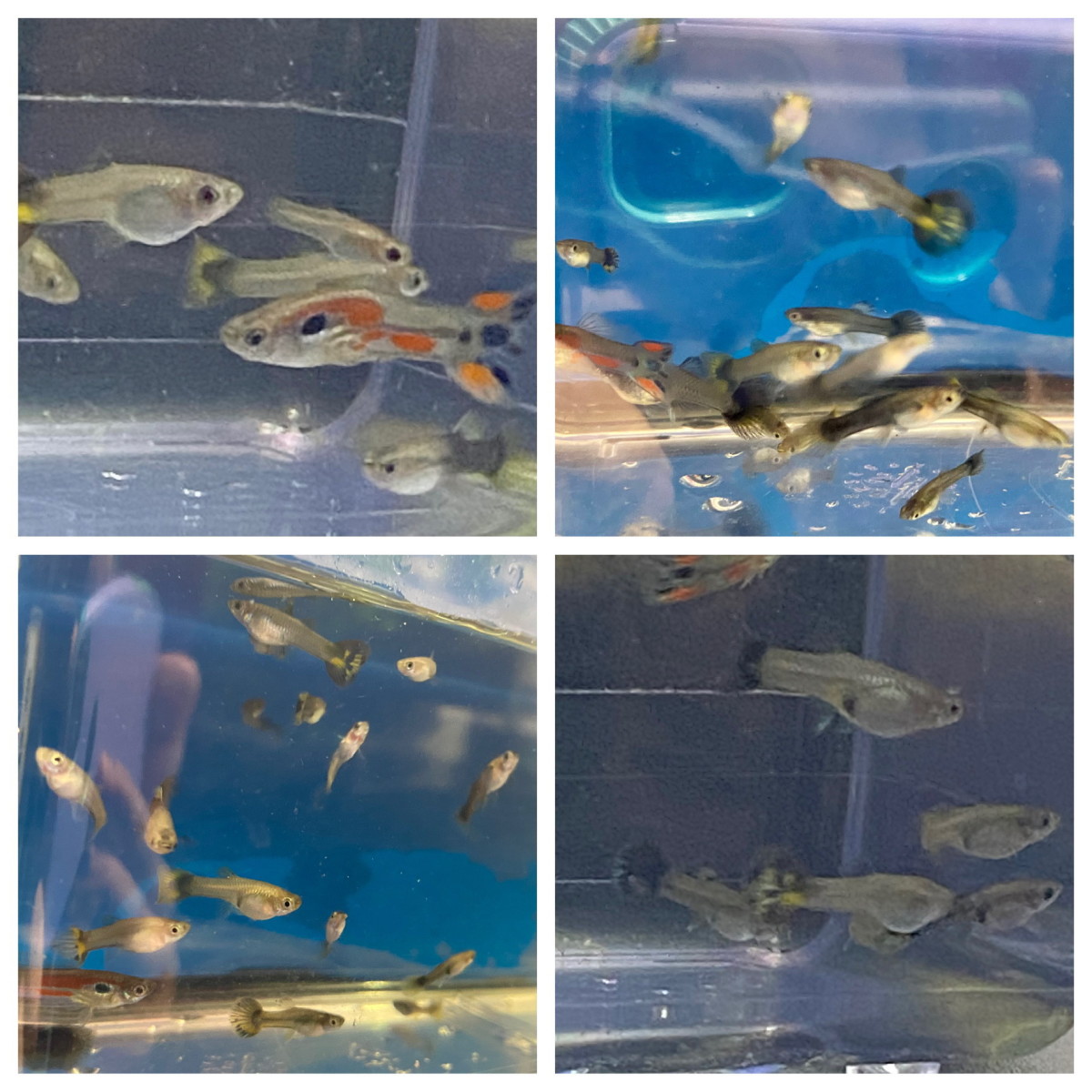
Guppy Genetics And Selective Breeding
Selective breeding lets you create guppies with unique colors, patterns, or fin shapes. However, understanding basic genetics helps you achieve your goals and avoid problems.
Basic Guppy Genetics
Traits like color and tail shape are controlled by genes. Some are dominant (show even if only one parent has it), while others are recessive (need both parents to have the gene).
- Dominant traits: Show up easily in offspring.
- Recessive traits: Appear only if both parents carry the gene.
Selective Breeding Steps
- Choose parents with the desired traits.
- Breed them and keep the best-looking fry.
- Breed the best fry together in the next generation.
- Avoid breeding siblings for more than 2–3 generations.
Note: It can take several generations to get the exact traits you want.
Hybrid Strains
Mixing different strains can produce new colors or patterns, but some combinations may weaken the fish or cause health problems. Always keep detailed records of your breeding pairs.
Useful resource: For more about guppy genetics, visit the Guppy Wikipedia page.
Comparing Breeding Methods
There are several methods for breeding guppies, each with pros and cons. Here’s a quick comparison:
| Method | Pros | Cons |
|---|---|---|
| Community Tank | Easy, no extra equipment needed | Low fry survival, adults eat fry |
| Breeding Tank | Higher fry survival, controlled breeding | Need extra tank and maintenance |
| Breeding Box/Net | Easy to separate fry, low cost | Limited space, can stress mother |
For best results, use a dedicated breeding tank or a breeding box for the mother, then move fry to a separate rearing tank.
Selling Or Sharing Your Guppies
Once your guppies grow, you may have more than you can keep. Here are practical options:
- Local fish stores: Many will buy or trade healthy, colorful guppies.
- Online platforms: Sell to hobbyists through forums or sites like Aquabid.
- Friends and family: Share the joy of fishkeeping.
- Community groups: Aquarium clubs or local Facebook groups.
Before selling, make sure your guppies are healthy, colorful, and at least 2–3 months old. Never release guppies into local waterways—they can become invasive and harm native fish.
Common mistake: Selling fry too young. Let them grow and develop color before offering them for sale.
Frequently Asked Questions
How Often Do Guppies Breed?
Guppies can breed every 4–6 weeks. Females store sperm and can give birth several times after just one mating. You may see new fry each month if conditions are right.
Do Guppies Need A Special Diet For Breeding?
Yes. Feed breeding adults a varied diet: high-quality flake food, frozen or live brine shrimp, daphnia, and blanched vegetables like spinach. Good nutrition leads to healthier fry and more vibrant colors.
How Can I Tell If My Guppy Is Pregnant?
Look for a swollen belly and a dark gravid spot near the rear of the female’s body. Pregnant guppies may also hide more or show less interest in food as birth approaches.
What Is The Best Way To Protect Guppy Fry?
Move fry to a separate tank or use a breeding box/net. Add dense plants for hiding. Keep water clean and feed small meals several times a day. Remove adults as soon as possible after birth.
Can Guppies Breed With Other Fish?
Guppies only breed with other guppies. However, they may hybridize with close relatives like Endler’s livebearers, but this is not recommended for beginners as it can produce unpredictable results.
Breeding guppies is a journey that offers both fun and challenges. With the right preparation, care, and patience, you can enjoy watching new life grow in your aquarium. Remember to plan for the future, keep your fish healthy, and share your success with others.
Happy fishkeeping!


