Caring for a cat is a rewarding experience, but it’s also a big responsibility. Cats are unique animals with their own needs, personalities, and health requirements. Whether you’re bringing home your first kitten or you’ve adopted an older feline, understanding how to care for a cat can help you build a strong bond and keep your pet healthy and happy for many years.
This guide will walk you through every key aspect of cat care, using simple language, practical advice, and expert insights that even many cat owners may not know.

36% off Today’s Exclusive Deals
Limited-time Exclusive Deals. Check current discount on Amazon.
Check Price on Amazon As an Amazon Associate I earn from qualifying purchases.Preparing Your Home For A Cat
Before your cat arrives, take time to make your home safe and welcoming. Cats are curious, and their natural instinct is to explore. Remove anything that could harm them, such as toxic plants, small objects that could be swallowed, open windows without screens, and wires that might be chewed. Creating a special space for your cat helps them feel secure. This could be a quiet room with a soft bed, a litter box, and some toys.
Cats also need places to climb and hide. A sturdy cat tree or shelves at different heights can satisfy their love for climbing. Simple cardboard boxes or covered beds provide cozy hiding spots. Remember to keep your home quiet and calm, especially in the first days, to help your cat adjust more easily.
Feeding Your Cat
Choosing The Right Food
Feeding your cat a balanced diet is essential for their health. Cats are obligate carnivores, meaning they need nutrients found only in animal-based foods. High-quality commercial cat food is usually the best choice because it is specially made to meet all their nutritional needs.
| Type of Food | Pros | Cons |
|---|---|---|
| Dry Food | Convenient, affordable, long shelf life | Lower moisture, can cause dehydration if water isn’t available |
| Wet Food | High moisture, more palatable | More expensive, spoils quickly |
| Raw/ Homemade | Can be customized, closer to natural diet | Risk of imbalance, bacteria, more prep needed |
Look for foods with meat or fish as the first ingredient. Avoid those with lots of fillers like corn or wheat. If you’re unsure, your veterinarian can help you choose the right food for your cat’s age, weight, and health needs.
How Much And How Often To Feed
The amount and frequency of feeding depend on your cat’s age and activity level. Kittens need to eat more often—about three to four times daily—while adult cats usually do well with two meals a day. Always follow the feeding instructions on the food package, but adjust as needed to prevent your cat from becoming overweight.
Obesity is a common issue in cats and can lead to diabetes, joint pain, and heart problems.
Fresh Water
Cats often don’t drink enough water, especially if they eat dry food. Place several bowls of fresh water around your home and change them daily. Some cats prefer running water, so a cat water fountain can encourage them to drink more.

Litter Box Care
A clean litter box is crucial for your cat’s comfort and health. Most cats won’t use a dirty or smelly box. Scoop waste at least once a day and change the litter completely once a week. Wash the box with mild soap and water when you change the litter.
The number of litter boxes matters, especially in multi-cat homes. The general rule is: one box per cat, plus one extra. Place them in quiet, private spots. Avoid putting boxes near your cat’s food or water.
There are many types of litter, including clumping clay, crystal, and natural materials. Some cats have a preference, so you may need to try different kinds. If your cat stops using the box, consult a vet to rule out medical issues.
Grooming Your Cat
Brushing
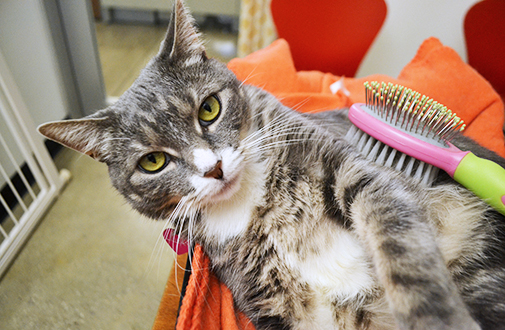
Regular grooming keeps your cat’s coat healthy and reduces shedding. Short-haired cats need brushing once a week, while long-haired breeds need it daily to prevent mats and tangles. Use a gentle brush designed for cats.
Bathing
Most cats rarely need baths because they groom themselves. Only bathe your cat if they get into something sticky or harmful. Use a cat-safe shampoo and make sure the water is warm but not hot.
Nail Care
Trim your cat’s nails every few weeks to prevent them from growing too long or snagging on things. Use special cat nail clippers and be careful not to cut the pink part (the quick), which can bleed.
Dental Care
Dental disease is very common in cats. Brushing your cat’s teeth regularly with a cat-safe toothpaste helps prevent problems. Dental treats and toys can also help clean their teeth.
Ear And Eye Care
Check your cat’s ears for dirt or redness and clean gently with a damp cotton ball if needed. Wipe away any eye discharge with a soft, damp cloth.
Keeping Your Cat Healthy
Regular Vet Visits
Take your cat to the veterinarian at least once a year for a check-up and vaccinations. Kittens and older cats may need more frequent visits. Vaccines protect against diseases like rabies, feline leukemia, and distemper.
Parasite Prevention
Cats can get fleas, ticks, and worms even if they stay indoors. Use regular parasite preventives as recommended by your vet. Common signs of parasites include scratching, hair loss, or changes in appetite.
Spaying/neutering
Spaying (for females) or neutering (for males) is important for your cat’s health and helps reduce the number of unwanted kittens. Spayed/neutered cats are less likely to develop certain cancers and may live longer.
Signs Of Illness
Watch for changes in your cat’s eating, drinking, litter box habits, or behavior. Early signs of illness can be subtle, such as hiding more than usual or being less playful. If you notice anything unusual, contact your vet right away.
Enrichment And Play
Cats are intelligent and playful. They need mental and physical stimulation to stay healthy and avoid boredom.
Toys And Games
Offer a variety of toys, such as balls, feather wands, and puzzle feeders. Rotate toys regularly to keep them interesting. Interactive play for 10-15 minutes a couple of times a day helps your cat exercise and reduces stress.
Scratching Posts
Scratching is a natural behavior that helps cats keep their claws healthy and mark their territory. Provide sturdy scratching posts or pads in different areas of your home. Encourage use by sprinkling a little catnip on the post.
Safe Outdoor Time
If you want your cat to experience the outdoors, use a leash and harness or build a secure outdoor enclosure. Free-roaming cats face risks from cars, predators, and disease. Indoor cats generally live longer, safer lives.
Understanding Cat Behavior
Cats communicate with their body language, vocalizations, and behavior. Learning to read these signals helps you respond to their needs and build trust.
Common Behaviors
- Purring: Often means your cat is happy, but sometimes cats purr when they are sick or stressed.
- Kneading: Cats push their paws in and out against soft surfaces. It’s a comforting behavior from kittenhood.
- Tail Position: A straight-up tail usually means a friendly cat. If the tail is puffed up, your cat is scared or excited.
Socialization
Cats need positive experiences with people and other animals to become friendly and confident. Spend time playing and talking to your cat every day. If you have more than one cat, introduce them slowly and carefully to avoid fights.
Dealing With Problem Behaviors
Scratching furniture, biting, or not using the litter box can be frustrating. Instead of punishment, try to understand the cause and provide alternatives. For example, offer more scratching posts or interactive play to reduce biting.
Cat-proofing Your Home
Cats are experts at finding trouble. Cat-proofing your home keeps your pet safe and prevents damage.
Hazards To Watch For
- Toxic plants: Lilies, poinsettias, and others are poisonous to cats.
- Human foods: Chocolate, onions, garlic, and some artificial sweeteners can be deadly.
- Small objects: Rubber bands, hair ties, and string can cause choking or blockages if swallowed.
Store cleaning products and medicines out of reach. Use cord protectors for electrical wires. Secure windows and balconies to prevent falls.
Creating A Cat-friendly Space
Cats love to explore, so give them safe places to climb, hide, and observe. Window perches, cat trees, and cozy beds make your home more interesting for your cat. Rotating toys and adding new challenges, like puzzle feeders, will keep them engaged.
Traveling With Your Cat
Traveling can be stressful for cats. If you need to take your cat to the vet or move to a new home, use a sturdy carrier. Line it with a soft towel and let your cat get used to it before the trip.
For longer trips, bring familiar items like a favorite blanket and keep your cat’s routine as normal as possible. Some cats get car sick or anxious; talk to your vet about calming options if needed.
Adopting A Cat: What To Consider
Adopting a cat is a long-term commitment—cats can live 15-20 years or more. Think about your lifestyle, family, and any other pets. Some cats do better in quiet homes, while others love busy families. If you’re away often, two cats may keep each other company.
Kittens are playful and need lots of training, while adult cats are usually more settled. Senior cats can be loving companions and are often overlooked in shelters.
Common Myths About Cat Care
Many people believe cats are low-maintenance pets, but this isn’t true. Here are some common myths:
- Cats don’t need attention. In reality, cats need daily play, affection, and mental stimulation.
- Cats can eat dog food. Cat food is specially formulated for their unique needs; dog food lacks certain nutrients cats need.
- Indoor cats can’t get sick. Indoor cats can still get illnesses and need regular vet care and vaccinations.
- Milk is good for cats. Most adult cats are lactose intolerant, and milk can cause stomach upset.
Understanding these facts helps you avoid mistakes that could harm your cat’s health.
Cat Care Costs: What To Expect
Owning a cat comes with ongoing expenses. Here is a simple breakdown of average annual costs for a single, healthy indoor cat in the US:
| Expense | Estimated Cost (per year) |
|---|---|
| Food | $120 – $500 |
| Litter | $100 – $300 |
| Vet Care | $100 – $400 (routine) |
| Toys & Accessories | $30 – $100 |
| Preventive Medications | $60 – $180 |
Unexpected vet bills can be much higher, especially if your cat gets sick or injured. Pet insurance can help manage these costs. Remember, investing in preventive care and a healthy lifestyle will save you money and trouble in the long run.

Lifespan And Aging In Cats
Cats are living longer thanks to better nutrition and veterinary care. The average lifespan for an indoor cat is 13-17 years, but many live into their 20s. Outdoor cats have shorter lives, often just 2-5 years, due to more risks.
As your cat ages, they may need changes in diet, more comfortable bedding, or extra vet visits. Watch for signs of arthritis, weight loss, or changes in behavior. Older cats may also need their nails trimmed more often and may benefit from ramps or steps to reach favorite spots.
Non-obvious Cat Care Insights
Many cat owners overlook mental health. Cats can get stressed by changes in the home, lack of stimulation, or boredom. Signs of stress include overgrooming, hiding, or changes in appetite. Keeping a regular routine, providing playtime, and giving your cat safe spaces can reduce stress.
Another insight is that cats hide pain well. Even if your cat seems healthy, regular vet check-ups and knowing your cat’s normal behavior can help you spot problems early. For example, a cat that stops jumping onto the sofa may have joint pain, even if they don’t limp.
Cat Breeds And Their Special Needs
Each cat is unique, but some breeds need special care. For example, Persian cats require daily grooming because of their long fur, while Siamese cats are very vocal and need lots of attention and play. Sphynx cats have no fur and need regular baths to remove skin oils.
If you have a purebred cat, learn about their specific needs and health issues. Mixed-breed cats are often hardier but still need the same basic care.
Building A Strong Bond With Your Cat
Cats form deep attachments with their humans, but they show affection in different ways. Sit quietly with your cat, let them come to you, and respect their boundaries. Gentle petting, playing together, and talking softly can strengthen your relationship.
Some cats like to cuddle, while others prefer to sit nearby. Never force affection—let your cat choose how close they want to be. Over time, you’ll learn their favorite spots to be scratched and how they like to play.
Traveling Or Being Away: Cat Sitting And Boarding
If you need to leave home, arrange for a trusted friend or professional pet sitter to care for your cat. Cats do best in their own home, where they feel safe and secure. A sitter can feed your cat, clean the litter box, and give attention.
If you must board your cat, choose a reputable facility that specializes in cat care. Visit first to check cleanliness, safety, and staff experience. Bring your cat’s favorite blanket or toy to help them feel at home.
The Importance Of Identification
Even indoor cats can slip outside. Make sure your cat has a collar with an ID tag and consider a microchip for permanent identification. Microchipped cats are much more likely to be returned if lost.
Cat Care Resources
To stay informed, use reputable resources like your veterinarian, books, and trusted websites. The American Veterinary Medical Association offers many helpful guides and articles for cat owners. For more in-depth advice, see this ASPCA cat care guide.
Frequently Asked Questions
How Often Should I Take My Cat To The Vet?
Most healthy adult cats need a vet check-up once a year, but kittens and seniors should go more often. If your cat seems sick or injured, visit the vet right away.
What Vaccinations Does My Cat Need?
Core vaccines include rabies, feline distemper, and feline herpesvirus. Your vet may recommend others based on your cat’s lifestyle and location.
Can I Keep My Cat Indoors All The Time?
Yes, indoor cats are safer from accidents, disease, and predators. Make sure to provide plenty of play, scratching posts, and window views to keep them happy.
How Do I Introduce A New Cat To My Home?
Start by keeping the new cat in a separate room with their own food, water, and litter box. Gradually let the cats sniff each other under a door, then allow supervised visits. Move slowly and be patient.
Why Does My Cat Bring Me “gifts” Like Dead Mice?
This is a natural hunting instinct. Your cat is sharing their “catch” with you as a sign of affection or to teach you how to hunt—just like they would with kittens.
Caring for a cat means more than just providing food and water. It’s about understanding their needs, respecting their personality, and creating a safe, loving home. With a little effort and attention, you’ll enjoy a close, joyful relationship with your feline friend for many years.