

Water is essential for life. Every day, we rely on clean water for drinking, cooking, cleaning, and agriculture. But in many places, water is becoming scarce. The world’s population keeps growing, and climate change makes droughts and floods more common. Even in cities with plenty of water, wasteful habits can lead to shortages. Conserving water is not just a responsibility for governments—it’s something everyone can do. Small changes at home, work, and in the community add up to big savings. In this article, you’ll learn practical, effective ways to conserve water, why it matters, and how each action makes a difference.
Why Water Conservation Matters
Most people don’t realize how fast the global water crisis is growing. According to the United Nations, about 2 billion people lack safe drinking water. In the United States, nearly 40 states expect water shortages in the next decade. Water scarcity affects health, food supply, and even the economy.

36% off Today’s Exclusive Deals
Limited-time Exclusive Deals. Check current discount on Amazon.
Check Price on Amazon As an Amazon Associate I earn from qualifying purchases.How Water Is Wasted
- Leaking pipes and faucets
- Overwatering gardens and lawns
- Long showers and baths
- Running taps while brushing teeth or washing dishes
- Industrial waste and inefficient agriculture
Each wasted gallon adds up. For example, a leaky faucet that drips once per second can waste over 3,000 gallons per year.
Hidden Water Usage
Many products require water to make. For example:
- One cotton t-shirt uses about 650 gallons of water to produce.
- A hamburger needs around 660 gallons.
This is called virtual water—the water hidden in what we buy and eat.
Simple Ways To Conserve Water At Home
You don’t have to make huge changes to save water. Small steps are easy, low-cost, and add up quickly.
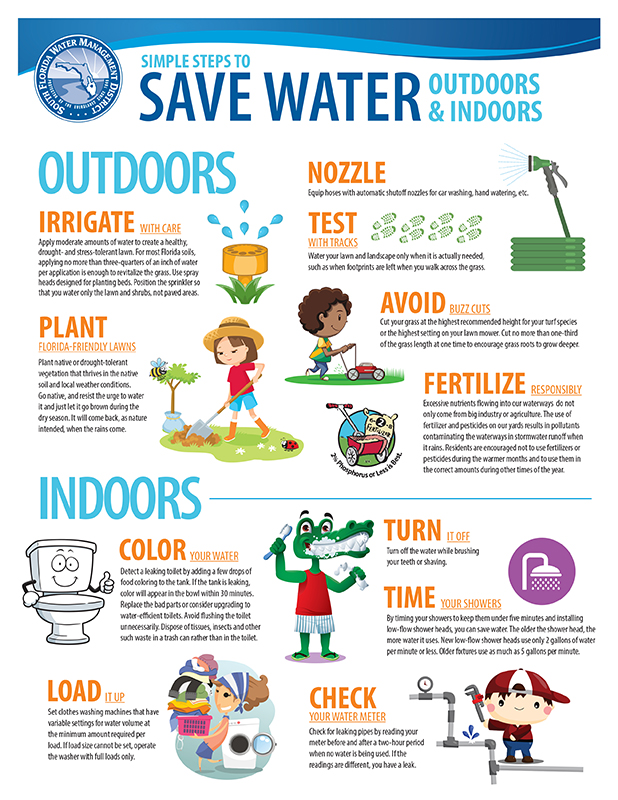
Fix Leaks Quickly
A dripping faucet or running toilet can waste thousands of gallons per year. Regularly check for leaks in:
- Faucets
- Pipes under sinks
- Toilets
- Outdoor hoses
Fixing leaks is usually cheap and only takes a few minutes.
Install Water-efficient Fixtures
Modern fixtures use less water but work just as well. Look for:
- Low-flow showerheads: Reduce water use by up to 50%.
- Dual-flush toilets: Save about 20% compared to old models.
- Aerators: Add to faucets to cut flow without reducing pressure.
These upgrades pay for themselves in lower water bills.
Shorten Showers
The average shower uses 2.1 gallons per minute. Cutting your shower by just 2 minutes saves over 1,500 gallons per year for one person.
Turn Off The Tap
Don’t let water run while:
- Brushing teeth
- Washing hands
- Scrubbing dishes
This habit alone can save hundreds of gallons yearly.
Use Appliances Wisely
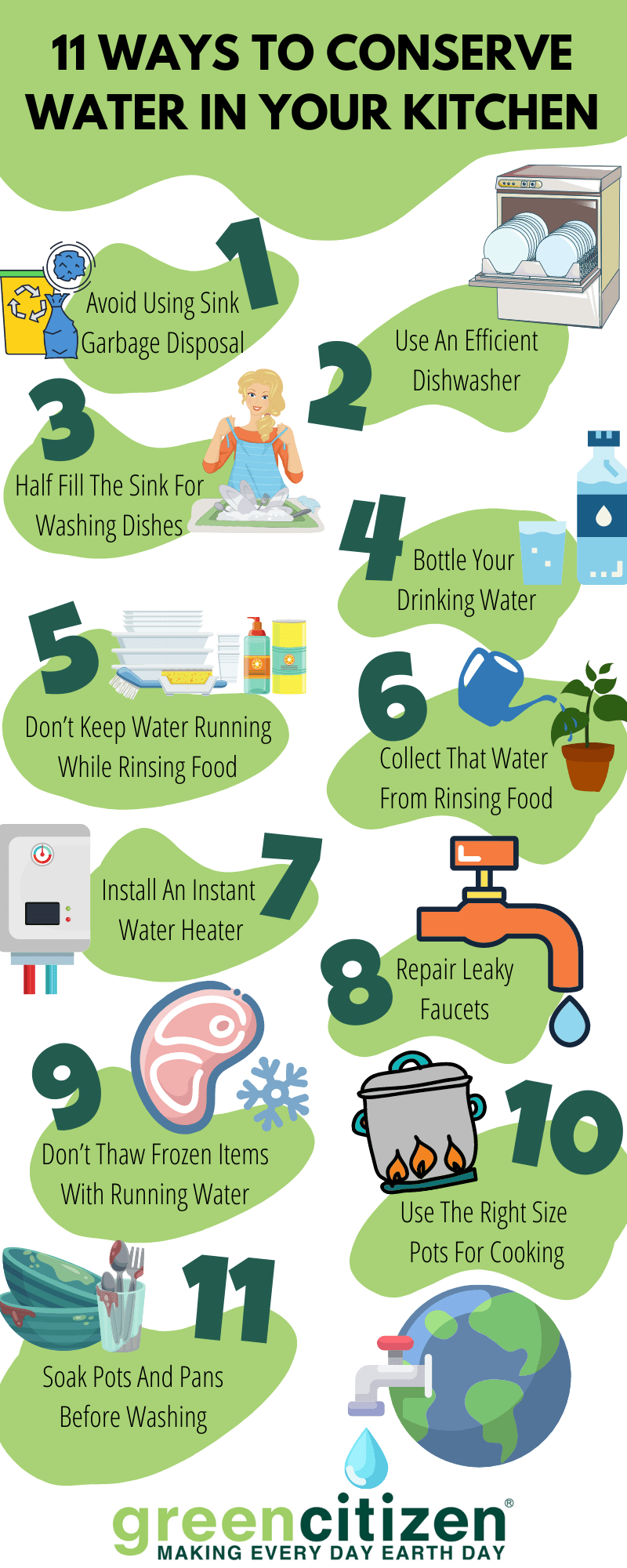
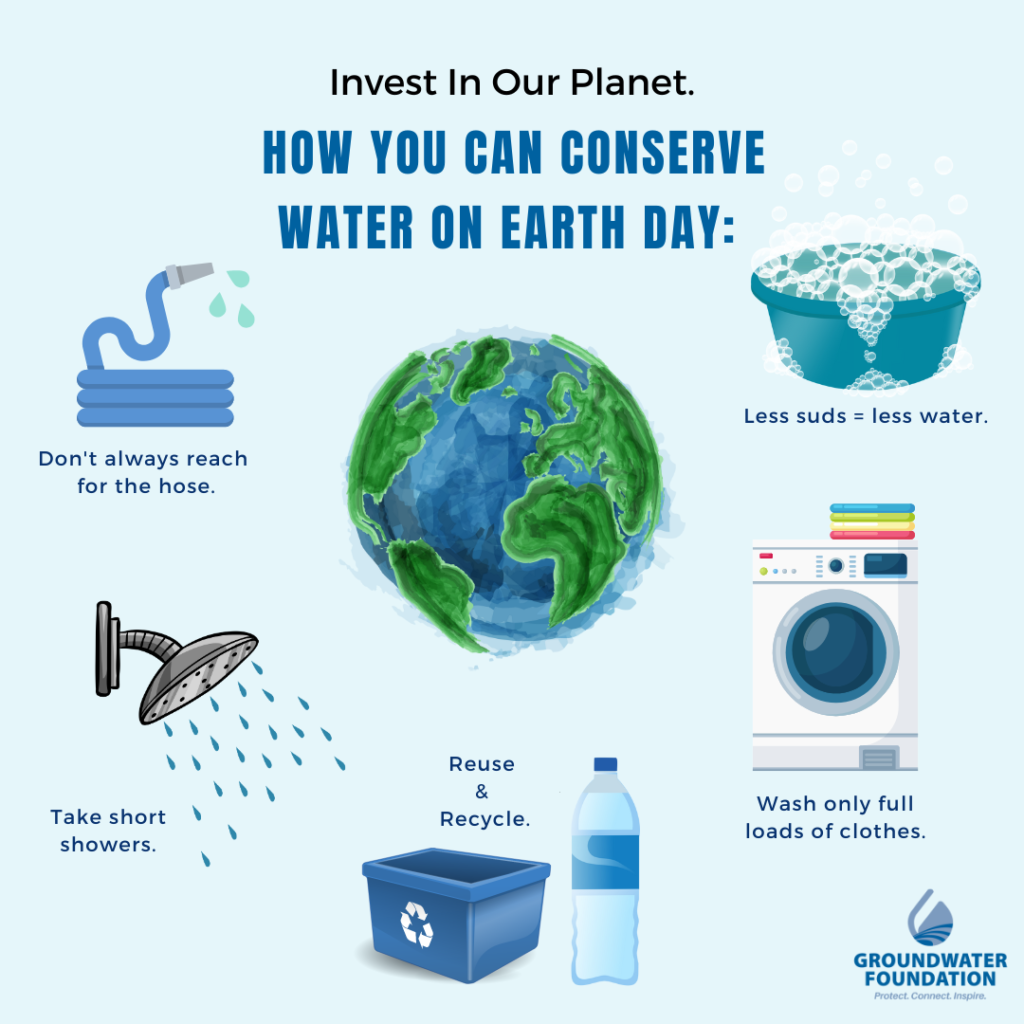
- Run dishwashers and washing machines only with full loads.
- Choose energy-efficient models that use less water.
- If washing dishes by hand, fill a basin instead of letting the tap run.
Collect Rainwater
In many places, you can set up a rain barrel to collect water for gardens. This saves tap water and reduces stormwater runoff.
Reuse Water Where Possible
- Use leftover water from washing vegetables to water plants.
- Collect shower “warm-up” water in a bucket for cleaning.
Compare Water Use Of Appliances
Here’s a simple comparison of common appliances:
| Appliance | Average Water Use (per cycle) | Efficient Model Use |
|---|---|---|
| Dishwasher | 6 gallons | 3-4 gallons |
| Washing Machine | 20-40 gallons | 12-15 gallons |
| Toilet (older) | 3-5 gallons | 1.28 gallons |
Switching to efficient models saves thousands of gallons each year.
Water Conservation Outdoors
Outdoor water use is usually much higher than indoors. Lawns, gardens, and driveways can waste a lot if you’re not careful.
Water Lawns And Gardens Smartly
- Water early in the morning or late evening to reduce evaporation.
- Use drip irrigation instead of sprinklers.
- Mulch garden beds to keep soil moist.
Choose Native Plants
Native plants need less water and care. They’re adapted to local conditions and resist drought better than exotic species.
Limit Lawn Size
Lawns use more water than any other landscaping. Reduce lawn area, replace with gravel, stones, or drought-resistant plants.
Sweep, Don’t Hose
Clean driveways and sidewalks with a broom instead of spraying water.
Maintain Sprinklers
Check for leaks, broken heads, or misdirected sprays. A faulty sprinkler system can waste hundreds of gallons each week.
Rainwater Harvesting
Install a rainwater system for garden and lawn use. In some regions, this is encouraged and even subsidized.
Water Conservation In Agriculture
Farming uses about 70% of all freshwater worldwide. Better methods can save huge amounts of water.
Efficient Irrigation
- Drip irrigation delivers water directly to roots, cutting loss by up to 60%.
- Scheduling: Water crops only when needed, not on a fixed schedule.
- Use soil moisture sensors to avoid overwatering.
Soil Improvement
Healthy soil holds water better. Add compost and organic matter to improve water retention.
Crop Selection
Grow crops suited to the local climate. Some plants need much less water than others.
Reduce Runoff
Build barriers or plant cover crops to keep water in fields and reduce erosion.
Comparison Of Irrigation Methods
| Irrigation Method | Water Efficiency | Typical Use |
|---|---|---|
| Sprinkler | 50-70% | Lawns, large fields |
| Drip | 80-95% | Vegetables, fruit trees |
| Flood | 30-50% | Rice, traditional crops |
Drip irrigation is the most efficient, but may cost more to set up.
Water Conservation In Industry And Business
Factories and offices use large amounts of water for cooling, cleaning, and production. Simple changes can make a big difference.
Recycle Water
Many industries now reuse water for multiple processes. For example, water used for cooling can be cleaned and reused for cleaning equipment.
Upgrade Equipment
Modern machines and cooling systems use less water and energy. Upgrading saves money and resources.
Monitor Usage
Regular audits help businesses spot leaks and waste quickly. Tracking use also helps set targets and measure progress.
Employee Education
Staff should learn why water matters. Simple habits—like reporting leaks, turning off taps, or using efficient cleaning methods—can save thousands of gallons.
Comparison Of Water Use In Different Industries
| Industry | Average Water Use (per day) | Potential Savings (%) |
|---|---|---|
| Food Processing | 100,000 gallons | 30-40% |
| Textiles | 80,000 gallons | 25-35% |
| Car Manufacturing | 50,000 gallons | 20-30% |
Adopting efficient methods can cut water use dramatically.
Water Conservation At School And In The Community
Everyone can help save water, not just at home but in public spaces.
School Programs
Many schools teach kids about water conservation. Students can help by:
- Reporting leaks
- Using water wisely in bathrooms and cafeterias
- Organizing water-saving campaigns
Community Initiatives
Communities can run:
- Water-saving competitions
- Public awareness events
- Install public rain barrels or efficient fountains
Fix Public Leaks
Old pipes in parks, streets, and public buildings waste millions of gallons. Local governments should inspect and repair regularly.
Encourage Local Policies
Support laws that require efficient fixtures in new buildings, or incentives for rainwater harvesting.
Water Conservation Through Lifestyle Choices
Sometimes, saving water is about changing what you buy or eat.
Eat Less Water-intensive Food
Meat, especially beef, uses a lot of water. Eating more vegetables, grains, and beans reduces your water footprint.
Buy Products Wisely
Choose products made with less water, like recycled paper or organic cotton.
Reduce, Reuse, Recycle
Recycling paper, plastic, and metal saves water used in production.
Clothing Choices
Avoid fast fashion. Making clothes uses a lot of water. Buy fewer, higher-quality items.
Non-obvious Insight: Indirect Water Use
Most people focus on direct use, but indirect use is huge. For example, one smartphone needs about 3,000 gallons to manufacture. Consider second-hand electronics or keeping devices longer.
Advanced Water Conservation Strategies
Sometimes, bigger projects or investments save even more water.
Greywater Systems
Greywater is the used water from sinks, showers, and washing machines. With simple systems, you can reuse it for irrigation or flushing toilets.
Rain Gardens
A rain garden captures runoff and lets it soak into the ground. It prevents flooding and saves water for plants.
Smart Home Technology
Smart sensors and timers help control water use. For example:
- Sensors turn off sprinklers when rain is forecast.
- Timers limit shower or faucet use.
Water Metering
Install a home water meter to track usage. This helps spot leaks and understand where you can cut back.
Non-obvious Insight: Water Storage For Emergencies
In some areas, storing water for emergencies is vital. Keep several gallons per person for disasters, but rotate and use it to avoid waste.
Water Conservation Myths And Mistakes
Even good intentions can go wrong if you’re not careful.
Common Mistakes
- Thinking only large actions matter—small daily habits are powerful.
- Using more water-efficient devices but not fixing leaks.
- Watering lawns during midday, which wastes water due to evaporation.
- Ignoring virtual water—products you buy use water, too.
Myths
- “Water is unlimited.” Actually, freshwater is less than 3% of all water on Earth, and much is not easily usable.
- “Rain solves drought.” Rain helps, but it often runs off before soaking in or is not enough for long-term supply.
Global Water Conservation Efforts
Around the world, countries and cities are taking action to conserve water.
Examples
- Singapore recycles almost all its wastewater for drinking and industrial use.
- Israel uses advanced drip irrigation and desalination to supply water in the desert.
- In California, strict water use laws have cut usage by 20% in recent years.
International Cooperation
Organizations like the UN and World Bank fund water projects in poor regions. These include building wells, teaching efficient farming, and protecting rivers.
If you want to learn more about global water issues, visit the Wikipedia Water Conservation page.
Frequently Asked Questions
How Much Water Does The Average Person Use Daily?
In the United States, the average person uses about 80-100 gallons per day. Most of this is from showers, toilets, washing clothes, and dishes. In some countries, people use much less—sometimes only 10-20 gallons a day.
What Are The Best Ways To Save Water At Home?
The best ways are:
- Fix leaks quickly
- Use water-efficient fixtures
- Turn off taps when not needed
- Run appliances with full loads
- Collect rainwater for gardening
Is Bottled Water Better For Conservation?
No. Bottled water uses more water to produce than tap water. It also creates plastic waste and needs energy for transport. Tap water is safer, cheaper, and better for the environment.
Can Changing My Diet Help Conserve Water?
Yes. Eating less meat, especially beef, saves a lot of water. Choosing local, seasonal vegetables and grains also reduces your water footprint.
How Can Schools And Workplaces Help Conserve Water?
They can:
- Teach water-saving habits
- Install efficient fixtures
- Fix leaks quickly
- Monitor and reduce water use
- Run awareness campaigns
Saving water is a shared responsibility. Everyone, from homeowners to businesses, can make a difference. By changing daily habits, upgrading appliances, and supporting local policies, we can protect this precious resource for future generations. Even small steps add up. Start today, and help build a future where clean, safe water is available to all.

